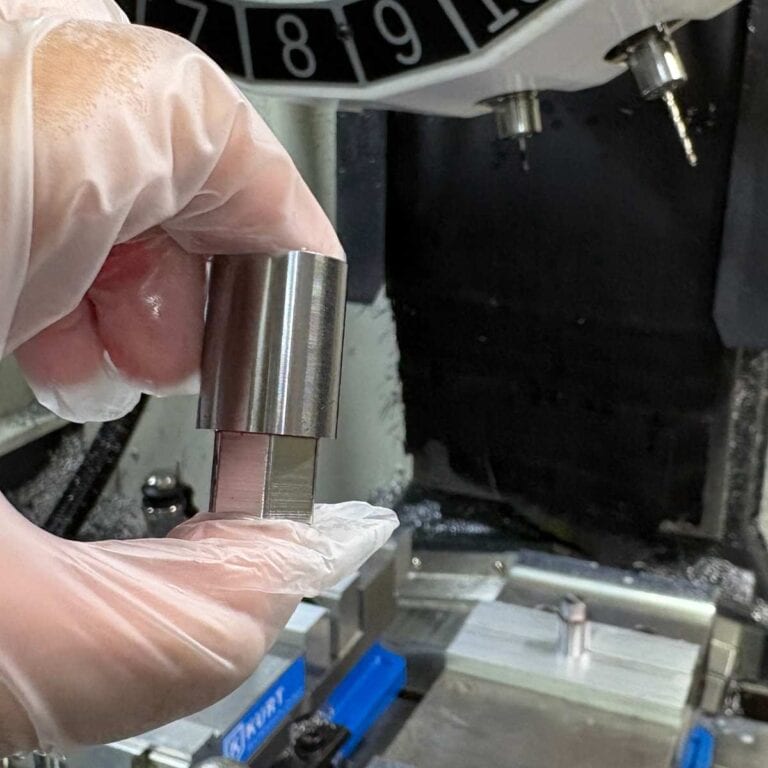
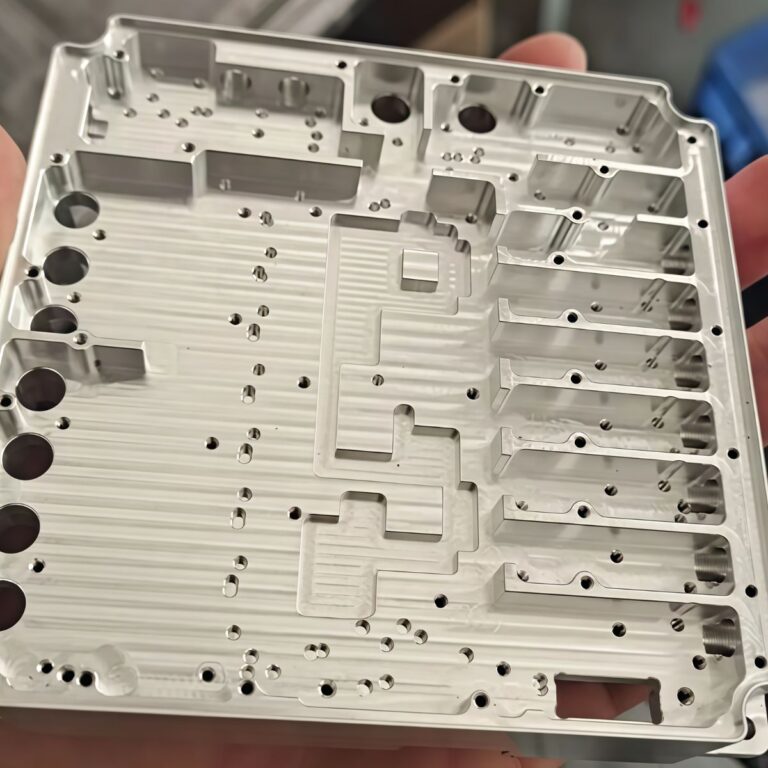
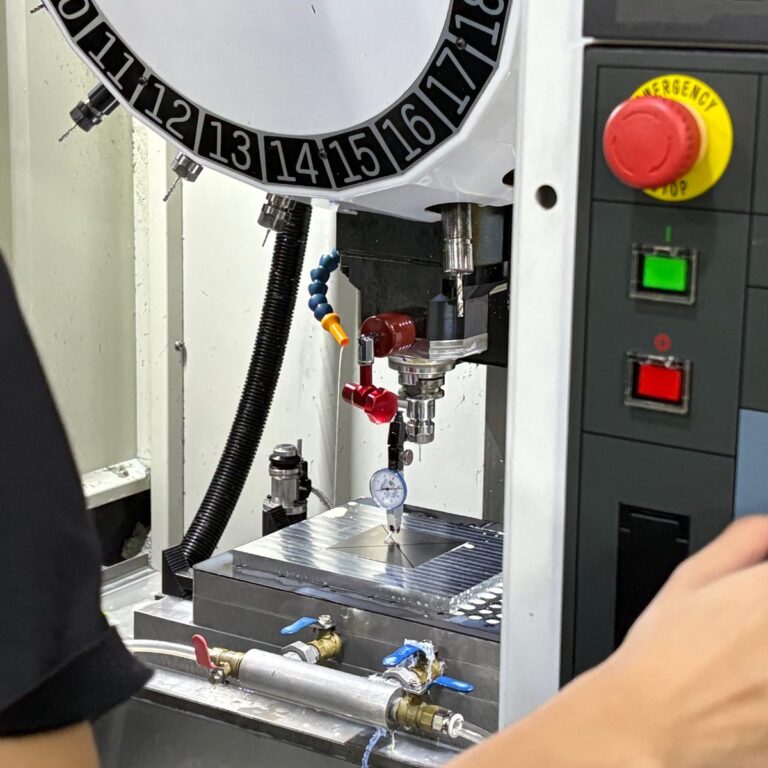
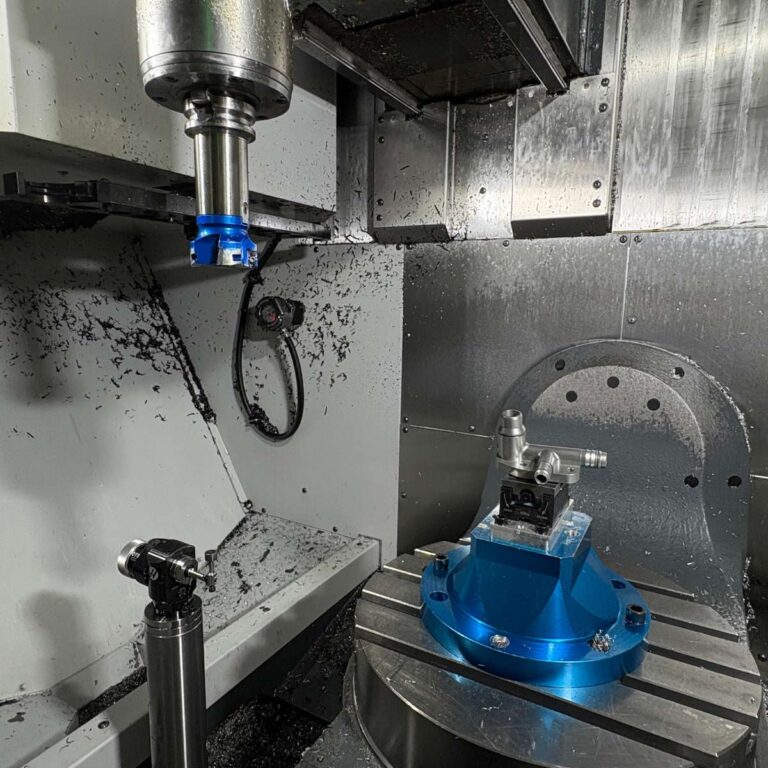
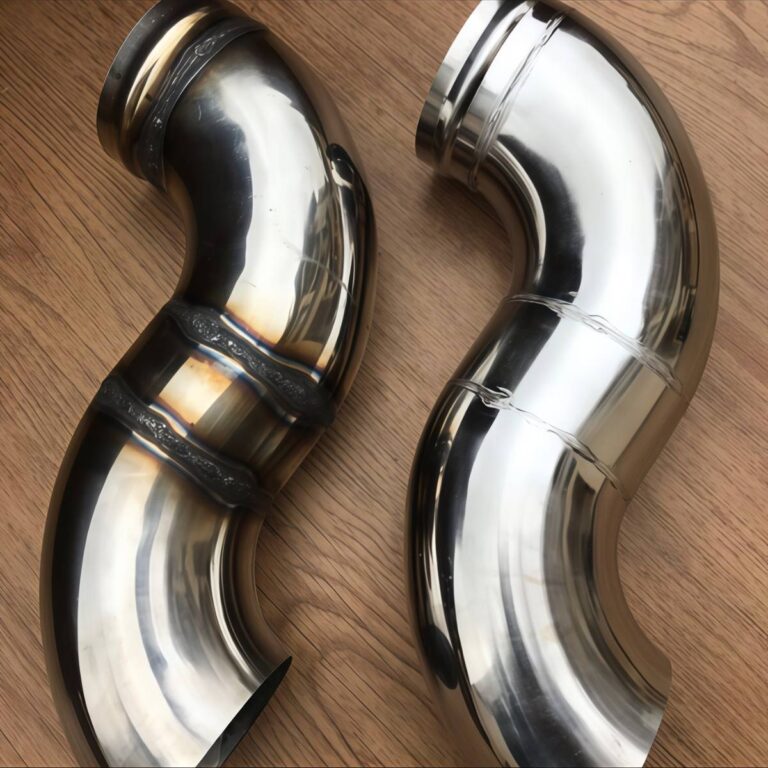
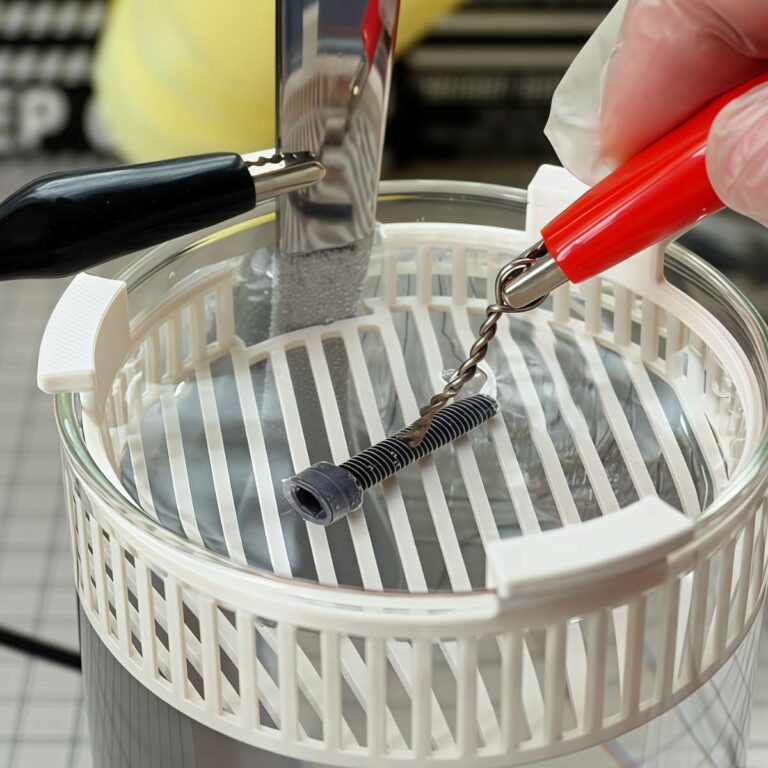
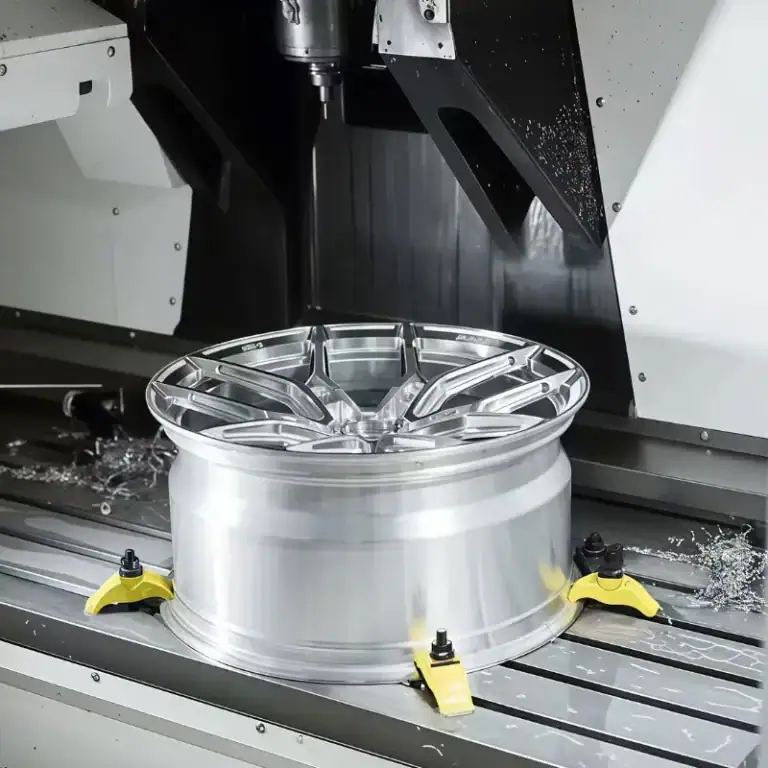
Outsourcing CNC machining helps reduce costs, access advanced capabilities, and speed time-to-market. By choosing to outsource CNC machining to trusted suppliers, companies avoid heavy investment, increase flexibility, and focus on
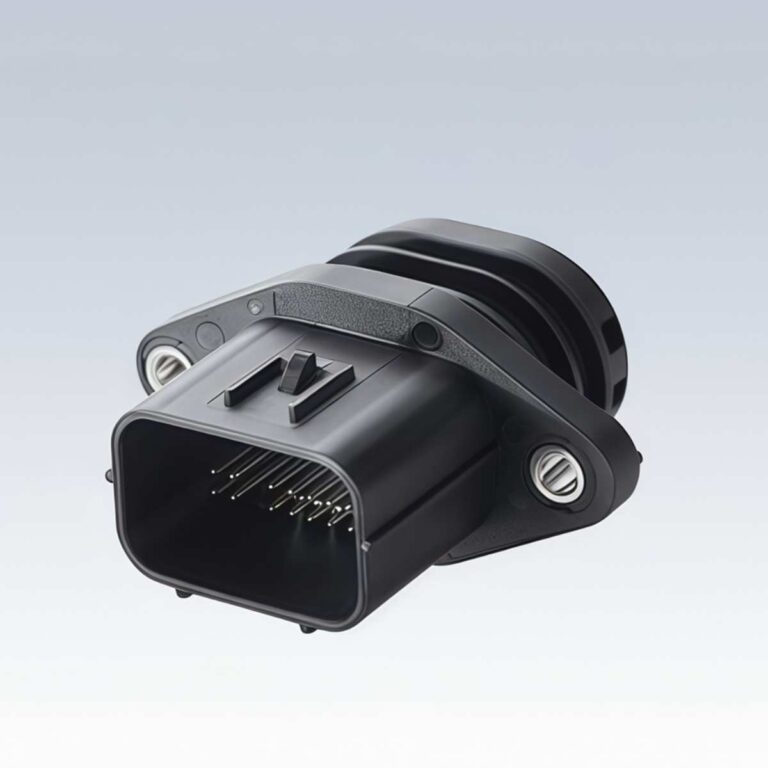
As a longtime manufacturer, I’m often asked by clients: What is insert molding? Insert-molded parts not only combine the strength of metal with the lightweight of plastic, but also reduce
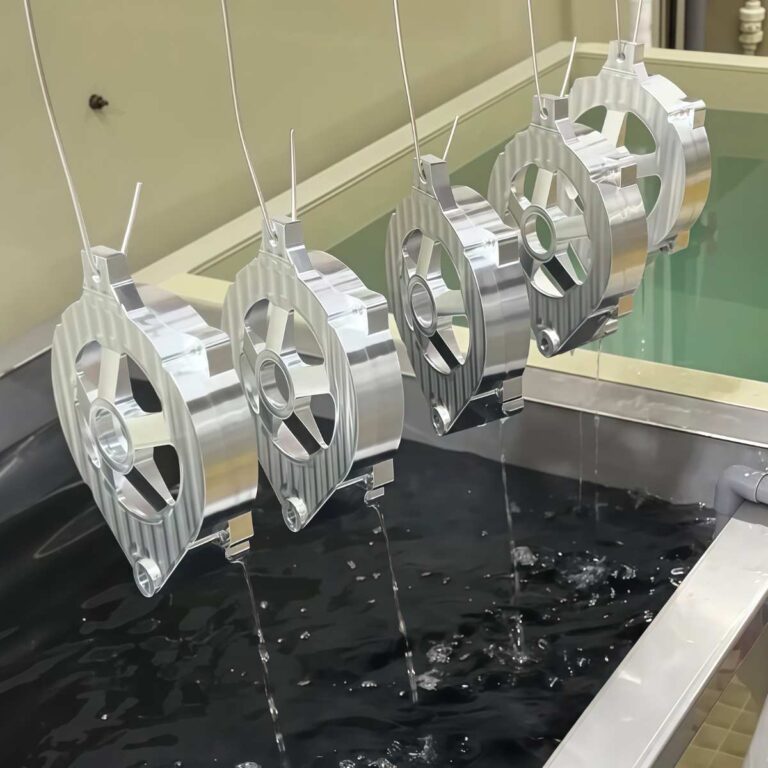
Chromic Acid Anodizing (CAA, Type I) is a classical aluminum alloy surface treatment process that significantly improves corrosion resistance and bonding performance without altering part dimensions. This process is widely
Shoulder milling creates flat surfaces and precise 90° shoulders in one pass. Widely used in mold, automotive, aerospace, and medical machining, it’s essential for steps, slots, and cavity edges. In
Milling is a widely used process in manufacturing, using a rotating tool to remove material and precisely machine a part’s surface. With the continuous advancement of technology, milling operations have
In modern manufacturing, CNC (computer numerical control) machine tools have long been a core component of production. With technological advancements, the range of types of CNC machines has continued to
What is Passivation?Among the many processes used to prevent metal corrosion, passivation is one of the most widely used and effective. By forming a dense, protective oxide film on the
Anodizing is an electrochemical process that forms a durable oxide layer on metals, boosting corrosion and wear resistance while enabling diverse finishes. In this article, I will explain the principles
Automotive CNC machining refers to the use of computer-controlled processes to manufacture precise vehicle parts. In automotive production, it is valued for accuracy, efficiency, and compatibility with a wide range
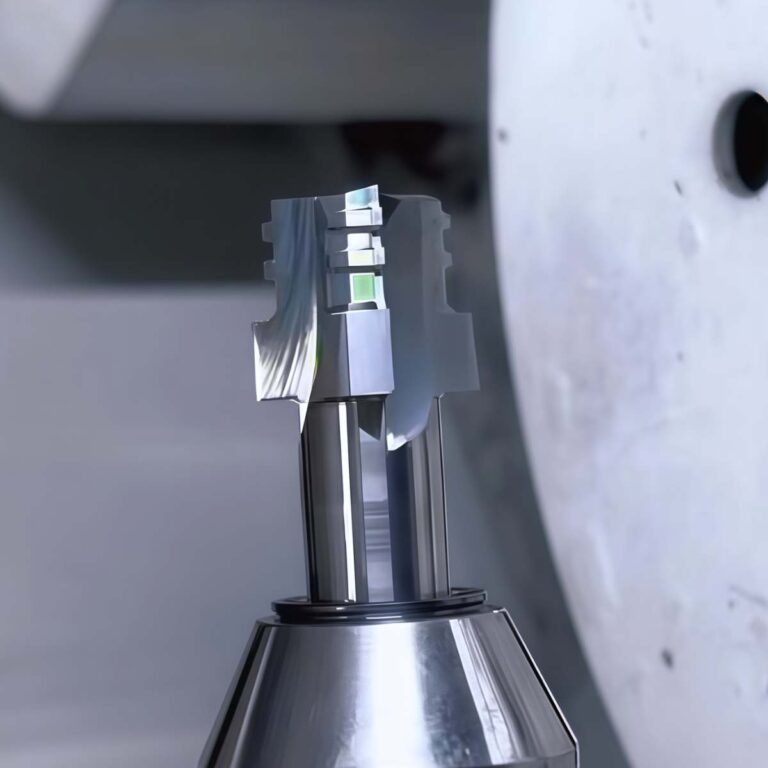
Form milling, with its ability to produce complex surfaces and contours in a single pass, has become an indispensable process in industries such as aerospace, automotive, mold and die, and
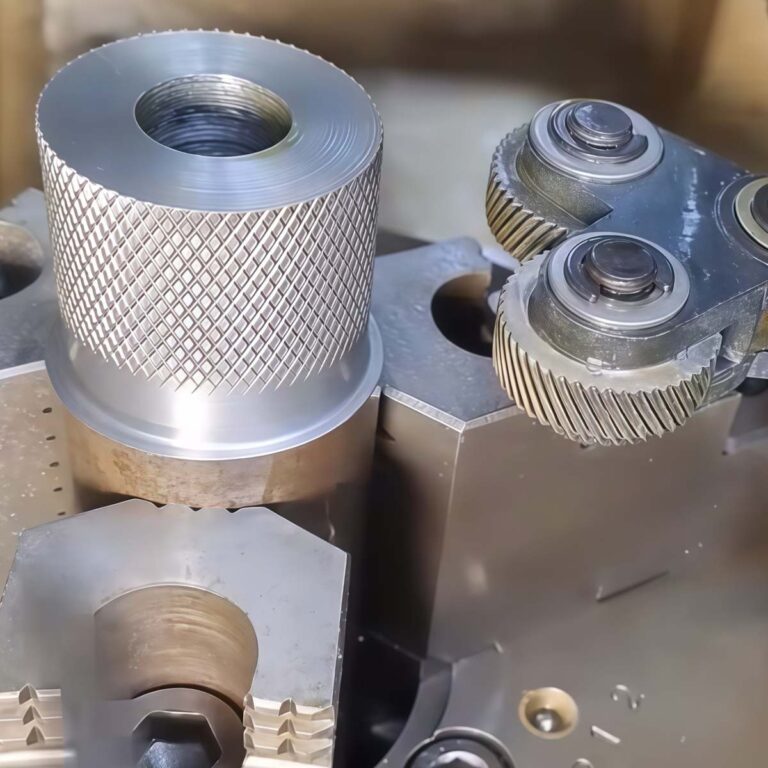
Knurling is a surface finishing process that creates a textured pattern on workpieces, primarily cylindrical parts, for better grip, aesthetics, and functional fit. In this guide, I’ll explain what knurling
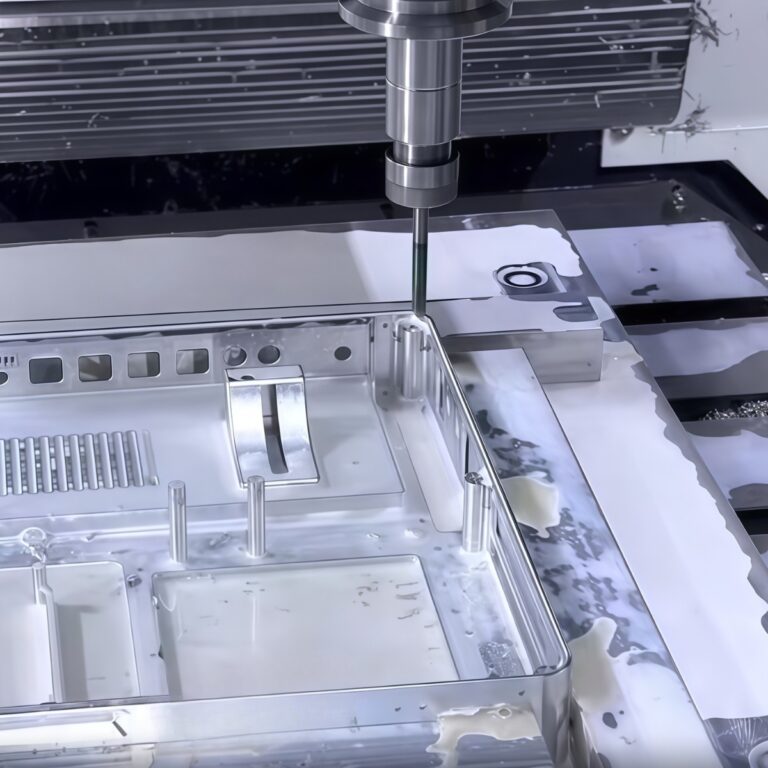
Thin wall machining is one of the most challenging processes in CNC manufacturing. Its core difficulty lies in insufficient part rigidity, which easily leads to vibration, deformation, and precision deviation.
Scroll to Top
Your 24 hour quote
Send us a message if you have any questions or request a quote. We will be back to you within 1-2 hours!