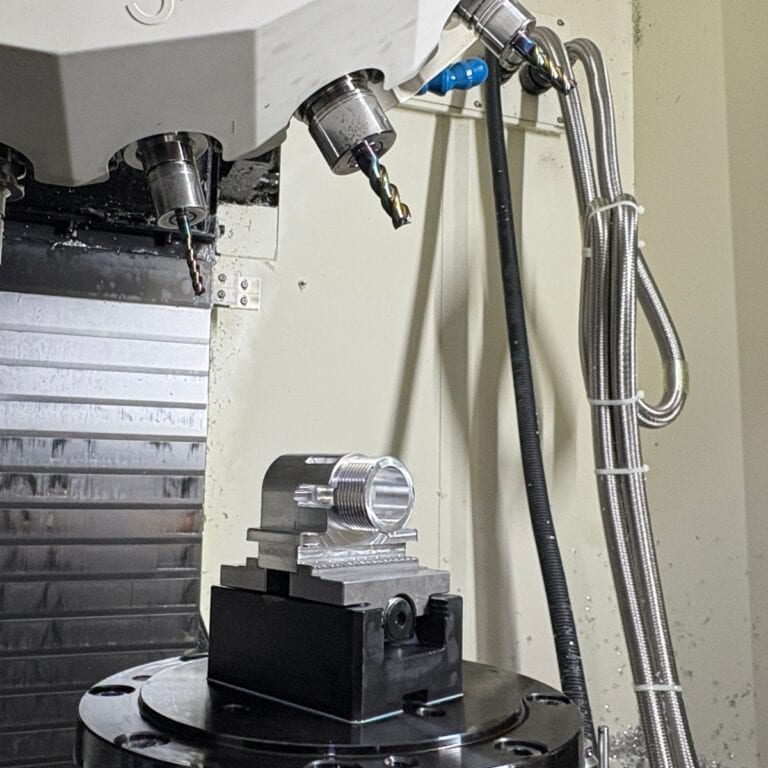
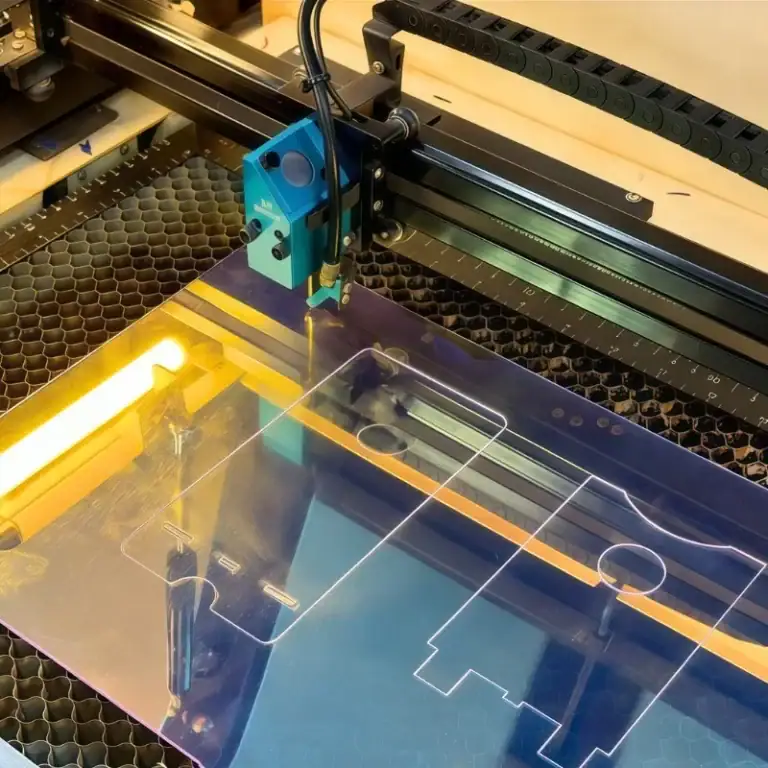
7075 aluminum is one of the strongest aluminum alloys in modern manufacturing. If you’ve ever wondered what is 7075 aluminum and why it’s used in aerospace, defense, and high-performance engineering, this guide breaks down its strength, benefits, and ideal applications in a simple and practical way.
What Is 7075 Aluminum
7075 aluminum is one of the strongest aluminum alloys, combining aerospace-grade strength with exceptional fatigue resistance. As a zinc-based alloy, it withstands high stress while remaining lightweight, making it ideal for precision components, structural parts, and high-performance engineering projects.
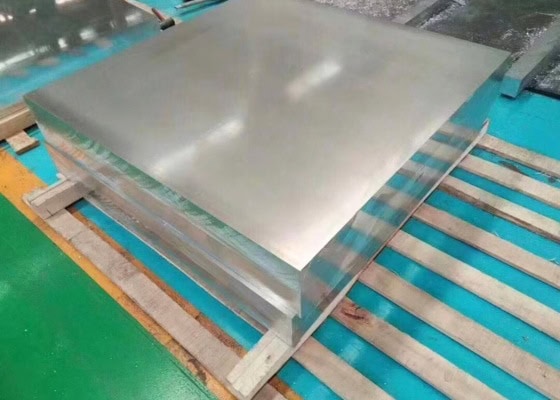
7075 aluminum belongs to the 7xxx series, a family defined by high zinc content that significantly boosts strength. Its typical chemical composition includes:
- Zinc (5.6–6.1%) – primary strengthening element
- Magnesium (2.1–2.9%) – improves hardness & precipitation behavior
- Copper (1.2–2.0%) – increases tensile strength
- Chromium (0.18–0.28%) – enhances toughness & stress-corrosion resistance
- Aluminum (balance)
This alloy was originally developed for aerospace applications, where extreme loads, vibration, and fatigue resistance are critical. Today, it remains one of the few aluminum alloys with strength comparable to mild steel.
Mechanical Highlights:
- Tensile strength: up to 572 MPa (7075-T6)
- Yield strength: ~503 MPa
- Density: 2.81 g/cm3
- Excellent fatigue resistance
- Lower weldability due to high strength precipitation structure
In our machining projects for drone frames and high-stress brackets, 7075 consistently outperforms 6061 by maintaining rigidity under load while keeping weight to a minimum. When strength-to-weight ratio and fatigue life are top priorities, 7075 is almost always the premium choice.
7075 vs Other Aluminum Alloys
Selecting the right aluminum grade starts with understanding how each alloy performs in strength, corrosion resistance, weldability, and machinability. This comparison shows how 7075 stacks against common alloys, helping engineers choose the best fit for performance-critical applications.
| Comparison | Key Differences | Performance Summary |
| 7075 vs 6061 | 7075 is much stronger; 6061 welds better and resists corrosion better. | • Strength: 7075 ↑
• Corrosion: 6061 ↑ • Machinability: 7075 ↑ • Cost: 7075 ↑ |
| 7075 vs 7050 | 7050 has better corrosion resistance and fracture toughness, especially in aerospace. | • Strength: Similar
• Temperature Performance: 7050 ↑ • Machinability: 7075 ↑ |
| 7075 vs 2024 | 2024 has better fatigue resistance; 7075 is stronger overall. | • Strength: 7075 ↑
• Fatigue: 2024 ↑ • Corrosion: Similar (needs coating) |
| 7075 vs 7005 | 7005 welds easier; 7075 excels in strength and high-stress applications. | • Strength: 7075 ↑
• Weldability: 7005 ↑ • Cost: 7005 ↓ • Applications: 7075 for aerospace/military; 7005 for bike frames/auto |
Common Tempers & Heat-Treatment States
7075 aluminum’s performance depends heavily on its heat-treatment state. From high-strength T6 to corrosion-resistant T73, each temper dramatically changes how the alloy behaves in demanding applications. Understanding these differences helps you choose the right material with confidence.
Key Tempers Explained
-
7075-O (Annealed)
Softest state, highest ductility
Used for forming, bending, and complex shaping
-
7075-T6 (Solution Heat-Treated + Aged)
Maximum strength of ~510–570 MPa
Ideal for aerospace brackets, load-bearing structures
I often use T6 for high-stress CNC parts with tight tolerances
-
7075-T651 (T6 + Stress Relief)
Same strength as T6 but improved dimensional stability
Best for precision machining where warping must be minimized
-
7075-T73 (Over-Aged)
Reduced strength but significantly improved corrosion resistance
Common in marine or moisture-exposed aerospace systems
Why T6 Is the Most Popular
T6 delivers the strongest performance-to-weight ratio of all 7075 tempers. Its artificial aging forms fine precipitates that dramatically raise yield strength, making it the default choice for aviation and defense components.
What Is 7075 Aluminum Used For
7075 aluminum is one of the strongest aluminum alloys available, making it a top choice wherever extreme strength, fatigue resistance, and low weight are essential. Before selecting materials for high-performance parts, understanding where 7075 excels helps ensure reliability and safety.
1. Aerospace & Aviation
- Wing spars, fuselage frames, landing-gear parts
- High fatigue life withstands constant vibration and load
We often machine 7075-T6 brackets for UAV structures where weight savings are critical.
2. Defense & Military
- Missile components, armor parts, firearm mechanisms
- Performs reliably under impact and high-pressure conditions
3. High-Performance Automotive & Racing
- Suspension parts, chassis components, drivetrain elements
- Common in racing due to improved stiffness and reduced weight
4. Sporting Goods & Outdoor Equipment
- Premium bicycle parts, climbing carabiners, archery components
- Balances durability with lightweight performance
5. Industrial & Tooling Applications
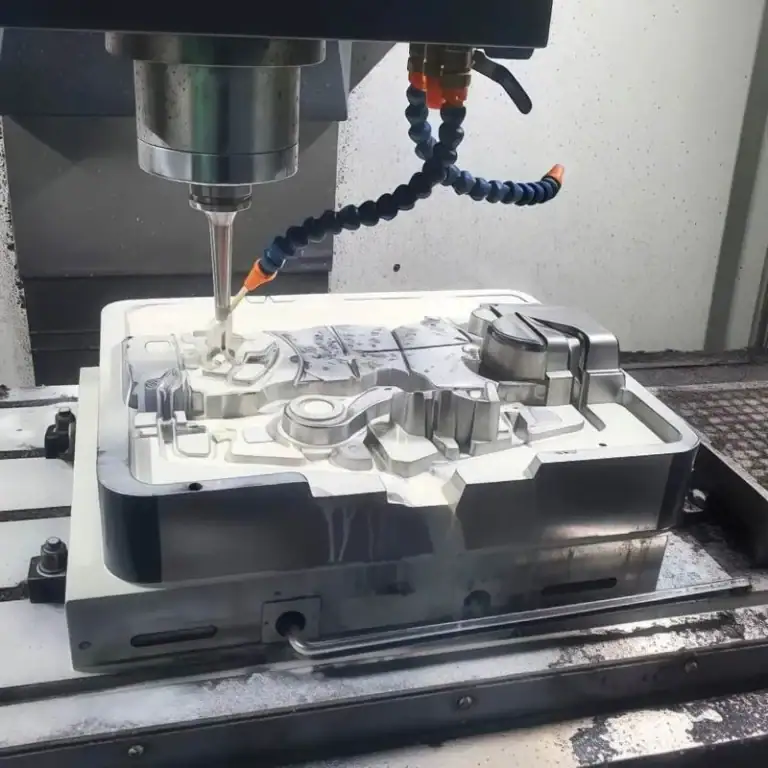
- Molds, dies, precision machine parts
- Excellent machinability enables tight-tolerance components
Manufacturing Considerations for 7075 Aluminum
7075 aluminum delivers outstanding strength, but achieving stable, high-quality results requires understanding its limitations—especially weldability, corrosion resistance, and machining behavior. Knowing these manufacturing considerations helps engineers avoid common production pitfalls.
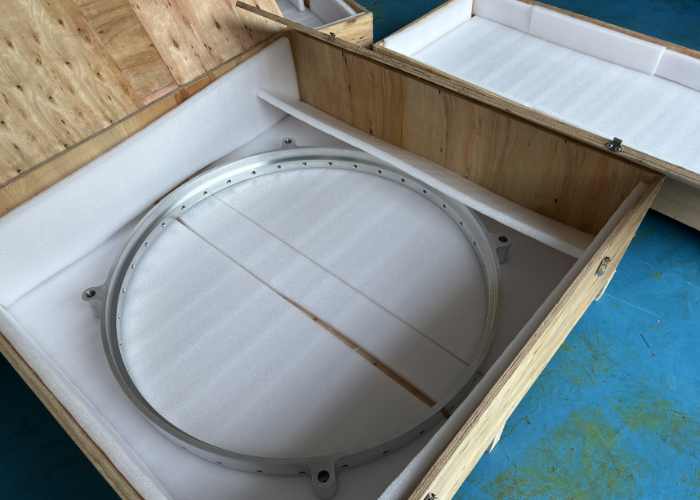
1. Machinability Characteristics
- Machinability rating: ~70% compared to free-cutting aluminum
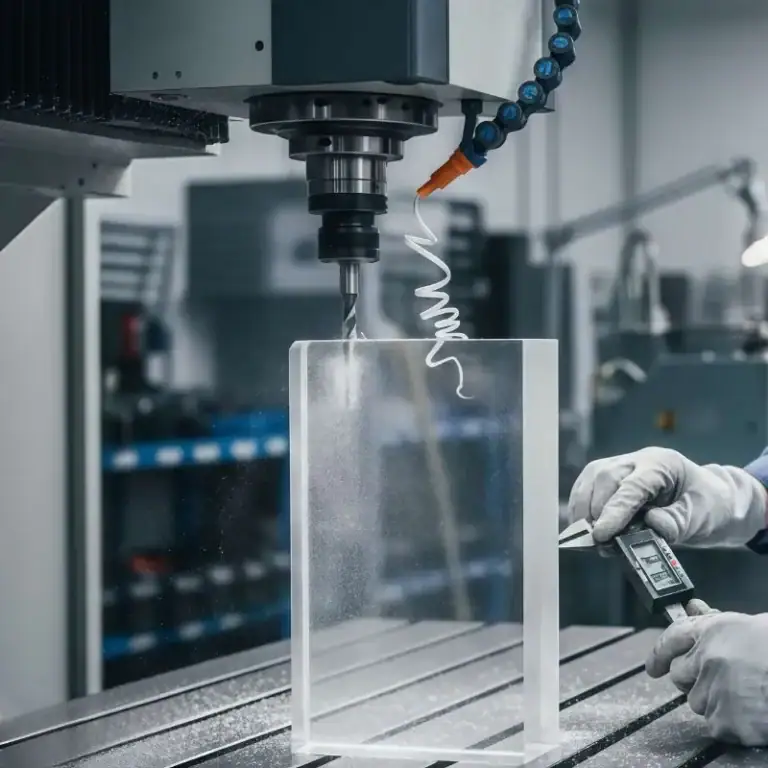
- Excellent for CNC milling and turning when using rigid setups
- Requires sharp carbide tooling and controlled heat input
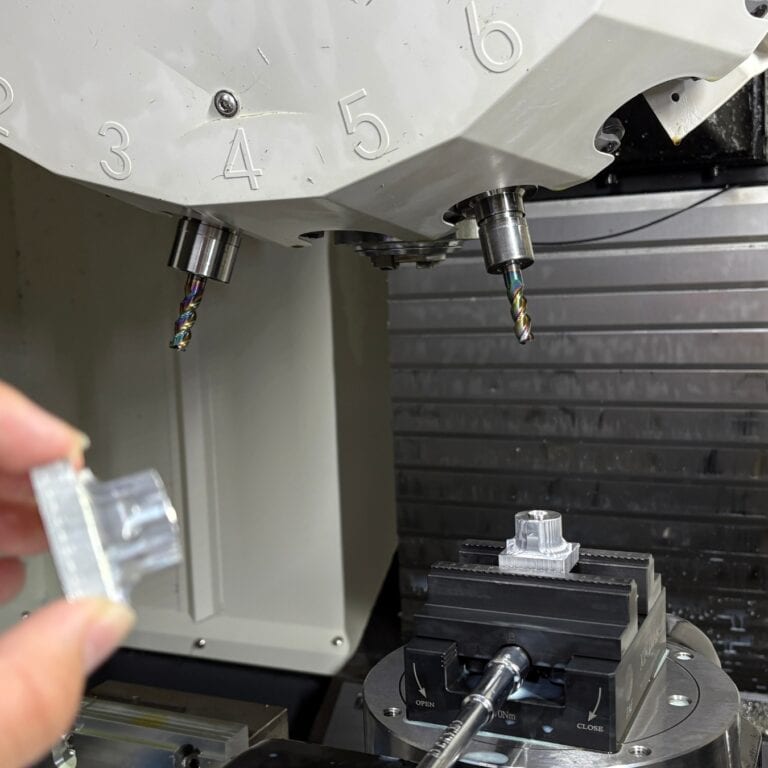
- In my shop, 7075 responds best to high-speed machining with flood coolant to avoid work hardening
2. Weldability Limitations
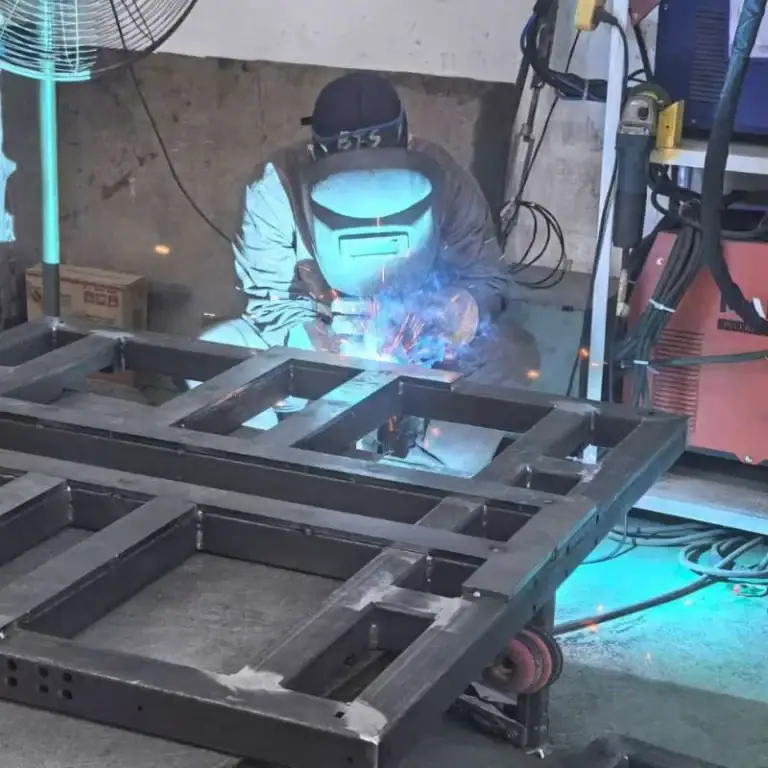
- 7075 is not suitable for standard welding
- Prone to cracking due to its zinc–magnesium composition
- For load-bearing parts, we avoid welding entirely and choose mechanical fastening or redesign the geometry
- Special friction stir welding (FSW) is possible but costly
3. Heat-Treatment Behavior
- Tempers like T6, T651, T73 significantly affect machinability
- T651 is best for dimensional stability after heavy milling
- Over-aged states (like T73) reduce strength but improve corrosion resistance
4. Corrosion-Resistance Requirements
- Lower corrosion resistance than 6061 or 5052
- Requires protective finishing such as:
-Hard anodizing Chromate
-conversion coating
-Powder coating
- For marine or chemical environments, sealing is mandatory
5. Formability & Bending Constraints
- Poor formability due to high hardness
- We avoid tight bends and recommend machining shape features instead of forming
6. Cost Considerations
- 7075 is 25–60% more expensive than 6061
- Higher tooling wear increases machining cost
- Best used only when high strength justifies the expense
Recommended When:
- Aerospace, robotics, military, high-load structural parts
Avoid When:
- Welded assemblies, low-cost consumer goods, corrosive environments
Is 7075 Aluminum Right for Your Project
Choosing the right alloy is critical when your project demands high strength, low weight, and excellent fatigue resistance. 7075 aluminum is often labeled “aircraft grade,” but is it right for your application? This section helps you decide with clarity and confidence.
It offers:
- High strength: Tensile strength 510–570 MPa
- Excellent fatigue resistance: Ideal for repeated stress
- Great machinability: Especially in T6 and T651 states
- Lightweight advantage: Perfect for high-performance parts
However, consider these limitations:
- Poor weldability: Requires specialized welding techniques
- Lower corrosion resistance: Needs anodizing or coating in harsh environments
- Higher cost: More expensive than 6061 or 2024
You should choose 7075 when your project involves aerospace, defense components, high-stress mechanical parts, performance automotive, sporting equipment, or any application where failure is not an option.
FAQs
Is 7075 Aluminum As Strong As Steel?
In many cases, I find that 7075-T6 aluminum reaches tensile strengths of 510–570 MPa, which is comparable to some mild steels around 400–550 MPa. However, high-carbon or alloy steels can exceed 800+ MPa, so 7075 isn’t universally stronger. Still, its strength-to-weight ratio is significantly higher than steel.
Is 7075 Aluminum Durable?
Based on my engineering experience, 7075 aluminum demonstrates excellent durability thanks to its high fatigue strength (~160 MPa), strong resistance to deformation, and stable mechanical performance under stress. Its durability makes it ideal for aerospace and defense components that demand long-term reliability.
Does 7075 Aluminum Bend?
7075 aluminum has limited bendability, especially in the T6 or T651 temper, where tensile strength above 500 MPa reduces formability. In my projects, bending often causes cracking unless the alloy is softened to O-temper, where ductility improves significantly. It’s machinable—but not ideal for forming.
Why Is 7075 Aluminum So Expensive?
I consider 7075 more expensive because its composition includes higher levels of zinc, magnesium, and copper, and the alloy requires complex heat-treatment cycles such as T6 or T73. Additionally, its aerospace-grade certification and high mechanical performance increase production cost and market price.
Is 7075 Stronger Than Titanium?
From a material comparison standpoint, 7075-T6 aluminum achieves ~510–570 MPa tensile strength, while titanium Grade 5 reaches ~900 MPa, making titanium stronger overall. However, 7075 offers a superior strength-to-weight ratio and much easier machinability, which is why I often choose it for lightweight structural parts.
Conclusion
7075 aluminum delivers exceptional strength, fatigue resistance, and lightweight performance, making it ideal for aerospace, military, racing, and high-load engineering. It outperforms most aluminum alloys in strength but requires careful machining, protective coatings, and minimal welding. Choose 7075 when your project demands maximum strength-to-weight performance.