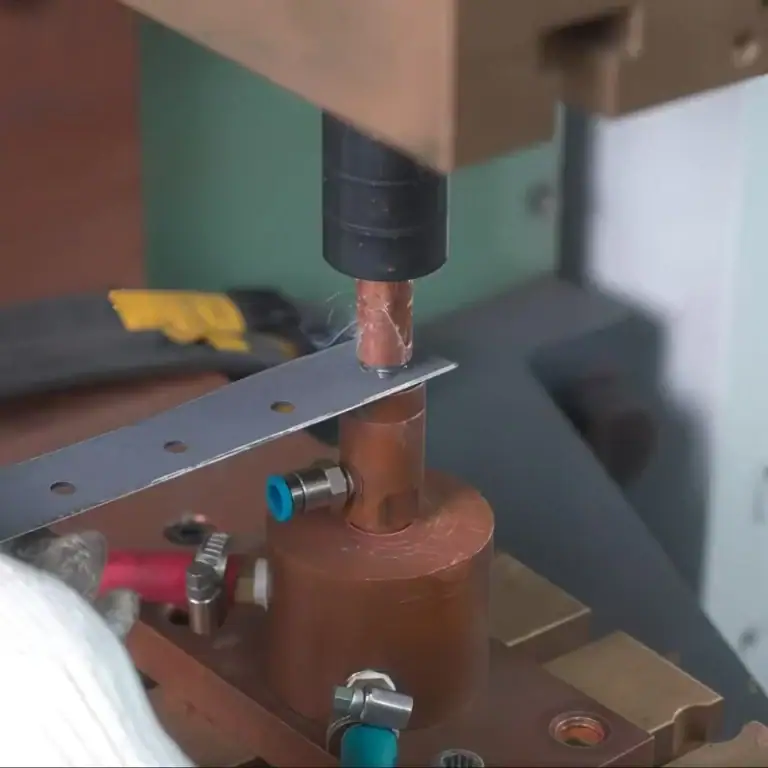
Aluminum naturally forms a thin oxide layer that protects it from corrosion. Satin Aluminum Anodizing enhances this layer through a controlled electrochemical process, creating a smooth, low-gloss surface that improves durability and appearance. This article explains how satin anodizing works and where it’s used.
What Is Satin Aluminum Anodizing
Satin Aluminum Anodizing is a surface treatment that enhances aluminum’s natural oxide layer to create a smooth, low-gloss satin appearance. Unlike dyed anodizing, it improves corrosion resistance and surface durability while maintaining a clean, natural metallic look, making it suitable for both functional and cosmetic aluminum parts.
How Satin Aluminum Anodizing Is Made
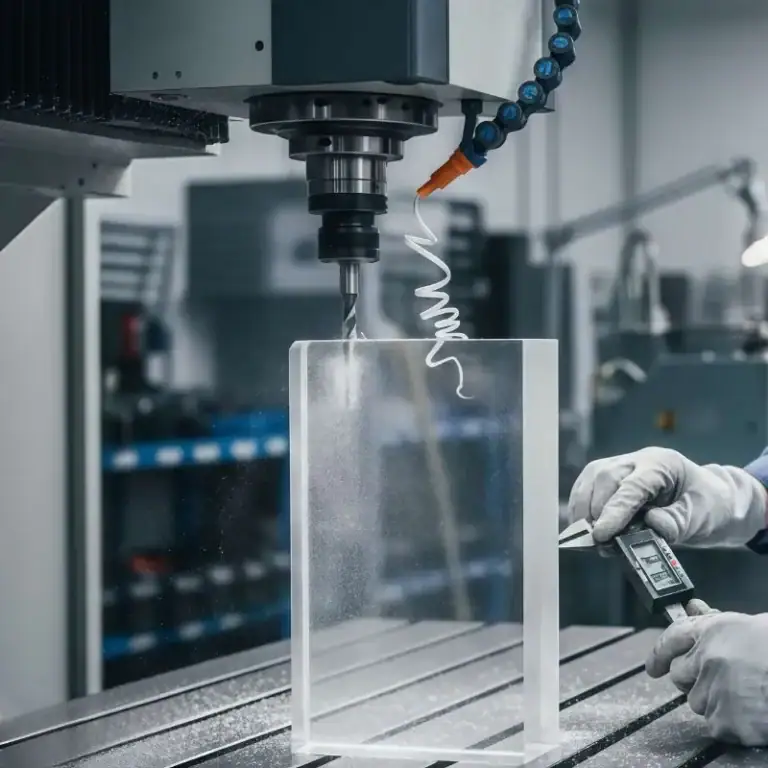
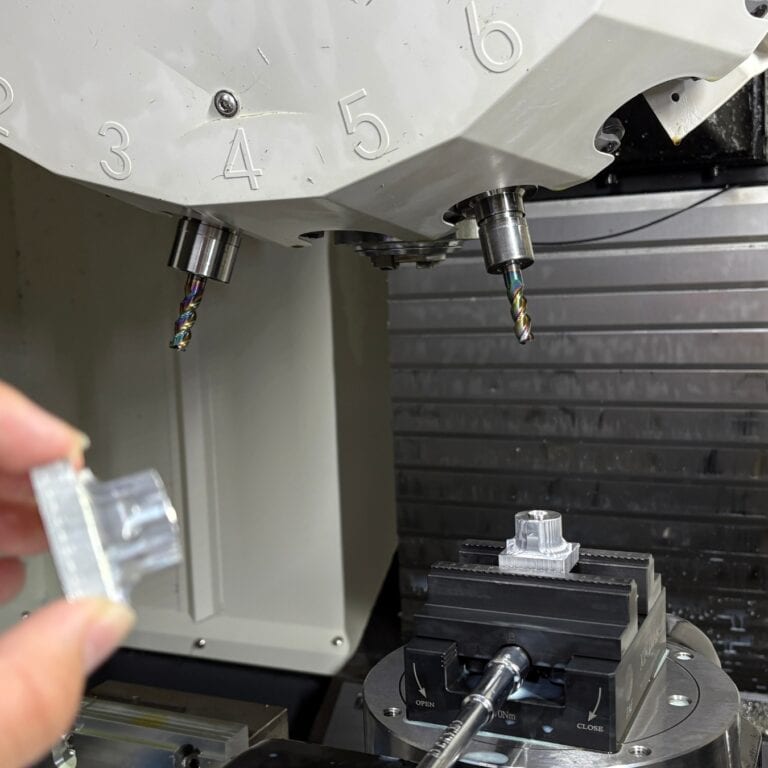
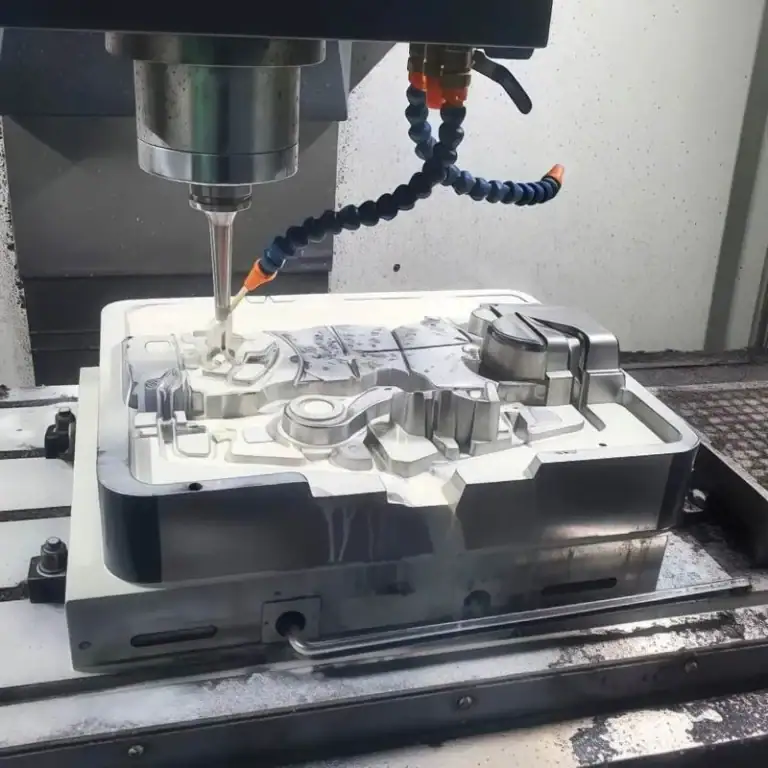
Satin Aluminum Anodizing is achieved through a controlled, multi-step process that combines surface preparation, anodizing, and sealing, and is widely applied in CNC machining manufacturing for aluminum parts requiring consistent appearance and durability. Each step plays a critical role in forming a uniform satin texture and stable oxide layer.
1. Surface Preparation
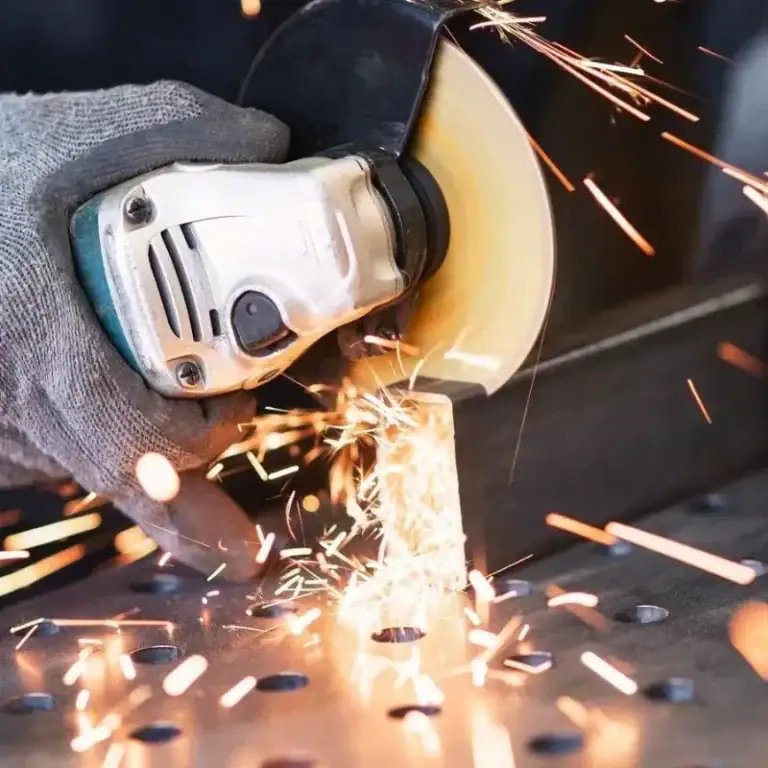
The satin appearance is established before anodizing. Common methods include bead blasting, light brushing, or chemical etching. These processes create a fine, evenly distributed micro-texture that diffuses light rather than reflecting it.
2. Cleaning and Pretreatment
After texturing, parts are thoroughly cleaned to remove oils, oxides, and residues. Proper pretreatment ensures the oxide layer grows uniformly during anodizing and prevents cosmetic defects.
3. Anodizing and Oxide Layer Formation
The aluminum is immersed in an acid electrolyte and acts as the anode. When current is applied, a controlled aluminum oxide layer grows outward and inward from the surface, locking in the satin texture.
4. Sealing for Durability
Sealing closes the microscopic pores in the oxide layer, significantly improving corrosion resistance and color stability. Poor sealing can lead to premature staining or surface degradation.
5. Optional Dyeing for Colored Satin Finishes
If color is required, dyes are introduced before sealing. Satin textures tend to absorb dye evenly, but process control is critical to avoid shade variation.
From production experience, inconsistent surface preparation is the most common cause of uneven satin appearance—not the anodizing step itself.
Advantages Of Satin-Finish Anodized Aluminum
Satin-finish anodized aluminum balances refined appearance with functional protection. By forming a controlled oxide layer, it improves corrosion resistance, surface hardness, and long-term color stability, making it suitable for both industrial components and appearance-critical parts.
Corrosion Resistance
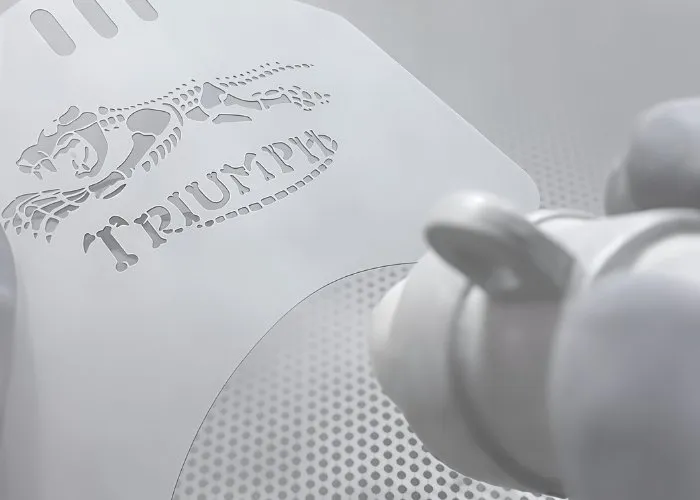
The sealed anodic oxide layer acts as a stable barrier against moisture and air. Because this layer is integral to the aluminum rather than a coating, it resists corrosion in normal indoor and outdoor environments without peeling or flaking.
Improved Wear and Scratch Resistance
Compared to untreated aluminum, satin anodizing increases surface hardness and reduces visible wear from daily handling. While it is not designed for heavy-load abrasion, it performs well in light to moderate contact applications.
Color Stability and UV Resistance
Satin anodized aluminum does not chalk, peel, or fade under UV exposure. Clear satin finishes maintain a natural metallic appearance, while dyed satin finishes provide better long-term color fastness than painted surfaces.
Enhanced Surface Hardness
The aluminum oxide layer formed during anodizing is significantly harder than the base metal. This added hardness helps protect surfaces from minor impacts and cosmetic damage while preserving the satin texture.
Electrical Insulation Considerations
Anodized aluminum surfaces are electrically insulating. This is beneficial for enclosures and panels, but grounding points and conductive contact areas must be masked or machined after anodizing when electrical continuity is required.
Limitations And Common Misunderstandings
Satin anodizing does not hide surface defects, so machining marks and scratches remain visible. Results may vary with alloy, heat treatment, and part geometry, especially on edges and recessed features. Repair options are limited and often require full re-anodizing.
Satin Anodizing Is Not Paint
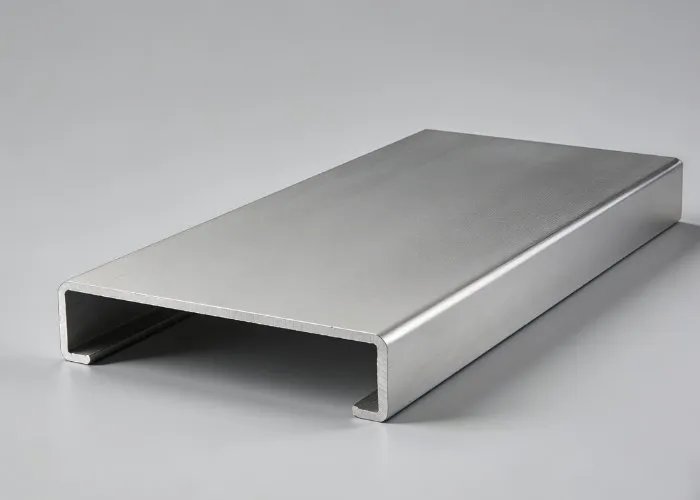
Anodizing does not hide surface defects like paint. Tool marks, scratches, and machining flaws present before anodizing will remain visible, making surface preparation a critical factor in final appearance.
Color Variation from Alloy and Processing
Alloy composition, heat treatment, and surface condition directly affect anodizing results. Large or complex parts are more prone to color variation, especially when dyed satin finishes are specified.
Edge Buildup, Threads, and Recessed Features
Sharp edges, internal threads, and deep recesses anodize differently, often resulting in uneven thickness or color. When appearance is critical, design adjustments or masking strategies may be required.
Limited Repair or Touch-Up Options
Unlike painted finishes, anodized surfaces cannot be easily repaired or touched up. If cosmetic defects exceed acceptable limits, stripping and re-anodizing the entire part is often the only solution.
Common Misconceptions at a Glance
| Myth | Reality |
| Satin anodizing is permanently corrosion-proof | Protection decreases in harsh environments without maintenance |
| Suitable for all aluminum alloys | High-silicon or copper-rich alloys can produce uneven results |
| Thicker anodizing is always better | Excess thickness can make the layer brittle |
| Satin anodizing is purely cosmetic | It also improves durability and electrical insulation |
Typical Applications Of Satin Anodized Aluminum
Satin anodized aluminum is widely used in electronics, industrial equipment, medical devices, automotive trim, and architectural parts. Its low-gloss finish, corrosion resistance, and surface stability provide a clean, durable solution where appearance and long-term performance both matter.
Consumer Electronics Housings
In consumer electronics, satin anodized aluminum is commonly used for device housings and frames. The satin texture reduces fingerprints and glare while maintaining a premium metallic appearance. It also offers better scratch resistance than painted finishes, which is critical for daily-use products.
Industrial Enclosures and Panels
Industrial enclosures and control panels require finishes that are durable, easy to clean, and visually consistent. Satin anodized aluminum resists corrosion and handling wear while maintaining a uniform appearance across large production batches.
Medical and Laboratory Equipment Covers
Medical and laboratory equipment often undergo frequent cleaning and handling. Satin anodized aluminum is preferred for its clean appearance and sealed surface, which helps reduce staining and supports hygiene and maintenance requirements.
Automotive Trim Components
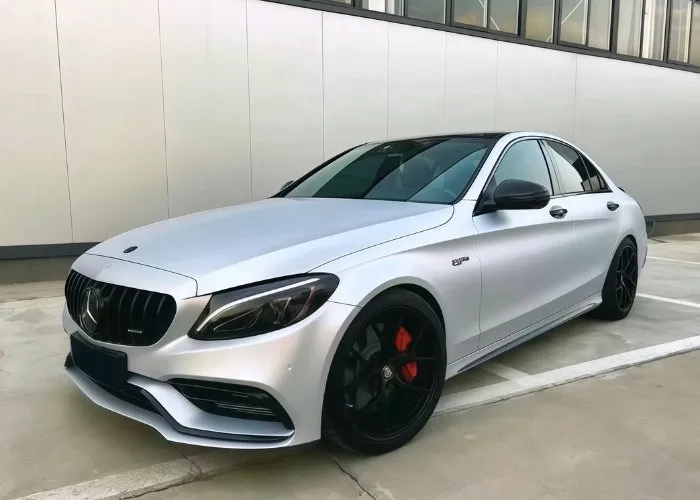
Automotive interior and exterior trim components use satin anodized aluminum to achieve a refined, non-reflective look. Compared to painted trim, this finish provides better durability and maintains appearance under UV exposure and temperature variations.
Architectural Aluminum Parts
Architectural panels, trims, and decorative elements benefit from satin anodized aluminum due to its weather resistance and long-term color stability. The finish delivers a modern aesthetic while minimizing maintenance over time.
Practical Manufacturing Insight
From our experience supplying satin anodized aluminum parts across consumer, industrial, and architectural applications, this finish is often selected when customers need a balance between visual quality, production consistency, and long-term durability.
FAQ
What Does Satin Anodized Aluminum Look Like?
Satin anodized aluminum has a smooth, matte appearance with soft light diffusion. In practice, clear satin anodized aluminum looks less reflective than bright anodizing and more uniform than brushed finishes, while hiding fingerprints and minor scratches better than polished anodized aluminum finish surfaces.
What Is the Difference Between Brite Anodized and Satin Anodized?
Brite anodized aluminum is polished before anodizing, creating a highly reflective anodized aluminum finish. Satin aluminum uses controlled micro-texture to reduce glare. I often recommend satin anodized aluminum for better consistency, lower cosmetic risk, and easier mass production.
What Color Is Satin Aluminum?
Satin aluminum is typically a natural silver-gray. After anodizing, clear satin anodized aluminum often appears slightly darker or warmer than raw aluminum. It can also be dyed, with options such as black satin anodized aluminum offering stable color and good UV resistance.
How to Satin Finish Aluminium?
To achieve a satin aluminum finish, I use bead blasting, chemical etching, or light brushing before anodizing. The part is then anodized and sealed to form a durable anodized aluminum finish. Consistent surface preparation is critical to achieving uniform satin anodized aluminum texture and appearance.
Conclusion
Satin Aluminum Anodizing enhances aluminum’s natural oxide layer to create a durable, low-gloss finish with good corrosion resistance and visual consistency. While it does not hide surface defects or suit heavy-wear applications, it offers reliable appearance, stable performance, and excellent batch repeatability when specified and processed correctly.
TiRapid delivers Satin Aluminum Anodizing with controlled surface preparation, uniform oxide thickness, and excellent batch consistency. Ideal for housings and panels. Inspection reports and on-time delivery guaranteed—send your drawings for DFM review and pricing.