Looking for a surface treatment that increases hardness without affecting dimensional accuracy? QPQ coating, also known as salt bath nitriding, is a widely used surface hardening process that improves wear resistance, corrosion protection, and fatigue strength on steel parts.
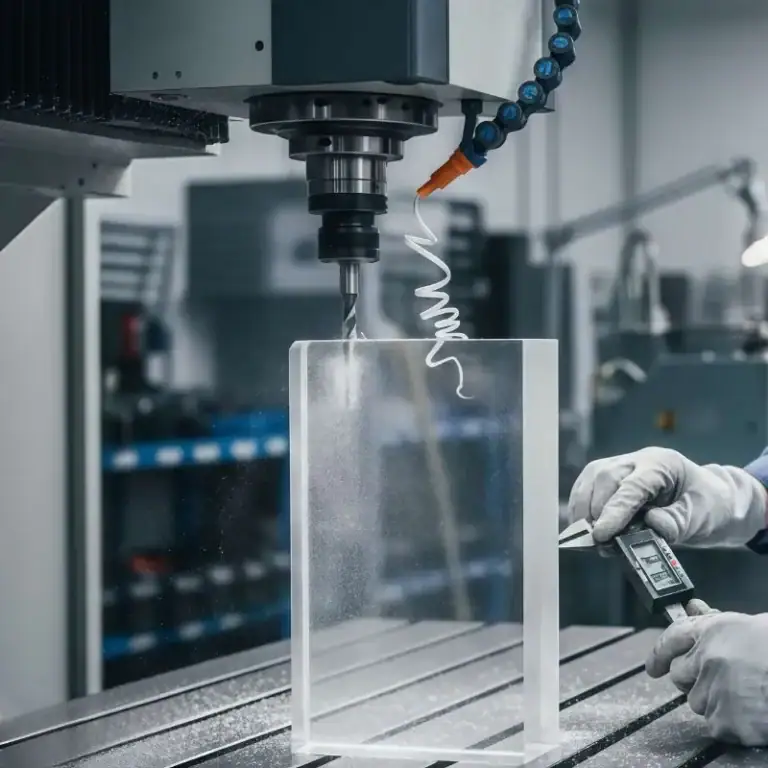
For a CNC manufacturer focused on precision machining, QPQ surface treatment is especially valuable because it enhances surface performance without altering tight tolerances or complex geometries produced during CNC machining.
In this guide, I explain the QPQ coating process, its key benefits and limitations, and the applications where QPQ surface treatment delivers the best performance for precision components manufactured by CNC manufacturers serving automotive, industrial, and mechanical systems.
What Is QPQ Coating?
QPQ coating, short for Quench Polish Quench, is a thermo-chemical surface treatment designed to enhance wear resistance, corrosion protection, and fatigue strength of steel parts. It is widely used where durability and reliability are critical.
QPQ coating is a controlled salt-bath nitrocarburizing process followed by polishing and a second quench. During treatment, nitrogen and carbon diffuse into the metal surface, forming a compound layer and diffusion zone.
This structure significantly increases surface hardness (typically 900–1200 HV), improves corrosion resistance up to 10× compared to untreated steel, and reduces friction through surface smoothing.
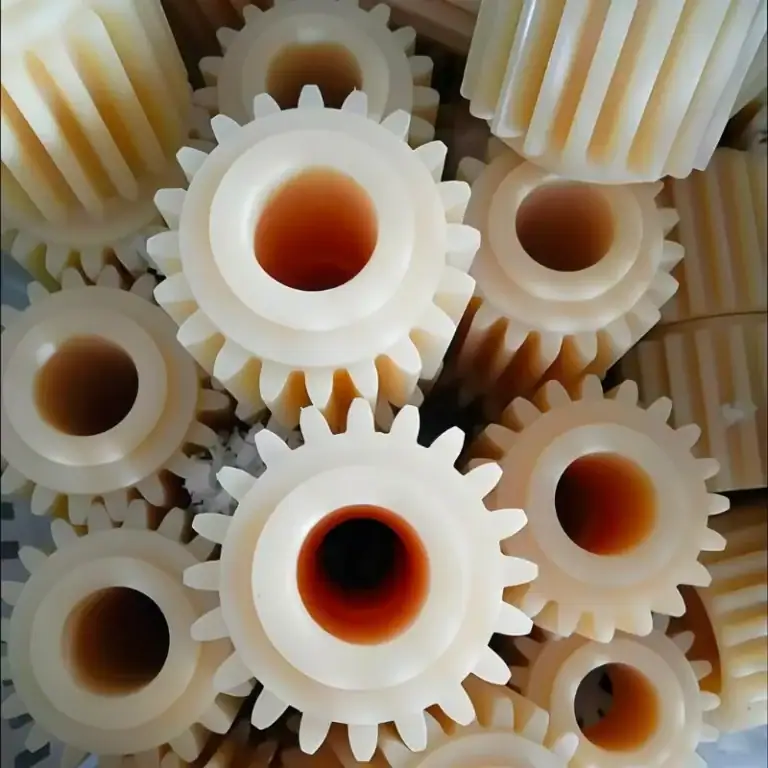
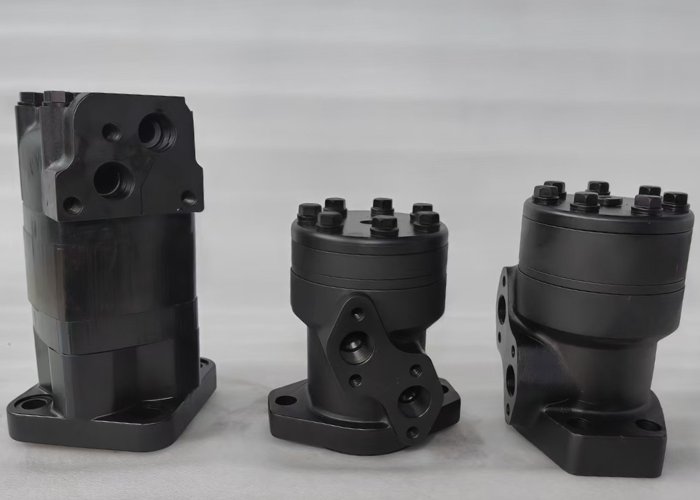
In my experience, QPQ is often chosen for shafts, gears, hydraulic components, and automotive parts where long service life and stable performance matter more than decorative appearance.
How the QPQ Coating Process Works
QPQ coating is not a single treatment, but a controlled three-stage surface engineering process. By combining nitrocarburizing, polishing, and quenching, QPQ creates a hard, wear-resistant, and corrosion-protected surface layer ideal for demanding industrial applications.
The QPQ (Quench–Polish–Quench) process enhances metal surface performance through a precisely sequenced thermochemical treatment:
Nitrocarburizing
The process begins by diffusing nitrogen and carbon into the metal surface at 560–580°C. This forms a compound layer (ε-Fe₂–₃(N,C)) and a diffusion zone beneath it. The result is a surface hardness typically reaching 900–1200 HV, with significantly improved wear and fatigue resistance.
- Common methods: gas nitrocarburizing and salt bath nitrocarburizing
- Typical case depth: 10–25 μm (compound layer)
Polishing
After nitrocarburizing, the surface is polished mechanically or chemically to reduce roughness and remove surface porosity. This step lowers friction coefficients (often <0.2) and prepares the surface for optimal corrosion resistance.
Quenching
The final quench—using water or polymer solutions—stabilizes the compound layer and forms a dense black oxide finish. This step significantly boosts corrosion resistance, often achieving >200–500 hours salt spray performance without red rust.
Materials Suitable for QPQ Coating
QPQ coating performance depends heavily on the base material. While the process is highly effective, not all metals respond equally. Understanding which materials are suitable for QPQ helps engineers achieve optimal hardness, wear resistance, and corrosion protection.
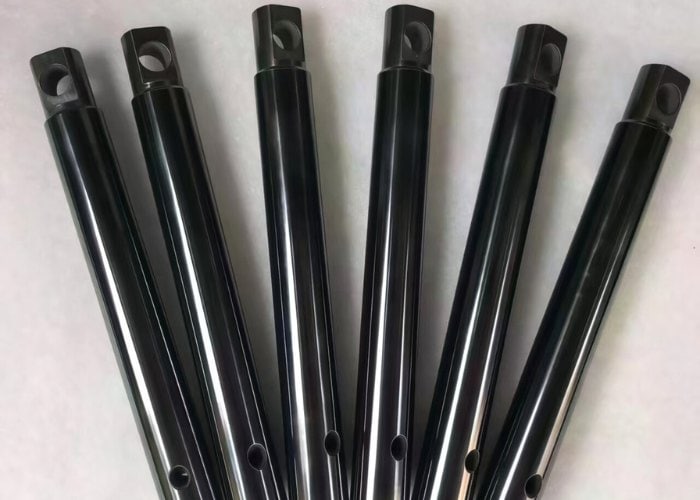
QPQ coating is primarily designed for ferrous materials, where nitrogen and carbon diffusion can form stable compound layers and diffusion zones. Low-carbon and alloy steels are the most suitable substrates due to their excellent nitrocarburizing response.
Common materials compatible with QPQ coating include:
- Carbon steels (low and medium carbon)
- Alloy steels (Cr-Mo, Ni-Cr series)
- Tool steels and high-speed steels
- Structural steels
- Cast iron and sintered iron
- Pure iron
Low-carbon steels typically achieve uniform compound layers with improved surface hardness (up to 900–1200 HV) and significantly enhanced corrosion resistance. Alloy steels benefit from improved fatigue strength and wear resistance.
Stainless steels can be treated, but results vary. Certain stainless grades may experience reduced corrosion resistance due to chromium nitride formation, so careful process control and testing are required.
Key Properties and Performance Improvements
QPQ coating is widely adopted not just for surface hardening, but for its balanced improvement across wear resistance, corrosion protection, fatigue life, and friction behavior. These performance gains explain why QPQ is trusted in demanding industrial environments.
Surface Hardness and Wear Resistance
QPQ forms a compound layer rich in iron nitrides and carbonitrides, typically achieving surface hardness of 900–1200 HV. This hardened layer significantly improves abrasion and adhesive wear resistance. In practice, I’ve seen tool life extended by 2–5× compared to untreated steel.
Corrosion Resistance
The post-oxidation step creates a dense black oxide layer that acts as a corrosion barrier. Salt spray resistance can exceed 200–500 hours, depending on sealing quality. This makes QPQ suitable for humid, marine, and chemically exposed environments where standard nitriding falls short.
Fatigue Strength Improvement
QPQ introduces compressive residual stress into the surface layer, which suppresses crack initiation under cyclic loading. Fatigue strength improvements of 30–100% are commonly reported, especially for shafts, gears, and rotating components.
Reduced Friction and Improved Lubricity
The polishing stage lowers surface roughness (often Ra ≤ 0.4 μm), reducing friction coefficients and improving lubricant retention. In sliding applications, this directly translates to lower heat generation and reduced wear.
Dimensional Stability and Surface Control
Unlike thick coatings, QPQ causes minimal dimensional change (typically ≤5–10 μm). This makes it ideal for precision parts where tight tolerances and consistent surface finish are critical.
Advantages of QPQ Coating
QPQ coating is widely used when parts must survive wear, corrosion, and fatigue without dimensional change. However, like any surface treatment, its strengths come with trade-offs. Understanding both sides helps engineers decide when QPQ is the right solution—and when it isn’t.
From an engineering perspective, QPQ coating delivers multiple performance improvements in a single process:
Exceptional Wear Resistance
QPQ forms a compound layer rich in iron nitrides (ε-Fe₂–₃N and γ’-Fe₄N) with surface hardness typically reaching 900–1200 HV. In practical applications, this can extend component wear life by 3–10× compared to untreated steel.
Improved Fatigue Strength
The nitrogen diffusion zone introduces compressive residual stress, which significantly delays crack initiation. In rotating shafts and mechanical transmission parts I’ve worked with, fatigue life improvements of 30–80% are common after QPQ treatment.
Strong Corrosion Protection
The post-oxidation step creates a dense black oxide layer, allowing QPQ-coated parts to achieve 200–500 hours of salt spray resistance without additional coatings—far superior to standard black oxide treatments.
Dimensional Stability for Precision Parts
Unlike electroplating or thermal spraying, QPQ is a diffusion-based process. Typical dimensional change is kept within ±0.01 mm, making it highly suitable for tight-tolerance CNC machined components.
Uniform Coverage on Complex Geometry
Because QPQ relies on chemical diffusion rather than line-of-sight deposition, it provides consistent treatment on internal bores, grooves, and complex profiles—areas where coatings like PVD or plating may struggle.
Cost-Effective Performance Upgrade
Compared with hard chrome plating or PVD coatings, QPQ offers a strong balance between performance and cost, especially for medium-to-high volume industrial components.
Disadvantages of QPQ Coating
QPQ coating offers excellent wear and corrosion resistance, but it is not suitable for every application. Understanding its limitations helps engineers avoid cost overruns, dimensional issues, and performance mismatches.
Despite its benefits, QPQ is not ideal for every application:
Limited Material Compatibility
QPQ is primarily suitable for ferrous materials such as carbon steel and low-alloy steel. Aluminum, copper alloys, and most stainless steels cannot be treated effectively. In projects involving mixed-material assemblies, this often limits QPQ to specific components only.
Not Ideal for Ultra-Tight Tolerances
Although QPQ is dimensionally stable, the compound layer and diffusion zone can still introduce slight growth, typically up to 5–15µm per surface. In my experience, for parts requiring tolerances below ±0.005mm, additional post-grinding or alternative coatings may be necessary.
Surface Brittleness Risk
The iron nitride compound layer is extremely hard but also brittle. Under high impact or sharp edge loading, micro-cracking can occur. I’ve seen this in thin-walled parts or sharp corners where design optimization was insufficient.
Aesthetic and Color Limitations
QPQ produces a matte black surface. If cosmetic appearance, color consistency, or decorative finish is required, QPQ is not suitable without secondary coating steps.
Limited Performance at Extreme Temperatures
At sustained temperatures above 500–550°C, nitrogen diffusion layers begin to degrade, reducing hardness and wear resistance. For high-temperature aerospace or turbine applications, PVD or thermal coatings perform better.
Environmental and Process Constraints
QPQ uses molten salt baths containing cyanate/cyanide compounds. While modern facilities manage this safely, environmental compliance increases processing complexity and limits available suppliers.
QPQ vs Similar Surface Treatments
QPQ coating is often compared with nitriding, DLC, and black oxide—but they are not interchangeable. Understanding how these surface treatments differ in hardness, depth, temperature, and performance is critical for choosing the right process for real engineering applications.
| Parameter | QPQ Coating (Quench Polish Quench) | Nitriding | DLC Coating (Diamond-Like Carbon) | Black Oxide |
| Process Type | Thermochemical nitrocarburizing + polishing + quenching | Thermochemical nitriding | PVD/CVD thin-film coating | Chemical conversion coating |
| Primary Purpose | Improve wear, corrosion, and fatigue resistance | Surface hardening | Extreme wear reduction & low friction | Corrosion protection & appearance |
| Typical Hardness | HRC 60–70 | HRC 14–65 | ~1200–7000 HV | Not applicable |
| Coating Thickness | 0.04–0.45 mm | 0.0127–0.61 mm | 1–10 µm | <1 µm |
| Processing Temperature | 480–630°C | 400–590°C | <200°C | Room temp–141°C |
| Cycle Time | 30 minutes–5 hours | Up to 90 hours | Minutes to hours | Minutes to hours |
| Wear Resistance | Excellent | Good | Excellent (best-in-class) | Poor |
| Corrosion Resistance | Excellent | Moderate | Good | Moderate |
| Friction Reduction | Good | Limited | Excellent (very low friction) | Limited |
| Dimensional Change | Very low | Low to moderate | Minimal | Minimal |
| Surface Appearance | Matte black | Grey/dull | Glossy or mirror-like | Black matte |
| Applicable Materials | Mainly ferrous metals | Mainly ferrous metals | Metals, some non-metals | Ferrous & some non-ferrous |
| Typical Applications | Gears, valves, pistons, molds, tools | Shafts, gears, dies | Precision sliding parts, molds, medical tools | Fasteners, decorative parts |
| Cost Level | Medium | Medium | High | Low |
Common Industrial Applications of QPQ
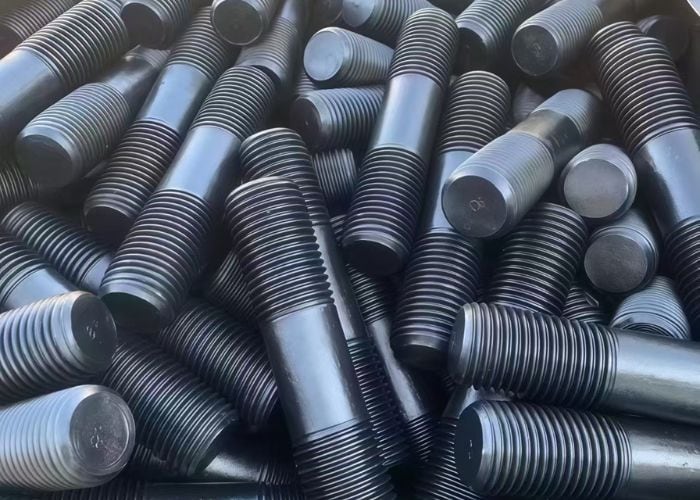
QPQ coating is widely used in industries where components face extreme wear, friction, and corrosion. By combining surface hardness, fatigue resistance, and corrosion protection, QPQ has become a go-to surface treatment for high-load, long-life metal parts.
Automotive & Transportation
In automotive and transportation systems, QPQ is commonly applied to engine, transmission, and braking components. Parts such as camshafts, gears, piston rods, and brake components benefit from surface hardness up to 900–1200 HV and significantly improved fatigue life. In my experience, QPQ-treated drivetrain parts often last 2–3× longer than untreated steel under cyclic loads.
Power Transmission Components
Gears, bearings, bushings, and shafts are ideal candidates for QPQ coating. These components operate under continuous friction and high contact stress. The low friction coefficient and high wear resistance of QPQ reduce scuffing and micro-pitting, improving efficiency and extending service intervals in industrial machinery.
Hydraulic & Pneumatic Systems
Hydraulic valves, piston rods, shock absorbers, and pneumatic cylinders frequently operate in corrosive and high-pressure environments. QPQ provides excellent corrosion resistance while maintaining tight dimensional tolerances, making it suitable for precision sealing surfaces and long-stroke components.
Tooling & Manufacturing Equipment
QPQ is widely used on forging dies, extrusion tools, ejector pins, sleeves, drill bits, and milling cutters. The compound nitrocarburized layer improves surface hardness and resists adhesive wear, reducing downtime caused by tool replacement. Many manufacturers report 30–50% longer tool life after QPQ treatment.
Defense & Firearms
In the defense industry, QPQ is a preferred coating for bolts, barrels, triggers, and other firearm components. It provides corrosion resistance, wear protection, and a uniform black finish without dimensional distortion. This combination makes QPQ suitable for parts exposed to harsh outdoor and high-friction conditions.
Oil, Gas & Chemical Industry
QPQ-coated components such as valves, pumps, manifolds, and connectors are commonly used in oil, gas, and chemical processing. The coating protects steel parts from corrosion, erosion, and chemical attack, improving safety and reducing maintenance costs in aggressive environments.
Medical & Industrial Equipment
QPQ is also applied to selected medical, dental, and industrial equipment components that require corrosion resistance and repeated sterilization. Its stable surface properties help extend part lifespan without relying on thick coatings that could affect fit or function.
Safety, and Environmental Considerations
While QPQ coating delivers excellent wear and corrosion performance, it also introduces technical, safety, and environmental challenges. Understanding these limitations is essential for manufacturers to ensure consistent quality, worker safety, and regulatory compliance.
Safety Considerations
QPQ coating involves high temperatures, molten salt baths, and reactive chemicals. From my experience, strict safety protocols are non-negotiable. Operators must use full PPE (gloves, goggles, masks), and facilities must implement proper ventilation, gas monitoring, and emergency handling procedures. Poor safety management increases the risk of burns, chemical exposure, and equipment-related accidents.
Environmental Considerations
Environmental impact is another key concern. The process generates chemical waste and emissions that must be treated through certified waste management systems. Modern QPQ lines mitigate these risks with closed-loop salt systems, filtration units, and controlled disposal methods. When managed correctly, QPQ is more environmentally responsible than traditional hard chrome plating—but only with proper controls in place.
Future Developments
As QPQ coating continues to evolve, process optimization and future innovations are becoming key drivers of performance, sustainability, and cost efficiency. Understanding where QPQ technology is heading helps engineers and manufacturers make smarter long-term surface treatment decisions.
Future Developments in QPQ Technology
QPQ coating is actively advancing in several important directions:
- Hybrid QPQ Technologies
Laser-assisted and plasma-assisted QPQ processes are being developed to increase surface hardness, wear resistance, and diffusion control. Hybrid systems combining QPQ with PVD or electroplating are also gaining traction.
- Environmentally Friendly QPQ Processes
New water-based and low-toxicity salt bath systems aim to reduce hazardous waste, emissions, and regulatory burden—making QPQ more sustainable and compliant with stricter environmental standards.
- Customized QPQ Solutions
Tailor-made QPQ treatments are increasingly common. By adjusting quenching methods, polishing intensity, and compound layer thickness, QPQ can be customized for aerospace, automotive, tooling, and energy applications.
- Emerging Applications
QPQ is expanding into additive manufacturing and post-processing of 3D-printed metal parts. Research is also exploring controlled QPQ-like treatments for advanced materials and hybrid substrates.
FAQs
What Is QPQ Finish?
QPQ Finish Is A Thermochemical Surface Treatment I Use To Improve Wear Resistance, Corrosion Protection, And Fatigue Life Of Steel Parts. It Combines Salt Bath Nitrocarburizing, Polishing, And Post-Oxidation. In Practice, QPQ Creates A Hard Compound Layer And Diffusion Zone With Surface Hardness Around 900–1200 HV. From My Experience, QPQ Finish Extends Component Service Life By 2–5× While Maintaining Dimensional Change Below 5–10 μm.
Is QPQ The Same As Nitride?
QPQ Is Not The Same As Traditional Nitride, Although Both Are Thermochemical Case-Hardening Processes. I See QPQ As An Enhanced Nitrocarburizing Method That Includes Polishing And A Second Quench. Standard Nitriding Focuses On Hardness Only, While QPQ Improves Hardness, Corrosion Resistance, And Friction Together. QPQ Typically Delivers 5–10× Better Corrosion Resistance Than Conventional Nitriding In Salt Spray Testing.
What Is The Hardness Of QPQ Coating?
The Hardness Of QPQ Coating Typically Ranges From 900 To 1200 HV, Equivalent To About HRC 60–70. In My Projects, This Level Of Surface Hardness Provides Excellent Resistance To Abrasive And Adhesive Wear. The Exact Value Depends On Steel Grade, Process Temperature (Usually 480–630°C), And Time. Compared With Untreated Steel, QPQ Can Increase Surface Hardness By More Than 3–4×.
What Does QPQ Stand For?
QPQ Stands For Quench Polish Quench. It Describes The Three Key Stages Of The Process I Work With: Initial Nitrocarburizing And Quenching, Surface Polishing, And A Final Quench With Oxidation. Each Step Has A Functional Purpose—Hardening, Smoothing, And Corrosion Sealing. Together, These Steps Deliver A Balanced Surface Treatment That Improves Wear Resistance, Fatigue Strength, And Corrosion Performance In One Process.
Conclusion
QPQ coating is a proven thermo-chemical surface treatment that significantly improves wear resistance, corrosion protection, fatigue strength, and service life of steel components. By combining nitrocarburizing, polishing, and quenching, it delivers high surface hardness (≈900–1200 HV) with minimal dimensional change.
At TiRapid, we apply QPQ coating with strict process control and in-house quality inspection to ensure stable hardness, uniform layers, and repeatable results. From precision machined prototypes to high-volume production parts, we help customers achieve durable, reliable performance while maintaining tight tolerances and long-term cost efficiency.