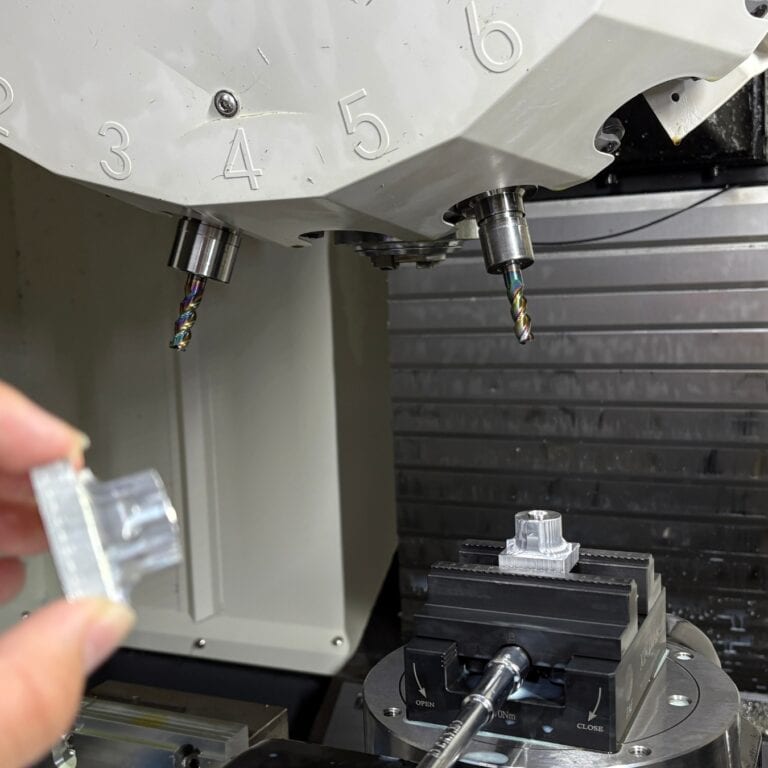
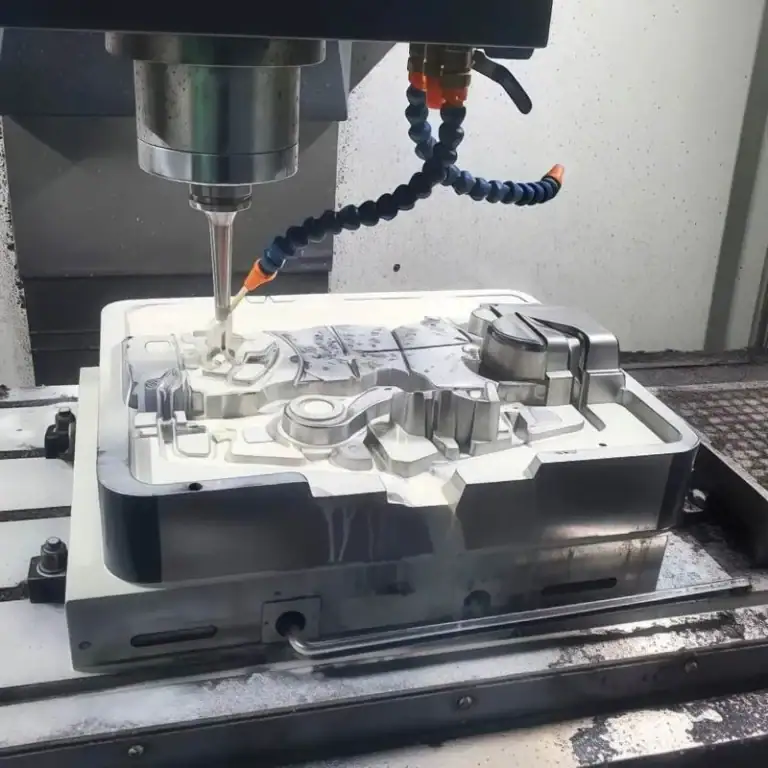
Aerospace CNC machining delivers ultra-precise components for aircraft and space systems, where safety and accuracy are non-negotiable. From engines to structural parts, this guide explains processes, materials, challenges, and why CNC machining is essential in aerospace manufacturing.
What Is Machining Aerospace Parts
Machining aerospace parts refers to the high-precision CNC manufacturing of critical components used in aircraft and space systems. These parts require tight tolerances, certified materials, and strict quality control to meet aerospace safety and performance standards.
Machining aerospace parts involves producing precision components for aircraft, satellites, and spacecraft using advanced CNC technologies. These parts range from small bushings and hinges to complex structural brackets, engine housings, and flight-critical assemblies.
Unlike general CNC machining, aerospace machining demands far tighter tolerances—often ±0.01 mm or tighter—along with full material traceability and compliance with standards such as AS9100 and ISO 9001. Even minor dimensional deviations can compromise safety, reliability, or system performance.
From my production experience, aerospace customers typically require certified aluminum alloys (6061, 7075), titanium alloys (Ti-6Al-4V), stainless steels, and specialty materials like Kovar. Each material presents unique machining challenges, including heat control, tool wear, and surface integrity, which must be addressed through optimized cutting strategies and inspection processes.
In short, machining aerospace parts is not just about removing material—it is about controlled, repeatable manufacturing under strict regulatory oversight.
Why Precision Matters in Machining Aerospace Parts
In machining aerospace parts, precision is not optional—it is mandatory. Even micron-level deviations can compromise safety, performance, and certification. Tight tolerances, repeatability, and compliance are the foundation of reliable aerospace manufacturing.
Safety-Critical Aerospace Parts
Many aerospace components belong to safety-critical systems such as engines, landing gear, and flight control assemblies. A dimensional error as small as 0.02 mm can lead to misalignment, excessive vibration, or premature fatigue failure. In my experience, aerospace machining often targets tolerances of ±0.01 mm or tighter to ensure operational safety under extreme loads, temperatures, and vibration.
Tight Tolerances and Long-Term Reliability
Aircraft and spacecraft parts must perform reliably for thousands of flight hours. Precision machining ensures perfect fit between mating components, reducing friction, minimizing wear, and improving fuel efficiency. CNC machining enables consistent repeatability across batches, which is critical for global fleets where interchangeable parts must perform identically during maintenance and replacement.
Aerospace Standards and Certifications (AS9100 / ISO)
Aerospace machining is governed by strict standards such as AS9100 and ISO 9001. These certifications require full traceability, documented process control, and validated inspection results. Failure to meet tolerance or quality requirements can result in part rejection, costly recalls, or regulatory penalties from authorities like the FAA or EASA. Precision machining is therefore essential not only for performance—but for compliance.
Typical Aerospace Parts Manufactured by CNC Machining
CNC machining aerospace parts covers a wide range of safety-critical components used in aircraft and space systems. From load-bearing structures to precision engine parts, CNC machining ensures repeatability, tight tolerances, and compliance with aerospace standards.
Structural Aerospace Parts
Structural aerospace parts form the mechanical backbone of an aircraft. These include frames, ribs, spars, brackets, and other load-bearing components that must withstand extreme forces, vibration, and fatigue over long service lives.
In my experience, these parts often require tolerances within ±0.01 mm and are commonly machined from aluminum alloys, titanium, or high-strength steels. Precision CNC machining ensures dimensional consistency across batches, which is critical for airframe integrity and fleet-wide maintenance.
Engine and Powertrain Aerospace Parts
Engine and powertrain components include turbine blades, housings, engine mounts, pylons, and fuel system parts. These parts operate under high temperatures, pressure, and rotational loads, making material selection and machining accuracy essential.
Complex geometries, thin walls, and tight surface finish requirements (often Ra ≤ 0.8 µm) are common. CNC machining enables stable production of these parts while meeting performance and safety demands.
Tail, Control, and Flight System Parts
Tail and flight control parts include stabilizer structures, rudders, elevators, and control linkages. These components directly affect aircraft stability, pitch, and directional control.
Smooth motion, precise fit, and balanced weight distribution are critical. CNC machining allows consistent production of these components with minimal variation, ensuring reliable aerodynamic performance.
Doors, Hatches, and Aerospace Enclosures
Doors, access panels, landing-gear hatches, and equipment enclosures must seal perfectly while withstanding pressure differences and mechanical stress during flight.
These parts often look simple but demand extremely tight flatness, edge quality, and sealing accuracy. CNC machining ensures precise mating surfaces and repeatable quality, reducing leakage and safety risks.
Interior and Cabin Aerospace Components
Interior aerospace components include seat tracks, mounting brackets, clamps, and support structures inside the cabin and cockpit. Although smaller, many of these parts are still safety-relevant.
CNC machining enables lightweight designs while maintaining strength, helping reduce overall aircraft weight without compromising structural integrity.
Spacecraft and Satellite Machined Parts
CNC machining is widely used for spacecraft, satellite, and rocket components such as structural frames, housings, thermal management parts, and precision mounts.
These parts often require extreme accuracy, complex geometries, and strict material traceability. CNC machining supports both prototyping and low-volume production where reliability is non-negotiable.
CNC Machining Processes for Aerospace Parts
Aerospace CNC machining relies on highly controlled processes to achieve extreme precision, repeatability, and surface integrity. From simple housings to complex turbine blades, the right machining method directly impacts safety, performance, and certification compliance.
3-Axis CNC Machining for Aerospace Parts
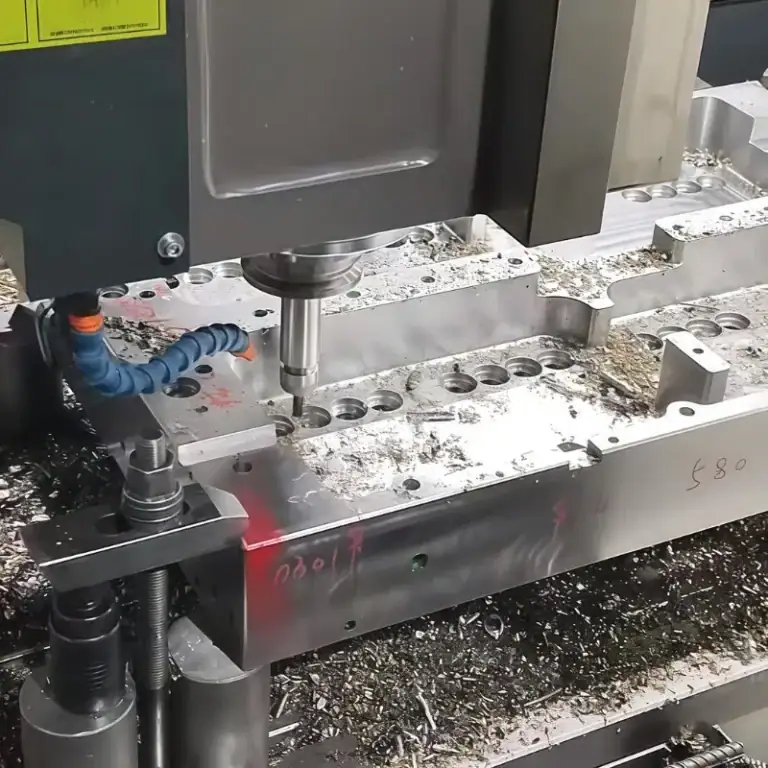
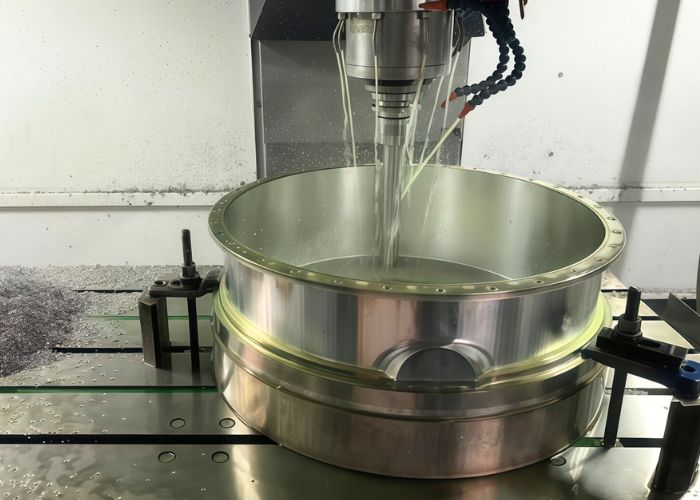
3-axis CNC machining is widely used for aerospace parts with relatively simple geometries and features on fewer faces. It is cost-effective and efficient for machining brackets, housings, fuel system components, and landing gear parts.
In practice, I often use 3-axis machining for roughing and high material removal, where stability and repeatability matter more than multi-angle access. It delivers consistent tolerances while keeping tooling and setup costs under control.
5-Axis CNC Machining for Complex Aerospace Parts
5-axis CNC machining is essential for aerospace components with complex contours, undercuts, or features on multiple sides. Turbine blades, impellers, engine mounts, and structural parts benefit greatly from this process.
By machining multiple faces in a single setup, 5-axis machining reduces repositioning errors, improves surface finish, and shortens lead time. In my experience, it is the most reliable way to meet tight tolerances on geometrically demanding aerospace parts.
Precision CNC Turning for Aerospace Components
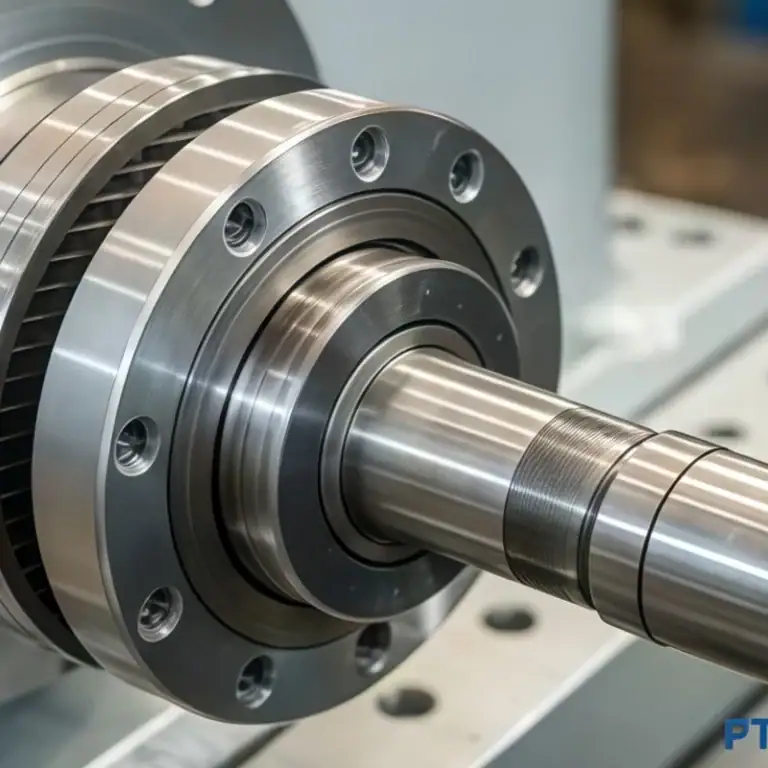
CNC turning is used for cylindrical and rotational aerospace parts such as shafts, pins, bushings, fasteners, and threaded components. The workpiece rotates while the cutting tool remains stationary, enabling excellent concentricity and surface control.
With automated CNC lathes, aerospace suppliers can produce high volumes of identical parts with stable dimensional accuracy—critical for interchangeability and global fleet maintenance.
CNC Grinding and Precision Finishing
CNC grinding is applied when aerospace parts require exceptional surface quality without altering tight tolerances. Bearings, shafts, and friction-critical components often rely on grinding to achieve smooth operation and long service life.
Automated grinding systems improve part-to-part consistency, which is especially important for aerospace assemblies exposed to vibration, heat, and continuous motion.
Hybrid Manufacturing (CNC + Additive)
Hybrid manufacturing combines CNC machining with additive manufacturing (3D printing). Additive processes create near-net-shape or lightweight internal structures, while CNC machining refines critical surfaces and tolerances.
I see this approach increasingly used for aerospace prototyping, complex internal channels, and weight-optimized designs—where design freedom and machining precision must work together.
Materials Commonly Used in Machining Aerospace Parts
Aerospace components demand materials that balance strength, weight, thermal stability, and long-term reliability. In CNC machining for aerospace parts, material choice directly affects tolerances, fatigue life, corrosion resistance, and compliance with strict industry standards. Below is a clear overview of the most commonly machined aerospace materials and why they are selected.
| Material Category | Typical Grades | Key Properties | Common Aerospace Applications |
| Aluminum Alloys | 6061, 6063, 7075, 2024 | Lightweight, high strength-to-weight ratio, excellent machinability | Structural brackets, housings, frames, interior components |
| Stainless & High-Strength Steels | 17-4PH, 15-5PH, 4130, 4340 | High strength, corrosion resistance, fatigue durability | Fasteners, shafts, landing gear parts, load-bearing components |
| High-Performance Polymers | PEEK, PTFE, PPS, Ultem | Lightweight, heat-resistant, chemically stable, insulating | Electrical housings, bushings, seals, interior assemblies |
| Composite & Hybrid Materials | CFRP, GFRP, metal–composite hybrids | Ultra-lightweight, high stiffness, vibration damping | Panels, structural reinforcements, aerospace interior structures |
Key Challenges in Machining Aerospace Parts
Machining aerospace parts demands extreme precision, consistency, and material control. Tight tolerances, difficult materials, and strict quality standards make process stability and experience critical for reliable aerospace manufacturing.
Machining Hard-to-Cut Aerospace Materials
Aerospace materials such as titanium alloys, Inconel, and high-strength steels have low machinability and high cutting forces. They tend to cause work hardening and rapid tool wear, requiring optimized tool geometry and cutting strategies.
Heat Management and Tool Wear
Poor heat dissipation can lead to thermal deformation and shortened tool life. High-speed cutting, coated carbide tools, and advanced cooling methods are essential to maintain accuracy and surface integrity.
Consistency Across Aerospace Production Batches
Batch-to-batch consistency is critical for interchangeable aerospace parts. Variations in material lots, tool wear, or process parameters can affect tolerances, making strict process control and inspection mandatory.
Quality Control for Aerospace Parts Machining
Quality control is a non-negotiable element in machining aerospace parts, where even micron-level deviations can compromise safety, performance, and certification. Aerospace components must meet strict dimensional, material, and documentation requirements to ensure reliability across long service lifecycles and global fleets.
Dimensional Inspection and CMM Testing
Aerospace machining relies heavily on CMM inspection, laser scanning, and optical measurement to verify tight tolerances, often within ±0.005–0.01 mm. These methods ensure critical features such as mating surfaces, bore alignment, and aerodynamic profiles meet design intent.
Full Traceability and Process Documentation
Every aerospace part must be traceable—from raw material heat number to machining parameters and inspection records. This documentation supports audits, root-cause analysis, and long-term fleet maintenance requirements.
Compliance with Aerospace Quality Standards
Certified systems such as AS9100 ensure repeatability, risk control, and process discipline beyond general ISO standards. Working with a compliant supplier reduces regulatory risk and ensures parts are accepted by OEMs and Tier-1 suppliers.
Cost Factors in Machining Aerospace Parts
The cost of machining aerospace parts is driven not only by machining time, but also by material behavior, process complexity, quality requirements, and certification overhead. Balancing precision with cost efficiency is critical to keeping aerospace projects commercially viable.
Material Cost and Scrap Control
Aerospace materials such as titanium and nickel superalloys are expensive and difficult to machine. Optimized toolpaths, fixture design, and process planning help reduce scrap rates and improve material utilization.
Machining Complexity and Cycle Time
Multi-axis machining, tight tolerances, and complex geometries increase cycle time and tooling costs. Advanced CAM strategies and automation are often required to maintain efficiency without sacrificing quality.
Prototype vs Production Cost Optimization
Prototype parts prioritize speed and flexibility, while production focuses on repeatability and cost reduction. A capable aerospace machining partner can optimize both without redesigning the part.
Machining Aerospace Parts for Prototyping and Production
CNC machining plays a critical role throughout the aerospace product lifecycle, supporting rapid prototyping, qualification builds, and certified production. Using the same machining process for prototypes and production helps reduce risk and accelerate time to market.
Rapid Prototyping for Aerospace Part Validation
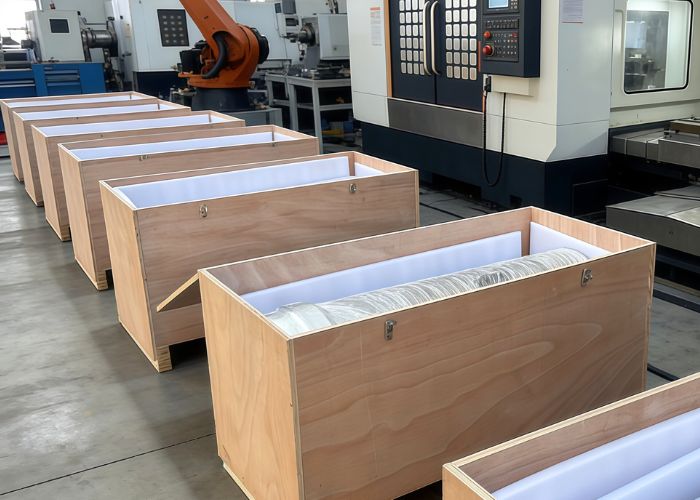
CNC machining enables fast turnaround prototypes using production-grade materials. This allows engineers to validate form, fit, and function before committing to tooling or large-scale production.
Low-Volume, High-Mix Aerospace Production
Many aerospace programs require small batches with frequent design updates. CNC machining excels in this environment, delivering flexibility without sacrificing dimensional accuracy.
Scaling from Prototype to Certified Production
Once designs are frozen, CNC machining supports seamless scaling to production while maintaining consistency, documentation, and certification compliance.
Future Trends in Machining Aerospace Parts
The aerospace industry continues to push machining technologies toward higher precision, greater automation, and smarter manufacturing systems. These trends aim to improve efficiency while meeting rising performance and sustainability demands.
Advanced 5-Axis Machining and Automation
Simultaneous 5-axis machining reduces setups, improves surface quality, and enables complex geometries. Automation further enhances consistency and lowers labor dependency.
Digital Manufacturing and Smart Aerospace Factories
Data-driven machining, real-time monitoring, and closed-loop inspection systems improve process control and reduce defects across production runs.
Hybrid and Multi-Process Machining Solutions
Combining CNC machining with additive manufacturing and advanced finishing allows greater design freedom while maintaining aerospace-grade precision.
How to Choose a Reliable Partner for Machining Aerospace Parts
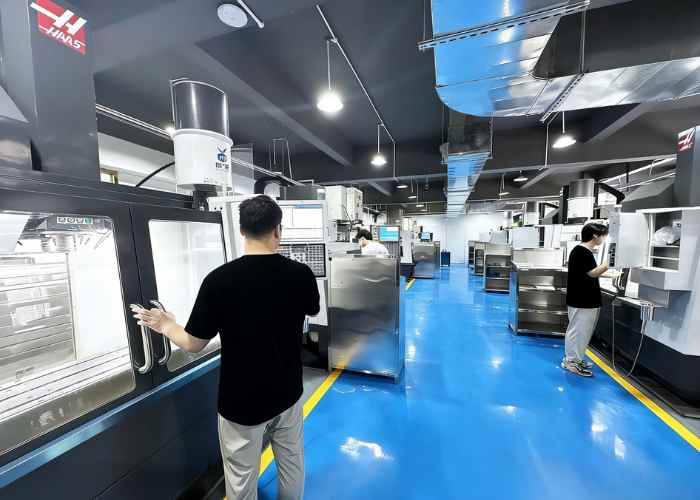
Selecting the right machining partner is critical to aerospace project success. Beyond equipment, suppliers must demonstrate experience, robust quality systems, and the ability to manage complex, high-risk components.
Proven Experience in Machining Aerospace Parts
Hands-on experience with aerospace materials, tolerances, and documentation requirements reduces risk and shortens development cycles.
Certifications and Quality Systems
AS9100 certification, controlled processes, and audit readiness are essential indicators of a reliable aerospace machining supplier.
Capability for Complex and Tight-Tolerance Parts
The ability to machine complex geometries, difficult materials, and ultra-tight tolerances consistently is what separates general CNC shops from true aerospace partners.
FAQs
What Makes Machining Aerospace Parts Different From Standard CNC Machining?
Machining aerospace parts requires significantly tighter tolerances, stricter quality control, and full traceability compared to general CNC machining. Aerospace components are often safety-critical and must comply with standards such as AS9100, making material control, documentation, and repeatability essential.
What Tolerances Are Common in Aerospace CNC Machining?
Aerospace machining commonly requires tolerances between ±0.01 mm and ±0.002 mm, depending on the component and application. Critical features such as mating surfaces, bearing fits, and aerodynamic profiles demand extreme accuracy to ensure performance and safety.
Which Materials Are Most Difficult When Machining Aerospace Parts?
Titanium alloys, nickel-based superalloys (such as Inconel), and certain hardened steels are among the most challenging aerospace materials to machine. These materials generate high heat, cause rapid tool wear, and often require advanced tooling, optimized cutting strategies, and high-pressure cooling systems.
How Is Quality Verified for Machined Aerospace Parts?
Quality verification typically includes CMM inspection, surface roughness measurement, material certification, and process documentation. Many aerospace projects also require First Article Inspection (FAI) reports and full lot traceability to meet regulatory and customer requirements.
Can CNC Machining Support Both Aerospace Prototyping and Production?
Yes. CNC machining is widely used for both rapid aerospace prototyping and certified production. Prototypes benefit from fast iteration and material consistency, while production runs rely on CNC machining’s repeatability, automation, and ability to scale without compromising precision.
How Do I Choose a Reliable Supplier for Machining Aerospace Parts?
A reliable aerospace machining partner should demonstrate proven aerospace experience, AS9100 or equivalent certification, advanced multi-axis capabilities, and strong quality control systems. The ability to machine complex geometries and manage tight tolerances consistently is critical.
Conclusion
Machining aerospace parts demands extreme precision, certified materials, and strict quality control at every stage.CNC machining delivers the accuracy, repeatability, and reliability required for flight-critical components.From prototyping to certified production, the right processes and materials minimize risk and ensure compliance.
Choosing an experienced aerospace machining partner is essential to achieving safe, consistent, and high-performance results.