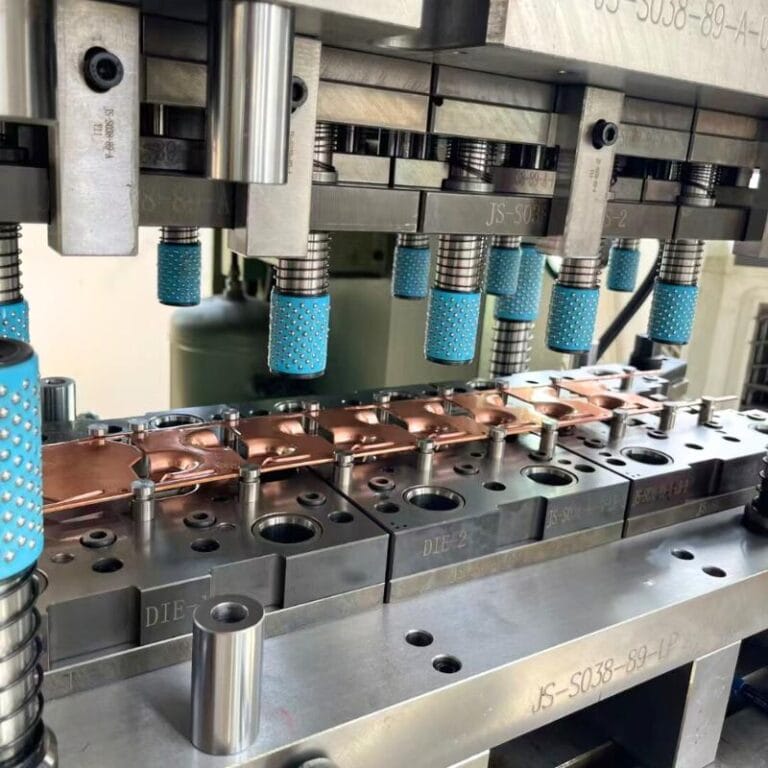
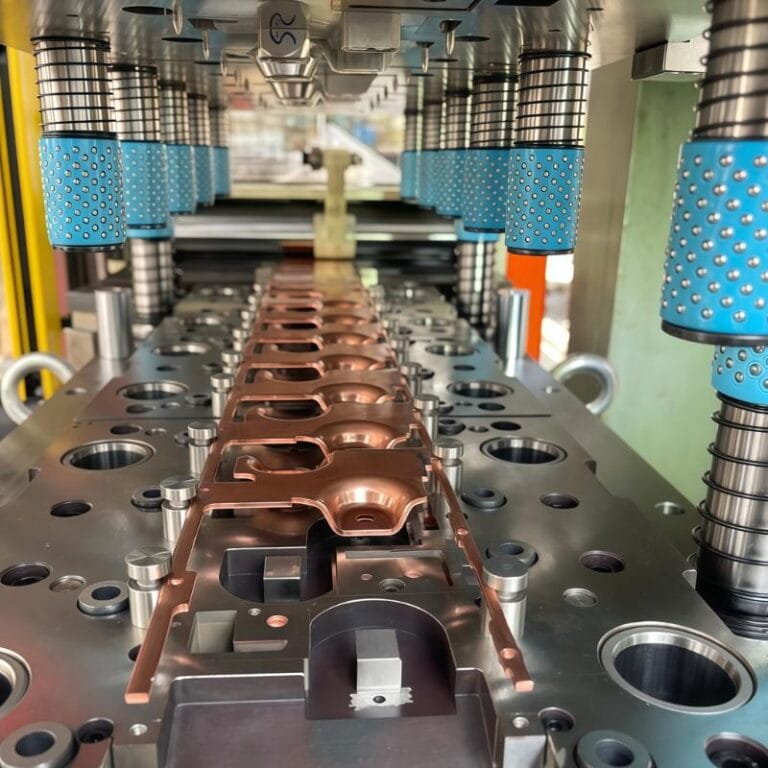
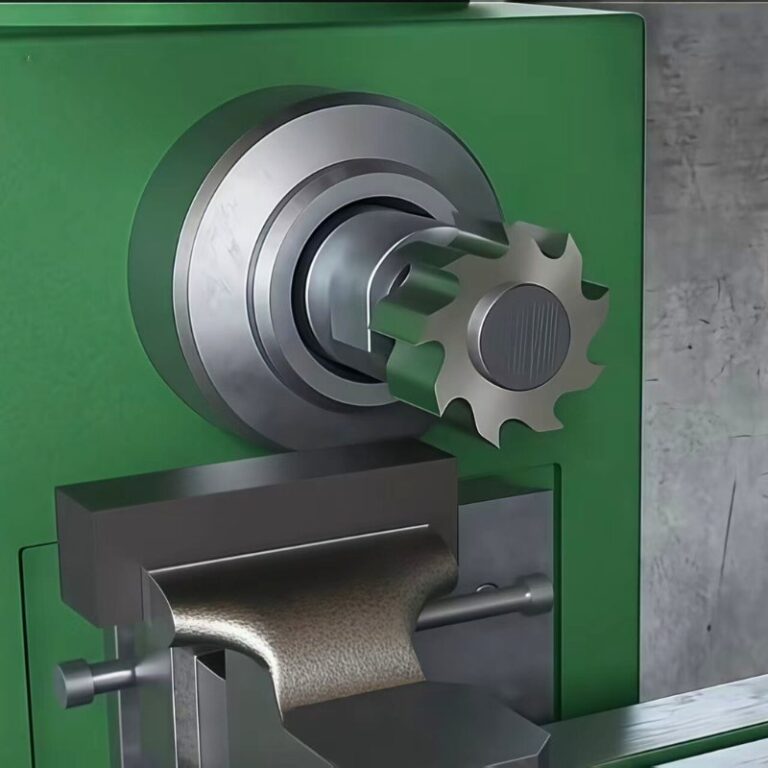
Metal stamping is one of the most efficient ways to produce precision metal parts at scale. However, different types of stamping processes are designed for specific materials, part geometries, and
Hardness is a key factor in evaluating the performance of materials in engineering, manufacturing, and product design. It indicates a material’s ability to resist deformation, which is critical for durability
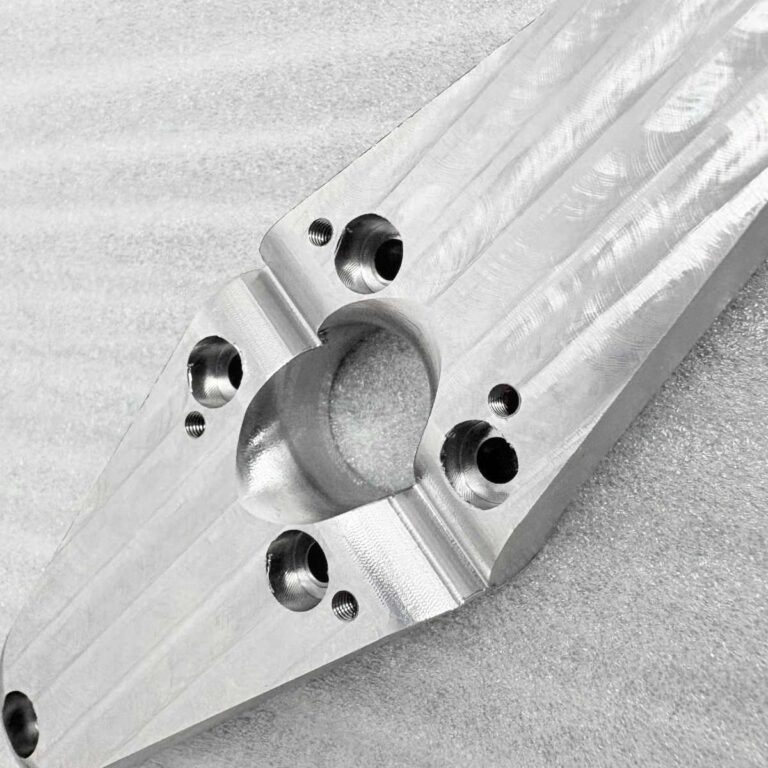
Blind holes are commonly used in mechanical processing, where the hole doesn’t go through the entire workpiece. They are critical in industries like mold making, automotive, aviation, and medical fields,
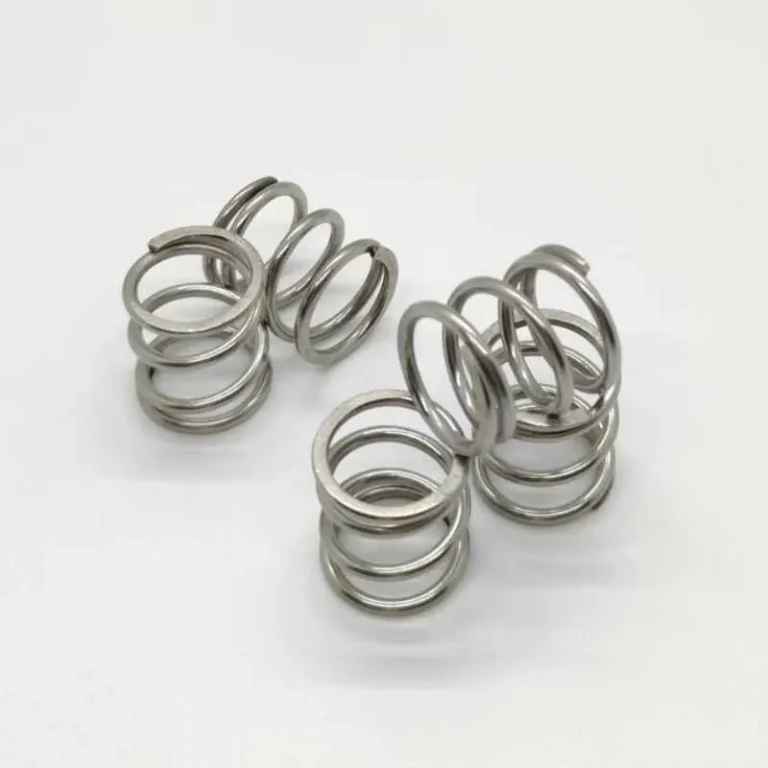
Springs are essential mechanical elements used to store energy, absorb shock, and control movement across countless products. Understanding the types of springs and applications helps engineers choose the right design,
In CNC machining, Acetal vs Delrin is a key comparison for precision parts. Both offer strength, low friction, and stability, but differ in structure and performance. This guide helps you
Stamping is a widely used manufacturing process for producing metal parts efficiently and at scale. Understanding what is stamping helps engineers and buyers decide when it is the right choice
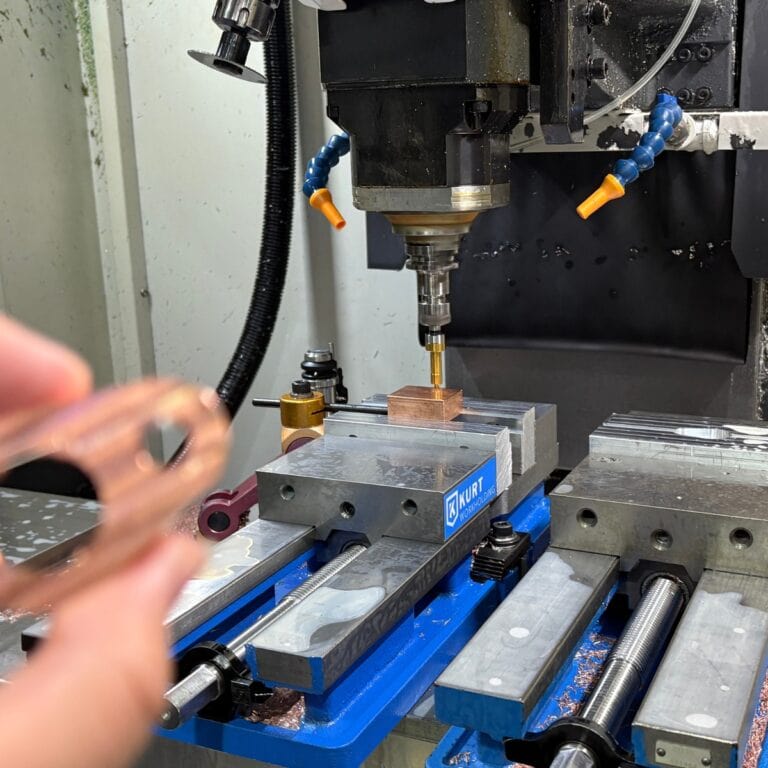
Copper CNC machining may seem straightforward due to copper’s softness, but its high ductility and thermal conductivity lead to unique machining behaviors. From pure copper to free-machining alloys, each material
The First Article Inspection Report (FAIR) is an essential process in ensuring that CNC machined parts align with design specifications. It is crucial for industries with strict standards, such as
In engineering design, material selection goes beyond strength and durability. One critical but often misunderstood property is the stiffness of material, which defines how much a material resists deformation under
Up milling and down milling are two fundamental CNC milling methods defined by cutter rotation and feed direction. Understanding what is up milling and down milling helps engineers choose the
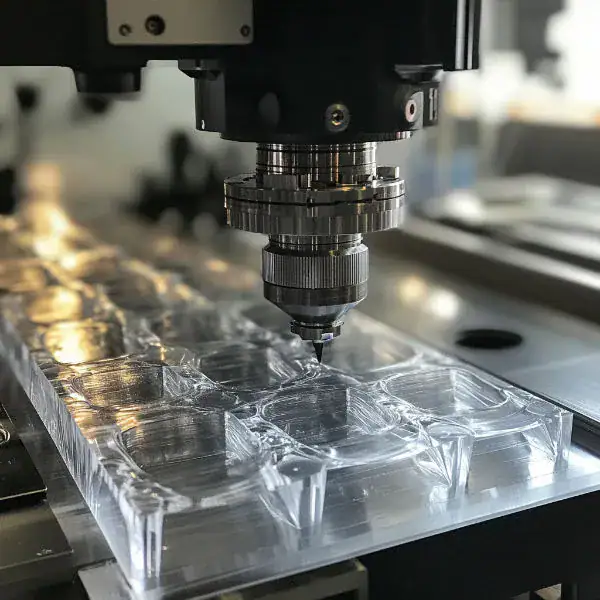
Machining polycarbonate (PC) is a key CNC process for plastic parts requiring high impact resistance, optical clarity, and dimensional stability. CNC machining polycarbonate is widely used for machine guards, transparent
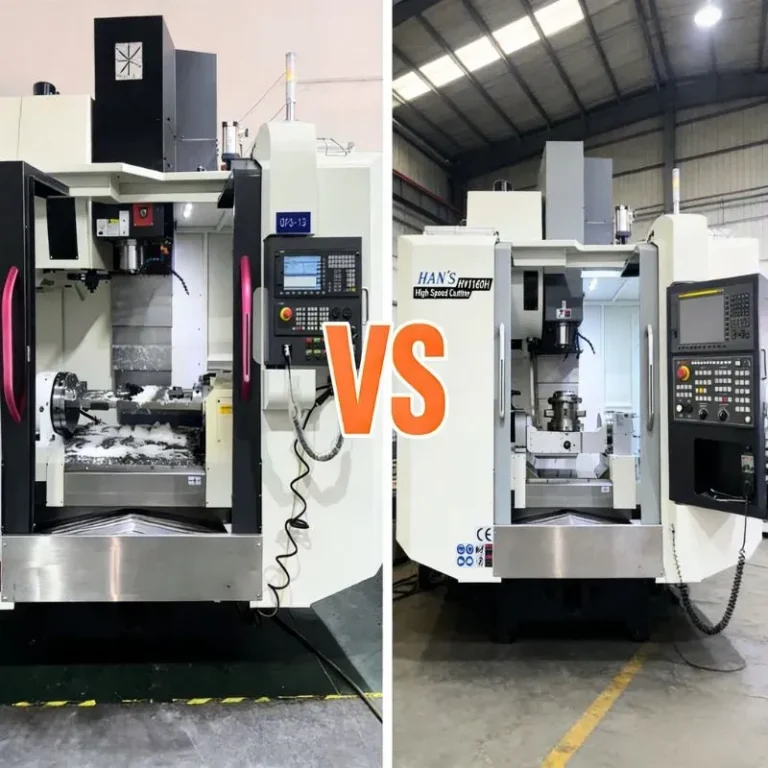
When engineers compare 4 axis vs 5 axis CNC machining, the decision goes far beyond machine capability and directly impacts accuracy, process stability, cost, and production risk.Axis selection influences manufacturing
Scroll to Top
Your 24 hour quote
Send us a message if you have any questions or request a quote. We will be back to you within 1-2 hours!