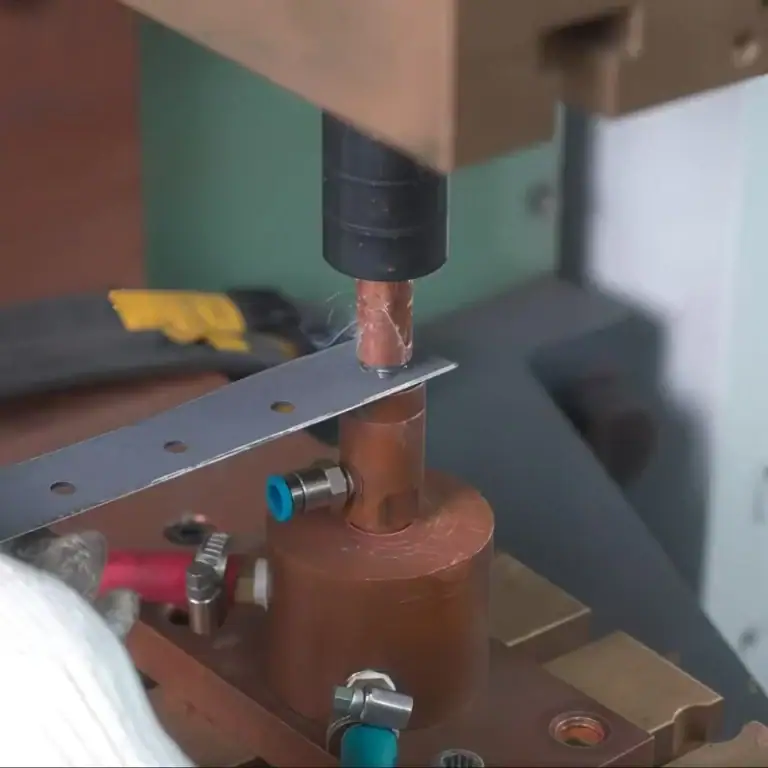
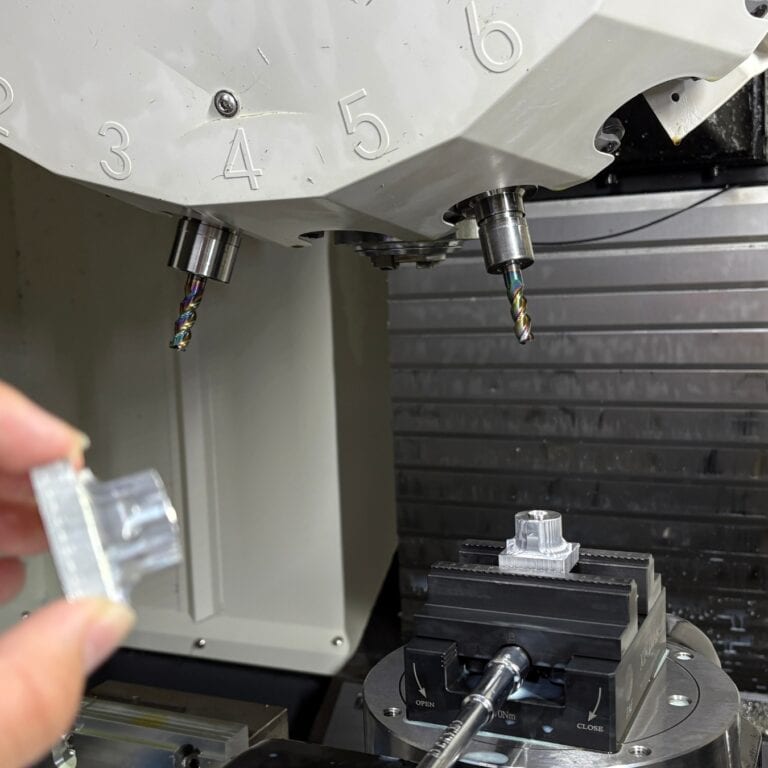
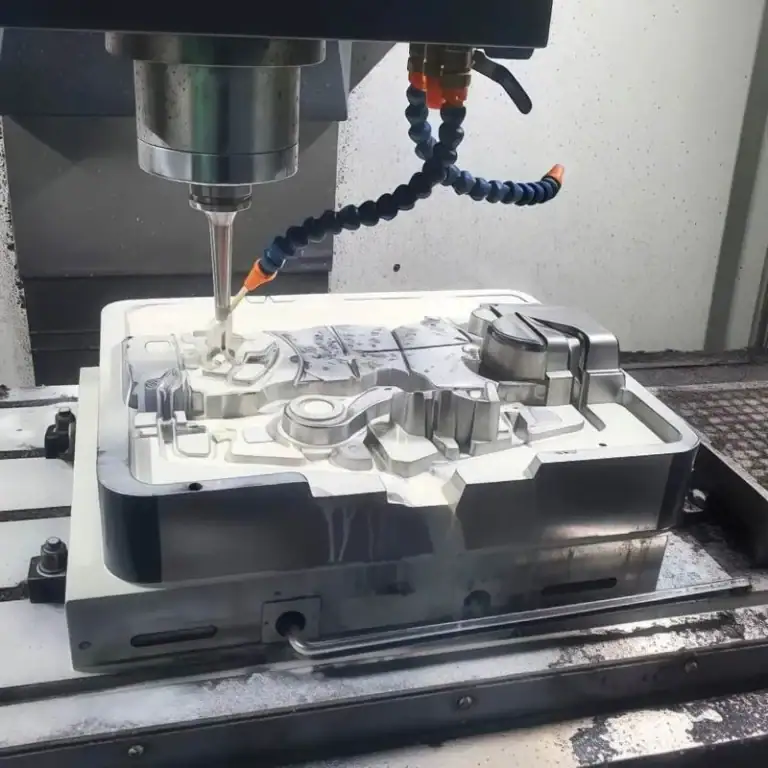
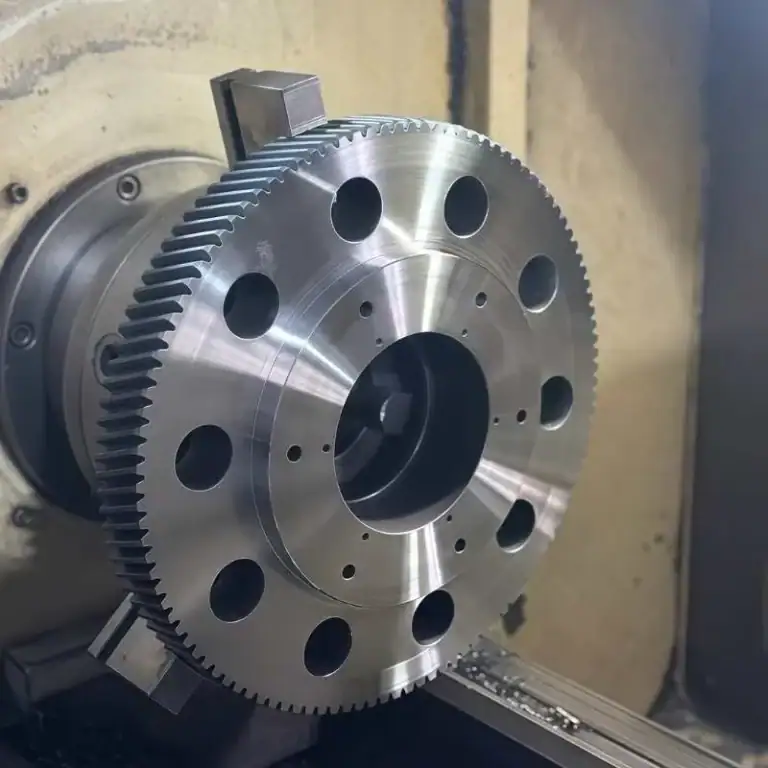
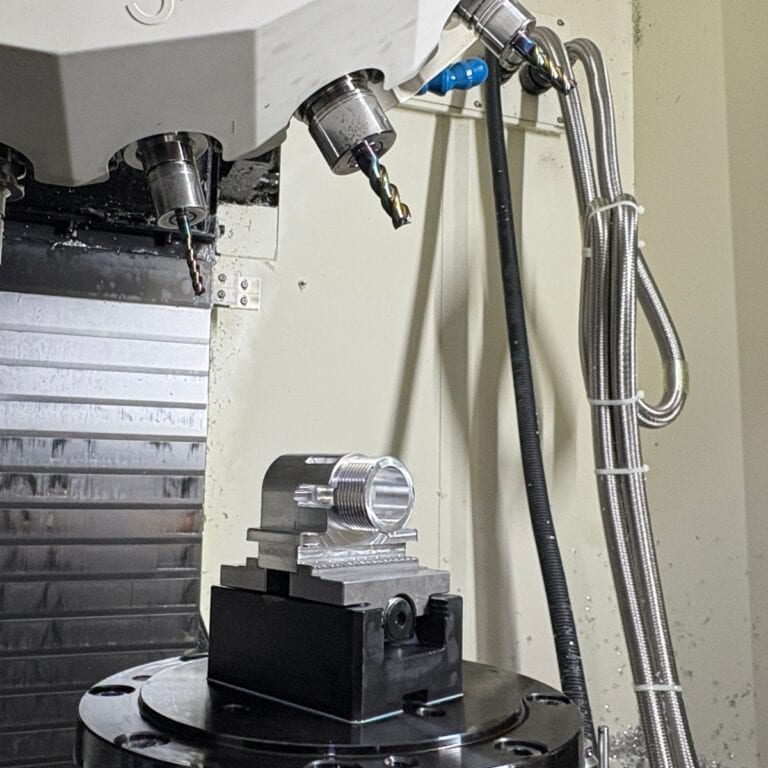
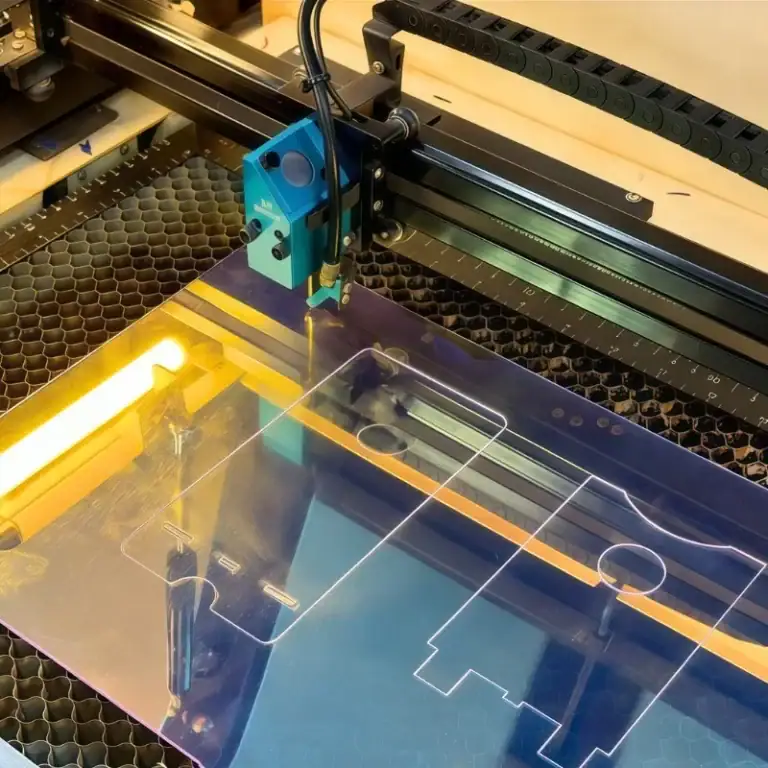
Stamping is a widely used manufacturing process for producing metal parts efficiently and at scale. Understanding what is stamping helps engineers and buyers decide when it is the right choice for cost, precision, and production volume. By using dies and controlled force, stamping can cut, bend, and form sheet metal with high repeatability and minimal waste.
In this guide, I explain how stamping works, what materials are commonly used, and when stamping is the most effective manufacturing solution.
What Is Stamping?
Stamping is a manufacturing process used to form metal parts by applying controlled force through dies and presses. From an engineering perspective, stamping is designed for speed, consistency, and scalability in mass production.
Stamping, also known as metal stamping or press forming, is a metal forming process that shapes sheet metal by forcing it into a die using mechanical, hydraulic, or servo presses. Unlike CNC machining, which removes material, stamping relies on plastic deformation, allowing parts to be formed quickly with minimal material waste.
In practical manufacturing, stamping typically works with sheet metals between 0.3mm and 6mm thick, including carbon steel, stainless steel, aluminum, copper, and brass. Depending on the tooling design, a single stamping operation may include blanking, piercing, bending, embossing, or shallow drawing, often combined in a progressive die.
From my experience, stamping becomes especially valuable when production volume is high. Once tooling is completed, presses can produce hundreds of parts per minute, delivering extremely consistent dimensions across large batches. This level of repeatability is difficult to achieve with cutting-based processes at the same cost.
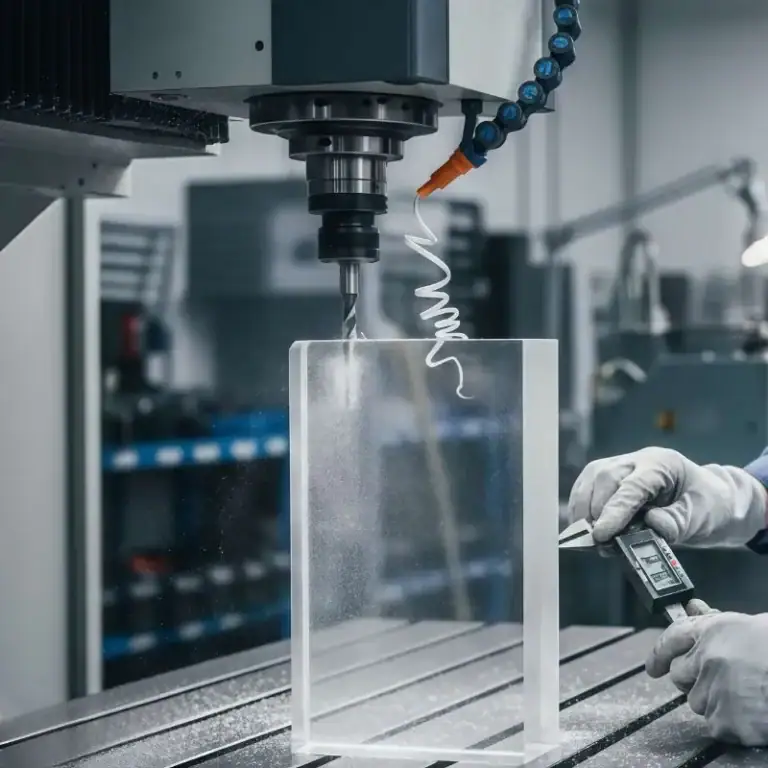
I often see stamping used after a design has been validated through CNC machining or laser cutting. Once geometry and tolerances are confirmed, switching to stamping allows manufacturers to reduce unit cost dramatically while improving production stability. That is why stamping is widely adopted in automotive components, electrical terminals, appliance housings, and industrial brackets.
What Is Metal Stamping?
Metal stamping is a manufacturing process that forms sheet metal parts using dies and presses. From an engineering perspective, it is designed for speed, consistency, and cost efficiency in high-volume production.
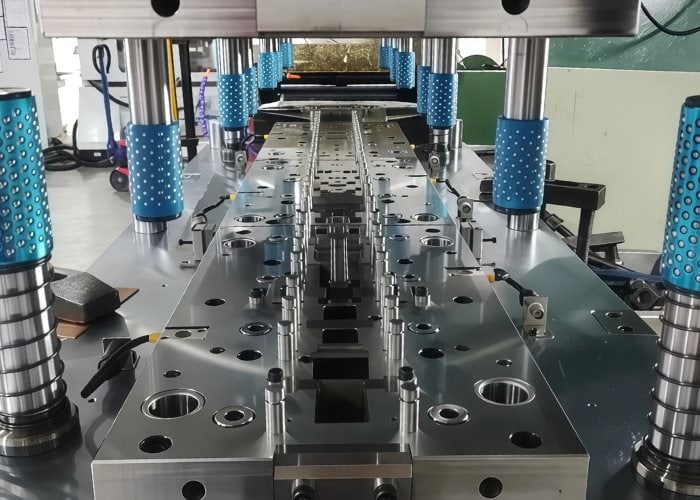
Metal stamping, also known as metal pressing, is a sheet metal forming process that shapes metal by applying controlled force rather than removing material. The process relies on plastic deformation, allowing flat metal sheets to be transformed into functional parts with minimal waste.
In practical manufacturing, metal stamping typically works with materials such as carbon steel, stainless steel, aluminum, copper, and brass, usually in thicknesses ranging from 0.3mm to 6mm. Depending on the die design, stamping can perform multiple operations—including blanking, piercing, bending, embossing, and shallow drawing—often within a single press cycle.
From my experience, metal stamping becomes especially valuable once a product design is stable and demand is predictable. After tooling is completed, presses can produce hundreds of parts per minute, delivering excellent dimensional consistency across large production runs. This makes stamping a preferred solution for automotive components, electrical terminals, appliance housings, and industrial brackets.
However, stamping is not intended for rapid design changes or low-volume production. Its strength lies in repeatable, long-term manufacturing, where tooling investment can be amortized over large quantities to achieve very low unit cost.
What Is The Stamping Process? Step-By-Step Overview
The stamping process follows a structured sequence that transforms flat sheet metal into finished parts at high speed. Understanding each step helps engineers evaluate feasibility, cost efficiency, and production scalability.
Step 1: Material Selection And Preparation
The stamping process begins with selecting the appropriate sheet metal material, commonly carbon steel, stainless steel, aluminum, copper, or brass. Thickness typically ranges from 0.3mm to 6mm, depending on part strength and forming limits. Sheets may be supplied as coils or blanks and are often pre-lubricated to reduce friction and tool wear.
Step 2: Feeding The Material Into The Press
The sheet metal is fed into the stamping press either manually (for low-volume jobs) or automatically using coil feeders and straighteners. In high-volume production, automated feeding ensures precise positioning and supports cycle speeds exceeding 100 strokes per minute.
Step 3: Punching And Forming Operations
Once positioned, the press applies force through a punch, driving the material into the die cavity. At this stage, multiple operations may occur, including:
- Blanking(cutting the outer shape)
- Piercing(creating holes)
- Bending(forming angles or flanges)
- Embossing (adding features or markings)
- Shallow drawing(adding depth)
In progressive dies, these actions occur across multiple stations during a single press cycle.
Step 4: Ejection And Part Separation
After forming, the stamped part is ejected from the die, while scrap material is separated automatically. In progressive systems, finished parts exit continuously as the strip advances with each stroke.
Step 5: Secondary Processing And Inspection
Depending on application requirements, stamped parts may undergo deburring, surface treatment, heat treatment, or plating. Dimensional inspection and quality checks ensure consistency, especially for tight-tolerance or safety-critical components.
From my experience, once this workflow is stabilized, stamping delivers unmatched repeatability. I often see customers transition to this process after CNC prototyping, achieving both cost reduction and production reliability at scale.
What Is A Stamping Press And How Does It Function?
A stamping press is the core machine that drives the metal stamping process by applying controlled force to form sheet metal. Understanding how a stamping press functions helps engineers select the right press type, tonnage, and speed for production.
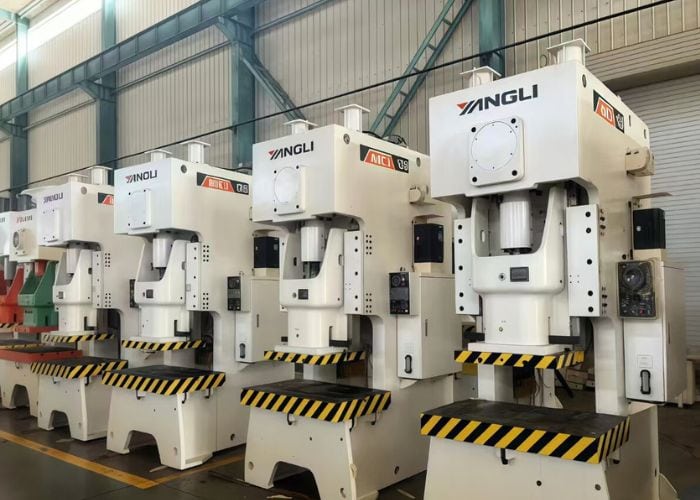
A stamping press is a mechanical system designed to deliver precise force, speed, and stroke control to shape sheet metal using dies. At its core, the press converts energy into vertical motion, driving a punch into a die to plastically deform metal.
In practical manufacturing, a stamping press consists of several key components:
- Frame– Provides structural rigidity and absorbs forming loads
- Ram (Slide)– Moves vertically to apply force
- Die Set– Contains the punch and die cavity
- Drive System– Mechanical, hydraulic, or servo-based
- Control System– Regulates stroke, speed, and force
Stamping presses are typically classified into mechanical presses, hydraulic presses, and servo presses. Mechanical presses excel in high-speed production, often operating at 100–600 strokes per minute, making them ideal for progressive dies. Hydraulic presses provide adjustable force throughout the stroke and are preferred for deep drawing or complex forming. Servo presses offer programmable motion profiles, combining flexibility with precision for advanced applications.
Common Types Of Metal Stamping Processes
Metal stamping includes several forming and cutting processes, each suited to specific geometries, materials, and production goals. Understanding these common stamping types helps engineers select the most efficient and cost-effective manufacturing approach.
Blanking
Blanking is the process of cutting a flat shape from sheet metal, where the cut-out piece becomes the final part. It is often the first operation in stamping and is widely used for brackets, washers, and plates. From my experience, blanking offers high dimensional consistency and supports extremely fast cycle times in progressive dies.
Piercing
Piercing creates holes or slots in sheet metal using a punch and die. Unlike drilling, piercing produces clean holes at high speed without generating chips. I frequently see piercing used for electrical terminals and mounting features, especially when tight hole-to-edge spacing is required.
Bending
Bending forms angles, flanges, or channels by plastically deforming the metal along a straight axis. This process is essential for structural strength and assembly fit. In production, bending is often integrated with blanking and piercing to minimize secondary operations.
Embossing
Embossing adds raised or recessed features, such as logos, ribs, or identification marks. From a functional standpoint, embossing improves stiffness without increasing material thickness. I often recommend embossing when parts require reinforcement or traceability.
Drawing (Shallow Drawing)
Drawing transforms flat sheet metal into shallow, cup-like shapes by pulling material into a die cavity. This process is common in housings, covers, and enclosures. While deeper draws require careful material control, shallow drawing is highly efficient in stamping-based production.
Progressive Stamping
Progressive stamping combines multiple operations—blanking, piercing, bending, and forming—into a single die set. With each press stroke, the material advances to the next station. In my projects, progressive dies are the backbone of high-volume production, achieving hundreds of finished parts per minute with excellent repeatability.
What Materials Are Commonly Used In Metal Stamping?
Material selection plays a critical role in metal stamping performance, cost, and part reliability. From an engineering perspective, the right material balances formability, strength, corrosion resistance, and production efficiency.
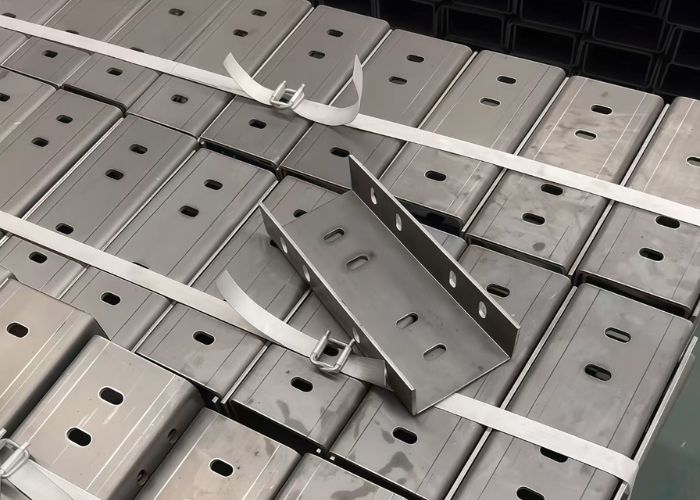
Carbon Steel
Carbon steel is the most widely used stamping material due to its excellent formability, strength, and cost efficiency. Low-carbon grades are easy to form and suitable for brackets, panels, and structural components. In my projects, carbon steel is often chosen when strength is required without excessive material cost.
Stainless Steel
Stainless steel offers superior corrosion resistance and durability, making it ideal for medical devices, food equipment, and outdoor applications. Although harder to form than carbon steel, it performs well in stamping when die design and lubrication are optimized. I frequently recommend stainless steel when long-term environmental resistance is critical.
Aluminum Alloys
Aluminum is valued for its lightweight properties and corrosion resistance. It stamps well at thinner gauges and is commonly used in automotive, electronics, and aerospace-related components. From my experience, aluminum stamping significantly reduces part weight while maintaining adequate strength for enclosures and brackets.
Copper And Copper Alloys (Brass, Bronze)
Copper and its alloys are widely used for electrical and thermal conductivity. Brass and bronze offer improved strength and wear resistance compared to pure copper. I often see these materials used in electrical terminals, connectors, and contact components where conductivity and precision are essential.
High-Strength And Specialty Alloys
For demanding applications, high-strength steels and specialty alloys may be used. These materials provide improved fatigue resistance but require precise process control. In such cases, material choice directly affects die life and press tonnage requirements.
From a manufacturing standpoint, most stamped parts fall within a 0.3mm–6mm thickness range, where forming efficiency and dimensional consistency are optimal.
What Is Stamped Metal? Typical Parts And Applications
Stamped metal refers to sheet metal parts formed through stamping processes using dies and presses. From an engineering perspective, stamped metal is defined by its repeatability, cost efficiency, and suitability for high-volume production.
Structural Brackets And Mounting Plates
Stamped brackets are among the most common stamped metal parts. They are widely used in automotive frames, industrial equipment, and appliances to provide structural support and precise mounting interfaces. In my projects, these parts often replace machined components once production volume exceeds 10,000 units, cutting unit cost significantly.
Electrical Terminals And Connectors
Stamped metal is essential in electrical and electronic applications, especially for terminals, contacts, and grounding components. Copper and brass stamped parts provide excellent conductivity while maintaining tight dimensional tolerances. I frequently see progressive stamping used to produce thousands of identical terminals per hour.
Enclosures, Covers, And Shields
Many stamped metal parts serve as housings, covers, or electromagnetic shields. These components benefit from stamping’s ability to form thin walls and consistent geometries. In consumer electronics and industrial controls, stamped enclosures help reduce weight and improve assembly efficiency.
Clips, Springs, And Retainers
Stamped clips and spring elements are widely used for fastening, positioning, and vibration control. From an engineering standpoint, stamping allows these parts to maintain elastic properties while achieving precise shapes. I often encounter these parts in automotive interiors and mechanical assemblies.
Panels And Reinforcement Components
Large stamped panels and reinforcement parts are common in automotive and appliance manufacturing. Embossed features are often added to increase stiffness without increasing material thickness, improving strength-to-weight ratios.
Overall, stamped metal parts are most effective when designs are stable and production volumes are high, making them ideal for industries such as automotive, electronics, appliances, and industrial equipment.
Key Design Considerations For Metal Stamping
Successful metal stamping depends as much on design as on tooling. From an engineering perspective, proper design considerations reduce tooling risk, improve part quality, and significantly lower production cost.
Material Selection And Thickness
Material choice directly affects formability, die life, and press tonnage. In most projects I handle, optimal thickness falls between 0.3mm and 6mm. Softer materials (low-carbon steel, aluminum) allow tighter radii, while stainless steel requires more conservative design to avoid cracking.
Bend Radius And Edge Distance
Sharp bends increase stress concentration and risk tearing. A common rule I apply is a minimum inside bend radius ≥ material thickness for most metals. Holes and features should be placed at least 1–1.5× material thickness away from bend lines and edges to maintain dimensional stability.
Tolerances And Repeatability
Stamping excels at repeatability, not ultra-tight one-off tolerances. I usually advise clients to design with functional tolerances, allowing the process to work efficiently across large batches. Overly tight tolerances often increase tooling complexity without functional benefit.
Part Geometry And Feature Complexity
Stamped parts perform best with 2D or shallow 3D geometry. Deep draws, undercuts, or abrupt thickness transitions increase tooling cost and defect risk. When complexity rises, I often recommend splitting features or combining stamping with secondary operations.
Grain Direction And Material Flow
Sheet metal grain direction affects bending strength and fatigue performance. In safety-critical parts, I always review grain orientation relative to bend lines to reduce cracking and improve consistency.
Tooling And Production Volume Alignment
Design decisions must align with expected volume. For production above 10,000–20,000 units, investing in progressive dies makes sense. For lower volumes or evolving designs, simpler tooling or CNC prototypes reduce risk.
Advantages And Limitations Of Stamping In Manufacturing
Metal stamping offers unmatched efficiency for high-volume production, but it is not a universal solution. From an engineering perspective, understanding both its advantages and limitations is critical to selecting the right manufacturing process at the right stage.
Advantages Of Metal Stamping
From my experience, the largest advantage of stamping is scalability. Once tooling is complete, stamping can produce tens of thousands to millions of identical parts with minimal variation. In progressive die setups, cycle times can reach 100–600 strokes per minute, dramatically reducing unit cost.
Another key benefit is cost efficiency at scale. Although tooling investment is high, the per-part cost often drops by 50–80% compared to CNC machining once volume exceeds 10,000–20,000 units. This makes stamping ideal for long-term production programs.
Stamping also provides excellent repeatability and consistency. Because the forming process is controlled by hardened steel dies, dimensional variation across batches is extremely low. I frequently see this advantage leveraged in automotive brackets, electrical terminals, and appliance housings where interchangeability is critical.
Additionally, stamping is well suited for thin sheet metals such as carbon steel, stainless steel, aluminum, copper, and brass. The process preserves material continuity, which can result in better fatigue performance compared to welded or machined assemblies.
Limitations Of Metal Stamping
Despite its strengths, stamping has clear limitations. The most significant is high upfront tooling cost and long lead time. Complex dies may take 4–8 weeks or more to design, manufacture, and validate, making stamping unsuitable for urgent projects.
Stamping also lacks design flexibility. Any major design change usually requires die modification or complete retooling, which can be costly and time-consuming. In projects with frequent revisions, I usually recommend CNC machining or laser cutting until the design stabilizes.
Geometric complexity is another constraint. Stamping works best for 2D or shallow 3D shapes. Deep cavities, undercuts, or thick cross-sections often exceed practical stamping limits and require alternative processes.
Finally, stamping is rarely economical for low-volume production. For small batches, the tooling cost cannot be justified, regardless of per-part efficiency.
When Should You Use Stamping Instead Of Other Processes?
Metal stamping should be considered when part geometry is stable, production volume is high, and unit cost must be tightly controlled. From an engineering standpoint, stamping becomes the most efficient option once a design moves from validation to mass production.
From my experience, stamping clearly outperforms other manufacturing processes when annual production exceeds 10,000–20,000 units. At this scale, the upfront tooling cost is quickly amortized, driving unit cost down by 50–80% compared to CNC machining for comparable sheet metal parts.
Stamping is particularly effective when parts are made from thin sheet metals, typically steel, stainless steel, aluminum, copper, or brass, with thicknesses ranging from 0.3mm to 6mm. The forming principle relies on controlled plastic deformation rather than material removal, which allows extremely fast cycle times—often hundreds of parts per minute in progressive die setups.
I often recommend stamping when:
- The part design is dimensionally stable and unlikely to change
- The geometry is mostly 2D or shallow 3D
- Tolerances are repeatable rather than ultra-tight
- Cosmetic consistency matters across large batches
In real projects, I frequently see customers prototype brackets or enclosures using CNC machining or laser cutting. Once the design is finalized and demand increases, switching to stamping significantly reduces cost while improving consistency. This transition is common in automotive components, electrical terminals, appliance housings, and industrial mounting parts.
However, stamping is not ideal for low-volume, highly complex, or frequently revised designs. In those cases, CNC machining or laser cutting remains the better choice until production stabilizes.
Industries That Commonly Use Metal Stamping
Metal stamping is most widely used in industries that require scalable production, consistent part quality, and controlled unit cost. From an engineering perspective, stamping becomes the preferred solution once a product design is validated and production volume increases.
In my experience, the automotive industry remains the largest consumer of metal stamping, representing roughly 35–40% of global stamped metal demand. Vehicle structures rely heavily on stamped brackets, reinforcement plates, body panels, and mounting components because stamping delivers uniform strength, predictable tolerances, and compatibility with automated assembly lines. Once tooling is established, millions of identical parts can be produced with minimal variation.
The electronics and electrical industry is another major user, particularly for terminals, shielding covers, contact springs, and precision frames. I often see copper, brass, and thin-gauge steel stamped at high speeds to support compact designs and high electrical conductivity. Compared with CNC machining, stamping allows thinner walls and tighter pitch spacing at far lower unit cost for large volumes.
In industrial equipment and machinery, metal stamping is widely applied to structural brackets, housings, motor components, and fastening plates. These industries value stamping for its repeatability and mechanical reliability, especially in long-term production programs. I frequently work with customers who prototype such parts using CNC machining and then convert to stamping once annual demand exceeds 10,000–20,000 units.
The appliance, HVAC, and energy sectors also depend on stamping for panels, frames, clips, and mounting systems. In these applications, stamping supports both structural integrity and cost efficiency while ensuring parts remain interchangeable across product generations.
Stamping Vs CNC Machining: Which Is Right For Your Project?
When choosing between stamping and CNC machining, the decision depends mainly on production volume, cost, and design flexibility. From my experience, stamping is best for high-volume, stable designs with low unit cost, while CNC machining is ideal for prototypes, complex geometries, and low-to-medium volumes. The table below highlights the key differences to help engineers and buyers select the right process for their manufacturing needs.
| Comparison Factor | Stamping | CNC Machining |
| Manufacturing Principle | Forms sheet metal using dies and press force | Removes material using cutting tools |
| Best Production Volume | High-volume (10,000+ parts) | Low to medium volume (1–5,000 parts) |
| Tooling Cost | High upfront die cost | Low tooling cost |
| Unit Cost | Very low after tooling amortization | Higher per part |
| Design Flexibility | Low once tooling is fixed | Very high, easy to modify |
| Lead Time | Long setup, fast production | Fast setup, slower per-part cycle |
| Material Thickness Range | Thin sheet metal (typically ≤6mm) | Wide range, including thick blocks |
| Geometric Complexity | Best for 2D or shallow 3D forms | Ideal for complex 3D geometries |
| Dimensional Accuracy | High consistency across large batches | High precision per individual part |
| Surface Finish | Depends on tooling and post-processing | Excellent, controllable finishes |
| Typical Applications | Brackets, enclosures, clips, panels | Prototypes, housings, precision components |
| Design Change Cost | Very high (tooling redesign) | Low (program modification) |
| Ideal Use Case | Stable design, mass production | Prototyping, custom, low-volume parts |
FAQs
What Is Stamped Metal Typically Used For?
Stamped metal is commonly used for brackets, enclosures, connectors, clips, and structural components. I frequently see stamped parts applied in automotive, consumer electronics, and industrial equipment. These parts often require consistent geometry and high production volumes. In many cases, stamping supports downstream processes such as welding, coating, or assembly without additional machining.
What Is A Stamping Press Used For?
A stamping press is used to generate the force required to shape metal during stamping operations. From my experience, mechanical presses are preferred for high-speed production, while hydraulic presses offer better control for deep drawing. Press capacities can range from under 20 tons to over 1,000 tons, depending on material thickness, part geometry, and required forming force.
What Is The Concept Of Stamping?
The concept of stamping is based on using controlled force and precision tooling to shape sheet metal into defined geometries. In my experience, stamping relies on punches and dies to perform cutting, bending, or forming operations in a single or repeated press stroke. This concept enables manufacturers to achieve dimensional consistency across thousands or millions of parts. By standardizing the forming process, stamping minimizes variation, reduces material waste, and ensures predictable mechanical performance in mass production.
Why Is Stamping Required?
Stamping is required when high-volume production, cost efficiency, and repeatability are critical. From my perspective, stamping allows manufacturers to reduce unit cost by more than 50% compared to machining once tooling is amortized. It also enables faster cycle times, often producing one finished part per press stroke in less than one second. For industries like automotive and electronics, stamping is essential to meet demand while maintaining consistent quality and tight tolerances.
Conclusion
Metal stamping is best suited for high-volume production of sheet metal parts where design stability, cost efficiency, and repeatability are critical. By understanding how stamping works, its material and design requirements, and when it outperforms other manufacturing processes, engineers can make informed decisions early in the product lifecycle.
At TiRapid, we support metal stamping projects with an engineering-first approach—from design evaluation and material selection to tooling development and stable mass production—helping customers transition from prototyping to scalable manufacturing with confidence.