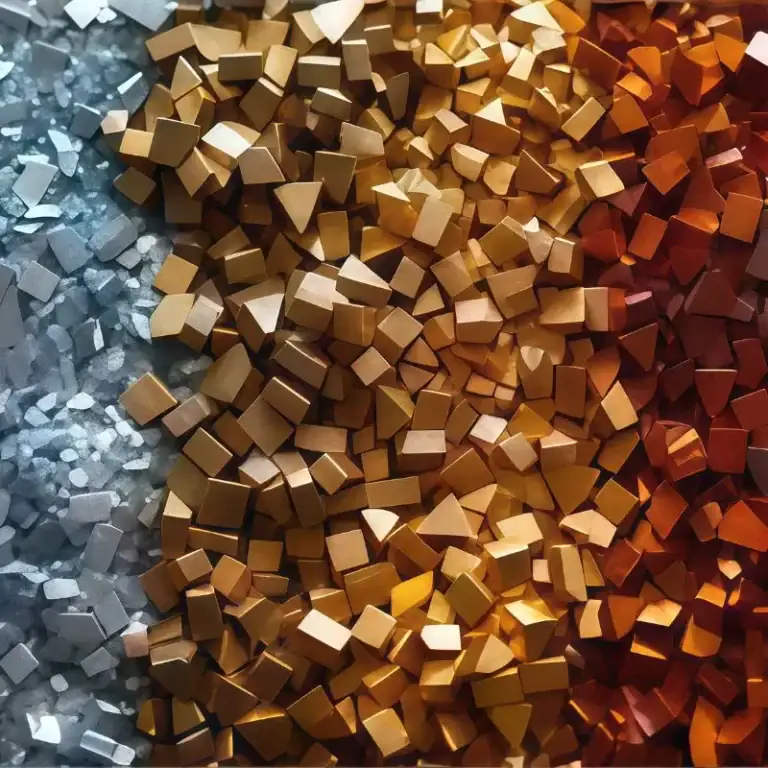
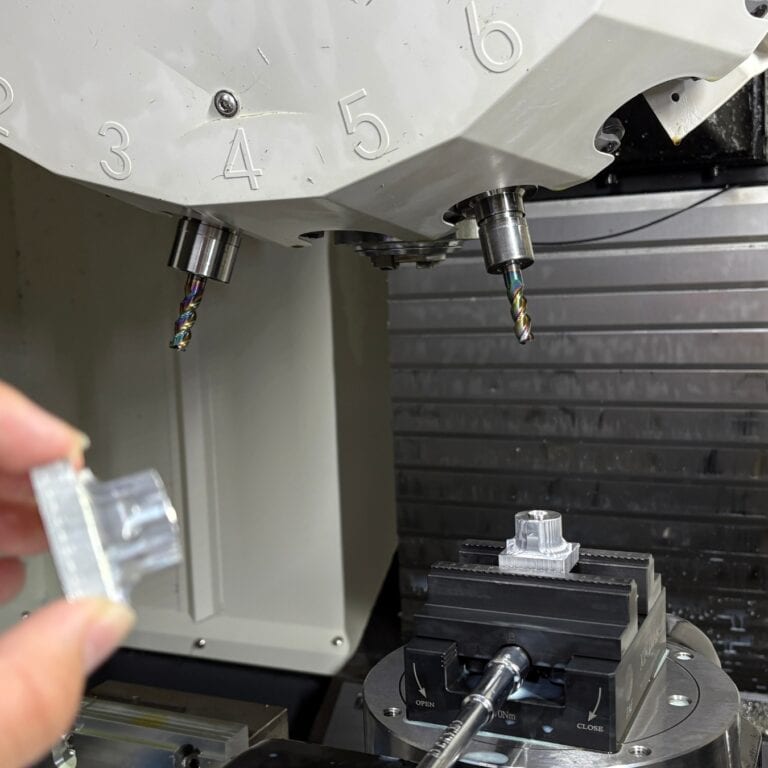
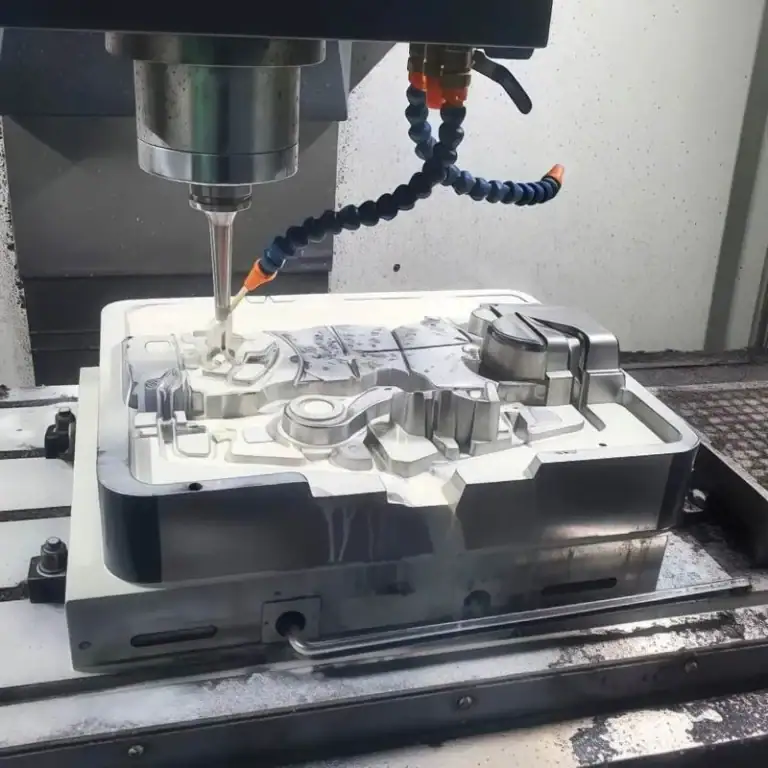
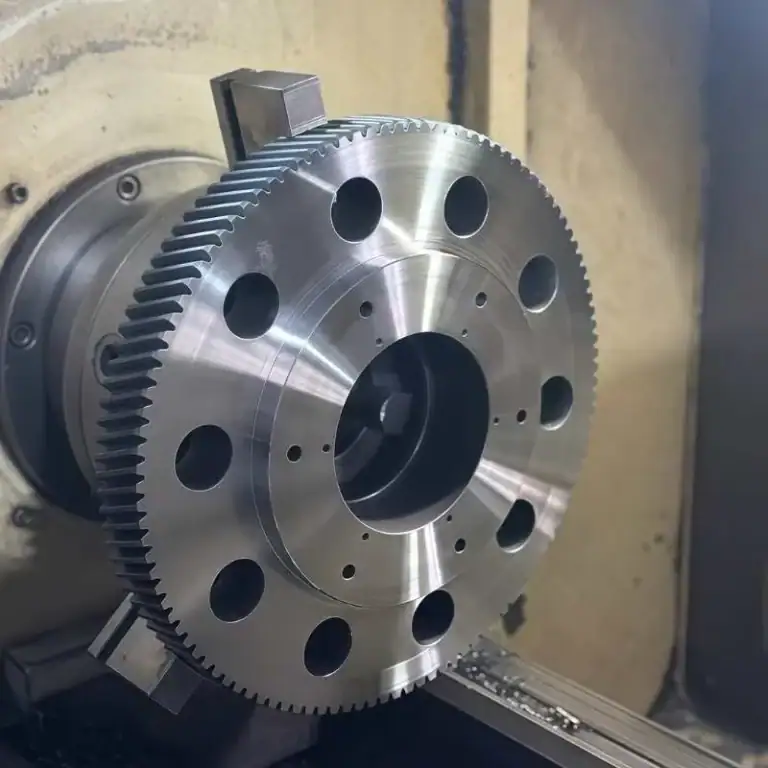
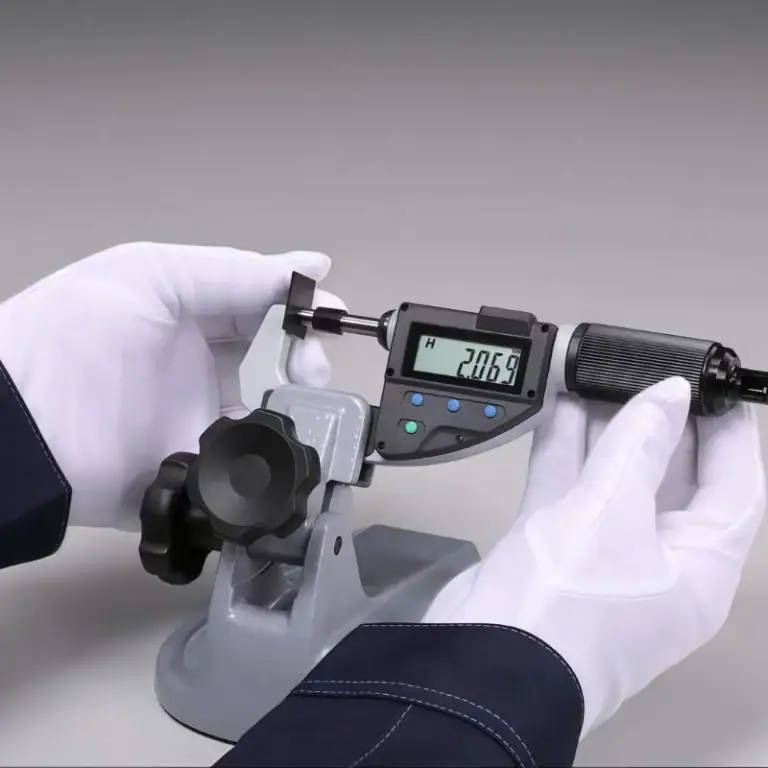
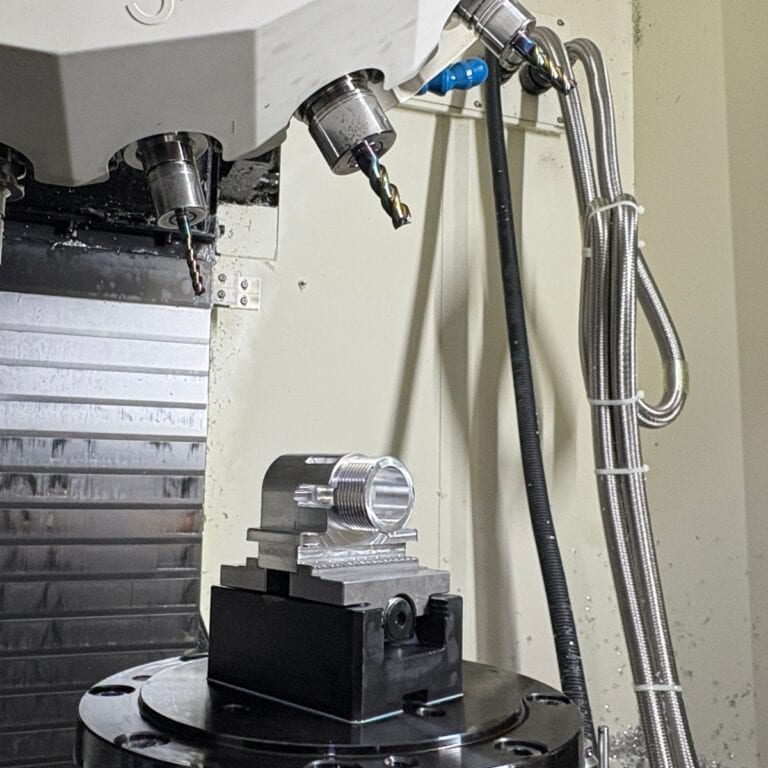
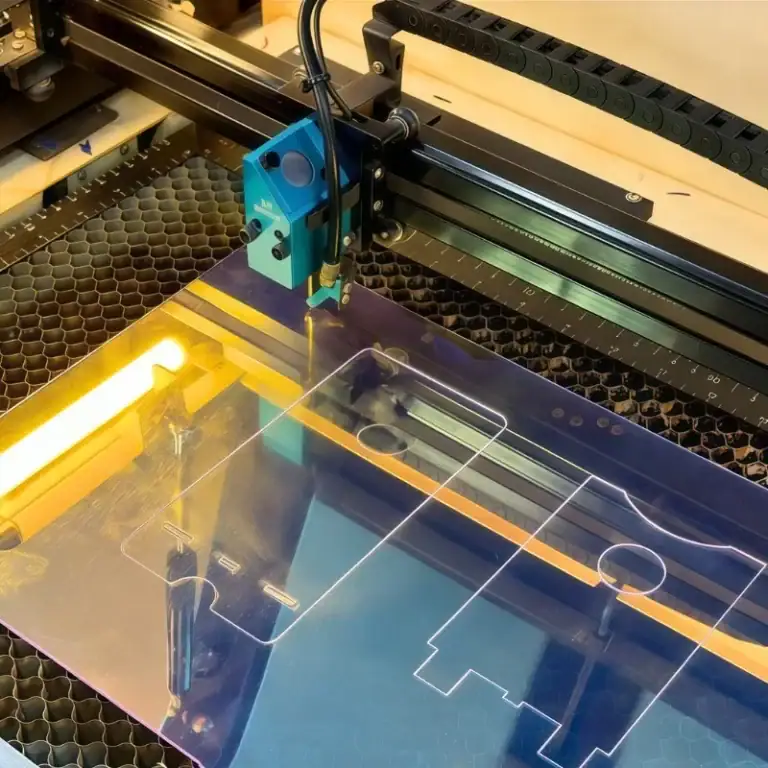
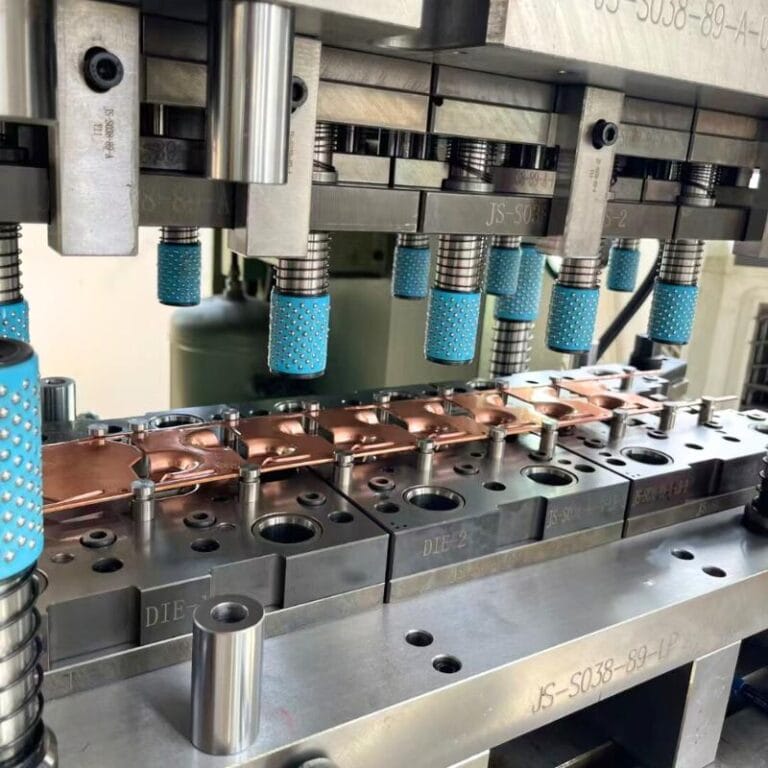
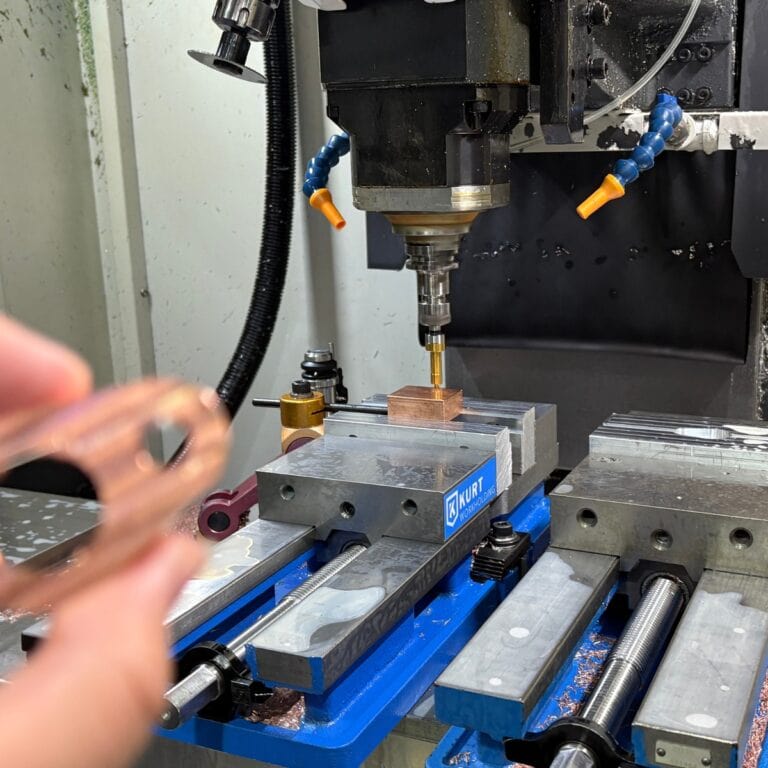
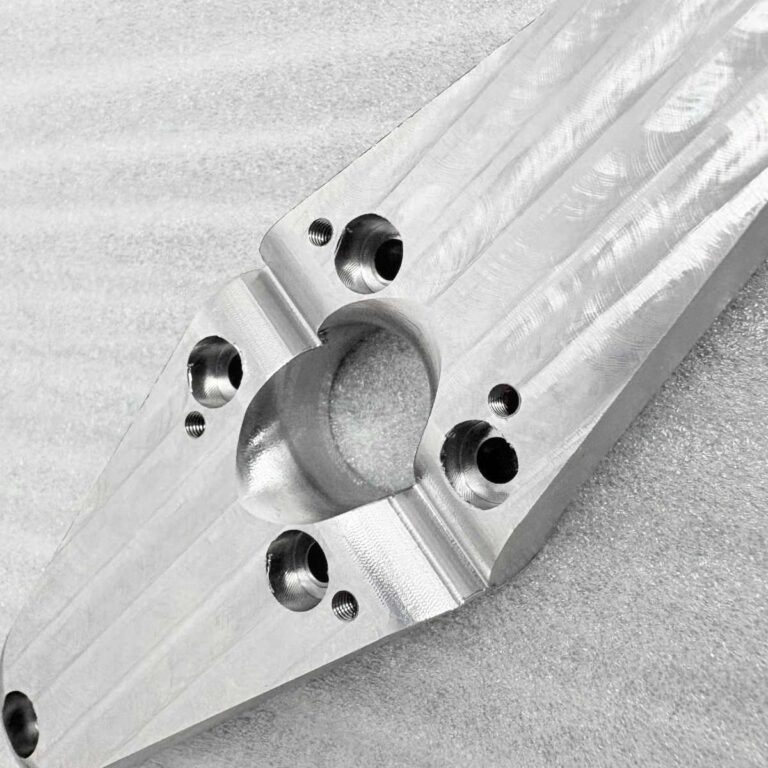
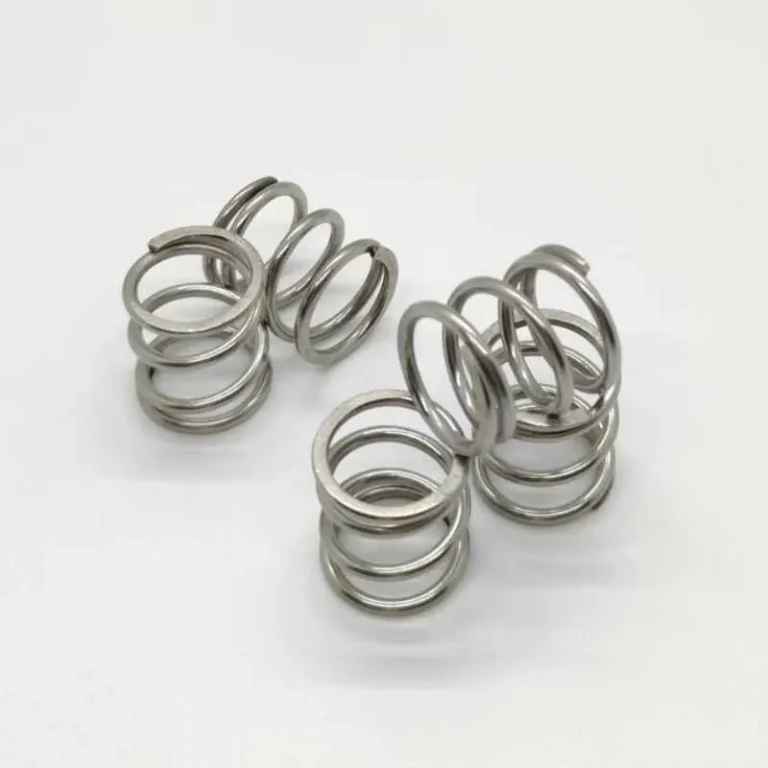
Non ferrous metals play a critical role in modern manufacturing and engineering. These metals do not contain significant amounts of iron, which gives them unique advantages such as corrosion resistance, lightweight properties, high electrical conductivity, and non-magnetic behavior. Common examples include aluminum, copper, titanium, zinc, and magnesium.
In this guide, you will learn what is non ferrous metal, its key properties, common examples, and typical industrial uses.
What Is a Non Ferrous Metal?
A non ferrous metal is any metal that does not contain iron as its primary element. In materials science, “ferrous” refers to metals that contain iron, while “non ferrous” describes metals such as aluminum, copper, titanium, zinc, and magnesium that contain little or no iron. Because iron is absent, these metals usually offer strong corrosion resistance, good electrical conductivity, and lower density compared with many ferrous metals.
Key advantages of non ferrous metals include:
• High corrosion resistance, making them suitable for outdoor and marine environments
• Excellent electrical and thermal conductivity, especially in metals like copper and aluminum
• Lightweight properties that help reduce structural weight in engineering systems
• Non magnetic characteristics useful in electronics and precision equipment
Because of these properties, non ferrous metals are widely used in:
• Electrical wiring, power transmission systems, and electronic devices
• Aerospace and automotive structures where weight reduction is critical
• Construction materials such as roofing, panels, and architectural components
• Precision manufacturing and CNC machined components
In practice, non ferrous metals include many material families such as aluminum alloys, copper alloys (brass and bronze), titanium alloys, and magnesium alloys. Each type offers different mechanical properties and performance characteristics, allowing engineers to select the most suitable material for specific industrial and engineering applications.
Difference Between Ferrous And Non Ferrous Metals
The main difference between ferrous and non ferrous metals is their iron content. Ferrous metals contain iron as the primary element, while non ferrous metals contain little or no iron. This difference affects their weight, corrosion resistance, magnetism, and conductivity.
Ferrous metals such as steel and cast iron are known for their high strength and durability but may rust without protection. Non ferrous metals like aluminum and copper are lighter, more corrosion-resistant, and better electrical conductors, making them widely used in aerospace, electronics, and industrial manufacturing.
| Property | Ferrous Metals | Non Ferrous Metals |
| Main Element | Iron | Little or no iron |
| Examples | Steel, Cast Iron | Aluminum, Copper, Titanium |
| Corrosion Resistance | Lower | Higher |
| Magnetic | Usually magnetic | Usually non-magnetic |
| Typical Uses | Structural parts | Electrical, aerospace, manufacturing |
8 Common Examples of Non Ferrous Metals
Common examples of non ferrous metals include aluminum, copper, nickel, zinc, titanium, magnesium, brass, and bronze. These metals contain little or no iron and are widely used across engineering and industrial manufacturing due to their corrosion resistance, lightweight properties, and good electrical or thermal conductivity.
Aluminum
Aluminum is a non ferrous metal because it contains no iron. It is one of the most widely used engineering metals due to its lightweight structure, corrosion resistance, and excellent machinability. Aluminum naturally forms a thin oxide layer on its surface, which protects it from further corrosion.
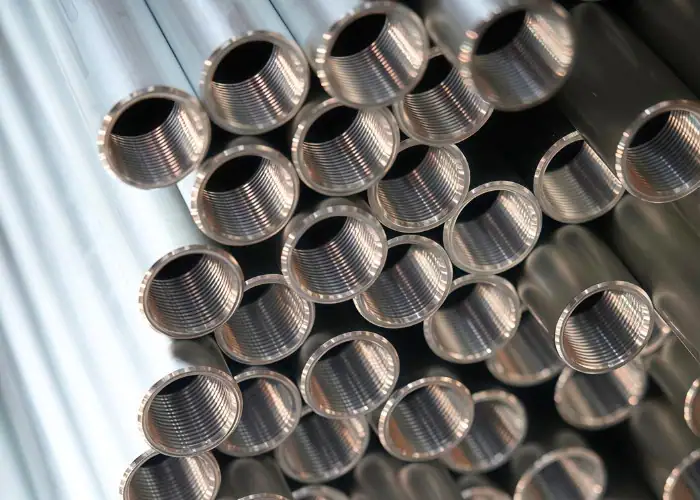
With a density of about 2.7 g/cm³, aluminum is significantly lighter than steel while still providing good structural strength. Because of this balance between strength and weight, aluminum is widely used in aerospace structures, automotive components, consumer electronics, and precision parts produced through aluminum machining.
| Property | Aluminum |
| Density | 2.7 g/cm³ |
| Corrosion Resistance | Excellent |
| Electrical Conductivity | Good |
| Typical Applications | Aircraft parts, automotive frames, electronics housings |
Copper
Copper is a non ferrous metal known for its exceptional electrical and thermal conductivity. It is one of the most important materials used in electrical engineering because it allows electricity to flow efficiently with minimal resistance.
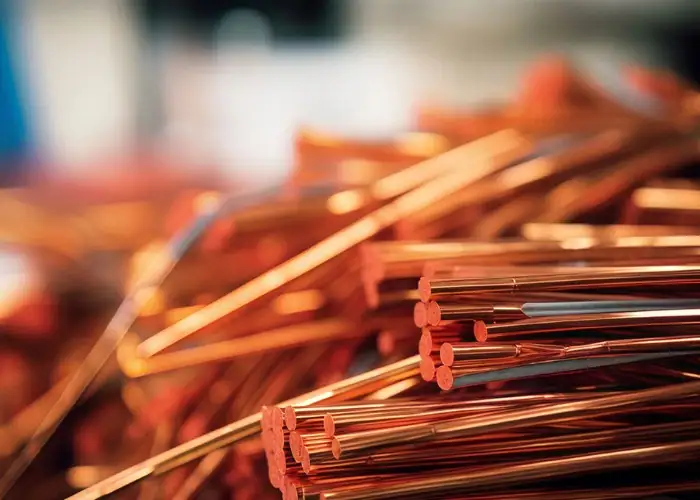
Copper has an electrical conductivity of approximately 59.6 MS/m, making it one of the best conductors among common industrial metals. In addition to its excellent electrical performance, copper also offers strong corrosion resistance and good ductility, allowing it to be easily formed into wires, tubes, and complex components. Because of these properties, copper machining is widely used in manufacturing electrical connectors, heat exchangers, and precision industrial components.
| Property | Copper |
| Electrical Conductivity | Very High |
| Thermal Conductivity | Excellent |
| Corrosion Resistance | Good |
| Typical Applications | Electrical wiring, power cables, heat exchangers |
Nickel
Nickel is a non ferrous metal valued for its excellent corrosion resistance and high temperature stability. It is frequently used in alloy production because it improves the strength, durability, and heat resistance of many engineering materials.
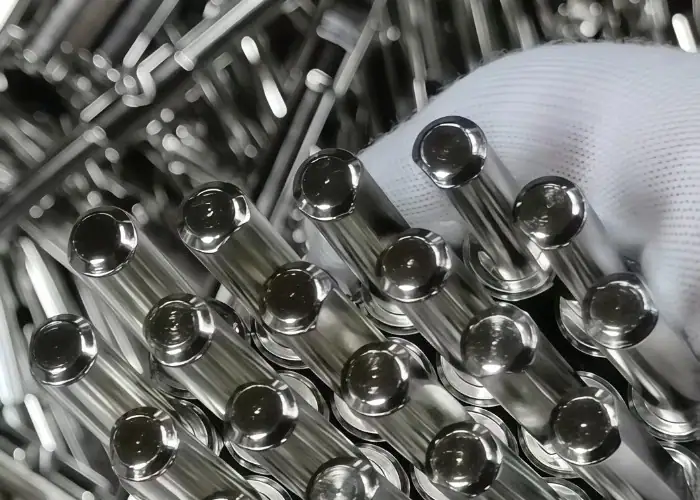
Nickel-based alloys are commonly used in aerospace turbines, chemical processing equipment, and energy systems, where materials must withstand extreme temperatures and corrosive environments.
| Property | Nickel |
| Heat Resistance | High |
| Corrosion Resistance | Excellent |
| Strength | High |
| Typical Applications | Superalloys, batteries, industrial equipment |
Zinc
Zinc is widely used in industrial manufacturing, especially for protecting steel through the galvanization process. When steel is coated with zinc, it becomes more resistant to corrosion, significantly extending the lifespan of structural components.
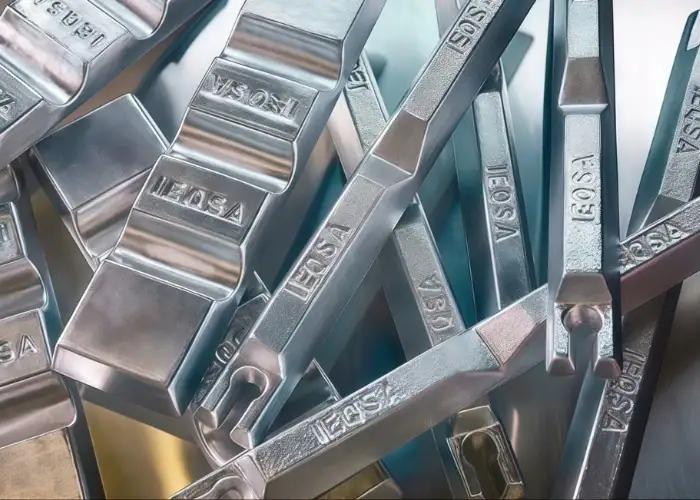
Zinc is also commonly used in die casting, a manufacturing process that produces complex metal parts with high dimensional accuracy and smooth surfaces.
| Property | Zinc |
| Corrosion Protection | Excellent |
| Castability | Very Good |
| Melting Point | ~419°C |
| Typical Applications | Galvanized steel, die cast components |
Titanium
Titanium is a high-performance non ferrous metal known for its exceptional strength-to-weight ratio and corrosion resistance. Despite being about 45% lighter than steel, titanium can provide comparable mechanical strength in many applications.
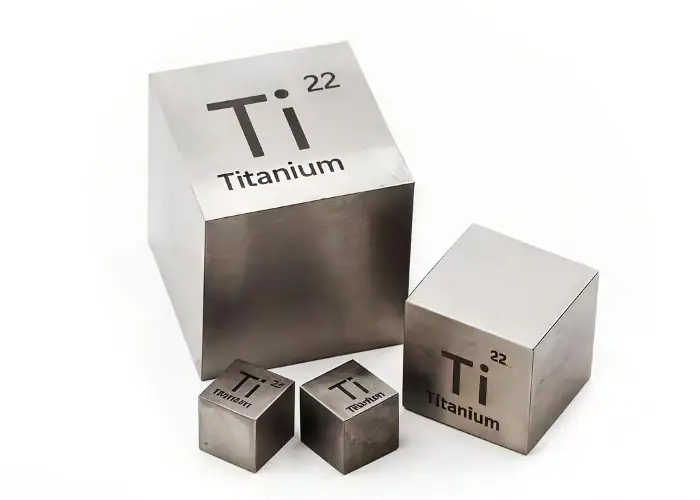
Because of its durability and biocompatibility, titanium is widely used in aerospace structures, medical implants, marine equipment, and high-performance engineering components.
| Property | Titanium |
| Density | 4.5 g/cm³ |
| Strength | Very High |
| Corrosion Resistance | Excellent |
| Typical Applications | Aerospace, medical implants, marine parts |
Magnesium
Magnesium is one of the lightest structural metals used in engineering. With a density of about 1.74 g/cm³, it is significantly lighter than aluminum and steel, making it highly valuable in industries that require weight reduction.
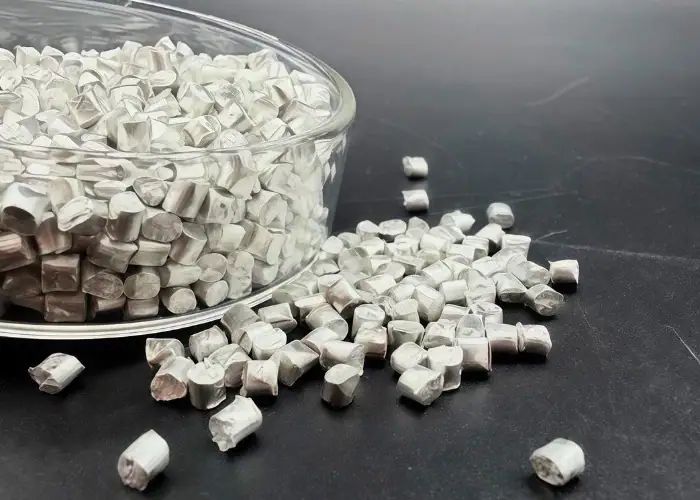
Magnesium alloys are commonly used in automotive components, aerospace structures, and portable electronic devices, where reducing mass improves efficiency and performance.
| Property | Magnesium |
| Density | 1.74 g/cm³ |
| Weight | Very Light |
| Machinability | Good |
| Typical Applications | Automotive parts, aerospace structures |
Brass
Brass is an alloy primarily composed of copper and zinc and is classified as a non ferrous metal. It offers good corrosion resistance, excellent machinability, and an attractive golden appearance.
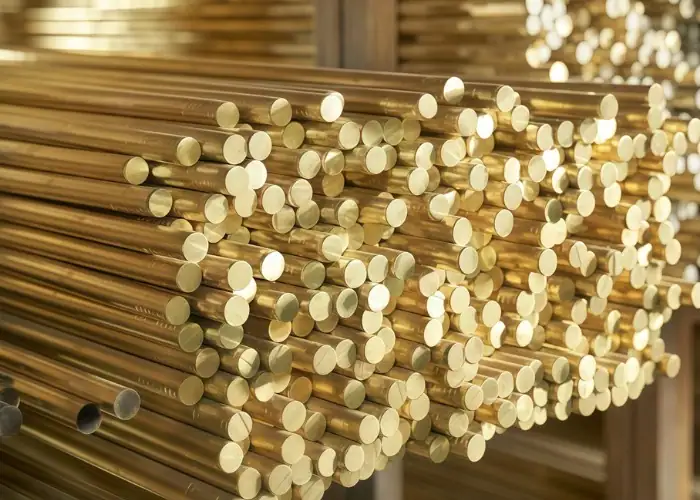
Because of these characteristics, brass is frequently used in plumbing fittings, valves, electrical connectors, musical instruments, and decorative components.
| Property | Brass |
| Composition | Copper + Zinc |
| Machinability | Excellent |
| Corrosion Resistance | Good |
| Typical Applications | Valves, fittings, decorative parts |
Bronze
Bronze is another important non ferrous alloy, typically made from copper and tin. It is well known for its excellent wear resistance, corrosion resistance, and low friction characteristics.
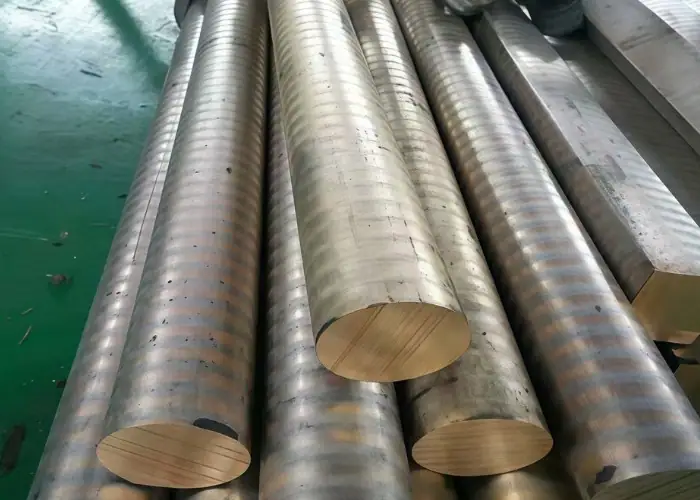
These properties make bronze highly suitable for bearings, bushings, marine components, and heavy-duty industrial machinery parts, where durability and reliability are essential.
| Property | Bronze |
| Composition | Copper + Tin |
| Wear Resistance | High |
| Corrosion Resistance | Excellent |
| Typical Applications | Bearings, bushings, marine hardware |
Key Properties of Non Ferrous Metals
The key properties of non ferrous metals include corrosion resistance, electrical conductivity, light weight, and high formability. These characteristics make them suitable for a wide range of industrial and engineering applications.
1.Lightweight
Non ferrous metals are often lighter than ferrous metals. Aluminum, for example, has a density of about 2.7 g/cm³, making it significantly lighter than steel. This property is particularly valuable in aerospace, automotive, and transportation industries where reducing weight improves fuel efficiency and performance.
2.Corrosion Resistance
Non ferrous metals typically offer excellent corrosion resistance. Metals such as aluminum and copper naturally form protective oxide layers that prevent further oxidation. This makes them ideal for outdoor structures, marine environments, and chemical processing equipment.
3.Electrical Conductivity
Non ferrous metals generally provide excellent electrical conductivity. Copper, for instance, has an electrical conductivity of about 59.6 MS/m, which is why it is widely used in electrical wiring, power cables, and electronic components.
4.Thermal Conductivity
Many non ferrous metals conduct heat efficiently. Copper and aluminum are commonly used in heat exchangers, cooling systems, and thermal management components due to their strong thermal conductivity.
5.Malleability And Ductility
Non ferrous metals are often highly malleable and ductile. This means they can be easily formed, bent, or drawn into wires without breaking. These properties allow manufacturers to produce complex shapes and precision components.
6.Non Magnetic Characteristics
Most non ferrous metals are non-magnetic because they contain no iron. Materials such as aluminum, copper, brass, and titanium do not respond strongly to magnetic fields, which makes them useful in electronic devices and specialized equipment.
7.Recyclability
Non ferrous metals are highly recyclable without losing their mechanical properties. Aluminum, copper, and other metals can be recycled repeatedly, which reduces energy consumption and supports sustainable manufacturing.
Advantages And Disadvantages of Non Ferrous Metals
Non ferrous metals offer advantages such as corrosion resistance, lightweight properties, and high electrical conductivity, but they may also have disadvantages like higher cost and lower strength compared with some ferrous metals.
Advantages
Non ferrous metals offer several advantages that make them valuable in many engineering applications. One of the most important benefits is their excellent corrosion resistance. Since these metals contain little or no iron, they do not rust easily, making them suitable for outdoor structures, marine equipment, and chemical processing environments.
Another major advantage is their lightweight properties. Metals such as aluminum and magnesium have much lower densities than steel, allowing manufacturers to reduce structural weight in aerospace, automotive, and transportation systems.
Non ferrous metals also provide high electrical and thermal conductivity. Copper and aluminum are widely used in electrical wiring, power transmission systems, and electronic components because they allow efficient energy transfer.
In addition, many non ferrous metals have good ductility and formability, which means they can be easily shaped, bent, or machined into complex components. This makes them ideal for precision manufacturing and CNC machining applications.
| Key Advantages | Description |
| Corrosion Resistance | Suitable for marine and outdoor environments |
| Lightweight | Reduces structural weight in engineering systems |
| High Conductivity | Excellent for electrical and thermal applications |
| Good Formability | Easy to shape, machine, and manufacture |
Disadvantages
Despite their advantages, non ferrous metals also have some limitations. One common drawback is their higher cost compared with many ferrous metals such as carbon steel. Some non ferrous metals, including titanium and nickel alloys, can be significantly more expensive due to complex extraction and processing methods.
Another limitation is that certain non ferrous metals may offer lower mechanical strength than high-strength steels. While metals like aluminum are lightweight and corrosion resistant, they may not always provide the same load-bearing capacity as steel in heavy structural applications.
Additionally, some non ferrous metals can be softer and more prone to wear when subjected to heavy mechanical loads. For this reason, engineers often need to carefully select alloys or apply surface treatments when using these materials in demanding industrial environments.
| Key Disadvantages | Description |
| Higher Cost | Often more expensive than ferrous metals |
| Lower Strength | Some alloys cannot match high-strength steels |
| Wear Sensitivity | Softer metals may wear faster under heavy loads |
Overall, while non ferrous metals offer excellent corrosion resistance, conductivity, and lightweight performance, their cost and mechanical limitations should be considered when selecting materials for engineering and manufacturing applications.
What Are Non Ferrous Metals Used For?
Non ferrous metals are commonly used in industries such as electronics, aerospace, automotive, construction, and manufacturing. Their corrosion resistance, lightweight structure, and high electrical conductivity make them suitable for applications like electrical wiring, aircraft components, building materials, and precision machined parts.
Electrical And Electronic Applications
Non ferrous metals such as copper and aluminum are widely used in electrical systems. Their high electrical conductivity makes them essential for wiring, circuit boards, power transmission lines, and electronic devices.
Automotive And Aerospace Components
In automotive and aerospace industries, non ferrous metals help reduce structural weight while maintaining strength. Aluminum and titanium components are commonly used in aircraft structures, engine parts, and vehicle frames.
Construction And Infrastructure
Non ferrous metals are also used in construction due to their durability and corrosion resistance. Aluminum panels, copper roofing, and brass fittings are commonly found in modern buildings.
Industrial Manufacturing
In industrial manufacturing, non ferrous metals are used to produce precision components, machine parts, molds, and tooling. Their machinability and stability make them suitable for CNC machining and advanced manufacturing processes.
How To Choose The Right Non Ferrous Metal For Your Application
Choosing the right non ferrous metal depends on factors such as strength requirements, corrosion resistance, weight, electrical conductivity, and manufacturing processes. Engineers usually evaluate the working conditions and performance requirements of the component before selecting the most suitable material.
When selecting a non ferrous metal, the following factors are typically considered:
1. Strength Requirements
The material must provide sufficient mechanical strength to handle the expected loads and stresses. For example, titanium alloys are often used in aerospace applications because they offer high strength while maintaining relatively low weight.
2. Corrosion Resistance
Environmental exposure can significantly affect material performance. Metals such as aluminum, copper, and titanium offer excellent corrosion resistance, making them suitable for marine, outdoor, and chemical environments.
3. Weight Considerations
Lightweight metals are often preferred in transportation industries. Aluminum and magnesium alloys are commonly used in aerospace and automotive structures to reduce overall system weight and improve efficiency.
4. Electrical Conductivity
In electrical and electronic systems, materials with high conductivity are essential. Copper is widely used for electrical wiring and power transmission due to its superior electrical performance.
5. Manufacturing And Machining Requirements
The ease of machining, casting, or forming also influences material selection. Aluminum and brass are commonly chosen for CNC machining because they provide good machinability and allow the production of precise components.
By evaluating these factors, engineers can choose the most appropriate non ferrous metal to balance performance, durability, and manufacturing efficiency.
FAQs
Is Aluminum A Non Ferrous Metal?
Yes, aluminum is a non ferrous metal because it contains no iron. In my experience with engineering materials, aluminum has a density of about 2.7 g/cm³ and excellent corrosion resistance. These properties make it widely used in aerospace parts, automotive components, and CNC machined housings.
Is Copper A Non Ferrous Metal?
Yes, copper is a non ferrous metal since it contains no iron. I commonly see copper used in electrical systems because its electrical conductivity reaches about 59.6 MS/m. It is widely applied in wiring, connectors, heat exchangers, and electronic components.
Is Stainless Steel A Non Ferrous Metal?
No, stainless steel is not a non ferrous metal. From a materials perspective, stainless steel contains more than 65% iron along with chromium and nickel. Because iron is the main element, stainless steel is classified as a ferrous metal.
Is Bronze A Non Ferrous Metal?
Yes, bronze is a non ferrous metal because it is mainly made from copper and tin without iron as the base element. In my experience, bronze is valued for its wear resistance and corrosion resistance, making it suitable for bearings, bushings, and marine components
Are Non Ferrous Metals Magnetic?
Generally, non ferrous metals are not magnetic because they do not contain iron. In my work with industrial materials, metals such as aluminum, copper, brass, and titanium show little or no magnetic response, which is useful in electronics and precision equipment.
Is Gold A Non Ferrous Metal?
Yes, gold is a non ferrous metal because it contains no iron and is non magnetic. I often see gold used in jewelry and electronics due to its excellent corrosion resistance and stable electrical conductivity in high reliability connectors.
Conclusion
Understanding what is non ferrous metal helps engineers select materials that offer corrosion resistance, lightweight performance, and high conductivity. The right material choice depends on application requirements, mechanical performance, and manufacturing processes.
At TiRapid, we provide precision CNC machining for non ferrous metals such as aluminum, copper, brass, and titanium. Upload your design to receive a customized manufacturing solution for your project.