Metal machining transforms raw metal into precise, functional parts through cutting, milling, turning, and other subtractive methods. For anyone asking what is metal machining and why it’s essential in modern manufacturing, this beginner-friendly guide breaks down its processes, key applications, and how it compares to fabrication—so you can choose the right method for your project.
What Is Metal Machining?
Metal machining is one of the most fundamental processes in manufacturing. If you’ve ever wondered how raw metal blocks turn into precise parts for cars, aircraft, or electronics, machining is the answer. Understanding how it works helps you choose the right method for accuracy, cost, and material performance.
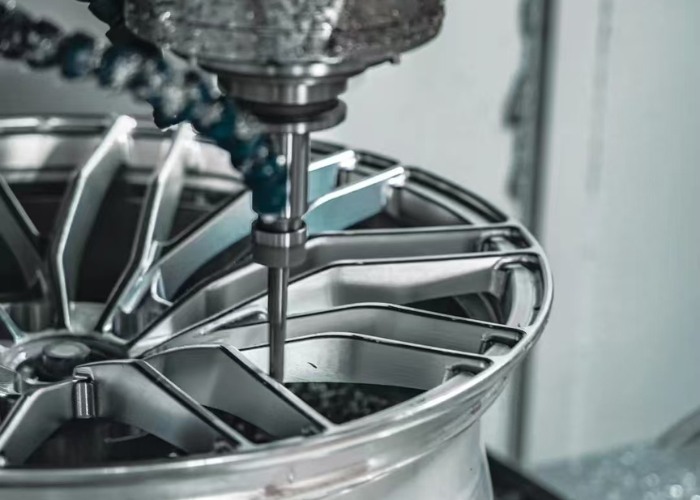
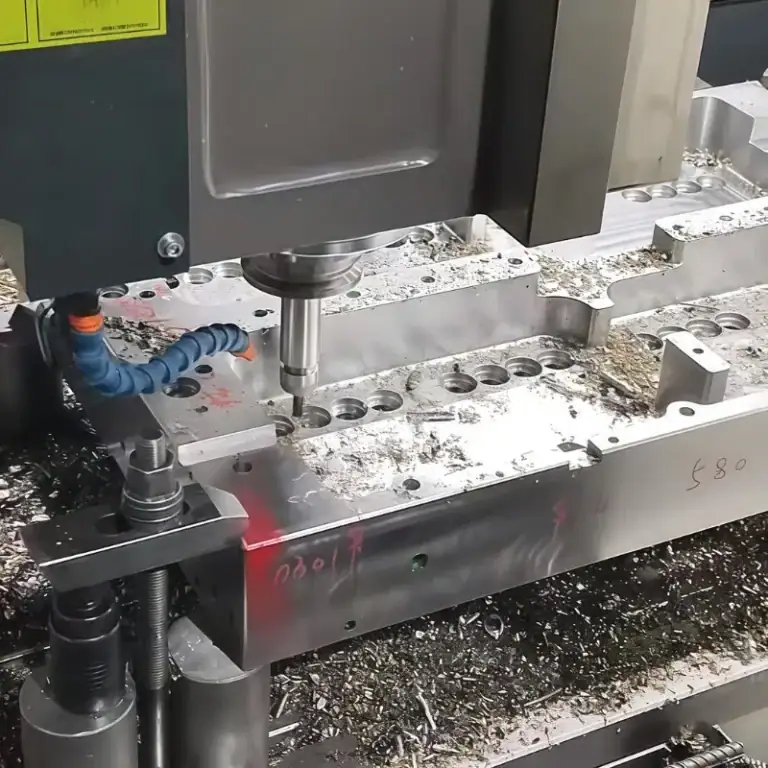
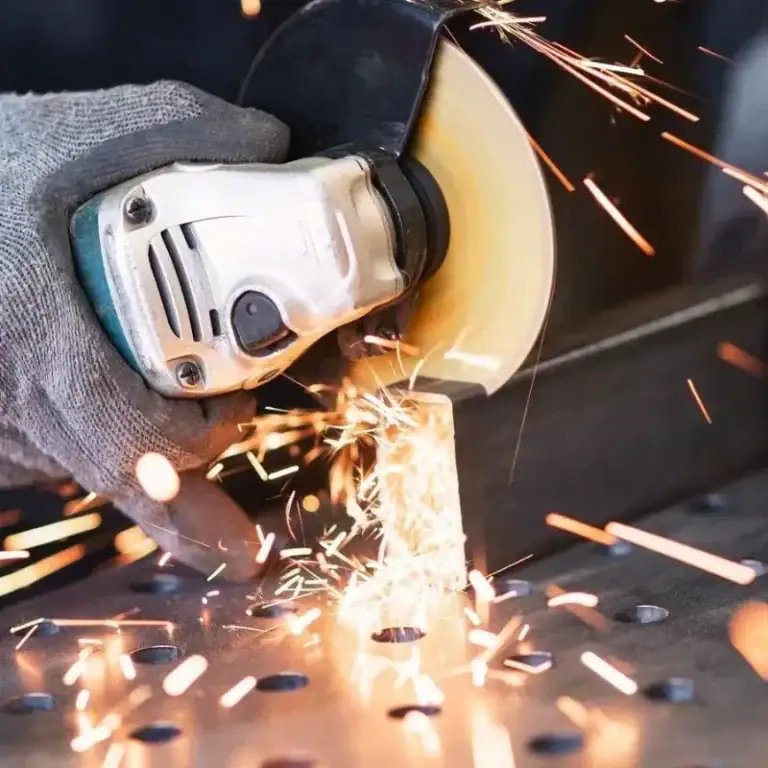
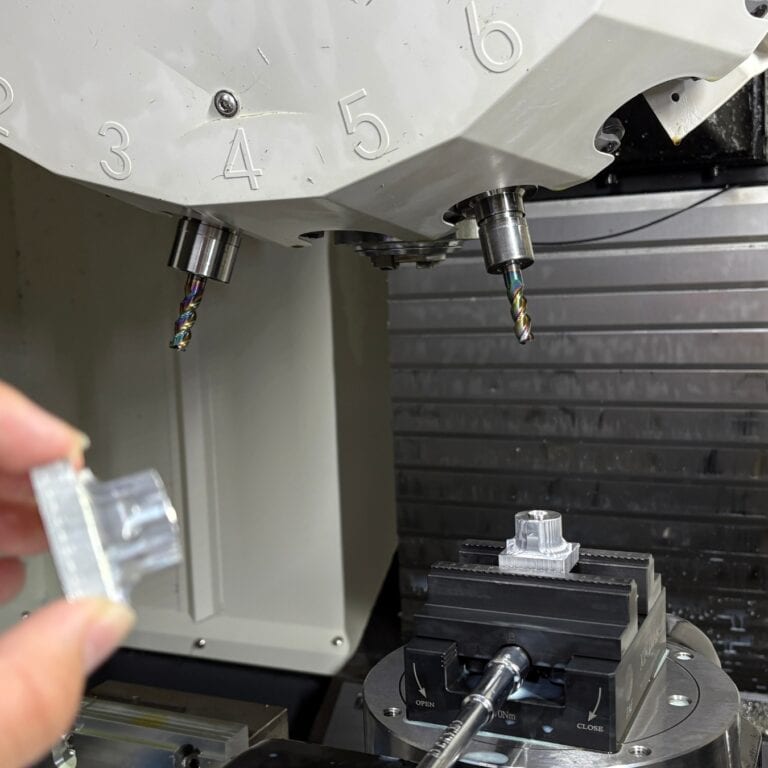
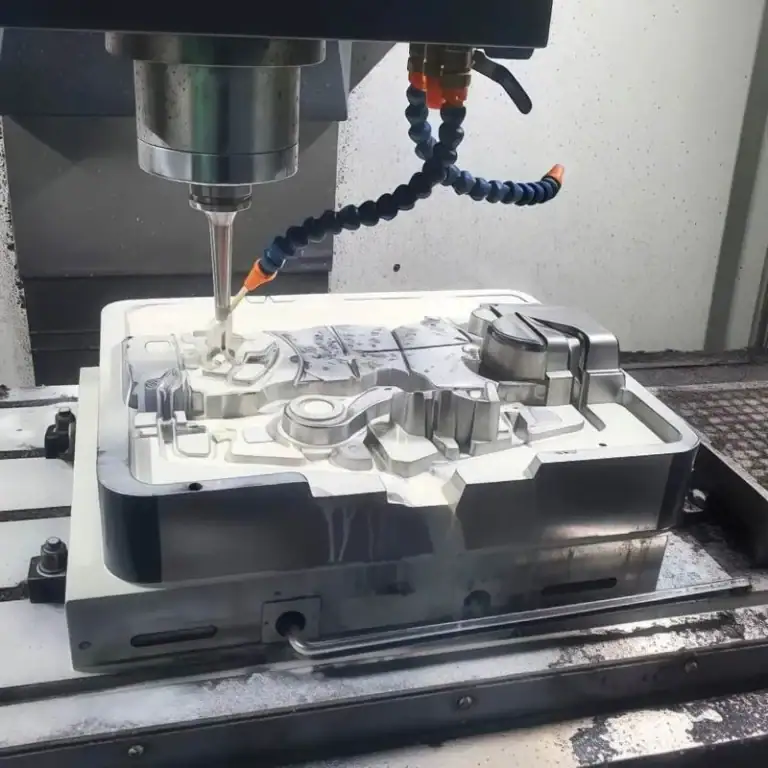
Metal machining is a subtractive manufacturing process in which material is removed from a solid metal workpiece to achieve a specific shape, surface finish, or tolerance. Unlike additive manufacturing, machining cuts away excess material using tools such as lathes, mills, drills, grinders, and saws.
Industries including automotive, aerospace, robotics, medical, and semiconductor equipmentrely heavily on CNC machining because it works with nearly all engineering metals—aluminum, steel, titanium, copper, brass, and more.
In my own projects, CNC machining is often selected when clients require high precision, excellent consistency, and strong material performance, especially for structural parts or prototypes.
Metal Machining vs Metal Fabrication: What’s the Difference?
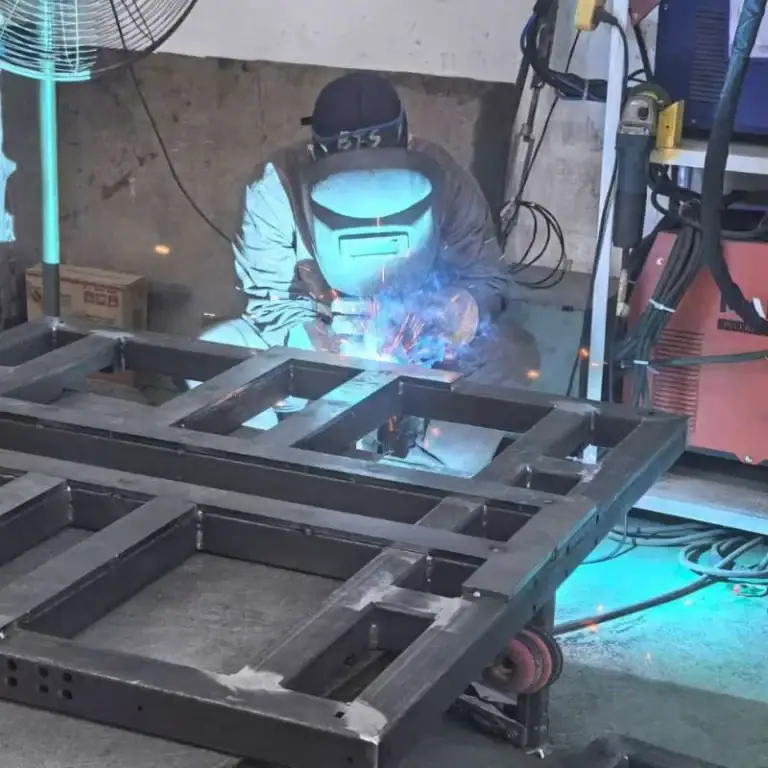
Metal machining and metal fabrication are often mentioned together, but they serve very different purposes in manufacturing. Before choosing a production method, it’s important to understand how each process shapes metal, the precision it can achieve, and how it affects cost, speed, and final quality. This section breaks down their key differences so you can choose the right method for your project.
| Comparison Aspect | Metal Machining | Metal Fabrication |
| Core Definition | Material removal process using cutting tools to achieve precise dimensions | Material forming and assembly process that shapes metal without precision cutting |
| Main Processes | CNC milling, turning, drilling, boring, grinding | Cutting, bending, welding, stamping, forming |
| Material Change | Removes material to create final geometry | Deforms or joins material to form structures |
| Precision Level | Very high precision (±0.01mm or tighter) | Moderate precision, depends on tooling and forming method |
| Typical Tolerances | Tight tolerances suitable for precision parts | Looser tolerances, focused on structural accuracy |
| Part Complexity | Ideal for complex, high-detail parts | Best for large, simple, or structural components |
| Surface Finish | Smooth, controlled surface finishes achievable | Rougher surfaces, often requires secondary finishing |
| Equipment Used | CNC machines, lathes, machining centers | Press brakes, laser cutters, welding machines |
| Common Materials | Aluminum, steel, stainless steel, brass, titanium | Steel sheets, plates, tubes, structural metals |
| Production Volume | Prototypes to medium/high-volume precision parts | Medium to large-volume structural production |
| Typical Applications | Aerospace parts, medical devices, precision components | Frames, enclosures, brackets, chassis |
| Cost Structure | Higher per-part cost due to precision and machine time | Lower per-part cost for large or simple structures |
| Design Focus | Dimensional accuracy and functionality | Strength, shape, and assembly efficiency |
| When to Choose | When precision, tight tolerances, and accuracy matter | When forming, joining, or structural strength is key |
What Are the Major Types of Metal Machining Operations?
Metal machining includes a wide range of processes that remove, shape, or modify metal to achieve precise geometries and performance requirements. Understanding each machining category helps engineers choose the right method for accuracy, speed, cost, and material behavior.
Metal machining operations can be grouped into three core categories:
Material-Removal Machining
This is the most common category, focusing on cutting and removing material from a solid metal workpiece. Techniques include:
- Milling: Rotating cutters shape the workpiece, ideal for pockets, slots, and contours.
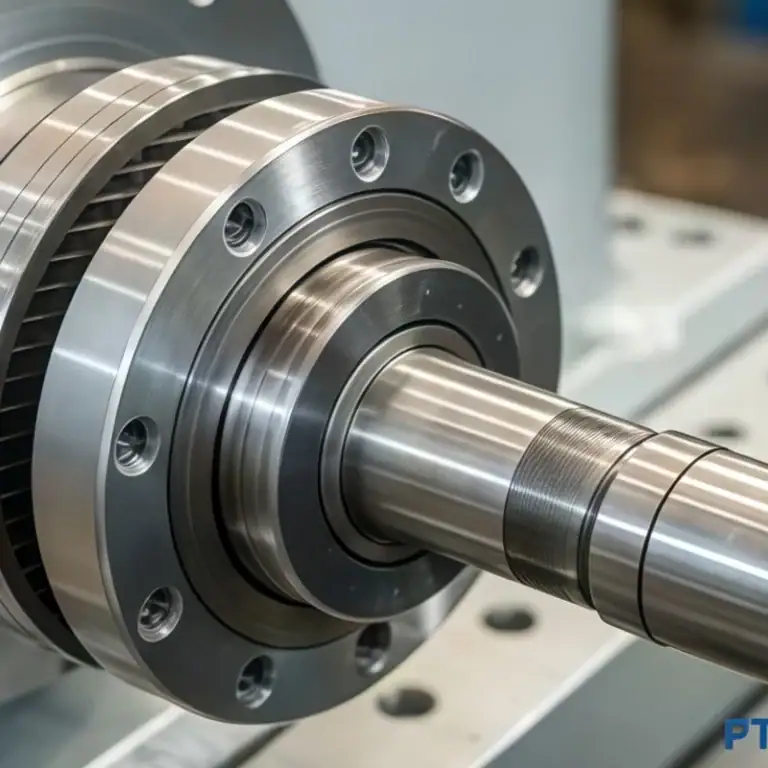
- Turning: A rotating workpiece is shaped by a fixed cutting tool, widely used for shafts & cylindrical parts.
- Drilling / Boring / Reaming: Create or refine holes with high precision.
- Grinding: Achieves extremely tight tolerances and smooth finishes.
From my CNC shop experience, milling and turning deliver the best repeatability for tight-tolerance mechanical components.
Plastic Deformation (Non-cutting Forming)
Here, metal is reshaped without removing mass. Processes include:
- Stamping, forging, bending, drawing
They reshape the metal efficiently and strengthen it through work hardening.
We often combine forming + machining to reduce material waste before final precision cuts.
Thermal, Chemical, & Thermo-chemical Processing
These methods modify surface properties rather than geometry:
- Heat treatment (annealing, hardening) improves hardness & toughness.
- Anodizing / carburizing / nitriding enhance corrosion resistance or surface wear resistance.
For aluminum housings we make, anodizing is essential for durability and appearance.
Conventional vs. Non-conventional Machining
- Conventional: Milling, turning, drilling—physical cutting tools.
- Non-conventional: EDM, laser cutting, ECM—use electrical, thermal, or chemical energy.
Non-conventional methods excel in hard alloys or intricate geometries where tool wear is a concern.
How to Choose the Right Machining Method?
Choosing the right machining method depends on your project’s precision needs, material type, geometry complexity, and budget. Understanding how conventional and non-conventional processes differ helps you select the most efficient, cost-effective manufacturing path.
Conventional Machining (Tool-Based Cutting)
This class includes milling, turning, drilling, sawing, planing, and boring. These methods use physical cutting tools to remove material and are best for:
- Metals like aluminum, steel, copper
- Tight tolerances (±0.01 mm)
- Complex shapes with clean surface finishes
- High-volume production with predictable repeatability
In my experience machining aerospace brackets and automotive shafts, conventional CNC processes deliver the best dimensional stability, especially for 6061 aluminum and stainless steels.
Non-Conventional Machining (Energy-Based Cutting)
These techniques use electrical, chemical, or thermal energy instead of mechanical tools:
- EDM for hardened steels or intricate cavities
- Laser Cutting for thin metals and micro-features
- ECM / Chemical machining for stress-free, burr-free surfaces
- Ultrasonic machining for brittle materials
These processes excel where traditional cutters struggle — very hard metals, micro-geometry, or complex internal details.
Key Factors to Consider
| Factor | Best Choice |
| Precision / Tolerance | CNC milling, turning |
| Hard materials (HRC 55+) | EDM, laser, ECM |
| Complex internal shapes | EDM, ultrasonic |
| Budget constraints | Conventional machining |
| High-volume production | CNC machining |
| Heat-sensitive materials | Chemical / ECM |
For most engineering projects — fixtures, housings, shafts, and structural parts — CNC machining offers the best balance of precision, cost, and turnaround time.
For extremely hard alloys or mold cavities, EDM is typically the optimal choice.
For decorative or thin sheet geometries, laser machining provides excellent speed and accuracy.
How Is Metal Machining Applied Across Key Industries?
Metal machining plays a critical role across many industries where accuracy, durability, and repeatability are essential. From aerospace to consumer electronics, each sector relies on machining to produce complex metal components that meet strict performance and safety requirements.
Aerospace Industry
Aerospace components—such as turbine housings, brackets, landing gear bushings, and structural fittings—must withstand extreme pressure, vibration, and temperature. CNC machining enables micron-level accuracy and supports certified materials like 6061-T6, 7075-T6, and titanium alloys.
In my experience machining aircraft brackets, 5-axis CNC ensured complex geometry accuracy while maintaining structural integrity under load.
Automotive Industry
Machining supports parts such as engine housings, transmission shafts, suspension components, and brake parts. These components require both precision and durability. CNC machining also enables rapid prototyping for EV platform development and lightweight aluminum structures.
Electronics & Semiconductor
Small housings, heat sinks, connectors, and high-precision fixtures rely on machining for dimensional stability and excellent surface finishes. Aluminum, copper, and stainless steel are commonly machined to achieve thermal performance and tight assembly tolerances.
Medical & Dental Devices
Implants, surgical instruments, and diagnostic equipment components require biocompatible metals and flawless precision. CNC machining ensures smooth surfaces, accuracy within ±0.01 mm, and validated repeatability for mass production.
Industrial Machinery
Machining supports gears, bearing housings, precision jigs, robotic arms, and automation components. These parts must endure continuous wear and mechanical load, making CNC machining essential for performance and reliability.
Is Metal Machining Right for Your Project?
Choosing metal machining depends on how precise, durable, and complex your part needs to be. If your project requires tight tolerances, reliable repeatability, or high-performance materials, machining is often the most cost-effective and technically stable solution.
Determining whether machining is suitable starts with understanding your functional and manufacturing needs:
Required Precision & Tolerances
CNC machining can routinely achieve ±0.01–0.05 mm tolerances. In industries like aerospace and electronics, we often use machining for features such as bearing seats, housings, or precision bores where even 0.02 mm deviation can affect performance.
Material Type & Structural Requirements
Machining works well for metals like aluminum, steel, titanium, and brass. Hard alloys that are difficult to weld or form—such as 7075 aluminum or stainless steel 304—are often better shaped by CNC cutting than by fabrication.
Complexity of Geometry
Machining excels at:
- deep pockets
- threaded holes
- complex 3D surfaces
- tight-fit mating features
This makes it ideal for components like gears, turbine housings, mechanical brackets, and heat-sink structures.
Production Volume & Cost Logic
For prototypes or low-to-medium batches, machining is usually cheaper than fabricating molds or dies. For high-volume production, machining becomes cost-effective when tight tolerances or complex shapes are required.
Application Environment
In our projects for automotive and robotics clients, we rely on machining for parts exposed to vibration, load, or heat—because machined components maintain dimensional integrity far better than fabricated ones.
Recommended When
- You need precise, strong, high-quality functional parts
- Your design includes holes, threads, or tight interfaces
- You work with hard metals or high-performance alloys
Not Ideal When
- You need extremely large structures
- You require low-cost forming for thin metal sheets
- Your design prioritizes speed and volume over precision
FAQs
What Does It Mean To Machine A Metal?
To machine a metal means removing material from a solid workpiece using cutting tools. In practice, I shape parts to tight tolerances—often ±0.01–0.05 mm—through milling, turning, and drilling to achieve precise geometry and surface quality.
What Is The Meaning Of Machining?
Machining refers to a subtractive manufacturing process where I cut, drill, or mill material to form accurate components. It delivers high precision—down to ±0.01 mm—and is essential for functional metal parts in engineering applications.
What Is CNC In Metal Work?
CNC in metal work means using computer-controlled machines to automate cutting operations. I program toolpaths to achieve consistent accuracy, complex 3D shapes, and repeatability across batches, typically within ±0.02 mm tolerance.
CNC Plastic Machining Vs CNC Metal Machining?
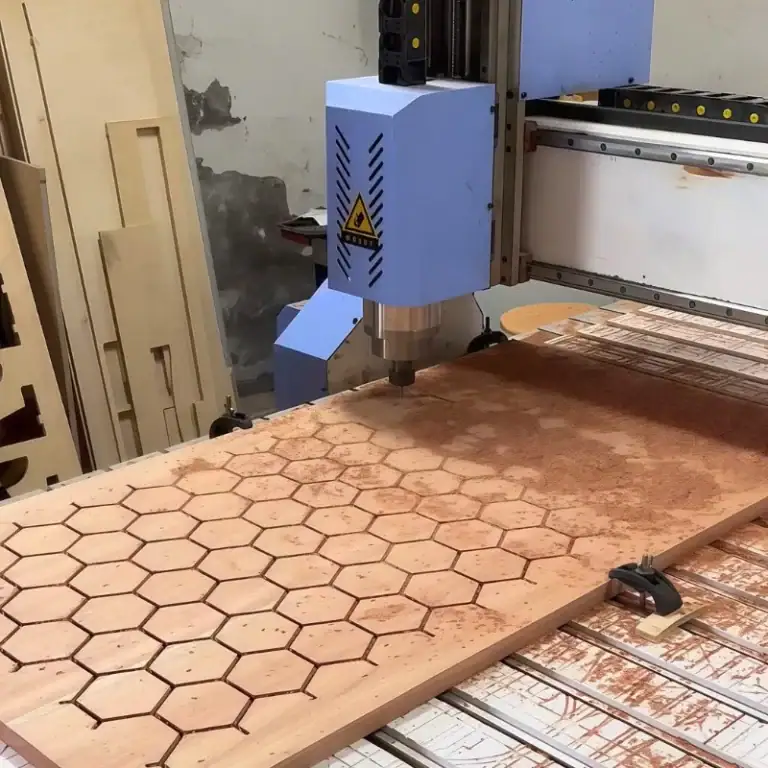
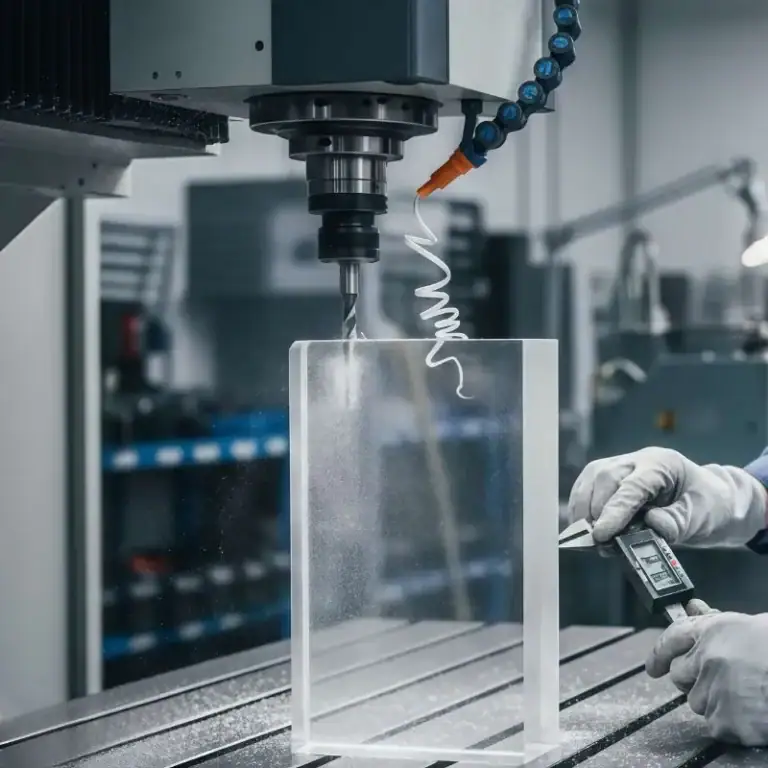
CNC plastic machining requires lower cutting forces and speeds due to softer materials, while CNC metal machining demands stronger tools, coolant, and tighter tolerances. In my work, metal machining typically reaches ±0.01 mm, plastics run around ±0.05 mm.
What Are The Three Stages Of Metal Machining?
Metal machining generally includes three stages: roughing (fast material removal), semi-finishing (defining geometry), and finishing (achieving final ±0.01–0.02 mm tolerance). I follow these stages to balance speed, accuracy, and surface quality.
Conclusion
Metal machining is a subtractive process that shapes raw metal into precise, high-performance parts using cutting tools or CNC systems. It delivers tight tolerances, excellent repeatability, and strong material integrity, making it ideal for aerospace, automotive, electronics, medical devices, and industrial machinery. If your project requires high accuracy, complex geometries, or durable metals, machining is usually the most reliable and cost-effective choice.