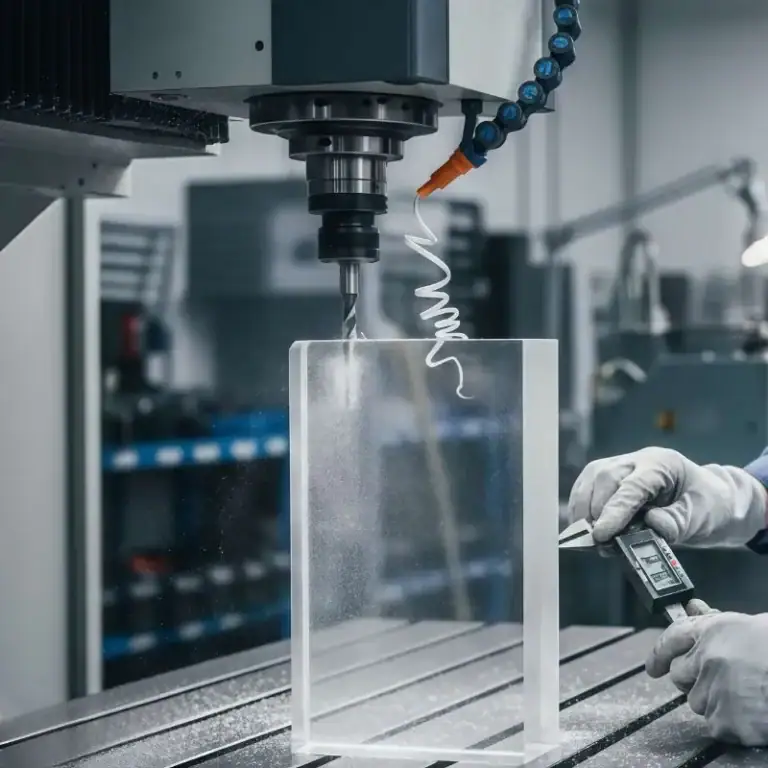
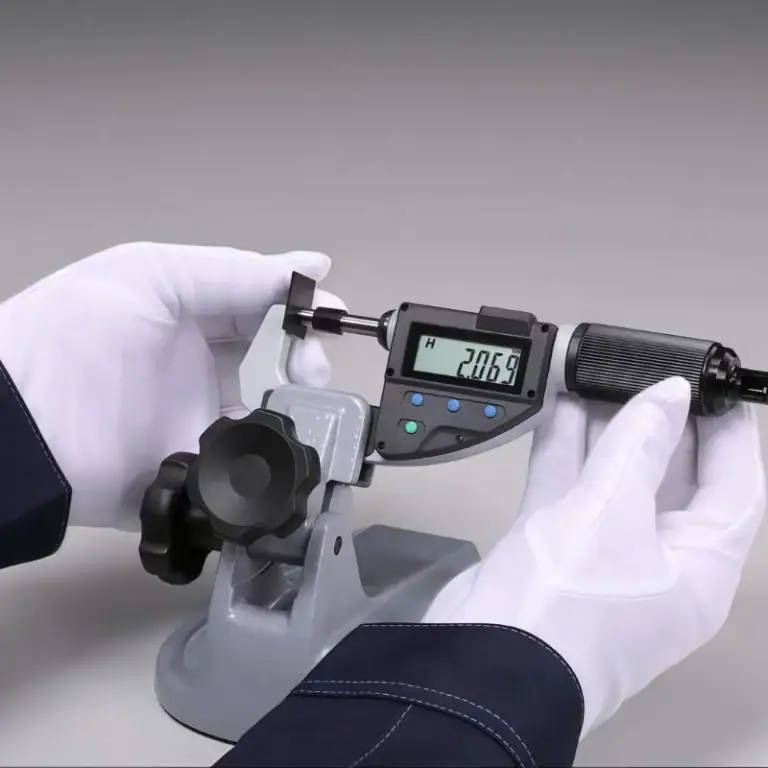
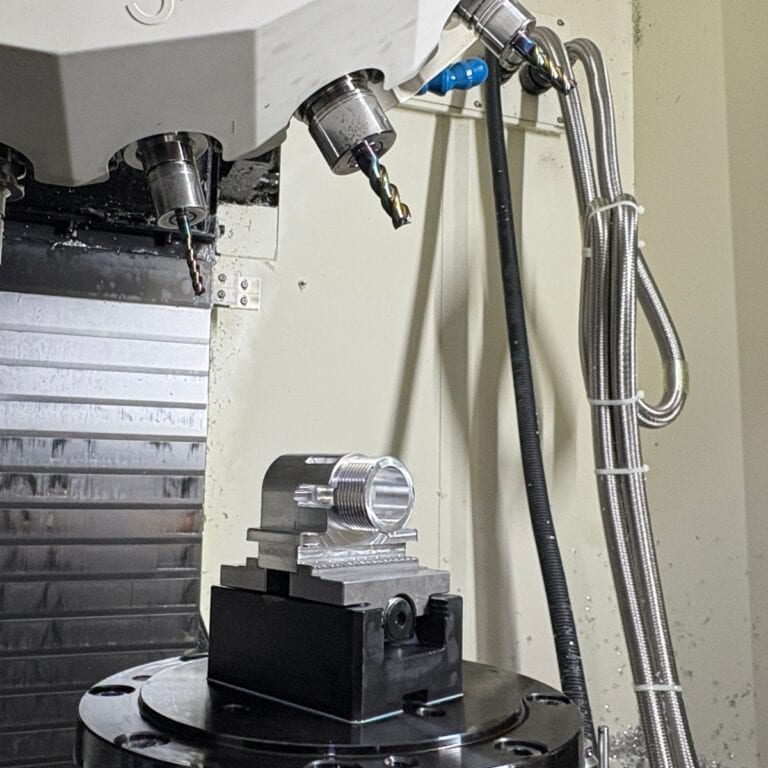
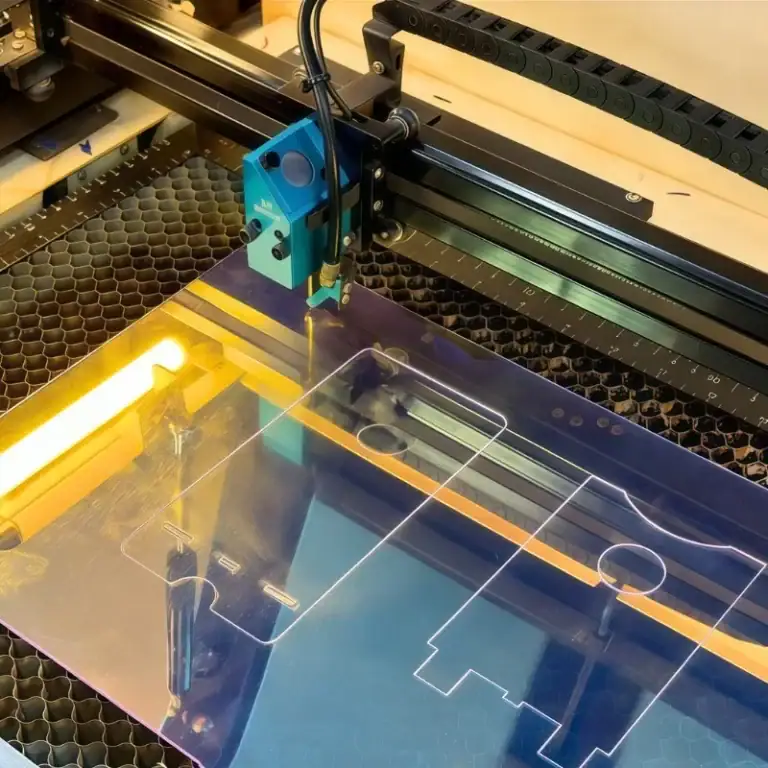
Types of plastic materials used in engineering and CNC machining play a critical role when components must maintain rigidity, dimensional stability, and load-bearing capability. Compared with metals, plastic materials offer advantages such as lower weight, corrosion resistance, electrical insulation, and design flexibility—while still meeting functional performance requirements in many applications.
This article covers 15 commonly used plastic materials in engineering, highlighting their mechanical properties, machinability, and typical applications. It explains how engineers evaluate and select the right plastic material based on real-world CNC machining requirements for prototypes and production parts.
What Is Plastic Made Of?
Plastic is made from polymers, long chains of molecules bonded together, typically derived from natural resources like petroleum, natural gas, and renewable biomass. The plastic-making process involves polymerization, where smaller molecules (monomers) bond to form long polymer chains. These chains provide plastics with properties like flexibility, strength, and durability, which are crucial in CNC machining.
In addition to polymers, plastics can also contain additives like colorants, stabilizers, plasticizers, and flame retardants, which are mixed in to improve the plastic’s performance for specific applications. Depending on the type of plastic being produced, different polymers and additives are used to achieve desired characteristics such as strength, transparency, or resistance to heat and chemicals, all of which impact how the plastic can be used in CNC machining processes.
For example, polyethylene (PE), one of the most common plastics, is made from the polymerization of ethylene monomers, while polycarbonate (PC) is made from the polymerization of bisphenol-A (BPA) and phosgene. The specific materials used in the plastic manufacturing process depend on the application requirements, making plastics incredibly versatile across various industries like automotive, packaging, electronics, and medical devices, and optimized for precision in CNC machining.
What Are the 15 Types of Plastics?
Plastics used in CNC machining manufacturing include engineering materials such as POM, Nylon, PTFE, ABS, PC, PEEK, and acrylic. These plastics are widely used in manufacturing because they provide high strength, dimensional stability, chemical resistance, and good machinability. The following section introduces 15 common plastics frequently used in CNC machining and explains their key properties and typical applications.
1.Acrylic or Polymethyl Methacrylate (PMMA)
Acrylic or Polymethyl Methacrylate (PMMA) is one of the most widely used transparent engineering plastics, known for its exceptional optical clarity, UV resistance, and high-quality surface finish. With light transmission reaching up to 92%, it is often used as a lightweight and shatter-resistant alternative to glass in many industrial and commercial applications. In addition to its transparency, PMMA offers good weather resistance, making it suitable for both indoor and outdoor environments where long-term exposure is required.

In CNC machining, PMMA cuts cleanly and can achieve a smooth, high-gloss finish, making it ideal for transparent panels, display components, optical housings, and protective covers. However, acrylic is relatively brittle and has lower impact resistance compared with polycarbonate.
It is also sensitive to heat during machining, which can cause melting or edge whitening if cutting parameters are not properly controlled. Engineers typically select PMMA when visual clarity and surface aesthetics are more important than mechanical strength.
2. Polycarbonate (PC)
Polycarbonate (PC) is a high-performance transparent engineering plastic widely recognized for its exceptional impact resistance and toughness. Compared with other clear plastics such as acrylic, polycarbonate provides significantly higher durability while still maintaining good optical properties. This unique combination of strength and transparency makes it one of the most reliable materials for applications requiring both visibility and mechanical protection.
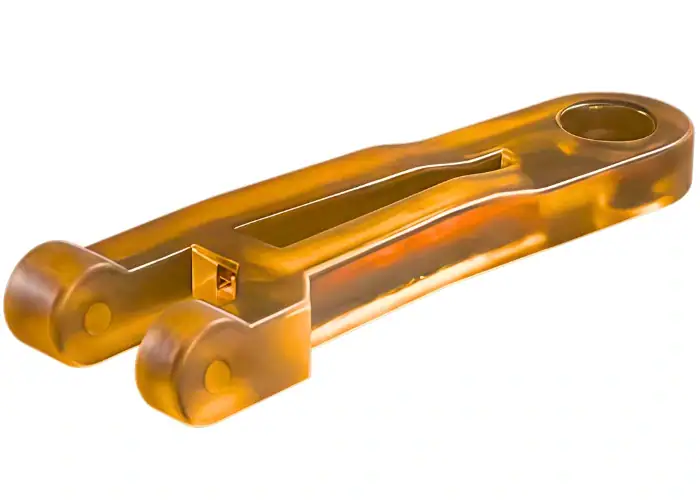
It is commonly used in safety guards, machine covers, protective shields, and structural transparent components in industrial environments. Polycarbonate can withstand heavy impact without cracking, which makes it especially suitable for protective applications around moving equipment.
During CNC machining, polycarbonate requires careful heat control. Excessive cutting temperature may cause melting, internal stress, or surface haze, so optimized cutting parameters and sharp tooling are essential.
3. Acrylonitrile Butadiene Styrene(ABS)
Acrylonitrile Butadiene Styrene(ABS)is a versatile thermoplastic material widely used in both prototyping and production due to its balanced mechanical properties and cost efficiency. It combines good strength, impact resistance, and rigidity with relatively easy machinability, making it one of the most popular plastics in CNC machining. ABS is especially favored in product development stages where rapid iteration and cost control are important.
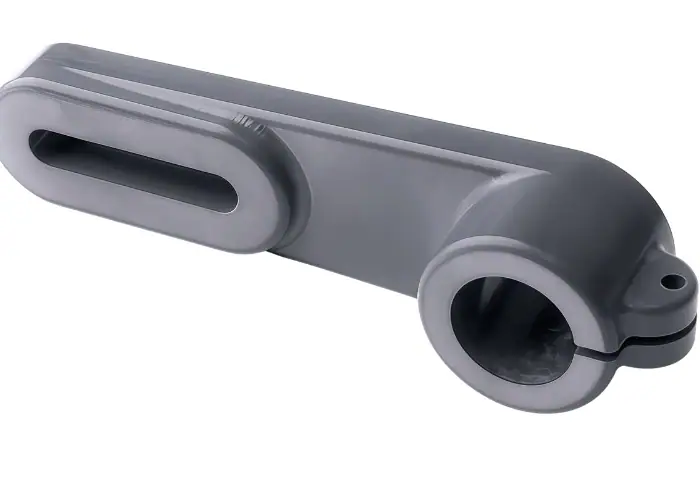
It machines easily, produces stable chips, and maintains good dimensional accuracy. As a result, ABS is widely used for equipment housings, brackets, fixtures, and mechanical prototypes.
However, ABS has moderate heat resistance and limited chemical stability compared with engineering plastics such as PEEK or PPS. For this reason, it is typically used in indoor applications or moderate-duty environments.
4.Polyoxymethylene (POM, also known as Delrin)
Polyoxymethylene (POM, also known as Delrin) or Delrin, is a high-performance engineering plastic commonly used for precision mechanical components that require tight tolerances and smooth operation. It is valued for its excellent stiffness, low friction coefficient, and outstanding dimensional stability, which allow it to maintain consistent performance under mechanical stress.
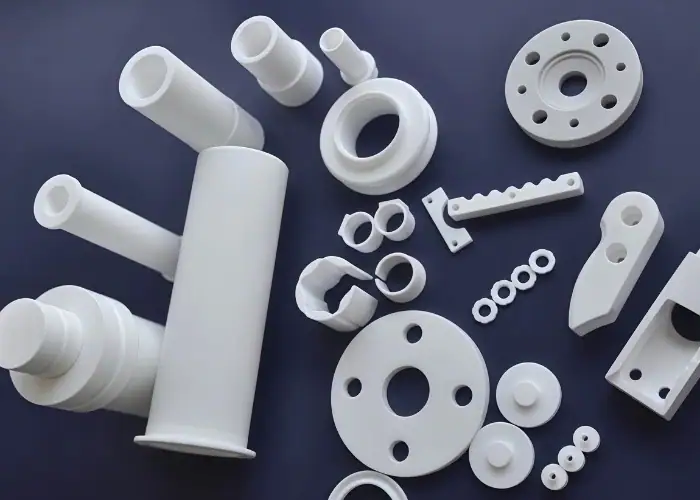
In CNC machining, POM produces clean chips and smooth surfaces, making it ideal for gears, bushings, sliders, and bearing components. Its natural lubricity allows moving parts to operate smoothly without additional lubrication.
The material also maintains tight tolerances, which is critical for high-precision applications. Engineers often select acetal when consistent performance, wear resistance, and dimensional accuracy are required.
5. Polyamide (Nylon)
Polyamide (Nylon) is a strong and durable engineering plastic widely used in applications that involve mechanical load, friction, and repeated motion. It is known for its excellent wear resistance, high impact strength, and good fatigue performance, which make it suitable for demanding industrial environments. Nylon is often chosen for components that need to withstand continuous movement and mechanical stress.
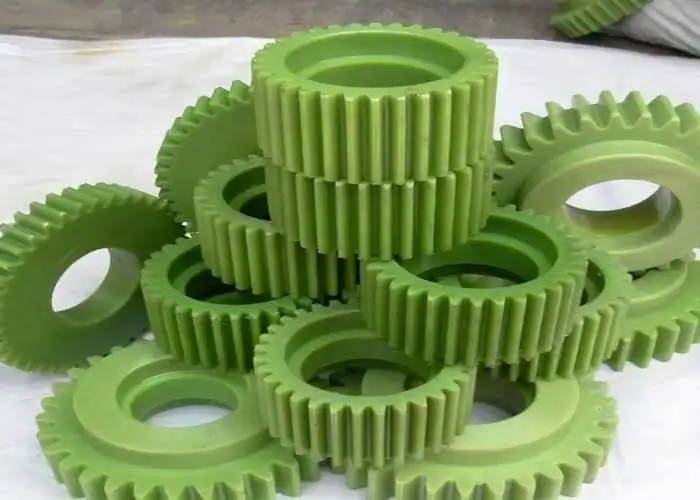
Common applications include gears, rollers, bushings, and structural machine elements. In CNC machining, nylon performs well but requires proper control of cutting conditions to avoid deformation caused by heat.
One important consideration is that nylon absorbs moisture from the environment, which can lead to dimensional changes over time. Engineers must account for humidity and operating conditions when designing nylon components.
6. High-Density Polyethylene (HDPE)
High-Density Polyethylene (HDPE) is a tough and chemically resistant thermoplastic widely used in industrial environments where durability, corrosion resistance, and low cost are important. It performs well under harsh conditions, including exposure to moisture, chemicals, and outdoor environments, which makes it a reliable choice for non-structural industrial components. Its excellent impact resistance, even at low temperatures, also makes it suitable for heavy-duty applications.
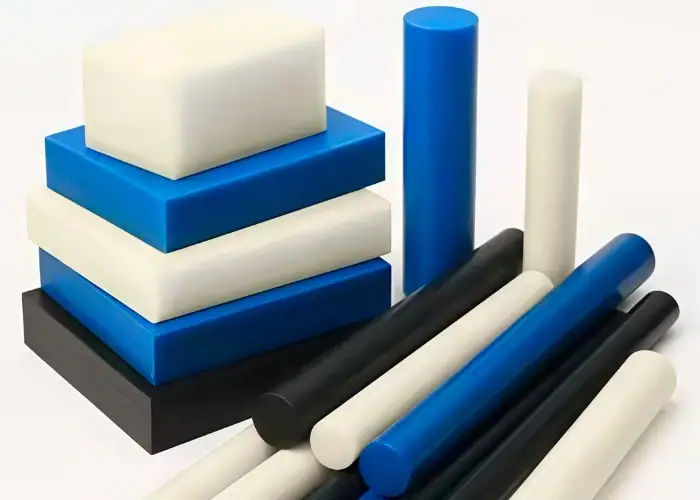
In CNC machining, HDPE cuts easily and produces smooth chips, allowing efficient processing of large components such as tanks, liners, wear strips, and chemical-handling parts. It is also lightweight and easy to fabricate.
However, HDPE has relatively low stiffness compared with engineering plastics like POM or PET. Under load, it can deform more easily, so it is generally not recommended for high-precision or tight-tolerance components.
7. Polyvinyl Chloride (PVC)
Polyvinyl Chloride (PVC) is a widely used industrial plastic known for its excellent chemical resistance, electrical insulation properties, and cost efficiency. It is commonly used in fluid handling systems and electrical applications where corrosion resistance and durability are required. PVC also offers good flame resistance, making it suitable for safety-critical environments.
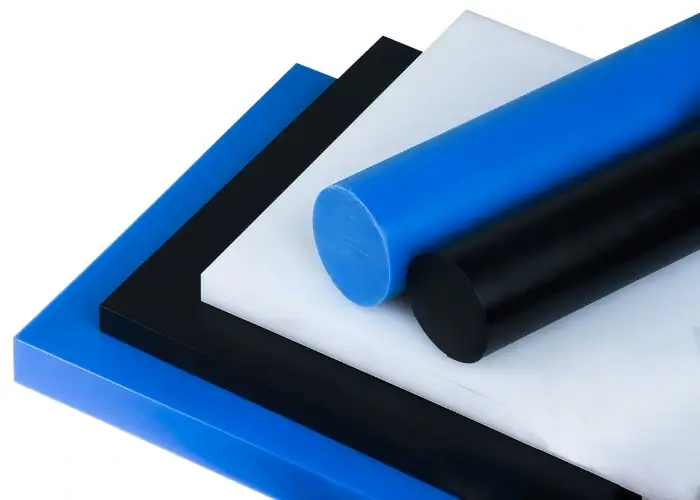
In CNC machining, rigid PVC produces stable chips and can achieve clean surface finishes using standard cutting tools. It is often used for piping systems, valve components, electrical enclosures, and chemical processing equipment.
However, PVC has limited heat resistance and may soften under elevated temperatures. Engineers typically avoid using it in high-temperature environments or applications requiring high mechanical strength.
8. Polyethylene Terephthalate (PET)
Polyethylene Terephthalate (PET) is an engineering plastic that provides a good balance of stiffness, strength, and dimensional stability. Compared with nylon, PET has lower moisture absorption, which allows it to maintain more consistent dimensions under varying environmental conditions. This makes it a preferred choice for applications where precision and stability are critical.
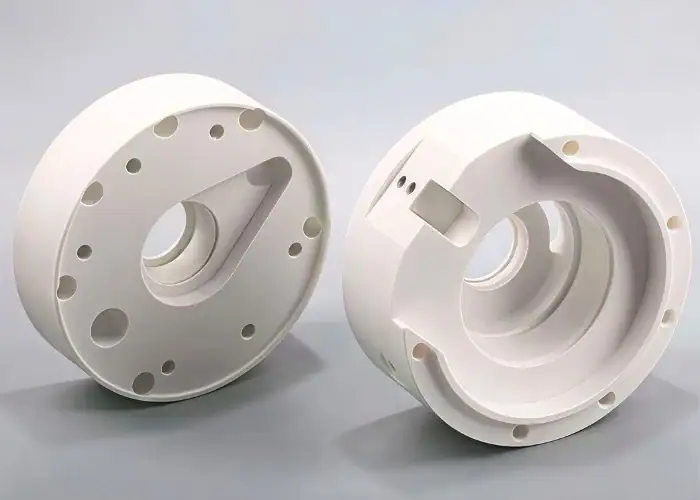
In CNC machining, PET performs well and can achieve smooth surfaces and tight tolerances. It is commonly used for precision plates, wear components, and mechanical parts that require long-term dimensional accuracy.
PET is often selected in industrial applications where moderate mechanical strength and stability are required without the drawbacks of moisture sensitivity.
9. Polyethylene Terephthalate Glycol (PETG)
Polyethylene Terephthalate Glycol (PETG) is a modified version of PET that offers improved toughness, impact resistance, and transparency. It is widely used in applications where both visual clarity and durability are required. Compared with acrylic, PETG is less brittle and easier to process, making it a more forgiving material in manufacturing.
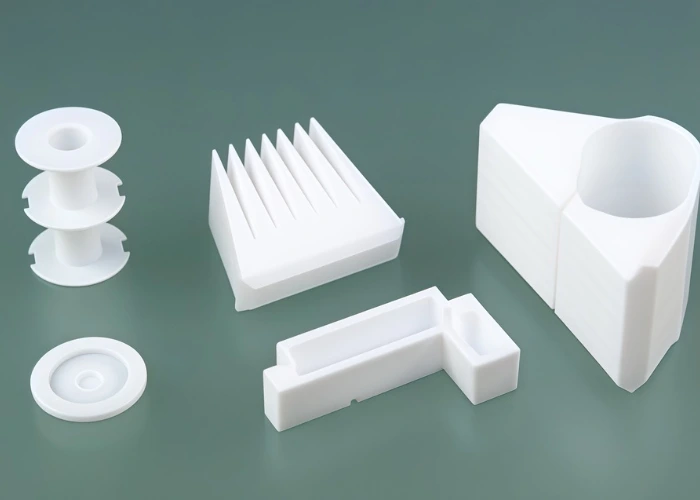
In CNC machining, PETG is relatively easy to cut and can produce smooth finishes with proper tooling. It is commonly used for protective guards, transparent covers, and display components in industrial and commercial settings.
However, PETG is softer than PET and can scratch more easily. For applications requiring higher surface hardness or wear resistance, engineers may consider alternative materials.
10. Polybutylene Terephthalate (PBT)
Polybutylene Terephthalate (PBT) is an engineering plastic widely used in electrical and electronic applications due to its stable mechanical, thermal, and electrical properties. It provides good dimensional stability and low moisture absorption, which helps maintain consistent performance over time.
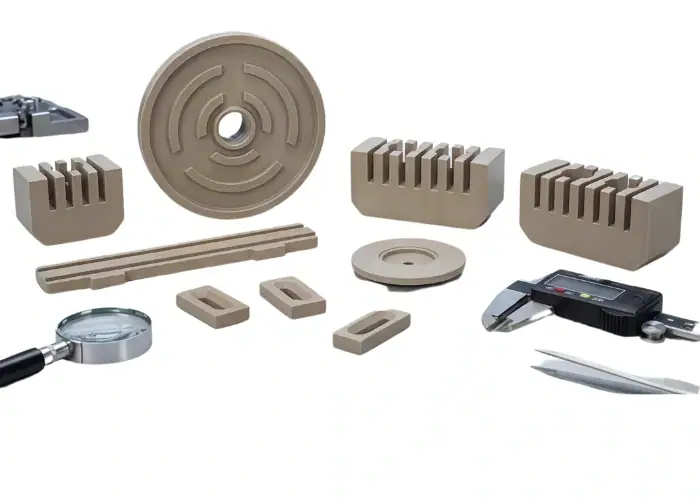
In manufacturing, PBT is commonly used for connectors, switch housings, and electronic components that require insulation and reliability. It can also be used in automotive electrical systems where durability is important.
Although PBT machines well, it is typically selected for its insulation properties rather than maximum mechanical strength, making it more suitable for functional electrical components.
11. Polyphenylene Sulfide (PPS)
Polyphenylene Sulfide (PPS) is a high-performance engineering plastic known for its exceptional chemical resistance, high-temperature capability, and dimensional stability. It can operate continuously at temperatures above 200°C, making it suitable for demanding industrial environments.
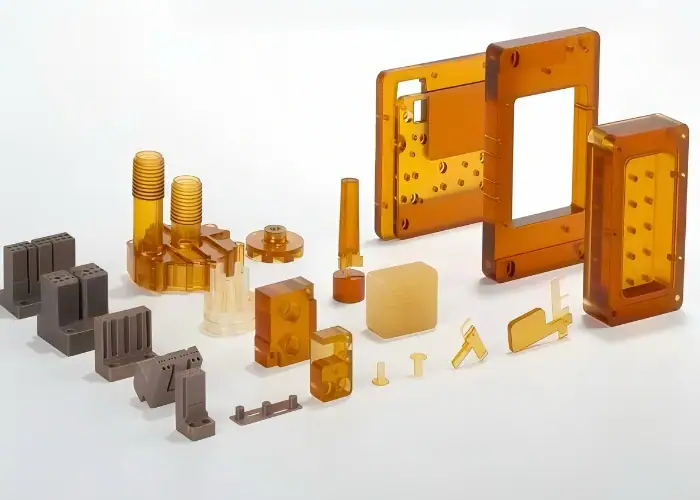
It is frequently used in pump components, valve parts, and semiconductor equipment where exposure to aggressive chemicals and high temperatures is common. PPS maintains its mechanical properties even under extreme conditions.
Although PPS is more expensive and slightly more challenging to machine than standard plastics, its reliability and long-term performance often justify the cost in critical applications.
12.Polyetherimide (PEI, also known as Ultem)
Polyetherimide (PEI, also known as Ultem), commonly known by the trade name Ultem, is a high-strength engineering plastic that offers excellent thermal stability, rigidity, and flame resistance. It is widely used in industries that require high performance under elevated temperatures and strict regulatory standards.
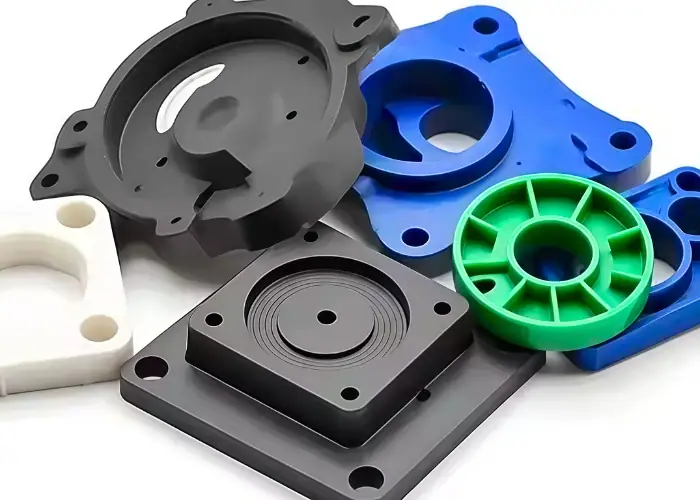
Typical applications include aerospace components, medical devices, and electrical systems where strength and heat resistance are essential. PEI also provides good dimensional stability and consistent performance under load.
Compared with other high-temperature plastics, PEI machines relatively well, making it a practical choice for precision structural components in demanding environments.
13.Polyphenylsulfone (PPSU)
Polyphenylsulfone (PPSU) is a high-performance engineering plastic known for its exceptional toughness, chemical resistance, and thermal stability. It offers outstanding resistance to repeated steam sterilization, making it highly suitable for demanding medical and laboratory environments.
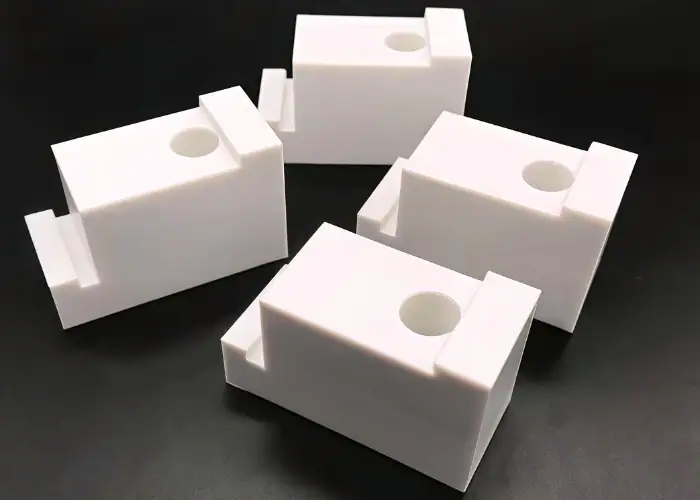
PPSU is widely used in applications such as medical instruments, fluid handling systems, and food-processing equipment, where hygiene, durability, and long-term reliability are critical. It maintains its mechanical properties even under high temperatures and exposure to aggressive cleaning agents.
Although PPSU is more expensive than standard plastics, it is often the preferred choice for applications that require repeated sterilization, high impact resistance, and compliance with strict industry standards.
14. Polyetheretherketone (PEEK)
Polyetheretherketone (PEEK) is one of the most advanced and high-performance engineering plastics available. It offers exceptional mechanical strength, outstanding chemical resistance, and the ability to maintain its properties at temperatures up to around 250°C.

It is widely used in aerospace components, semiconductor manufacturing equipment, and medical implants where extreme performance is required. PEEK can replace metal in some applications due to its strength-to-weight advantages.
Although PEEK machines well with proper tooling, it is significantly more expensive than most plastics. It is typically selected only when no other material can meet the required performance standards.
15. Polytetrafluoroethylene (PTFE)
Polytetrafluoroethylene (PTFE) is widely known for its extremely low coefficient of friction and outstanding chemical resistance. It is one of the most chemically inert materials available, making it ideal for use in aggressive chemical environments.
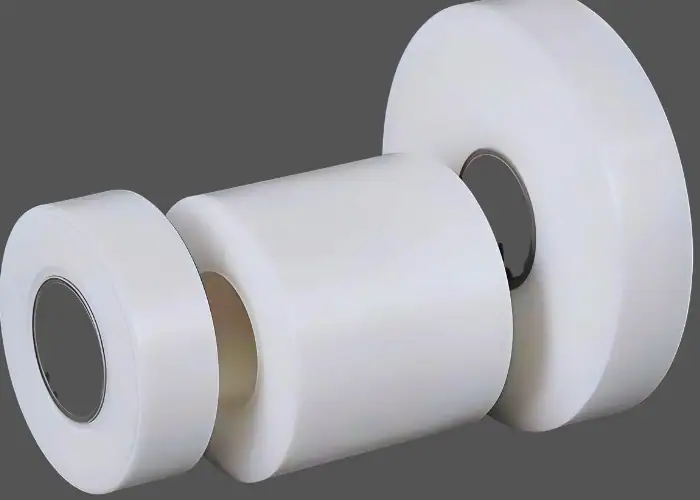
It is commonly machined into seals, gaskets, valve seats, and low-friction components used in fluid handling systems. PTFE allows smooth movement and reduces wear in sliding applications.
However, PTFE is relatively soft and has low mechanical strength. It can deform under load, so it is often reinforced or used in combination with other materials when structural support is required.
Grouping Plastics by Engineering Application
Transparent plastics
Include PMMA, PC, and PETG. These materials are commonly used when optical clarity or visual inspection is required. PMMA offers excellent transparency and surface finish, PC provides higher impact resistance, and PETG balances clarity with easier forming and machining.
Low-friction and wear-resistant plastics
Include POM, Nylon, and PTFE. These materials are widely used for gears, bushings, sliding mechanisms, and moving components. Their low friction coefficient and good wear behavior help improve service life in mechanical systems.
High-temperature engineering plastics
Include PPS, PEI, and PEEK. These materials maintain strength and dimensional stability at elevated temperatures and in chemically aggressive environments. They are often used in aerospace, electronics, and high-performance industrial components.
Cost-effective structural plastics
Include ABS, PVC, and HDPE. These materials provide reasonable strength and chemical resistance at lower cost, making them suitable for housings, covers, fixtures, and general mechanical structures where extreme performance is not required.
Grouping plastics by application allows engineers to quickly identify candidate materials and then refine the selection based on tolerance requirements, operating conditions, manufacturability, and overall production cost.
Engineering Properties and Material Selection of Plastics
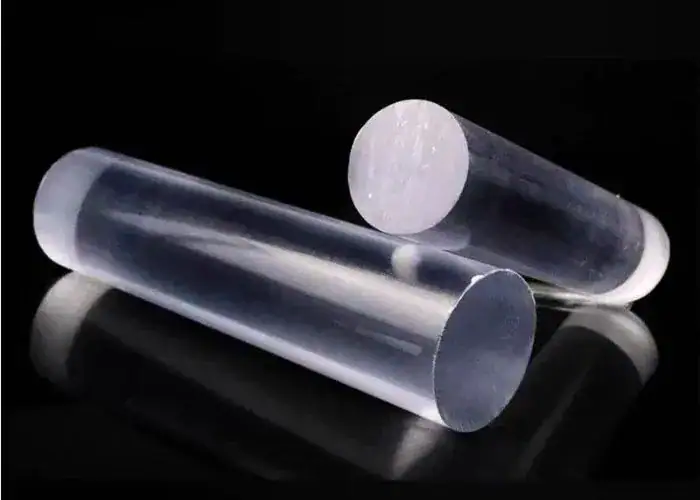
Plastics are widely used in engineering because they are lightweight, corrosion-resistant, and easy to shape. Compared with metals, they can be customized for different needs, making them ideal for CNC machining parts such as housings, gears, and precision components. Engineers choose plastics by balancing strength, durability, machinability, and cost to ensure reliable performance in real applications.
Mechanical Strength and Load Requirements
Different plastics provide varying levels of strength and stiffness, which directly affect their ability to carry mechanical loads. Engineering plastics such as POM, Nylon, and PEEK offer good rigidity, wear resistance, and fatigue performance, making them suitable for gears, bushings, and structural components. Materials like ABS and HDPE are more appropriate for lightweight or cost-sensitive applications.
Dimensional Stability and Creep Behavior
Plastics can gradually deform under continuous stress over time, a phenomenon known as creep. Materials such as POM, PET, and PEEK provide better dimensional stability and are widely used in precision components requiring tight tolerances. Some plastics like Nylon absorb moisture, which can lead to dimensional changes and must be considered during design and machining.
Thermal and Environmental Resistance
Environmental factors such as temperature, moisture, chemicals, and UV exposure significantly affect plastic performance. High-performance plastics like PPS, PEI, and PEEK can maintain strength and stability in harsh conditions, including high-temperature environments. These materials are commonly used in aerospace, medical devices, and industrial equipment where reliability is critical.
Machinability and Manufacturing Efficiency
Many plastics are well-suited for CNC machining due to their good machinability and stable cutting behavior. Materials such as POM, ABS, and PET produce clean cuts and maintain dimensional accuracy. However, cutting parameters must be carefully controlled to prevent heat buildup, deformation, and surface defects during machining processes.
Application-Driven Material Selection
In practice, engineers select plastics based on specific application requirements. POM and Nylon are commonly used for wear-resistant components like gears and bushings. PC and PMMA are preferred for transparent applications, while PEI and PEEK are selected for high-temperature environments requiring strength, stability, and long-term performance.
Design and Manufacturing Considerations
Designing and manufacturing parts with plastics requires understanding how polymer materials behave during CNC machining and in real operating environments. Compared with metals, plastics are more sensitive to heat, stress concentration, and environmental factors. Engineers must consider material behavior, structural design rules, and machining parameters to ensure dimensional stability and long-term performance.
Material Behavior During Machining
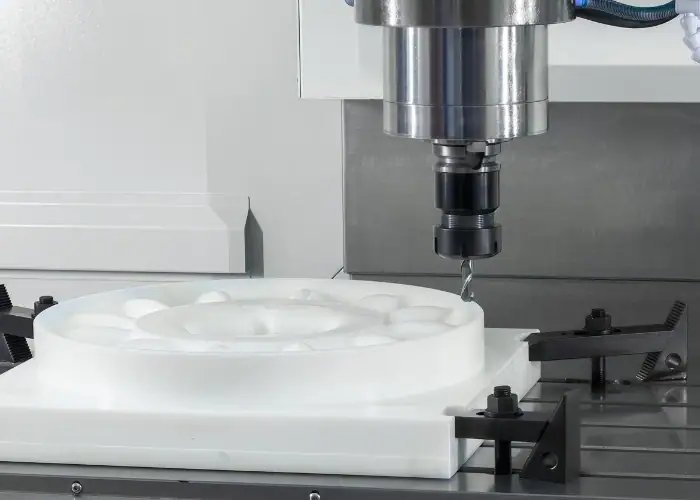
Plastics respond differently to machining compared with metals. Factors such as thermal expansion, creep under sustained load, moisture absorption, and chemical sensitivity can affect dimensional accuracy and long-term stability. If these effects are ignored, parts may deform, drift out of tolerance, or develop cracks after installation.
Structural Design Guidelines
Proper structural design improves strength and durability in plastic components. Maintaining consistent wall thickness, smooth transitions, and generous internal radii helps reduce stress concentration. These design choices also improve dimensional stability during machining and in service.
Tolerance and Dimensional Control
Tolerance requirements for plastic parts should be realistic. Plastics expand more with temperature and may deform under machining forces. Applying extremely tight tolerances can increase machining time and cost without improving functional performance.
Workholding and Fixturing Considerations
Fixturing plays an important role in plastic machining. Thin walls, long features, or asymmetrical geometries may distort when clamped. Proper workholding methods and balanced cutting strategies help maintain dimensional accuracy.
CNC Machining Parameters for Plastics
Although most plastics machine well, CNC parameters must be optimized for polymer materials. Cutting speed, feed rate, tool geometry, and cooling strategy all influence heat generation and internal stress. Effective thermal control helps prevent melting, surface tearing, and poor surface finish.
What Are the Fields of Plastic Applications?
Plastics play a crucial role in modern manufacturing due to their versatility, cost-effectiveness, and exceptional performance. From everyday consumer products to advanced aerospace components, plastics are widely used across various industries. Their lightweight, durable, and easy-to-manufacture characteristics make them a preferred material for many engineering applications.
This table format makes it easy for readers to quickly understand the different fields of plastic applications while keeping the content concise and clear:
| Application Field | Common Plastic Materials | Features and Applications |
|---|---|---|
| 1.Packaging | PET, HDPE, LDPE | Used in beverage bottles, food packaging, and plastic bags, offering excellent protection and molding flexibility at low cost. |
| 2.Automotive | PP, ABS | Used in bumpers, dashboards, and interior parts, reducing vehicle weight and improving fuel efficiency. |
| 3.Electronics | ABS, Polycarbonate (PC), Nylon | Used for housings, connectors, switches, providing electrical insulation and durability. |
| 4.Medical Devices | PVC, Polypropylene (PP), Acrylic (PMMA) | Used for syringes, IV bags, medical tubing, offering sterilizability, flexibility, and durability. |
| 5.Construction | PVC, HDPE | Used in piping systems, insulation materials, and window frames, providing durability and environmental resistance. |
| 6.Consumer Goods | PP, PE | Used in toys, furniture, kitchenware, and packaging, offering strength, flexibility, and cost efficiency. |
| 7.Aerospace | PEEK, PPS, Polycarbonate (PC) | Used for interior components, engine parts, and structural components, providing high strength and high-temperature resistance. |
FAQs
What type of material is plastic?
Plastic is a polymer-based material made up of long-chain molecules formed through chemical processes. Derived mainly from petroleum, natural gas, or biomass, plastics are lightweight, corrosion-resistant, and ideal for CNC machining. They offer high durability and flexibility, making them suitable for precision parts in a variety of industries. They also have excellent electrical insulation properties.
Which type of materials includes plastics and elastomers?
Plastics and elastomers are both polymeric materials, but with different mechanical properties. Plastics are rigid and used in structural applications, offering strength and stability. Elastomers, on the other hand, are flexible and elastic, making them ideal for seals, gaskets, and components that require high flexibility and resistance to deformation. Their differences determine their role in various engineering applications.
What type of material is carbon fibre reinforced plastic?
Carbon fibre reinforced plastic (CFRP) is a composite material combining high-strength carbon fibers with a polymer matrix, usually epoxy resin. This gives CFRP a great strength-to-weight ratio, stiffness, and fatigue resistance. It’s widely used in aerospace, automotive, and high-performance applications where weight reduction is critical. Unlike standard plastics, CFRP is formed using methods like lay-up, molding, or autoclave curing, not conventional CNC machining.
What plastic materials are commonly used in car bumpers?
Car bumpers are commonly made from impact-resistant thermoplastics such as PP, ABS, PC/ABS blends, and TPO. These materials absorb energy during collisions, reducing damage and improving safety. They also offer weather resistance, durability, and cost-efficiency, making them ideal for large-scale automotive production. These plastics can be molded into complex shapes, meeting both functional and aesthetic vehicle requirements.
How can you determine the type of plastic material?
The type of plastic can be identified through part markings, recycling codes, or engineering drawings. For more precision, techniques such as density testing, burn testing, thermal analysis, or FTIR spectroscopy are used. These methods help identify the chemical composition and material properties. Proper identification ensures the correct material is selected for manufacturing, repair, and quality control.
Conclusion
Selecting the right plastic is not about choosing the strongest material, but understanding how different plastics behave under real engineering conditions. Load, temperature, wear, environment, and machining stability all affect performance in CNC-machined parts.
At TiRapid, we help engineers and buyers evaluate plastic selection and CNC machining feasibility based on functional needs, tolerances, and cost targets. Send us your drawings for a fast engineering review.