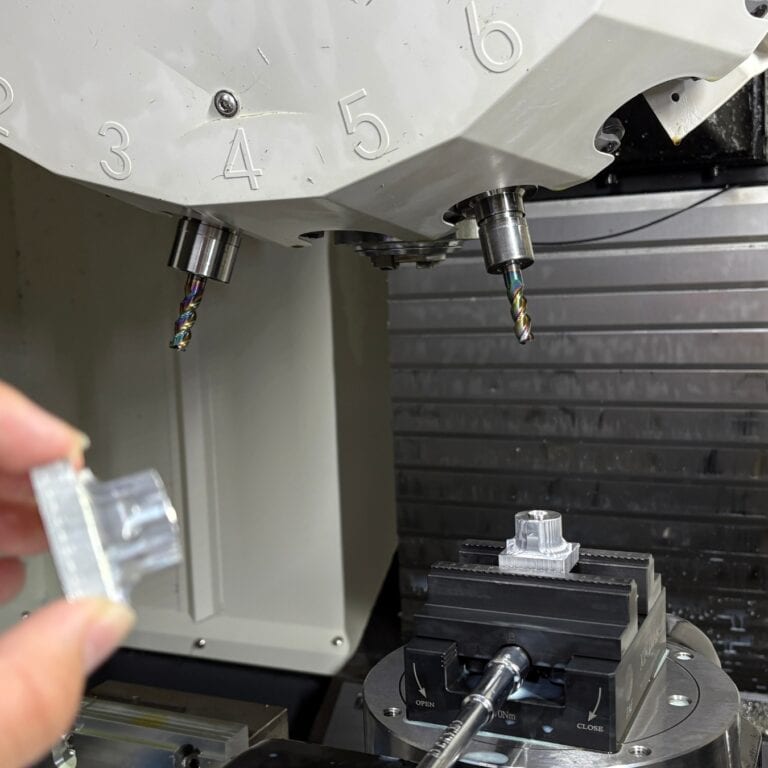
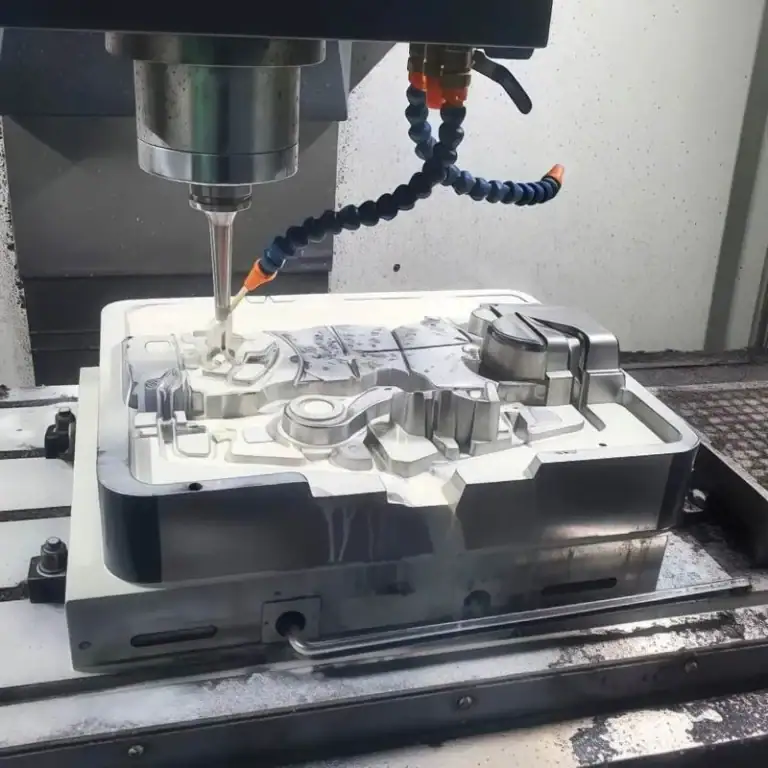
Types of metal fabrication processes play a critical role in modern manufacturing, transforming raw materials into functional components while improving precision, efficiency, durability, and consistent product reliability across industries such as automotive, aerospace, and industrial equipment.
This guide explores 14 common metalworking processes and helps you select the appropriate method.
What Is Metal Fabrication?
Metal fabrication refers to the process of transforming raw metal materials into finished parts or structures through cutting, forming, joining, and finishing operations. These processes convert metal sheets, plates, or bars into functional components used in real engineering applications.
In practice, fabrication is a complete workflow that combines engineering design, process planning, and manufacturing execution. It goes beyond simply shaping materials, focusing instead on achieving precise geometry, functional performance, and proper assembly fit. Compared with basic metal processing, fabrication integrates multiple processes to deliver ready-to-use products.
For engineers, metal fabrication is critical because it directly affects part strength, dimensional accuracy, and long-term reliability. For procurement and project teams, it impacts cost, lead time, and production scalability. A well-optimized fabrication process ensures consistent quality, efficient manufacturing, and reliable performance in real-world applications.
14 Types of Metal Fabrication Processes
Metal fabrication includes a range of processes used to transform raw materials into functional components. Each method serves a specific purpose depending on geometry, material properties, and production requirements. Understanding these processes helps engineers select the most efficient and cost-effective solution for manufacturing.
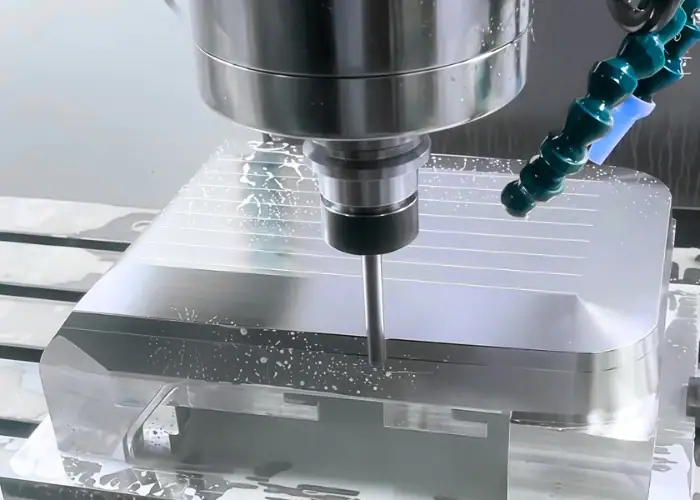
1. CNC Milling
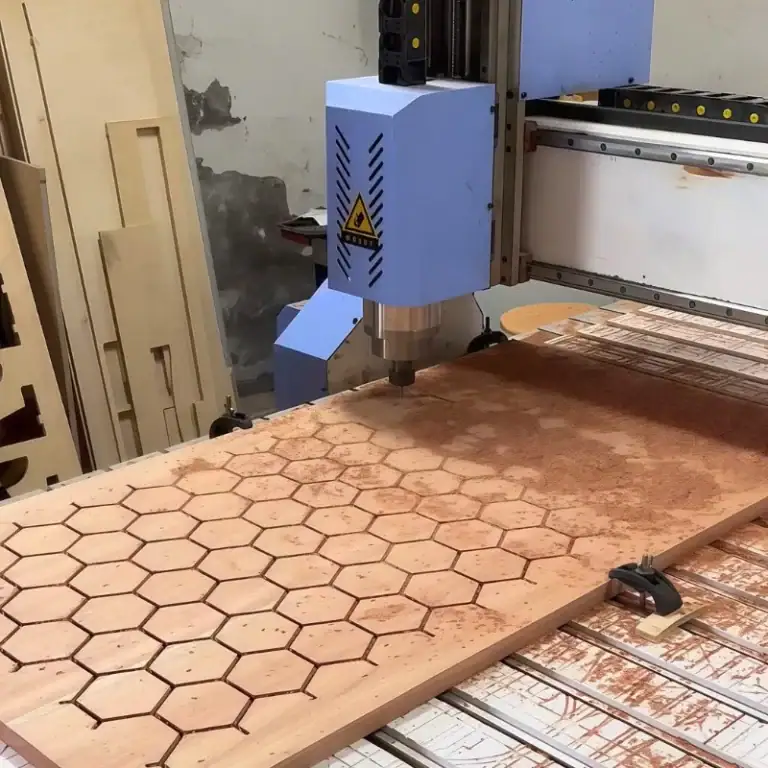
Milling is a precision machining process that removes material using rotating cutting tools to create complex shapes, slots, and surfaces. It is widely used for producing parts with flat surfaces, pockets, and detailed geometries. Milling offers high accuracy and flexibility, making it suitable for both prototyping and production. In practice, milling is ideal for components requiring tight tolerances and multi-axis machining. It is commonly applied in aerospace, automotive, and industrial equipment manufacturing where precision and repeatability are critical.
2.CNC Turning
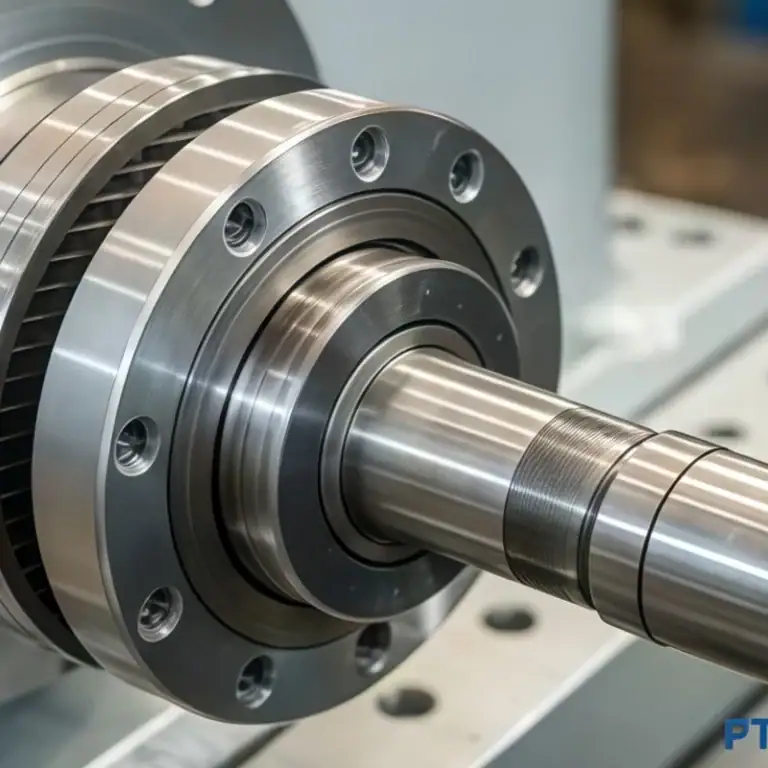
Turning is a machining process that removes material by rotating the workpiece against a cutting tool. It is mainly used to produce cylindrical parts such as shafts, pins, bushings, and threaded components. Turning offers high precision, good concentricity, and excellent surface finish, making it ideal for rotational geometries and critical dimensions. It is widely used in aerospace, automotive, and precision engineering applications. In practice, I rely on turning when parts require accurate diameters, smooth finishes, and efficient production of round features.
3. Cutting
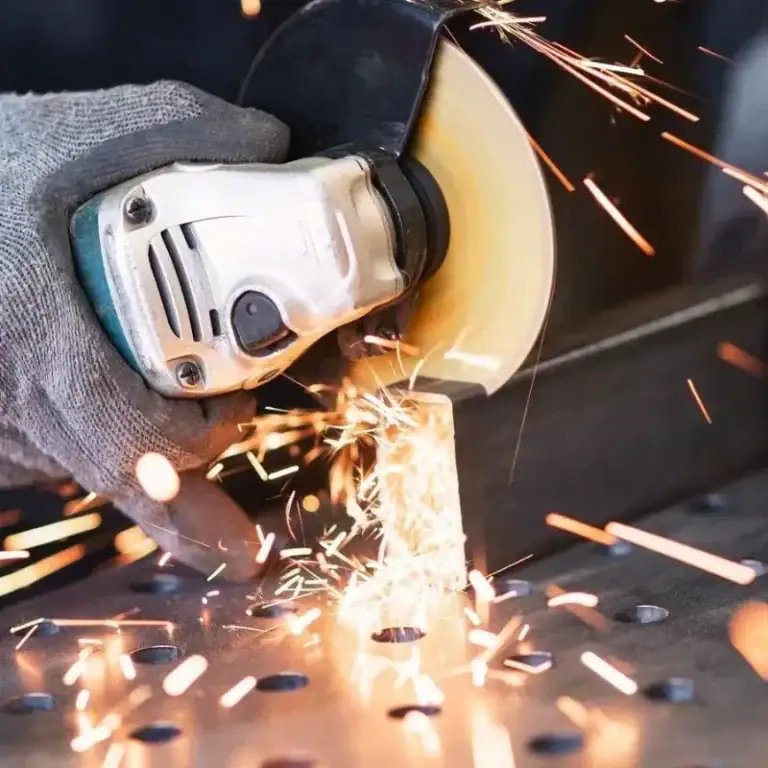
Cutting is the primary step in most metal fabrication workflows, used to remove material and define the initial geometry of a part. Common methods include laser cutting, plasma cutting, waterjet cutting, and sawing. Laser cutting provides excellent precision and clean edges for thin materials, while plasma and waterjet are more suitable for thicker metals and heavy-duty applications. The selection of cutting technology directly impacts edge quality, heat-affected zones, and downstream processes such as bending or welding. In practice, I often choose laser cutting for precision sheet metal parts and waterjet cutting when avoiding thermal distortion is critical.
4. Shearing
Shearing is a mechanical cutting process used to produce straight-line cuts in sheet metal without generating chips or excessive heat. It is highly efficient for high-volume production and is widely used for preparing flat blanks before further processing. Shearing is best suited for simple geometries where speed and cost are more important than complexity. However, it is limited to straight cuts and may introduce slight edge deformation if not properly controlled. In production environments, I typically use shearing as a cost-effective pre-processing step before bending or stamping operations.
5. Punching
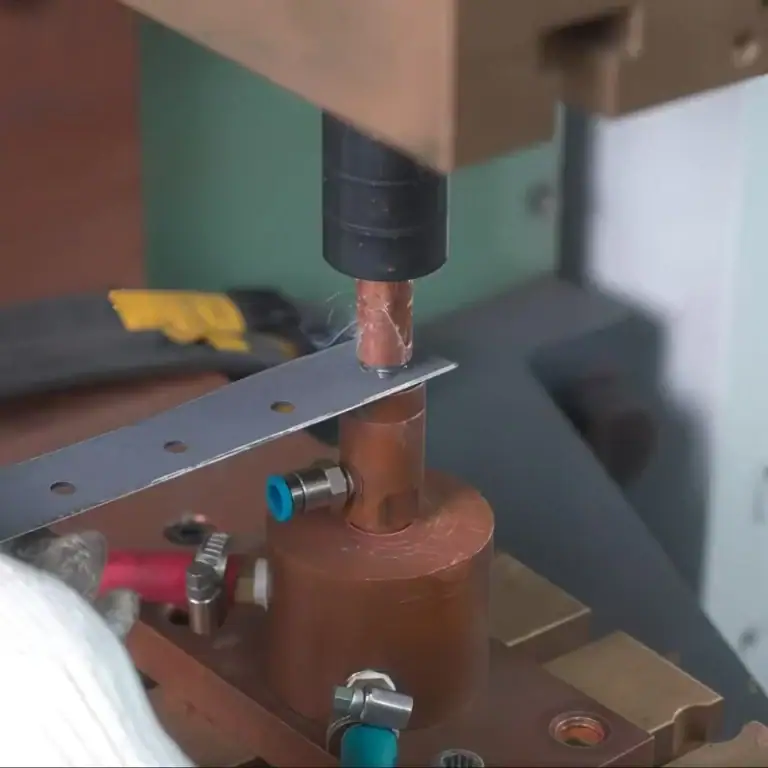
Punching is a high-speed fabrication process that uses dies and presses to create holes, slots, and cutouts in sheet metal. It is ideal for repetitive features and mass production, offering consistent accuracy and efficiency. Punching is widely applied in manufacturing electrical enclosures, panels, and brackets. The process is highly dependent on die design and material properties, as improper setup can lead to burrs or deformation. In practice, punching is often combined with bending and forming processes to create complete sheet metal assemblies.
6. Stamping
Stamping uses high-pressure dies to form metal into specific shapes, making it one of the most efficient processes for large-scale manufacturing. It is commonly used in automotive, appliance, and electronics industries, where consistent quality and low per-unit cost are essential. Stamping can produce complex geometries with tight tolerances, but requires significant upfront tooling investment. Therefore, it is best suited for high-volume production. In real applications, I recommend stamping when production quantities justify tooling costs and repeatability is critical.
7. Bending / Folding
Bending and folding processes reshape metal into angles, channels, and structural forms using press brakes or forming tools. This process is essential for producing frames, brackets, and enclosures. Key considerations include bend radius, material thickness, and springback, all of which affect final dimensions. Incorrect parameters can lead to cracking or deformation. In practice, I often adjust bend allowances based on material type and use simulation or testing to ensure accuracy. Bending is highly efficient and widely used in sheet metal fabrication workflows.
8. Drawing
Drawing is a forming process that transforms flat metal into deeper or hollow shapes by pulling it into a die cavity. Deep drawing is commonly used for cylindrical or box-shaped parts such as containers, housings, and automotive components. The process requires precise control of material flow, lubrication, and tooling design to prevent defects like thinning, wrinkling, or cracking. Drawing is particularly effective for producing seamless parts, but is limited by material ductility and tooling complexity.
9. CNC Drilling
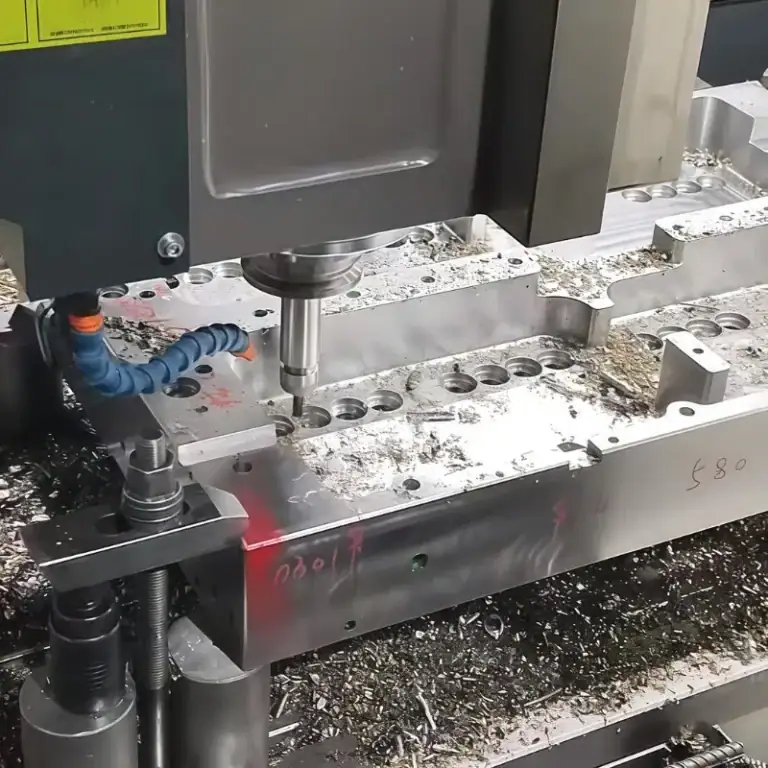
CNC drilling is a machining process used to create holes in metal parts with high positional accuracy and repeatability. It is widely used for components that require precise hole diameters, depths, and spacing for fastening, assembly, or fluid passage. CNC drilling is commonly applied in automotive, aerospace, and industrial manufacturing where consistency is critical. However, it is mainly limited to hole-making operations and is often combined with milling or turning for more complex part features. In practice, I use CNC drilling when hole accuracy and production efficiency are more important than geometric complexity.
10. Welding
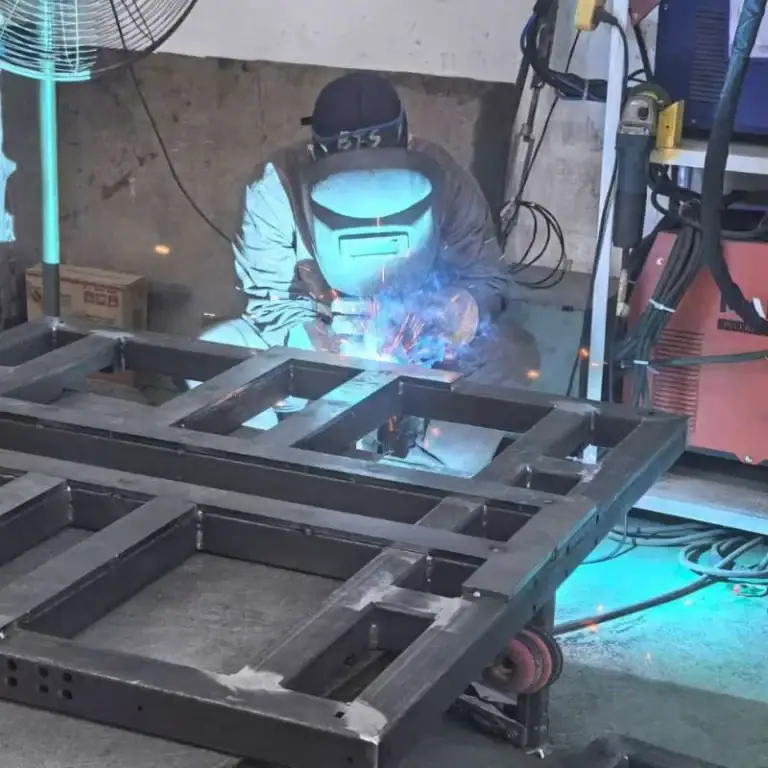
Welding is a joining process that fuses metal components using heat, pressure, or both, creating strong and permanent connections. Common methods include MIG, TIG, and spot welding, each selected based on material type, thickness, and strength requirements. Welding is essential for structural assemblies and load-bearing components. However, improper welding can lead to distortion, residual stress, or weak joints. In real applications, proper fixturing and heat control are critical to maintaining dimensional accuracy.
11. Casting
Casting involves pouring molten metal into molds to create complex shapes that are difficult to achieve through other methods. It is suitable for large components and intricate geometries, and is widely used in automotive, industrial, and heavy machinery applications. While casting offers design flexibility, it often requires secondary machining to achieve tight tolerances and surface finishes. In practice, casting is preferred when part complexity outweighs the need for high precision.
12. Forging
Forging shapes metal using compressive force, improving its internal grain structure and mechanical properties. This process produces high-strength and highly durable components, making it ideal for critical applications such as shafts, gears, and aerospace parts. Forging offers superior strength compared to casting or machining, but is limited in terms of complex geometry. It also requires specialized equipment and tooling, making it more suitable for medium to high production volumes.
13. Extrusion
Extrusion forces metal through a die to produce parts with a consistent cross-section. It is widely used for aluminum profiles, structural components, and long parts. The process is highly efficient and minimizes material waste, making it cost-effective for large production runs. However, it is limited to uniform shapes and may require secondary operations such as machining or cutting to achieve final dimensions.
14. Assembly
Assembly is the final stage of metal fabrication, where individual components are combined into a complete product. This process includes fastening, welding, alignment, and quality inspection. Proper assembly ensures that all parts fit together correctly and function as intended. Poor assembly planning can lead to misalignment, rework, or reduced product performance. In practice, I always consider assembly requirements early in the design stage to improve efficiency and reduce errors.
How Metal Fabrication Works?
Metal fabrication follows a structured workflow that converts raw metal into finished components through design, material selection, cutting, forming, joining, and finishing. Each stage affects dimensional accuracy, production efficiency, cost, and final part performance. A well-planned process helps manufacturers maintain quality while reducing waste, rework, and production risk in both general fabrication and
1. Design and Engineering Preparation
The process typically begins with CAD design, engineering analysis, and production planning. At this stage, engineers define part geometry, tolerances, surface finish requirements, and functional features. They also review how the part will be manufactured, assembled, and inspected. Good engineering preparation reduces production risk early by identifying challenging features, unnecessary tolerances, or design elements that may increase cost or create fabrication difficulties.
Material selection is also part of this stage. Engineers evaluate factors such as strength, corrosion resistance, machinability, weldability, weight, and cost. Choosing the right material is essential because it directly affects how the part will respond to cutting, bending, welding, and finishing operations later in the workflow, especially in CNC machining manufacturing environments.
2. Cutting and Forming Operations
Once the design is confirmed, fabrication moves into material preparation and shaping. Cutting processes such as laser cutting, plasma cutting, waterjet cutting, or sawing are used to separate raw stock into the required blank or near-net shape. The cutting method is selected based on thickness, required precision, edge quality, and production volume.
After cutting, forming processes are used to create the required geometry. These may include bending, rolling, stamping, punching, or deep drawing, depending on the part design. Forming is especially important in sheet metal fabrication, where dimensional consistency, bend accuracy, and material behavior all influence final quality. At this stage, springback, deformation, and tooling setup must be controlled carefully to ensure the part matches design intent.
3. Machining, Joining, and Assembly
When tighter tolerances or more complex features are required, machining operations are added to the process. CNC milling and turning are commonly used to create holes, slots, threads, precision surfaces, and complex geometries that cannot be achieved through forming alone. In CNC machining manufacturing environments, these operations are critical for maintaining high accuracy and repeatability.
Once individual features are complete, parts move into joining and assembly. Welding, riveting, fastening, or other joining methods are used to combine components into a final structure. The selection of joining method depends on material type, structural requirements, service conditions, and cost targets. Proper fixturing, alignment, and sequence control are essential at this stage because errors in joining can lead to distortion, dimensional mismatch, or assembly failure.
4. Finishing, Inspection, and Quality Control
After fabrication and assembly, finishing processes are applied to improve appearance, durability, and corrosion resistance. These may include grinding, polishing, coating, painting, plating, anodizing, or passivation. Surface finishing is not only cosmetic; it can also affect wear resistance, sealing performance, and long-term product reliability.
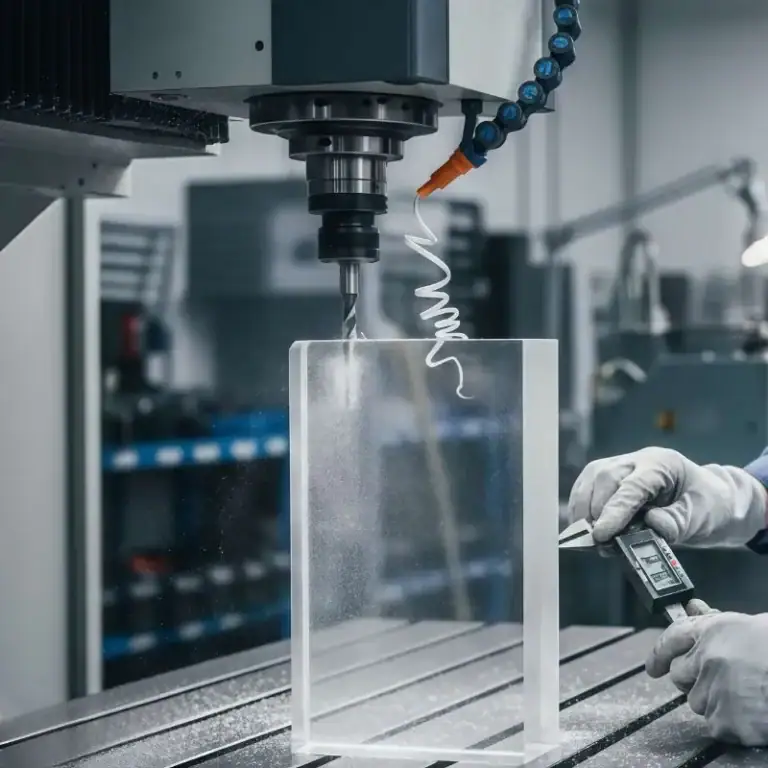
The final stage is inspection and quality verification. Manufacturers check dimensions, geometry, surface condition, and assembly fit to ensure the part meets design requirements. Depending on the complexity of the part, this may involve calipers, gauges, CMM inspection, or other measurement systems. Effective quality control ensures that each fabrication step supports the next one and that the finished component performs correctly in its intended application, including parts produced through CNC machining manufacturing.
Comparison of Different Types of Metal Fabrication Processes
Selecting the right metal fabrication process requires a clear comparison of working principle, precision level, cost, production volume, material compatibility, and process limitations. These factors directly affect part quality, manufacturing efficiency, and overall project feasibility.
The table below summarizes 14 common fabrication methods with their advantages and typical uses to help engineers and buyers make better decisions:
| Process | Principle | Precision Level | Cost Level | Production Volume | Advantages | Limitations | Typical Uses |
|---|---|---|---|---|---|---|---|
| 1. CNC Milling | Uses rotating tools to remove material from a stationary workpiece | High | Medium–High | Low–Medium | Excellent for complex shapes, high accuracy, strong versatility | Longer cycle time for large volumes | Aerospace parts, housings, precision components |
| 2. CNC Turning | Rotates the workpiece against a cutting tool to produce cylindrical parts | High | Medium–High | Medium–High | High efficiency for round parts, excellent concentricity and surface finish | Limited to rotational geometries | Shafts, pins, bushings, cylindrical components |
| 3. Cutting | Removes material to define the basic shape of a part | Medium–High | Medium | Low–High | Fast, flexible, suitable for many materials and thicknesses | Edge quality varies by method | Sheet metal parts, plates, raw stock preparation |
| 4.Shearing | Uses straight cutting force to separate sheet material | Medium | Low | High | High speed, low cost, efficient for simple straight cuts | Limited to straight-line geometry | Sheet metal panels, flat blanks |
| 5.Punching | Uses dies to create holes, slots, or cutouts in sheet metal | Medium | Low | High | High efficiency, strong repeatability, suitable for batch production | Limited geometry flexibility | Enclosures, brackets, panels |
| 6.Stamping | Forms metal with dies under pressure | Medium–High | Low | Very High | Cost-effective in mass production, high consistency | High tooling cost, less flexible for design changes | Automotive parts, appliance components |
| 7. Bending | Deforms metal into angles, channels, or formed sections | Medium | Low | Medium–High | Simple, efficient forming for structural and sheet metal parts | Springback may affect dimensional accuracy | Frames, brackets, enclosures |
| 8. Drawing | Pulls metal into deeper or hollow shapes through a die | Medium | Medium | Medium–High | Suitable for hollow parts and seamless shapes | Risk of thinning, wrinkling, or cracking | Containers, housings, deep-drawn components |
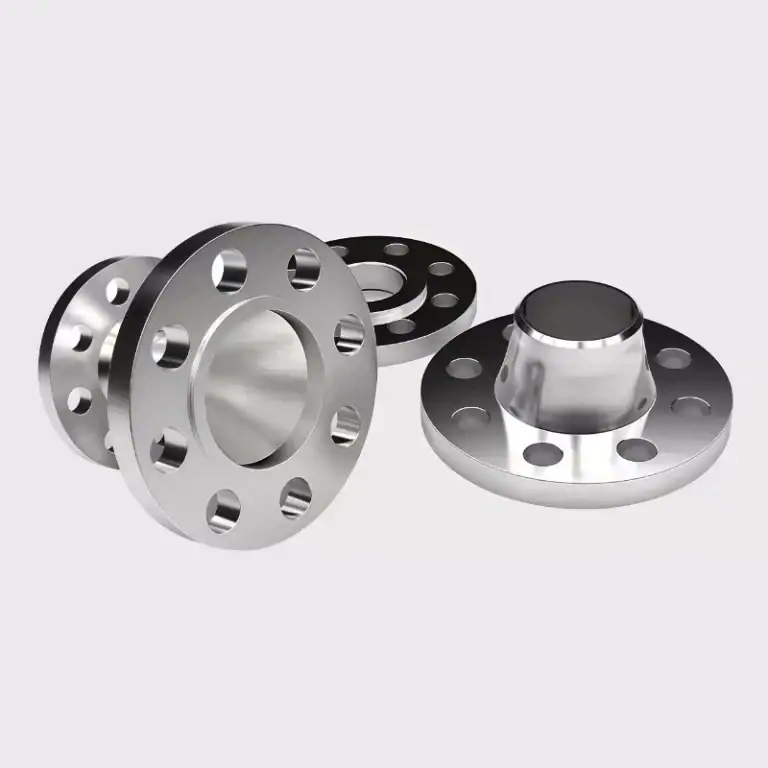
| 9. CNC Drilling | Uses CNC-controlled tools to create accurate holes with controlled depth and position | High | Medium | Medium–High | High positional accuracy, repeatability, and production efficiency | Limited mainly to hole-making operations | Flanges, plates, brackets, housings with precision hole patterns |
| 10. Welding | Joins metal parts using heat, pressure, or both | Medium–High | Medium | Medium–High | Strong joints, suitable for structural assemblies | Heat distortion and residual stress may occur | Frames, assemblies, structural fabrications |
| 11. Casting | Forms parts by pouring molten metal into molds | Medium | Medium | Medium–High | Complex shapes possible, efficient for near-net-shape production | Often requires secondary machining | Large components, housings, valve and pump bodies |
| 12. Forging | Shapes metal under compressive force | Medium–High | Medium | Medium–High | High strength, improved grain structure, excellent durability | Limited shape complexity, higher tooling demands | Shafts, gears, mechanical parts |
| 13.Extrusion | Forces metal through a die to create a constant cross-section | Medium | Low–Medium | High | Efficient for long profiles, good material utilization | Limited to uniform cross-sectional shapes | Aluminum profiles, rails, structural sections |
| 14.Assembly | Combines fabricated parts into a finished product | Depends on process | Medium | Medium–High | Completes functional products, integrates multiple processes | Requires coordination of several operations | Final product integration, mechanical assemblies |
Common Materials Used in Metal Fabrication
Material selection is a critical factor in metal fabrication because it directly affects strength, machinability, corrosion resistance, and overall part performance. In practical manufacturing, I always evaluate material behavior together with process requirements to ensure the final component meets both functional and production goals.
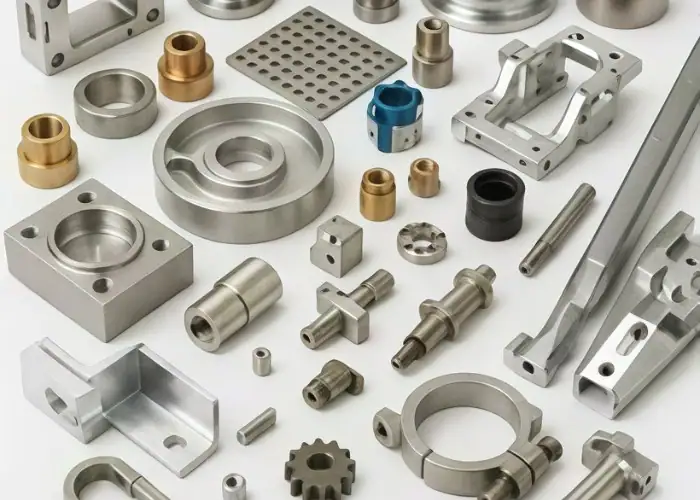
Aluminum
Aluminum is widely used in fabrication when lightweight design and corrosion resistance are important. It is easier to machine and form than many steels, which makes it highly suitable for aerospace parts, automotive components, consumer products, and general enclosures.
In many projects, I choose aluminum when reducing part weight is a key design target. However, its lower strength compared to steel means that load-bearing parts must be evaluated carefully. Material grade, wall thickness, and application conditions all play an important role in determining whether aluminum is the right choice.
Steel and Stainless Steel
Steel is one of the most widely used materials in metal fabrication because it offers a strong balance of strength, availability, and cost efficiency. Carbon steel is commonly used for structural parts and general industrial applications, while alloy steels provide improved hardness, toughness, and mechanical performance for more demanding environments.
Stainless steel is selected when corrosion resistance is a priority. It performs well in environments exposed to moisture, chemicals, and heat, making it suitable for medical equipment, food-processing parts, industrial enclosures, and high-durability components. However, stainless steel is usually more difficult to machine and form than standard carbon steel, so processing cost must also be considered.
Copper and Brass
Copper and brass are commonly used when electrical conductivity, thermal conductivity, or machinability are important. Copper is especially valuable in electrical systems, connectors, heat-transfer components, and grounding applications. Brass is often selected for fittings, valves, decorative hardware, and precision machined parts because it combines corrosion resistance with better machinability than pure copper.
From a fabrication perspective, these materials behave differently from steel and aluminum. Copper is softer and more conductive, while brass is easier to machine into detailed parts. In practical manufacturing, I consider them more application-specific rather than general structural materials.
Titanium and Specialty Alloys
Titanium and other specialty alloys are used in high-performance applications where strength, corrosion resistance, and temperature stability are critical. Titanium is common in aerospace, medical, and advanced industrial parts because it provides high strength at low weight. Nickel-based alloys are often used in extreme environments involving heat, wear, or chemical exposure.
These materials offer excellent performance, but they are also more expensive and more difficult to machine. In many cases, longer cycle times, special tooling, and tighter process control are required. That is why I usually select them only when the application clearly justifies the extra cost and manufacturing complexity.
Material Behavior in Fabrication
Each material responds differently during cutting, bending, welding, and machining. Hardness affects tool wear, ductility affects formability, and thermal expansion affects dimensional stability. These factors all influence how easily a part can be fabricated and how consistently it can meet tolerance requirements.
In real production, I never choose material based only on strength or price. I also consider how the material behaves during fabrication, because poor material-process compatibility can lead to distortion, surface defects, unstable tolerances, or unnecessary manufacturing cost. A well-matched material improves both part performance and production efficiency.
What Are the Applications of Metal Fabrication?
Metal fabrication is widely used across industries to produce components that require strength, precision, and durability. Different fabrication processes enable manufacturers to meet various design and performance requirements, making it a critical part of modern engineering and industrial production systems.
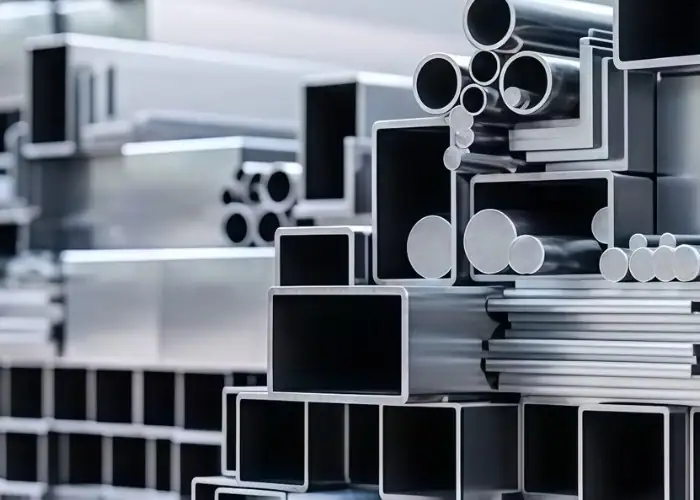
1. Automotive Industry
Metal fabrication is extensively used in automotive manufacturing for producing structural and functional components such as chassis parts, brackets, frames, and engine mounts. These parts require high strength, precise alignment, and consistent quality to ensure safety and performance in mass production environments.
2. Aerospace Industry
In aerospace applications, metal fabrication is used to produce lightweight yet strong components such as structural frames, housings, and support brackets. High-performance materials like aluminum and titanium are commonly used, and strict tolerance and quality standards must be maintained.
3. Industrial Machinery
Metal fabrication plays a key role in manufacturing machinery components such as frames, shafts, enclosures, and support structures. These parts must withstand continuous loads, vibration, and wear, requiring reliable fabrication processes like machining, welding, and forging.
4. Construction and Structural Applications
Fabrication is widely used in construction for beams, columns, supports, and metal frameworks. These components require high strength and durability to ensure structural stability in buildings, bridges, and infrastructure projects.
5. Sheet Metal Products
Sheet metal fabrication is used to produce enclosures, panels, cabinets, and HVAC components. Processes such as cutting, bending, and punching are combined to achieve both functional and aesthetic requirements.
6. Consumer and Commercial Products
Metal fabrication is also applied in consumer goods such as furniture, appliances, and hardware. In these applications, both appearance and functionality are important, requiring finishing processes like coating, polishing, or anodizing.
Real-World Metal Fabrication Examples
Understanding real-world applications helps bridge the gap between theory and practical manufacturing. By analyzing how fabrication processes are applied in actual projects, engineers and buyers can better evaluate which methods are suitable for their own designs and production needs.
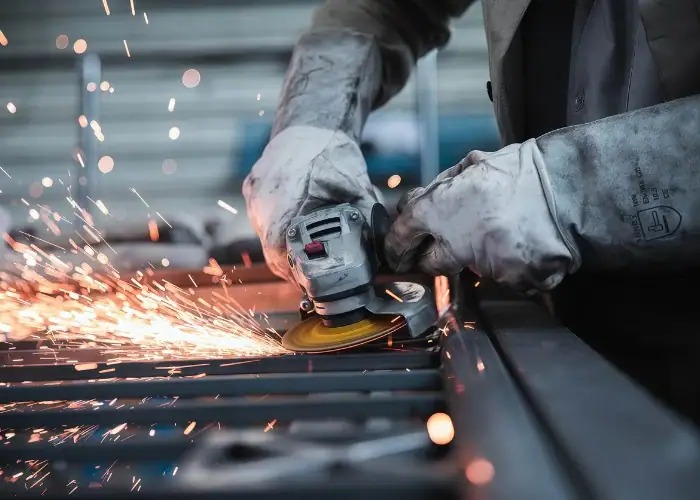
1. Aluminum Bracket
Machining is widely used to produce aluminum brackets with tight tolerances and complex geometries. These parts often require precise hole positioning, smooth surface finish, and high dimensional accuracy. milling and drilling ensure repeatability and functional performance.
2. Sheet Metal Enclosure
Sheet metal fabrication is commonly used for electrical enclosures and cabinets. Processes such as laser cutting, punching, and bending are combined to create lightweight and structurally stable components. Surface finishing improves corrosion resistance and appearance.
3. Welded Frame Structure
Welded frames are used in machinery and industrial equipment. Fabrication includes cutting, machining, and welding to assemble structural components. Proper welding technique and alignment are critical to ensure strength, stability, and long-term durability.
These examples show how different fabrication processes are selected based on geometry, material, and functional requirements. In practice, combining multiple processes is often necessary to achieve the desired result.
Common Mistakes in Metal Fabrication
While metal fabrication offers flexibility and efficiency, incorrect process selection or poor design decisions can lead to increased costs, production delays, and quality issues. Understanding common mistakes helps engineers and buyers avoid unnecessary risks and improve manufacturing outcomes.
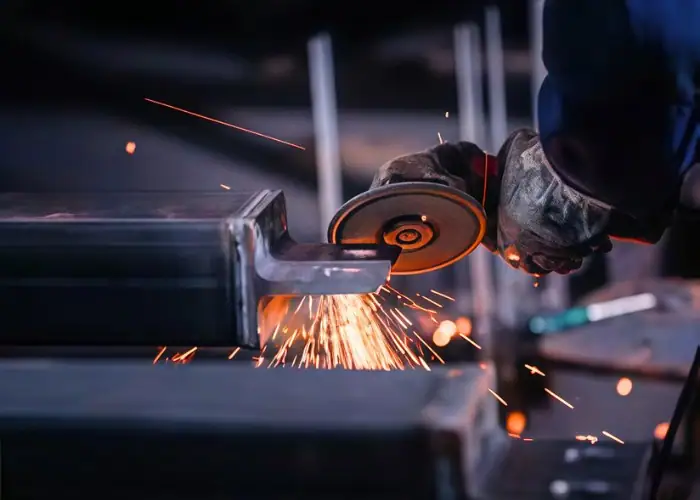
1. Over-Tolerancing
Applying unnecessarily tight tolerances is one of the most common and costly mistakes in metal fabrication. While tight tolerances may seem to improve quality, they significantly increase machining time, tooling wear, and inspection complexity without adding functional value. Over-tolerancing can also limit process options and lead to unnecessary secondary operations. In practice, tolerances should be defined based on functional requirements such as fit, alignment, or load conditions. A well-balanced tolerance strategy improves manufacturability while controlling cost.
2. Incorrect Material Selection
Choosing the wrong material can lead to serious performance and manufacturing issues, including deformation, corrosion, excessive tool wear, or poor surface finish. For example, selecting a material with low ductility for forming processes may result in cracking, while using a difficult-to-machine alloy can increase cost and lead time. Material selection must consider mechanical properties, environmental conditions, and fabrication methods. Engineers should evaluate not only performance requirements but also how the material behaves during machining, forming, and finishing.
3. Poor Process Selection
Using an unsuitable fabrication process can negatively impact both quality and efficiency. For example, applying CNC machining to simple high-volume parts increases cost unnecessarily, while using forming processes for complex geometries may lead to poor accuracy or defects. Each process has its strengths and limitations, and selecting the wrong one can result in rework, delays, or inconsistent quality. In practice, process selection should be based on part complexity, material type, tolerance requirements, and production volume.
4. Ignoring Manufacturing Capability
Designing parts without considering actual manufacturing capabilities can create unrealistic requirements that are difficult or expensive to achieve. Factors such as machine precision, tooling limitations, fixturing stability, and operator skill all affect the final result. Ignoring these constraints can lead to dimensional errors, increased scrap rates, or extended lead times. Engineers should collaborate with manufacturers early in the design stage to ensure that tolerances, features, and processes are achievable in real production conditions.
5. Lack of Process Integration
Treating each fabrication step as an independent operation can lead to alignment issues, accumulated errors, and unnecessary rework. For example, improper coordination between cutting, bending, and welding processes may result in dimensional deviation or assembly problems. A well-integrated workflow ensures that each step supports the next, improving efficiency and consistency. In practice, process planning should consider the full manufacturing sequence, from raw material to final assembly, to achieve optimal quality and performance.
How to Choose the Right Metal Fabrication Process?
Selecting the right metal fabrication process requires a comprehensive evaluation of design requirements, material behavior, and production constraints. The chosen method directly affects cost, precision, lead time, and overall product performance, making process selection a critical step in achieving efficient and reliable manufacturing outcomes.
What Are the Main Categories of Metal Fabrication Processes?
Metal fabrication processes are generally grouped into cutting, forming, joining, machining, and finishing, depending on how the material is shaped or prepared.
Cutting removes material, forming reshapes it, joining combines separate parts, machining refines geometry, and finishing improves surface quality or corrosion resistance. This classification helps engineers understand process functions more clearly and choose the most suitable manufacturing route for each application.
Which Industries Rely Most on Metal Fabrication Technologies?
Metal fabrication is widely used in industries such as automotive, aerospace, construction, industrial machinery, electronics, and energy equipment manufacturing. These sectors all require strong, accurate, and durable metal parts for structures, housings, mechanical assemblies, and performance-critical components. Because of this, fabrication plays a central role in turning raw metal into reliable parts that meet both design and functional requirements.
What Technologies Are Typically Used in Metal Fabrication Processes?
Common fabrication technologies include laser cutting, plasma cutting, CNC machining, stamping, bending, welding, grinding, coating, and assembly operations.
Each technology serves a different purpose, from shaping raw material and refining dimensions to joining parts and improving surface appearance or durability.
The choice depends on material type, required precision, production volume, geometry complexity, and the final performance expectations of the part.
How Do Engineers Choose the Right Metal Fabrication Method for a Project?
Engineers usually choose a fabrication method by comparing part geometry, material behavior, tolerance requirements, production volume, and total manufacturing cost. Simple shapes may be produced efficiently by forming or cutting, while complex or high-precision parts often require machining or multiple combined processes. In practice, the best method is the one that balances quality, lead time, production efficiency, and long-term project cost most effectively.
What Is the Difference Between Metal Fabrication and Welding in Real Applications?
Metal fabrication is the complete manufacturing workflow that includes cutting, forming, machining, joining, and assembly to create a finished part or structure.
Welding is only one step within that workflow and is specifically used to create strong, permanent joints between separate metal components.
In real applications, fabrication covers the full production process, while welding focuses only on the joining function within that larger system.
Conclusion
Metal fabrication helps engineers and manufacturers balance performance, cost, manufacturability, and production efficiency across a wide range of projects. The right fabrication method depends on factors such as part geometry, material type, tolerance requirements, and overall application needs.
At TiRapid, we provide CNC machining and custom metal fabrication solutions for complex, high-precision parts across multiple industries. Upload your CAD files or drawings today to get a tailored solution for your manufacturing project.