Fasteners are essential components used to securely join parts in various industries. Available in different shapes, sizes, and materials, each type is tailored for specific applications. Understanding the types of fasteners and their functions helps engineers select the right one, ensuring optimal performance and durability.
In this guide, you’ll explore common fastener types, their key properties, and typical industrial uses.
What Are Fasteners?
Fasteners are mechanical devices used to securely join two or more parts together. These essential components come in various shapes, sizes, and materials, each designed for specific applications. They can be used for both permanent and non-permanent connections, depending on the need for disassembly or strength requirements.
Key Points
Purpose: Fasteners are used to secure components, ensuring stability and reliability in a wide range of applications.
Types: Common fasteners include bolts, screws, nuts, washers, rivets, and anchors, each suited for different tasks.
Materials: Fasteners are made from materials like steel, stainless steel, aluminum, and plastic, each offering specific properties such as corrosion resistance or electrical conductivity.
Applications: Fasteners are used in industries like construction, automotive, electronics, and manufacturing, ensuring strong, long-lasting connections.
Understanding the types of fasteners and their characteristics allows engineers to select the best fastener for any project, optimizing performance and durability.
What Are the 12 Most Common Types of Fasteners?
The 12 most common types of fasteners are bolts, screws, nuts, washers, rivets, anchors, studs, retaining rings, clips, pins, snap fasteners, and inserts. These fasteners are essential for securing and joining parts together in various industries, each serving specific purposes based on their material, design, and application needs.
1.Bolt
A bolt is a fastener used to securely hold parts together. It has a cylindrical body with external threads and a head that allows it to be tightened with a tool. Bolts are typically used with nuts to fasten parts with through holes, providing a strong connection. They are designed for applications requiring higher strength and may be removed and reused.
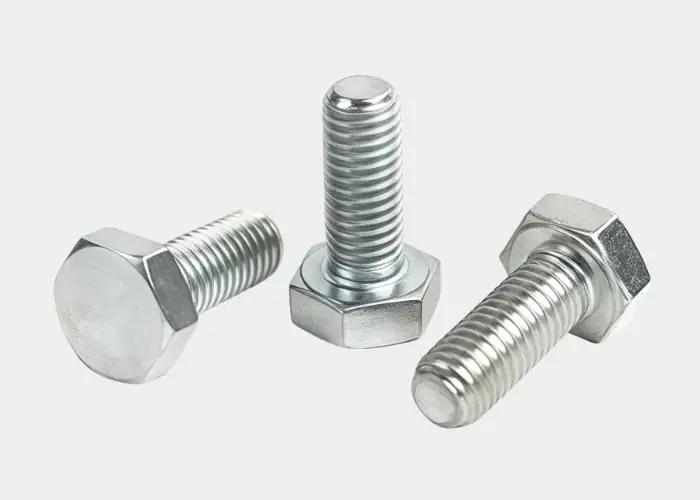
There are various types of bolts, each designed for specific uses. These include hex-head bolts, carriage bolts, eye bolts, and more. Bolts also vary in size, material, and thread type to meet different fastening needs.
Additionally, bolts are commonly used in applications where ease of disassembly is important, as they can be removed and reused, making them ideal for maintenance and replacement. Bolts are widely used in machinery, particularly for securing parts that are subject to vibrations, ensuring that components stay firmly in place during operation.
Key Properties of Bolts
- Thread Type: External threads, which allow for secure fastening with a nut.
- Material: Typically made from steel, stainless steel, or alloy steel to enhance durability and corrosion resistance.
- Strength: Designed for high tensile strength, suitable for heavy-duty applications.
- Durability: Able to withstand extreme environmental conditions, such as heat, moisture, and vibrations.
Common Applications
- Automotive Parts: Bolts are used to secure engine components, chassis, and other structural parts.
- Machinery: Widely used in industrial machinery to secure various parts.
- Construction Structures: In construction, bolts are used to connect beams, support frames, and other structural components.
| Key Property | Bolt |
| Thread Type | External threads |
| Material | Steel, Stainless Steel, Alloy Steel |
| Strength | High tensile strength |
| Common Uses | Automotive parts, machinery, construction structures |
Bolts are indispensable in modern engineering due to their versatility, strength, and reliability. Whether used in construction, automotive, or aerospace applications, bolts provide the foundation for securing critical mechanical components.
2.Screws
A screw is a type of fastener similar to a bolt but typically used for securing materials without the need for a nut. It features external threads that run the length of the body, allowing it to be driven directly into materials like wood, metal, or plastic. Screws are designed for permanent or semi-permanent fastening and provide a strong, secure connection that can be easily adjusted or removed.
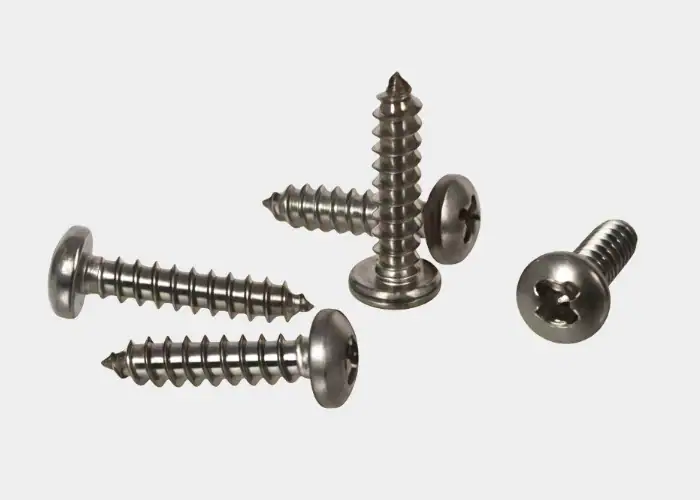
There are many different types of screws, such as machine screws, wood screws, self-tapping screws, and sheet metal screws, each designed for specific applications. The type of screw used depends on the material being fastened and the strength required for the connection.
Screws are often chosen for applications that require precision fastening and those that need to be adjusted or disassembled easily. Unlike bolts, screws do not require a nut and can be directly driven into materials, making them ideal for applications where accessibility to both sides of the material is limited.
Key Properties of Screws
- Thread Type: Full-length external threads, allowing for secure fastening in various materials.
- Material: Made from materials such as steel, brass, stainless steel, and zinc-plated steelfor strength, durability, and corrosion re
- Strength: Typically designed for moderate to heavy-duty applications, depending on the screw type.
- Durability: Screws are capable of withstanding a range of environmental conditions, such as moisture, heat, and vibration, depending on the material chosen.
Common Applications
- Furniture Assembly: Screws are widely used to assemble furniture, securing wooden parts together.
- Electronics: Screws are essential in securing components in electronic devices, providing stability and protection.
- Construction: Used for fastening materials in construction, such as securing drywall, flooring, or metal panels.
| Key Property | Screw |
| Thread Type | Full-length external threads |
| Material | Steel, Brass, Stainless Steel |
| Strength | Moderate to heavy-duty |
| Common Uses | Woodwork, furniture assembly, electronics |
Screws remain essential in modern manufacturing, offering reliable, durable connections across industries. Whether used in construction, machinery, or electronics, screws ensure secure fastening with versatility and ease of use.
3.Nuts
A nut is a type of fastener that features internal threads, typically used in conjunction with a bolt to secure two parts together. Nuts are designed to fit snugly onto bolts, creating a strong, adjustable connection. They come in a variety of shapes, such as hex nuts, lock nuts, wing nuts, and cap nuts, each offering unique features suited to different applications.
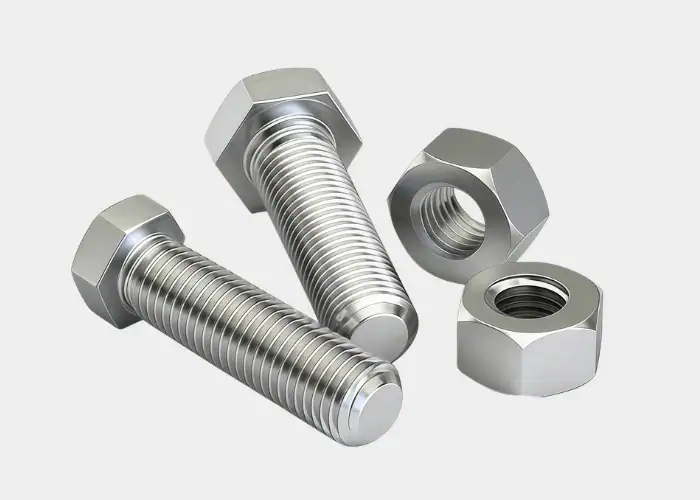
Nuts are primarily used to ensure that bolts stay tightly fastened, even under stress or vibration. They are available in different sizes and materials to accommodate various types of bolts and the specific requirements of the application. In many cases, nuts are chosen for their ability to be easily tightened and loosened, making them ideal for applications that require frequent adjustments.
Key Properties of Nuts
- Thread Type: Internal threads that match the threads on a bolt for a secure fit.
- Material: Made fromsteel, stainless steel, nylon, and other materials to provide strength, corrosion resistance, and dura
- Strength: Nuts are designed to handle various levels of mechanical stress, depending on their size and material.
- Durability: Nuts can withstand vibrations, temperature changes, and environmental conditions, making them ideal for industrial and automotive applications.
Common Applications
- Automotive: Nuts are widely used to secure engine components, chassis, and other parts in vehicles.
- Machinery: Nuts are essential in industrial machinery, where they hold parts together under pressure.
- Construction: In construction, nuts are used to fasten bolts that secure structural elements like beams, frames, and supports.
| Key Property | Nut |
| Thread Type | Internal threads |
| Material | Steel, Stainless Steel, Nylon |
| Strength | Varies based on size and material |
| Common Uses | Bolting, machinery, automotive applications |
Nuts are indispensable for creating secure, adjustable connections in mechanical systems. Whether used in automotive, machinery, or construction, nuts work hand-in-hand with bolts to provide reliable, long-lasting fastenings.
4.Washers
A washer is a thin, flat disc with a hole in the center, designed to be placed under a nut or bolt head. Their primary purpose is to distribute the pressure evenly across the surface and prevent damage to the material being fastened. Washers also help prevent the loosening of fasteners caused by vibrations or changes in temperature, making them essential for maintaining a secure connection.
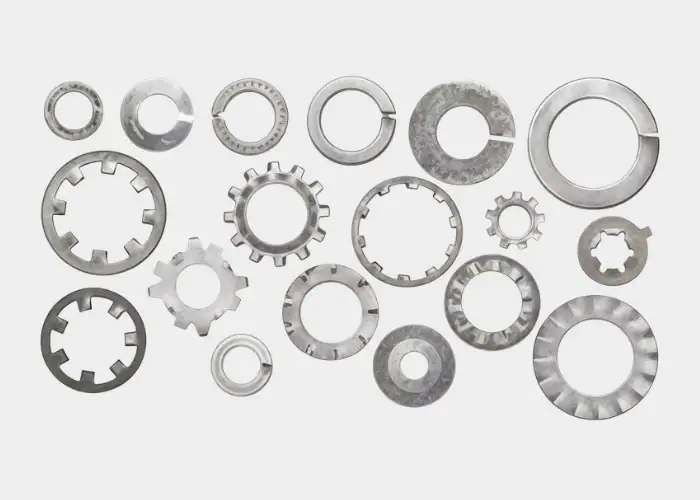
There are several types of washers, including plain washers, spring washers, and locking washers, each serving a specific function based on the application. Plain washers are used to evenly distribute the load, spring washers provide resistance against vibrations, and locking washers prevent loosening by locking the nut or bolt in place.
Key Properties of Washers
- Function: Distributes pressure, reduces friction, prevents loosening.
- Material: Made from materials such as steel, stainless steel, brass, or plastic, chosen for their strength and corrosion resistance.
- Strength: Washers are designed to handle pressure and prevent damage to the surfaces being fastened.
- Durability: Able to withstand environmental conditions like moisture, heat, and vibrations, depending on the material.
Common Applications
- Automotive: Washers are used in vehicle assembly to secure fasteners and prevent surface damage.
- Machinery: In machinery, washers ensure tight connections and prevent loosening due to vibrations.
- Construction: Washers are commonly used to protect materials and improve the effectiveness of fastenings in construction applications.
| Key Property | Washer |
| Function | Distributes pressure, prevents loosening |
| Material | Steel, Stainless Steel, Brass, Plastic |
| Strength | High pressure resistance |
| Common Uses | Automotive, machinery, construction |
Washers are essential components in ensuring secure, long-lasting connections. Whether in automotive, machinery, or construction, they provide added protection and stability for fasteners, making them crucial in a wide range of applications.
5.Retaining Rings
A retaining ring is a type of fastener used to hold components in place within a housing or on a shaft. These fasteners are installed in grooves within the housing, and their primary function is to prevent parts from shifting or coming loose during operation. Retaining rings are designed to ensure that components stay securely in place, even when subjected to high forces or vibrations.
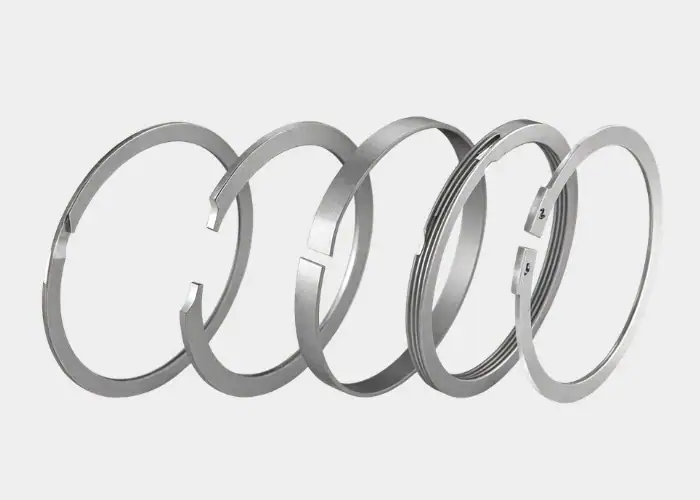
There are different types of retaining rings, including internal retaining rings (which fit into grooves inside a shaft or housing) and external retaining rings (which fit into grooves on the outside). These rings come in various shapes, such as snap rings, spiral retaining rings, and e-ring clips, each designed for specific applications.
Key Properties of Retaining Rings
- Function: Keeps components in place within a housing or on a shaft.
- Material: Made from steel, stainless steel, or alloy steelto ensure strength and corrosion resistance.
- Strength: Designed to handle mechanical stresses and vibrations, keeping components securely in place.
- Durability: Built to withstand harsh environmental conditions, such as moisture, heat, and mechanical wear.
Common Applications
- Rotating Machinery: Retaining rings are commonly used in rotating machinery, such as motors or gearboxes, to hold parts like bearings or gears in place.
- Automotive Components: They are essential in automotive assemblies to ensure that critical parts, such as wheels and axles, stay securely in position.
- Industrial Equipment: Retaining rings are used in industrial machinery to secure components that need to remain fixed during operation.
| Key Property | Retaining Ring |
| Function | Holds components in place |
| Material | Steel, Stainless Steel, Alloy Steel |
| Strength | High strength to resist vibrations |
| Common Uses | Rotating machinery, automotive components, industrial equipment |
Retaining rings are indispensable in various applications where parts need to be securely held in place. Whether in rotating machinery, automotive components, or industrial equipment, these fasteners provide a reliable solution for ensuring the stability of critical mechanical parts.
6. Rings
A ring is a fastener used to secure or hold components in place within a housing, typically installed in grooves on a shaft or housing. Retaining rings come in both external and internal designs and are ideal for ensuring parts stay positioned even under high mechanical stress or vibrations. These rings are commonly used in applications that require a secure, non-permanent connection. Unlike bolts or screws, rings do not require nuts or additional fasteners to work.
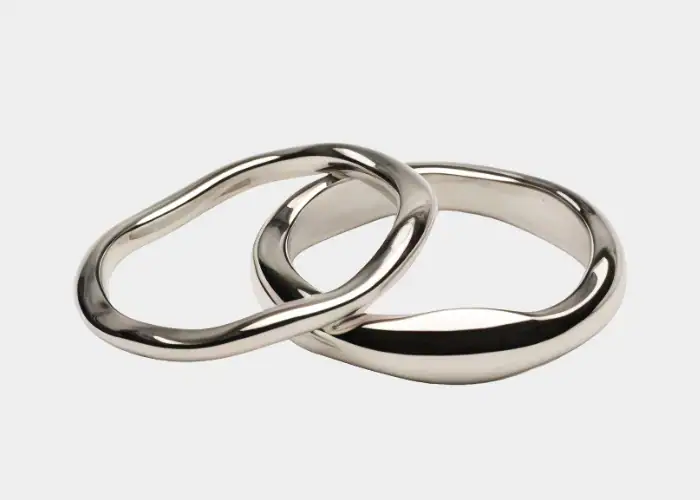
There are different types of retaining rings, including internal rings, external rings, and snap rings, each suited to specific applications. Internal rings fit into grooves on the inside of a part, while external rings are designed to fit into grooves on the outside. Snap rings, commonly used for quick assembly or disassembly, provide an easy method for securing parts without tools.
Key Properties of Rings
- Function: Secures components in place within a housing or on a shaft.
- Material: Typically made from steel, stainless steel, or alloy steel, depending on the strength and environmental requirements.
- Strength: Designed to handle mechanical stresses and vibrations, ensuring parts stay securely in place.
- Durability: Highly durable and able to withstand extreme environmental conditions such as temperature changes, moisture, and wear.
Common Applications
- Rotating Machinery: Retaining rings are commonly used in rotating machinery to keep parts like bearings or gears in place.
- Automotive: Used in automotive components such as axles, wheels, and transmission systems to ensure that critical parts stay securely fixed.
- Industrial Equipment: Essential in machinery that requires parts to remain fixed and undisturbed during operation.
| Key Property | Ring |
| Function | Keeps components in place |
| Material | Steel, Stainless Steel, Alloy Steel |
| Strength | High strength to resist vibrations |
| Common Uses | Rotating machinery, automotive components, industrial equipment |
Retaining rings are crucial for industries that require a secure and reliable connection, particularly in machinery, automotive, and industrial applications. They provide an efficient and durable fastening solution, ensuring that parts remain stable even under high-stress conditions.
7.Rivets
A rivet is a permanent fastener used to join two or more parts together by creating a permanent deformation, typically through the process of upsetting or swelling. Unlike bolts or screws, rivets do not require nuts or additional fasteners. Once installed, they form a strong, durable bond that is difficult to undo, making them ideal for applications where permanent assembly is required.
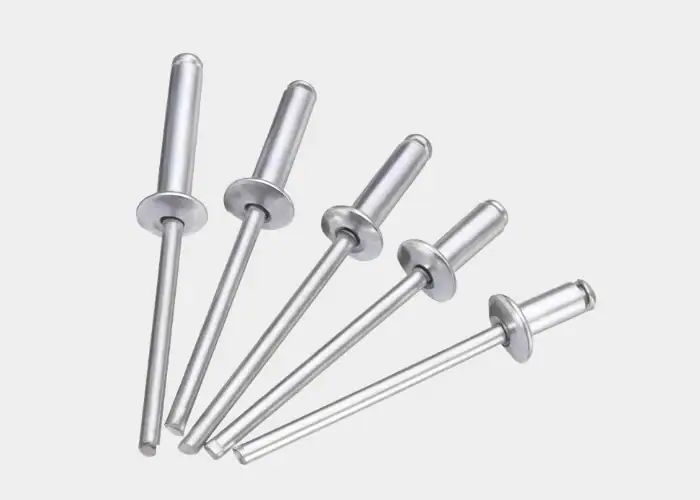
Rivets come in different types, including solid rivets, blind rivets, and tubular rivets, each with its own specific application. Solid rivets are the most common and are used in applications that require a strong, permanent connection, while blind rivets are used when access to both sides of the material is restricted.
Key Properties of Rivets
- Function: Provides permanent joining by creating a deformation that holds parts together.
- Material: Typically made from aluminum, steel, copper, and brass, depending on the strength and environmental requirements.
- Strength: Rivets are designed for high shear and tensile strength, ensuring a strong, permanent connection.
- Durability: Rivets are highly durable and able to withstand harsh environmental conditions, such as vibrations, temperature variations, and corrosion.
Common Applications
- Aerospace: Rivets are extensively used in aircraft assembly, where lightweight and permanent connections are necessary.
- Automotive: Rivets are used to secure parts in vehicle bodywork, such as in doors, panels, and undercarriages.
- Construction: Rivets are commonly used in the construction of bridges, buildings, and steel structures, where permanent, strong connections are required.
| Key Property | Rivet |
| Function | Permanent joining |
| Material | Aluminum, Steel, Copper |
| Strength | High shear and tensile strength |
| Common Uses | Aerospace, automotive, construction |
Rivets are essential in industries where a permanent and reliable connection is needed. Whether in aerospace, automotive, or construction, rivets provide a durable, secure fastening solution that ensures the integrity of critical components.
8.Studs
A stud is a fastener that lacks a head and features external threads on both ends. Studs are designed to fasten two parts together by threading them into place, without the need for a nut or bolt on one side. They are commonly used in applications that require a secure, permanent connection.
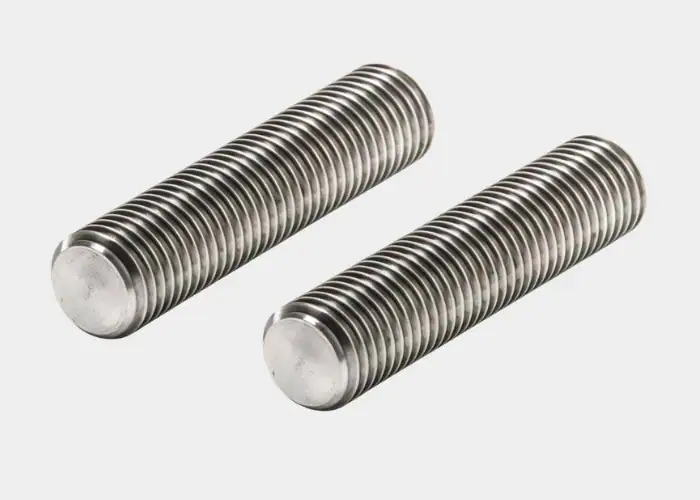
Studs are often found in applications where high tensile strength is needed, such as automotive engine parts or machinery. Their design allows for easy maintenance and adjustments, as one end can remain fixed while the other is used to secure additional components.
Key Properties of Studs
- Thread Type: External threads on both ends.
- Material: Typically made fromsteel, stainless steel, or alloy steel.
- Strength: Designed to withstand high tensile stress.
- Durability: Offers long-lasting performance in high-stress environments.
Common Applications
- Automotive: Used to fasten engine parts and other critical components.
- Machinery: Secures parts in industrial equipment.
- Construction: Used in structural applications where heavy-duty connections are required.
| Key Property | Stud |
| Thread Type | External threads on both ends |
| Material | Steel, Stainless Steel, Alloy Steel |
| Strength | High tensile strength |
| Common Uses | Automotive, machinery, construction |
Studs are essential for creating permanent, reliable connections in high-stress applications. Whether in automotive, machinery, or construction, studs offer a strong and secure fastening solution that provides long-lasting durability.
9.Self-Tapping Screws
A self-tapping screw is a type of fastener that can create its own threads as it is driven into a material, eliminating the need for pre-drilled holes. This makes self-tapping screws an efficient solution for fastening materials like wood, metal, plastic, and sheet metal. They are commonly used in applications where drilling holes is not feasible or required.
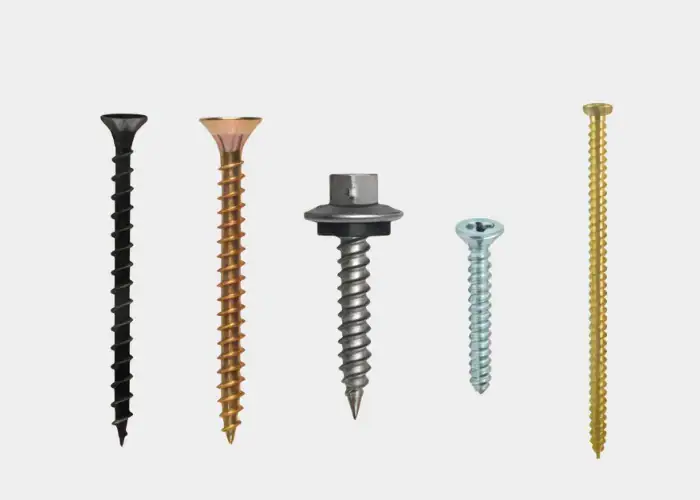
Self-tapping screws are available in various types, including self-drilling screws and thread-cutting screws, depending on the material and application. These screws can be driven directly into the material, creating a tight and secure connection without the need for additional preparation or tools.
Key Properties of Self-Tapping Screws
- Function: Cuts its own threads while being driven into the material, eliminating the need for pre-drilling.
- Material: Typically made from steel, stainless steel, or zinc-plated steelfor strength, corrosion resistance, and d
- Strength: Designed for medium to heavy-duty applications, depending on the screw type.
- Durability: Provides a long-lasting, secure fastening that can withstand environmental conditions like moisture and vibration.
Common Applications
- Woodworking: Ideal for securing components in wood without pre-drilling, commonly used in furniture assembly.
- Metalworking: Self-tapping screws are used in sheet metal applications, where a secure connection is required without drilling.
- Electronics: These screws are essential for securing electronic components where pre-drilled holes are not possible or required.
| Key Property | Self-Tapping Screw |
| Function | Cuts its own threads |
| Material | Steel, Stainless Steel, Zinc-plated |
| Strength | Medium to heavy-duty |
| Common Uses | Woodworking, metalworking, electronics assembly |
Self-tapping screws are invaluable for woodworking, metalworking, and electronics assembly where ease of installation and strong, reliable connections are essential. Their ability to create threads on their own makes them a versatile choice for a wide range of applications.
10.Pins
A pin is a type of fastener used to secure components in place by passing through holes in parts. Pins are cylindrical in shape and do not typically have threads, making them different from bolts and screws. Instead, they rely on their diameter to hold parts securely within a hole, preventing movement or misalignment. Pins can be permanent or removable, depending on the application and type of pin used.
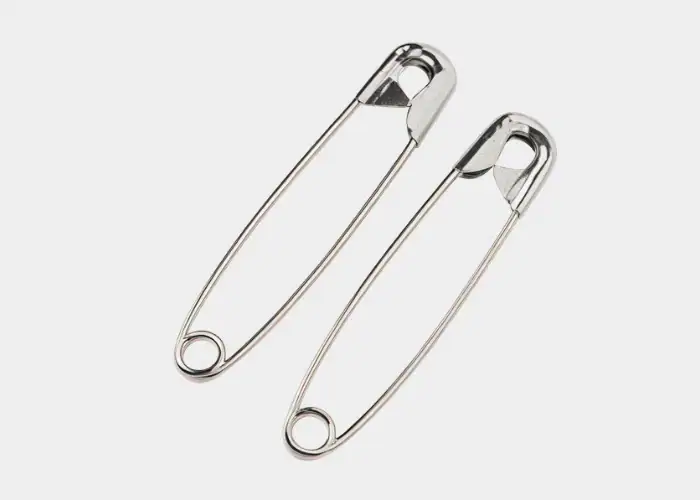
There are various types of pins, including cotter pins, dowel pins, taper pins, and roll pins, each designed for specific applications. For example, cotter pins are commonly used to secure nuts or bolts in place, while dowel pins are used to align and secure parts in machinery and assemblies.
Key Properties of Pins
- Function: Secures components by passing through aligned holes, preventing movement.
- Material: Made from materials such assteel, stainless steel, and brass to ensure strength and durability.
- Strength: Typically used for lower-load fastening applications, but can be designed for higher load-bearing capacity when needed.
- Durability: Designed to withstand mechanical stresses, vibrations, and environmental conditions.
Common Applications
- Automotive: Pins are widely used inengine parts, bearings, and axles, where they ensure components stay in align
- Machinery: Pins are essential for machinery assemblies, securing moving parts like gears or shafts.
- Construction: Pins are often used in structuralcomponents and equipment where parts need to stay aligned or fixed in place.
| Key Property | Pin |
| Function | Secures components in place |
| Material | Steel, Stainless Steel, Brass |
| Strength | Lower-load fastening, or high capacity when needed |
| Common Uses | Automotive, machinery, construction |
Pins are crucial in applications where alignment and securing parts are necessary. Whether used in automotive assembly, machinery systems, or construction, pins provide reliable, cost-effective fastening solutions for a wide range of industries.
11.Clips
A clip is a fastener designed to hold two parts together without the need for bolts or screws. Clips typically rely on pressure, tension, or the material’s flexibility to secure components. They come in various shapes, including spring clips, retaining clips, snap clips, and clamp clips. Each type serves a specific purpose based on the fastening requirement, whether it’s for lightweight, temporary, or permanent connections.
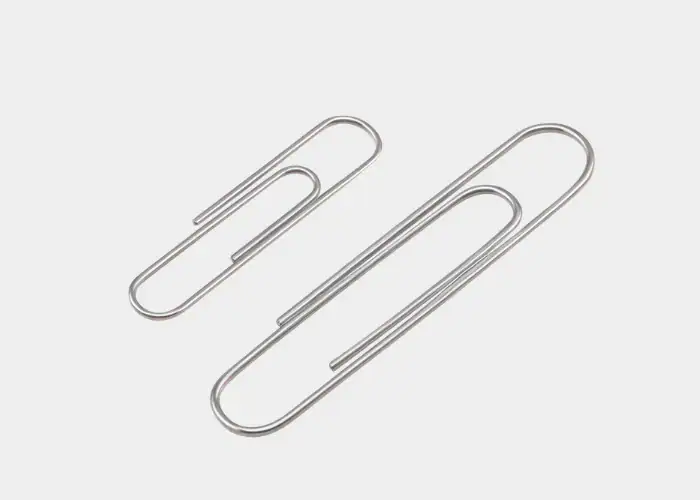
Clips are widely used in applications where quick assembly or disassembly is needed, and they are particularly beneficial in situations where access to both sides of the material is limited. For example, spring clips are commonly used in automotive interiors, while retaining clips are used to secure components in rotating machinery.
Key Properties of Clips
- Function: Holds parts together by applying light pressure or tension.
- Material: Made from steel, plastic, or brass, depending on the application and required durability.
- Strength: Typically used for light to medium-duty fastening, depending on the design and material.
- Durability: Designed to be reusable in many cases, particularly in applications where components need to be frequently assembled and disassembled.
Common Applications
- Automotive: Clips are used to secure interior parts such as trim panels, upholstery, and door panels.
- Construction: Clips are often used to hold together lightweight materials in structural applications.
- Electronics: In electronics, clips are used to secure wiring and cables, ensuring organized and tidy installations.
| Key Property | Clip |
| Function | Holds parts together using pressure or tension |
| Material | Steel, Plastic, Brass |
| Strength | Light to medium-duty |
| Common Uses | Automotive, construction, electronics |
Clips offer an efficient, versatile solution for fastening components in applications where bolts and screws are not ideal. Whether in automotive, construction, or electronics, clips ensure quick and secure connections without the need for additional tools or complicated installation.
12.Inserts
An insert is a fastener designed to provide internal threads within softer materials, such as plastic, wood, or thin metals. These fasteners allow for a secure threaded connection in materials that cannot support the weight or strain of a traditional threaded fastener. Inserts are typically installed into a pre-drilled hole and provide a strong, reliable threading solution without the need for the base material to carry the full load of the thread.
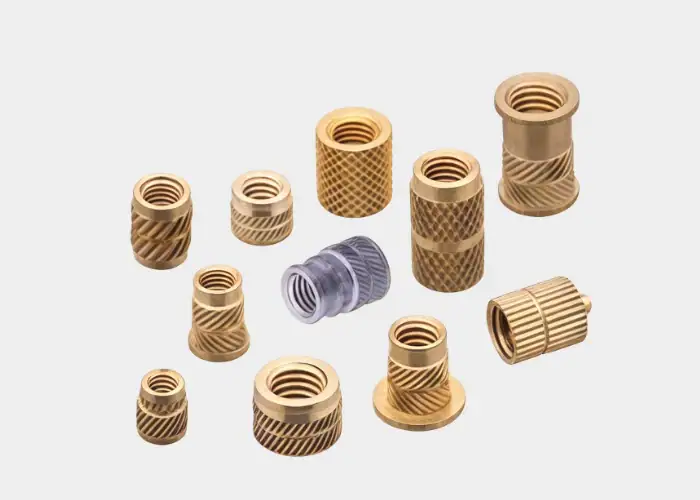
Inserts come in various designs, including externally threaded inserts, internally threaded inserts, and key-locking inserts. These types of inserts are chosen based on the material being fastened and the required strength and load-bearing capacity. Inserts can be used in a wide range of applications, especially when threads in soft materials need reinforcement.
Key Properties of Inserts
- Function: Provides internal threads in materials that are too soft or brittle to support threads on their own.
- Material: Made from steel, brass, aluminum, or stainless steel, depending on the application’s strength and corrosion resistance requirements.
- Strength: Designed to improve the strength and durability of the material it is inserted into.
- Durability: Offers long-lasting threaded connections in softer materials, ensuring secure fastening over time.
Common Applications
- Woodworking: Inserts are widely used in furniture assembly, where they provide strong, durable threads in wood components.
- Machinery: Inserts are often used in machinery parts, especially when threading in metal or plastic parts is required for securing mechanical components.
- Electronics: Inserts are used in electronic devices, such as securing parts inside plastic casings or housings.
| Key Property | Insert |
| Function | Provides internal threads for fastening |
| Material | Steel, Brass, Aluminum, Stainless Steel |
| Strength | Reinforces soft materials |
| Common Uses | Woodworking, machinery, electronics |
Inserts are vital for creating strong, reliable threaded connections in materials that cannot support traditional threads on their own. Whether in woodworking, machinery, or electronics, inserts ensure that fasteners stay securely in place and perform well under stress.
Introduction to Fasteners and Their Applications
Fasteners are essential components used to join parts together in a wide range of industries. The 12 most common types of fasteners include bolts, screws, nuts, washers, rivets, anchors, studs, retaining rings, clips, pins, snap fasteners, and inserts. Each of these fasteners serves a unique purpose, depending on the application and materials being used.
Below is a detailed overview of these 12 fasteners, their applications, and key properties:
| Fastener Type | Key Function | Common Materials | Typical Applications |
| Bolts | Secure two parts with through holes | Steel, Stainless Steel, Alloy Steel | Automotive, Machinery, Construction Structures |
| Screws | Secure materials without nuts | Steel, Brass, Stainless Steel | Furniture, Electronics, Construction |
| Nuts | Secure bolts by fitting onto threads | Steel, Stainless Steel, Nylon | Automotive, Machinery, Construction |
| Washers | Distribute pressure and prevent loosening | Steel, Stainless Steel, Brass | Automotive, Machinery, Construction |
| Retaining Rings | Secure components in place within a groove | Steel, Stainless Steel, Alloy Steel | Rotating Machinery, Automotive, Industrial Equipment |
| Rivets | Permanent fastening through deformation | Aluminum, Steel, Copper | Aerospace, Automotive, Construction |
| Anchors | Secure fasteners in concrete, brick, or stone | Steel, Plastic, Brass | Construction, Masonry Work, Heavy-Duty Applications |
| Studs | Fasten parts with external threads on both ends | Steel, Stainless Steel, Alloy Steel | Automotive, Machinery, Construction |
| Self-Tapping Screws | Cut their own threads into materials | Steel, Stainless Steel, Zinc-plated | Woodworking, Metalworking, Electronics |
| Pins | Secure components by passing through aligned holes | Steel, Stainless Steel, Brass | Automotive, Machinery, Construction |
| Clips | Hold parts together using pressure or tension | Steel, Plastic, Brass | Automotive, Construction, Electronics |
| Inserts | Provide internal threads in soft materials | Steel, Brass, Aluminum, Stainless Steel | Woodworking, Machinery, Electronics |
Understanding the types of fasteners and their functions helps engineers select the right fastener for any given project, ensuring the stren
How to Choose the Right Fastener?
Selecting the right fastener is essential to ensuring a strong and reliable connection for your project. Key factors to consider when choosing a fastener include material, strength requirements, environmental conditions, and whether the connection needs to be permanent or can be disassembled.
Here are some key factors to consider when selecting the right fastener:
1. Material Selection
The material of the fastener determines its performance and suitability for the working environment. Common materials used for fasteners include steel, stainless steel, aluminum, and copper. The choice of material should be based on the following considerations:
- Corrosion Resistance: If the fastener will be exposed to moisture or corrosive environments, materials like stainless steelor galvanized steel with good corrosion resistance should be c
- Strength Requirements: For high-strength applications, fasteners made of alloy steelor stainless steel are ideal to ensure a secure connection.
- Weight Considerations: For lightweight applications, aluminumor magnesium alloys are preferred.
2. Environmental Conditions
It’s important to select fasteners that can withstand the conditions they will be exposed to. For example:
- High-Temperature Environments: Choose materialslike titanium or stainless steel for their heat resistance.
- Chemical Exposure: Materials like plasticor stainless steel offer excellent resistance to chemical corrosion.
3. Load Requirements
Different types of fasteners are designed to handle varying levels of load. When selecting, consider the weight of the components being fastened and the forces they will be subjected to. For instance:
- Heavy-Duty Applications: Use boltsand nuts for applications requiring high strength and durability.
- Medium-Duty Applications: Screwsare suitable for applications with moderate load-bearing requirements.
4. Type of Fastener
Based on the application, choose the right type of fastener. Common fastener types include:
- Bolts and Nuts: Used in applications requiring high strength and are typically used in construction, automotive, and heavy machinery.
- Screws: Ideal for applications requiring precision fastening, such as furniture assembly or electronics.
- Rivets: Used in applications where a permanent bond is needed, such as aerospace, automotive, and construction.
- Pins: Used for alignment or securing parts in machinery or structural applications.
5. Installation and Disassembly
In some applications, ease of installation and disassembly is important. For example:
- Self-Tapping Screws: Perfect for applications where pre-drilling is not feasible.
- Rivets: Used for permanent fastening, ideal for situations where parts should not be disassembled once joined.
FAQs
What Are The Common Types Of Fasteners For Automotive Applications?
In automotive applications, common fasteners are bolts, nuts, rivets, and clips. Bolts secure engine parts and chassis, nuts work with bolts for a tight connection, rivets are used for body panels, and clips fasten smaller components like trim.
What Is The Difference Between A Bolt And A Screw Fastener?
Bolts are used with nuts to secure parts with through holes, while screws are driven directly into materials. Bolts are designed for stronger, heavy-duty applications, whereas screws are used for smaller, more precise fastenings.
What Type Of Fastener Is Best For Wood?
Wood screws are best for wood applications, as their sharp threads provide a strong, secure connection. Nails are used for quick fastening in woodworking but lack the holding power of screws.
What Are The Types Of Quick Release Fasteners?
Quick-release fasteners include quick-release pins, cam-lock fasteners, and toggle clamps. They allow for easy and quick assembly or disassembly, commonly used in aerospace, automotive, and manufacturing for parts that need frequent adjustments.
What Are The Different Types Of Fasteners Used In Clothing?
Clothing fasteners include zippers, buttons, snaps, Velcro, and hooks. Zippers are used for jackets and pants, while buttons are common for shirts. Snaps are for quick closures in baby clothing, and Velcro is used in shoes and activewear for easy adjustments.
What Type Of Fastener Is Suitable For Wallboard?
Drywall screws are ideal for securing wallboards. They have self-drilling points that allow them to easily penetrate drywall and attach to studs without pre-drilling holes, making installation quick and secure.
Conclusion
Understanding the different types of fasteners helps engineers select the right option for ensuring secure, durable connections. The best fastener choice depends on factors like material, environmental conditions, load requirements, and ease of installation and disassembly.
At TiRapid, we offer precision CNC machining for a wide range of fasteners used in industries like automotive, aerospace, and construction. Upload your design to receive a tailored manufacturing solution for your fastening needs.