Types of steel refer to the main categories used to classify steel based on composition, properties, and intended performance. In engineering and manufacturing, the selected type of steel affects strength, hardness, corrosion resistance, formability, weldability, and overall application suitability.
In this guide, you’ll learn what these steel types are, how their properties differ, where they are commonly used, and how to choose the right steel type for specific engineering and manufacturing requirements.
What Is Steel?
Steel is an alloy primarily made of iron and carbon, with additional elements added to modify its properties. In simple terms, steel is not a single material but a family of materials whose strength, hardness, corrosion resistance, and machinability can be adjusted through composition and processing.
This flexibility is what makes steel one of the most widely used engineering materials. Compared with pure iron, steel offers higher strength and durability, and compared with other metals, it provides a strong balance between performance, cost, and versatility.
Key characteristics of steel include:
- High strength for structural and mechanical use.
- Good toughness for impact and load-bearing applications.
- Adjustable hardness through alloying and heat treatment.
- Wide processing compatibility, including machining, welding, and forming.
- Broad application range from construction to precision manufacturing.
Steel is also valued because it can be tailored for different engineering needs. By changing its composition and treatment process, manufacturers can produce steel grades suited for:
- General structural components.
- Corrosion-resistant environments.
- High-wear industrial parts.
- Cutting and tooling applications.
- Automotive, machinery, and consumer products.
This is why steel remains one of the most practical and widely used materials in modern engineering and manufacturing.
What Are the 5 Common Types of Steel?
The 5 common types of steel are carbon steel, alloy steel, stainless steel, tool steel, and weathering steel. The first four are widely recognized as the main categories of steel, while weathering steel is often added because of its importance in structural and outdoor applications.
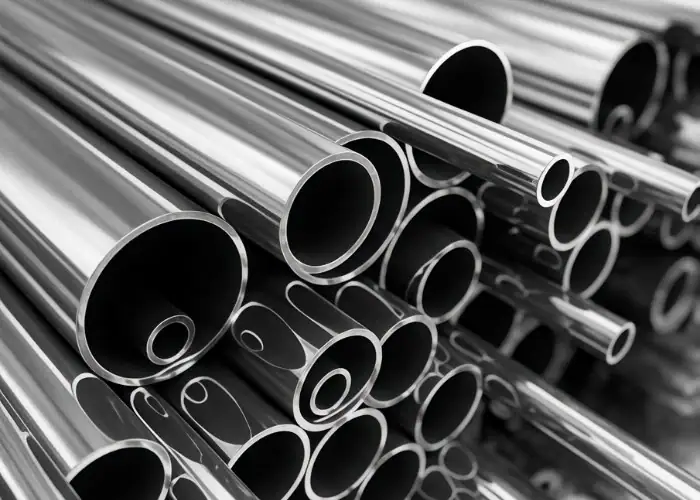
Understanding these differences helps engineers and manufacturers choose the right material for a specific application:
1. Carbon Steel
Carbon steel is the most widely used type of steel. It primarily contains iron and carbon, with only small amounts of other elements, which makes it relatively simple, cost-effective, and easy to process.
It is typically divided into three main groups:
- Low carbon steel (mild steel).
- Medium carbon steel.
- High carbon steel.
Low carbon steel is known for good ductility, weldability, and formability, so it is widely used in structural parts, sheet products, and general manufacturing. Medium carbon steel offers a balance between strength and toughness, making it suitable for machinery and automotive components.
High carbon steel provides higher hardness and wear resistance, which makes it more suitable for tools, springs, and cutting applications.
2. Alloy Steel
Alloy steel is a type of steel that contains additional elements such as chromium, nickel, molybdenum, and vanadium to improve strength, toughness, hardness, and resistance to wear or corrosion.
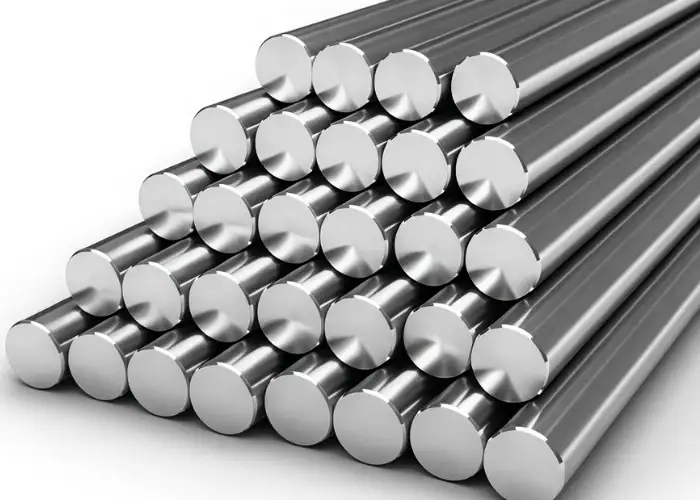
It is commonly divided into:
- Low-alloy steel.
- High-alloy steel.
Low-alloy steel usually contains smaller amounts of alloying elements and is often used when improved strength and toughness are needed without greatly increasing cost. High-alloy steel contains higher amounts of alloying elements and is generally selected for more demanding applications that require better corrosion resistance, heat resistance, or mechanical performance.
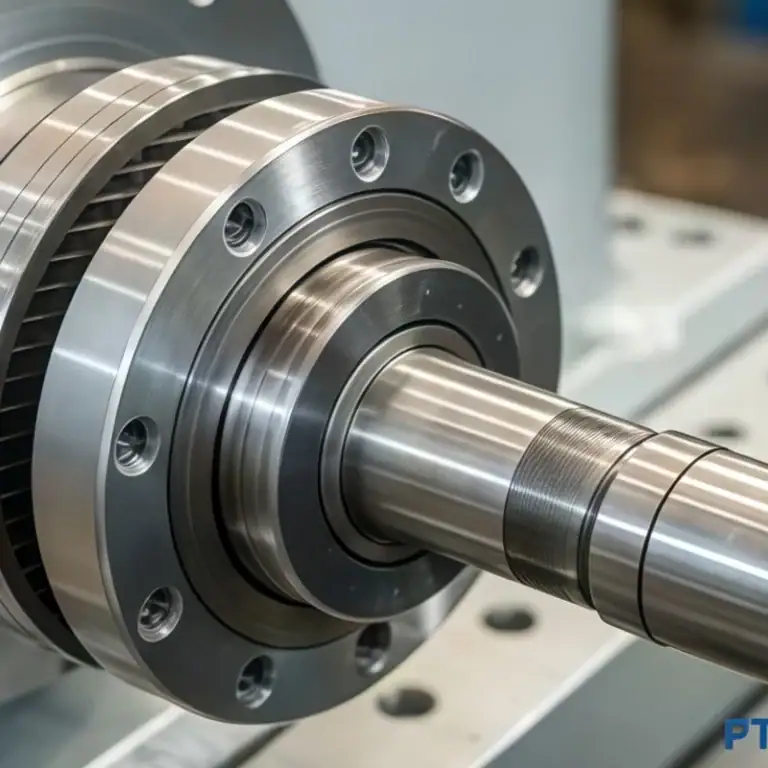
Compared with carbon steel, alloy steel is often chosen when stronger or more specialized material properties are required. It is widely used in shafts, gears, pressure vessels, machine components, and structural parts where higher strength and durability are important.
3. Stainless Steel
Stainless steel is mainly defined by its corrosion resistance, which comes from its chromium content. It typically contains at least around 10% chromium, often combined with nickel and other alloying elements.
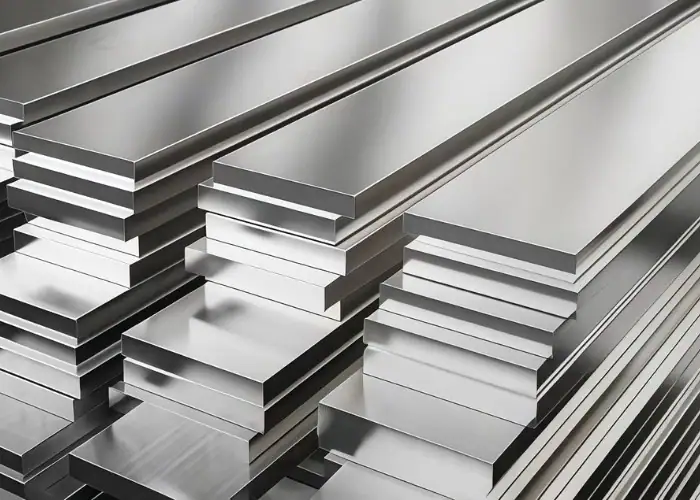
It is commonly divided into:
- Austenitic stainless steel.
- Ferritic stainless steel.
- Martensitic stainless steel.
- Duplex stainless steel.
Austenitic stainless steel is known for excellent corrosion resistance and good formability, making it one of the most widely used types of stainless steel. Ferritic stainless steel offers good corrosion resistance at a lower cost, while martensitic stainless steel provides higher hardness and strength. Duplex stainless steel combines strong corrosion resistance with higher strength, making it suitable for more demanding industrial environments.
Different types of stainless steel are selected depending on the balance of corrosion resistance, strength, and formability needed. This type of steel is widely used in construction, food processing, medical equipment, chemical systems, kitchen products, and consumer goods.
4. Tool Steel
Tool steel is designed for cutting, shaping, forming, and high-temperature applications. It often contains elements such as tungsten, molybdenum, vanadium, and chromium to improve hardness, wear resistance, and heat resistance.
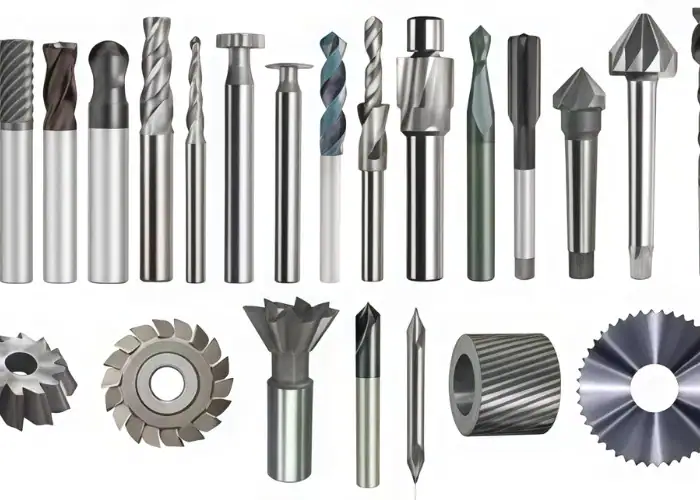
It is commonly divided into:
- Water-hardening tool steel.
- Cold-work tool steel.
- Hot-work tool steel.
- High-speed tool steel.
Water-hardening tool steel is usually used for simpler tooling applications, while cold-work tool steel is suitable for tooling used at lower temperatures. Hot-work tool steel is designed for elevated-temperature forming operations, and high-speed tool steel is well known for maintaining hardness at high cutting temperatures.
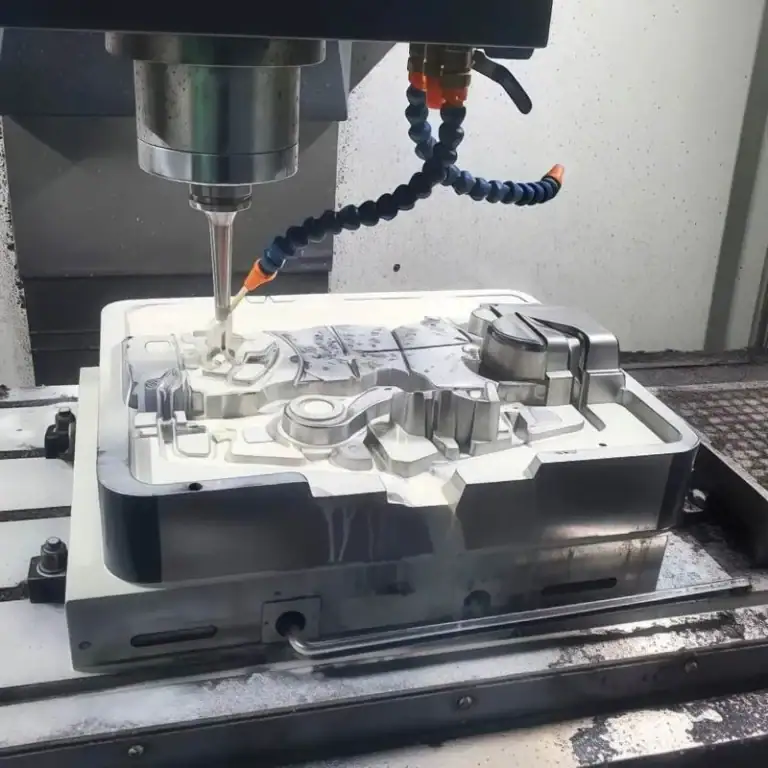
Tool steel is commonly used in tools, molds, dies, cutting equipment, and industrial production components. It is valued because it can maintain hardness and dimensional stability under demanding service conditions, especially where repeated stress, heat, and friction are present.
5. Weathering Steel
Weathering steel, also known as COR-TEN® steel, is designed to resist atmospheric corrosion. It forms a stable oxide layer on the surface, which helps protect the underlying material from further degradation.

It is commonly discussed in terms of:
- Structural weathering steel.
- Architectural weathering steel.
Structural weathering steel is often used where durability and load-bearing performance are required in outdoor environments. Architectural weathering steel is more often selected when both corrosion resistance and appearance matter, especially in exposed design applications.
This type of steel is commonly used in bridges, outdoor structures, containers, sculptures, and architectural projects. It is often chosen not only for durability in outdoor environments, but also for its distinctive surface appearance, which makes it popular in modern design and exposed structural applications.
Quick Comparison of the 5 Common Types of Steel
| Steel Type | Main Feature | Typical Uses |
| Carbon Steel | Cost-effective and widely used | Structural parts, machinery, sheet products |
| Alloy Steel | Improved strength and toughness | Shafts, gears, industrial components |
| Stainless Steel | Excellent corrosion resistance | Medical equipment, food processing, construction |
| Tool Steel | High hardness and wear resistance | Cutting tools, molds, dies |
| Weathering Steel | Atmospheric corrosion resistance | Bridges, outdoor structures, architecture |
Each of these common steel types serves a different purpose. Carbon steel is often chosen for general use and cost efficiency, alloy steel for enhanced mechanical performance, stainless steel for corrosion resistance, tool steel for wear and heat resistance, and weathering steel for outdoor durability. This is why selecting the right steel type depends on how the material will be used in actual service conditions.
How Is Steel Classified and Graded?
Steel is classified and graded based on composition, structure, manufacturing process, and application. Classification typically refers to broad categories such as carbon steel, alloy steel, stainless steel, and tool steel, while grading refers to specific standards that define material properties and performance.
In practice, types of steel describe the general category of the material, while steel grades define exact specifications such as chemical composition, strength, and intended use. Both are essential for selecting the right material in engineering and manufacturing.
Steel classification is commonly based on several key factors:
- Chemical composition, such as carbon content or alloying elements.
- Microstructure, including phases like ferrite or martensite.
- Manufacturing process, such as hot rolling or cold forming.
- Application and function, such as structural, tool, or corrosion-resistant use.
Steel grading focuses more on standardization and specification. It helps engineers ensure that a material meets required performance criteria, including strength, hardness, and environmental resistance. Common grading systems, such as ASTM and SAE, provide consistent naming rules and material definitions across industries.
| Aspect | Steel Classification | Steel Grading |
| Purpose | Group steel into general types | Define exact material specifications |
| Basis | Composition, structure, and use | Standards and numerical designations |
| Examples | Carbon steel, stainless steel | ASTM A36, SAE 1040 |
| Focus | Material category | Mechanical properties and composition |
| Application | Early material selection | Final engineering and manufacturing choice |
Understanding both classification and grading is important because they serve different roles. Classification helps narrow down the type of steel, while grading ensures the selected material meets precise engineering requirements.
2 Common Steel Grading Systems
The two most common steel grading systems are ASTM and SAE. These systems are widely used to standardize material properties, ensure consistency, and make it easier for engineers and manufacturers to select the right material for specific applications.
1. ASTM Grading System
The ASTM grading system focuses on material standards, mechanical properties, and application requirements. It is widely used in construction, infrastructure, and general engineering.
ASTM designations typically consist of a letter and a number. The letter often indicates the material category, while the number refers to a specific standard. For example, ASTM A36 is a commonly used structural steel with defined strength and performance requirements.
Key features of the ASTM system include:
- Emphasis on mechanical properties and performance standards.
- Wide use in structural, industrial, and manufacturing applications.
- Clear specifications for testing, composition, and quality control.
This system is especially useful when material performance and compliance with engineering standards are critical.
2. SAE Grading System
The SAE grading system focuses more on chemical composition, particularly carbon content and alloying elements. It is widely used in mechanical engineering, automotive manufacturing, and machining applications.
SAE grades typically use a four-digit numbering system. The first digits indicate the steel type and alloy category, while the last two digits represent the approximate carbon content. For example, SAE 1040 indicates a carbon steel with about 0.40% carbon.
Key features of the SAE system include:
- Focus on chemical composition and material structure.
- Commonly used in automotive and mechanical components.
- Easy identification of carbon content and alloy type.
This system is especially helpful when selecting materials based on composition and machining or performance requirements.
What are the Processing Methods for Different Types of Steel?
Different types of steel are processed through methods such as machining, forming, heat treatment, and surface finishing. The most suitable method depends on the steel’s properties and application requirements.
Machining Processes
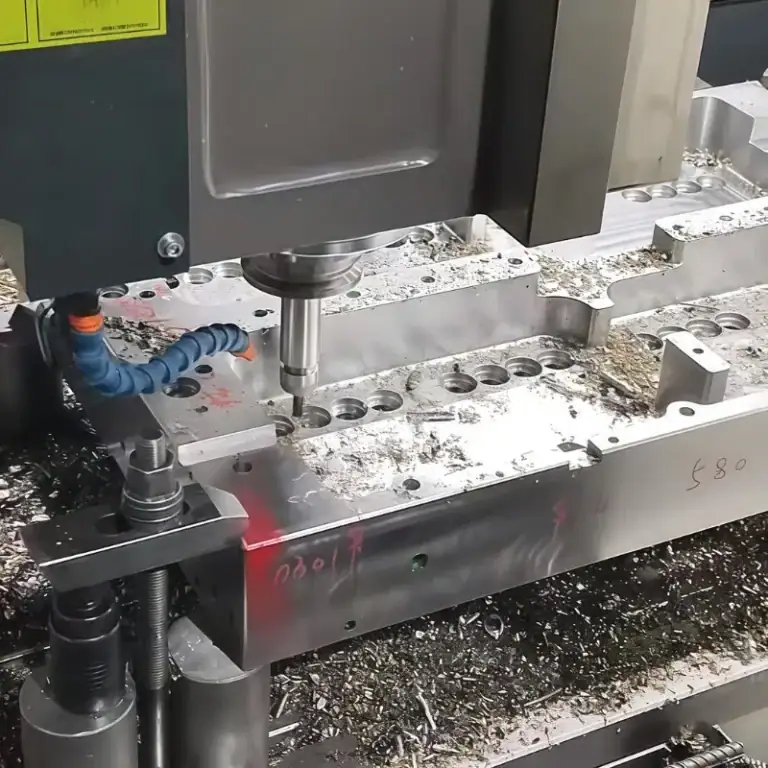
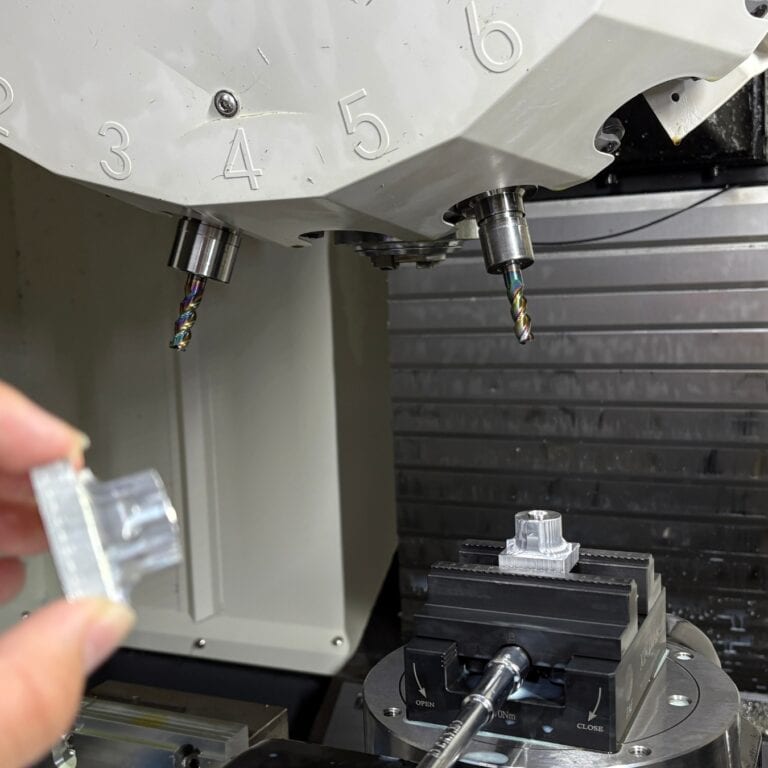
Machining processes include CNC milling, turning, drilling, tapping, and grinding. These methods remove material to produce accurate dimensions, complex features, and finished surfaces. They are commonly used for shafts, gears, housings, brackets, and custom mechanical parts.
Forming Processes
Forming processes shape steel without removing large amounts of material. Common methods include rolling, bending, stamping, forging, and deep drawing. These processes are widely used for structural parts, sheet metal components, tubes, and high-volume industrial products.
Heat Treatment Processes
Heat treatment processes are used to change the internal structure of steel and improve its performance. Common methods include annealing, normalizing, quenching, and tempering. These treatments can increase hardness, improve toughness, reduce internal stress, or prepare the steel for further machining.
Welding and Joining Processes
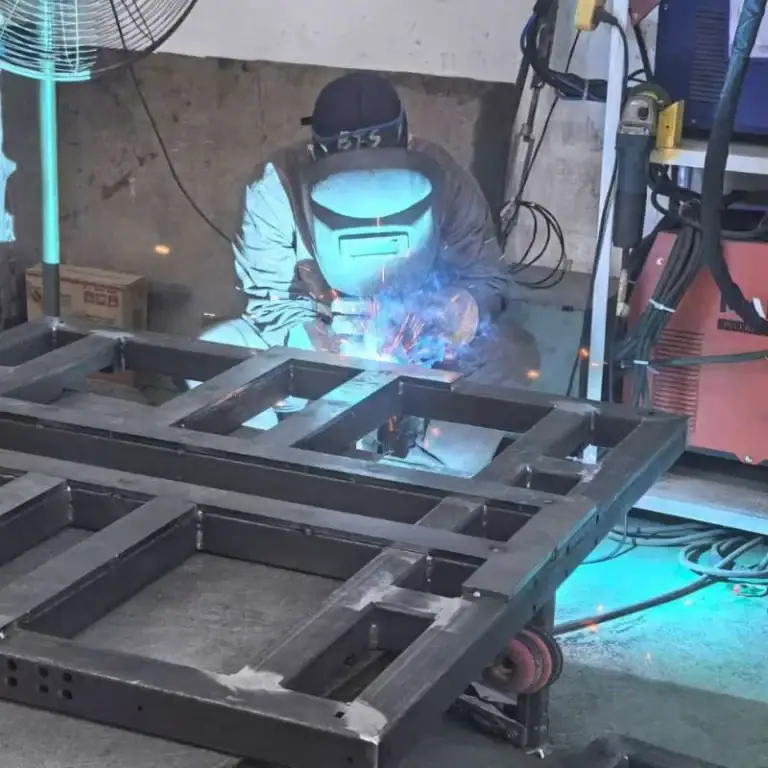
Welding and joining are also important processing methods for many steel applications. Common joining methods include MIG welding, TIG welding, stick welding, and mechanical fastening. These are widely used in construction, structural fabrication, machinery, and custom assemblies.
Surface Finishing Processes
Surface finishing processes are used to improve corrosion resistance, appearance, wear performance, and surface condition. Common finishing methods include polishing, coating, painting, galvanizing, passivation, and plating.
Common Processing Methods by Steel Type
| Steel Type | Common Processing Methods | Typical Considerations |
| Carbon Steel | Machining, forming, welding, coating | Easy to process, cost-effective, may need corrosion protection |
| Alloy Steel | Machining, heat treatment, forging | Higher strength, may require stronger tooling and controlled treatment |
| Stainless Steel | Machining, forming, welding, polishing, passivation | Good corrosion resistance, may work-harden during machining |
| Tool Steel | Machining, heat treatment, grinding | High hardness and wear resistance, often machined before final hardening |
| Weathering Steel | Cutting, welding, forming, surface exposure | Good outdoor durability, commonly used in structural fabrication |
What Are the Common Uses of Different Steel Types?
Different types of steel are used in different applications based on their properties such as strength, corrosion resistance, wear resistance, and cost. In practice, the selection of a specific type of steel depends on how the material is expected to perform under real working conditions, including load, environment, and service life.
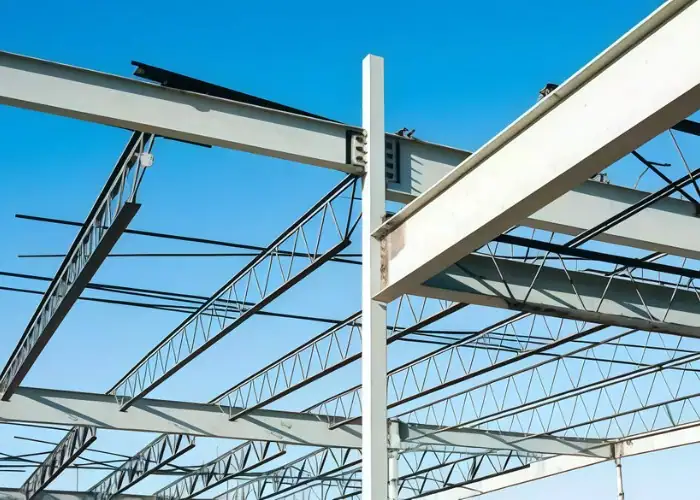
Construction and Structural Applications
Carbon steel, structural steel, and weathering steel are commonly used in construction because they offer a strong balance of strength, durability, and cost efficiency.
Carbon steel, especially low carbon steel, is widely used in beams, frames, and general structural components due to its good weldability and formability. Structural steel grades are designed to meet specific strength and safety standards, making them suitable for buildings, bridges, and infrastructure. Weathering steel is often used in outdoor structures where resistance to atmospheric corrosion is important, such as bridges and architectural facades.
These materials are preferred in construction because they provide reliable load-bearing capacity while remaining economical for large-scale projects.
Industrial and Mechanical Applications
Alloy steel, tool steel, and medium carbon steel are widely used in machinery, automotive components, and industrial equipment where higher performance is required.
Alloy steel is commonly used in shafts, gears, and pressure-bearing components because it offers improved strength and toughness. Medium carbon steel is often selected for parts that require a balance between strength and machinability, such as axles and mechanical components. Tool steel is used in cutting tools, molds, and dies because it can maintain hardness and resist wear under high stress and temperature.
These applications typically involve repeated loads, friction, and mechanical stress, so material performance is a critical factor in steel selection.
Consumer and Everyday Products
Low carbon steel and stainless steel are commonly used in consumer products because they are easy to process and offer good performance for everyday use.
Low carbon steel is widely used in automotive body panels, household items, and general products due to its low cost and good formability. Stainless steel is used in kitchen equipment, appliances, medical tools, and food-processing components because of its corrosion resistance, hygiene, and durability.
In these applications, the focus is often on a combination of performance, appearance, and ease of manufacturing, which is why these types of steel are so widely used in daily life.
Summary of Steel Uses by Application
| Application Area | Common Steel Types | Key Reasons |
| Construction | Carbon steel, structural steel, weathering steel | Strength, durability, cost efficiency |
| Industrial & Mechanical | Alloy steel, tool steel, medium carbon steel | Strength, wear resistance, performance |
| Consumer Products | Low carbon steel, stainless steel | Formability, corrosion resistance, cost |
Each type of steel is selected based on how well its properties match the application requirements. This is why understanding the different types of steel and their uses is essential for making effective engineering and manufacturing decisions.
How Do You Choose the Right Type of Steel and Grade?
The right type of steel is chosen by balancing performance requirements, environmental conditions, and manufacturing constraints. Material selection is not about choosing the strongest option, but the most suitable one.
Performance Requirements
Performance requirements determine the basic steel type. Carbon steel is often used for cost-effective strength, alloy steel for enhanced properties, and tool steel for high-performance applications.
Corrosion and Environmental Conditions
Environmental conditions influence whether corrosion resistance is needed. Stainless steel and weathering steel are preferred in humid, outdoor, or corrosive environments.
Manufacturing and Cost Considerations
Manufacturing and cost factors determine whether a material is practical. Some steel grades offer better performance but are harder to machine or more expensive. The best choice balances performance with manufacturability and cost.
FAQs
What Is Type 1 And Type 2 Steel?
Type 1 and Type 2 steel are general classification terms, not universal steel standards. In many cases, Type 1 refers to basic structural or carbon steel, while Type 2 usually indicates a modified or higher-performance steel. The exact meaning depends on the standard being used.
Which Is Better SS 304 Or 316?
SS 304 and 316 are both common stainless steels, but 316 offers better corrosion resistance because it contains about 2–3% molybdenum. 304 is more affordable and suitable for general use, while 316 is better for marine, chemical, or chloride-rich environments.
Why Is 316L Better Than 304?
316L is often better than 304 in corrosive environments because of its lower carbon content and added molybdenum. This improves resistance to pitting, crevice corrosion, and welding-related corrosion. It is widely used in marine, chemical, and medical applications.
Which Steel Grade Is Best?
There is no single best steel grade. The right grade depends on strength, corrosion resistance, temperature, cost, and application needs. For example, carbon steel is common for structural use, while stainless steel is preferred where corrosion resistance is important.
Is Steel A Type Of Metal?
Steel is a type of metal, more specifically an iron-based alloy. It is made by combining iron with carbon and sometimes other elements to improve strength, durability, and performance. That is why steel is widely used in engineering and manufacturing.
How To Tell What Type Of Steel Something Is?
The type of steel can be identified through certificates, chemical analysis, or mechanical testing. Common methods include spark testing, hardness testing, and spectrometer analysis. In most industrial settings, a material certificate is the most reliable way to confirm steel type.
What Type Of Drill Bit For Hardened Steel?
Hardened steel is usually drilled with carbide or cobalt drill bits, such as M35 or M42. These bits offer better heat resistance and wear resistance than standard high-speed steel bits. Proper cutting speed and lubrication are also important for good results.
Conclusion
Steel helps engineers and manufacturers balance strength, durability, corrosion resistance, and cost across a wide range of applications. The right type of steel depends on factors such as performance requirements, service environment, manufacturability, and overall project needs.
At TiRapid, we provide precision CNC machining for custom steel parts across multiple industries. Upload your design to get a tailored solution for your manufacturing project.