Get It Made’s resources section is where you can find all the information you need for designing and manufacturing great parts. The guides will teach you the fundamentals of a manufacturing method and how you can optimise your parts for that chosen method. The technical toolbox delves deeper into specific engineering resources such as thread sizes and finishes. If you want to read up on some of our case studies or news articles, head to the insights section.
Are we missing something you want to know? Send us a message, and we will get it added!
Guides
Long-form detailed guides for each manufacturing process. Discover how to design parts for CNC Machining or Aluminium Extrusions.
Types of steel refer to the main categories used to classify steel based on composition, properties, and intended performance. In engineering and manufacturing, the selected type of steel affects strength,
Types of fits describe how two mating parts fit together in an assembly. In engineering, the selected fit affects movement, alignment, assembly force, wear, and overall performance. The three main
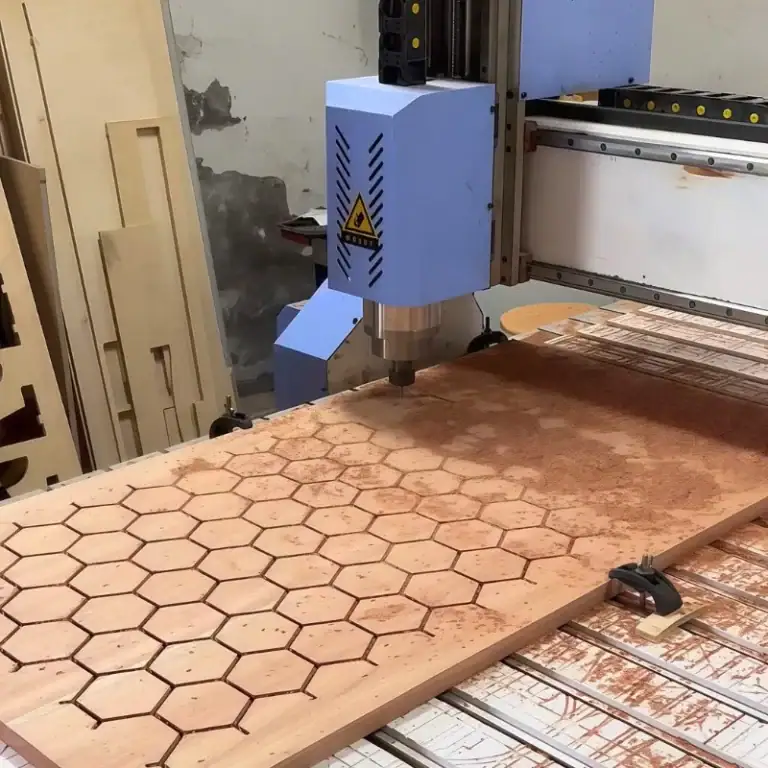
CNC routing is a computer-controlled cutting process used to shape wood, plastics, composites, and some soft metals into precise parts. A CNC router follows digital instructions to cut, drill, engrave,
GD&T Symbols represent a standardized system used in engineering drawings to control allowable variation in part geometry. These symbols ensure parts fit, function, and assemble correctly in real applications. They
Types of plastic materials used in engineering and CNC machining play a critical role when components must maintain rigidity, dimensional stability, and load-bearing capability. Compared with metals, plastic materials offer
Metal fabrication is a fundamental manufacturing process that transforms raw metal materials into functional parts and structures through cutting, bending, and assembly. From bridges and vehicles to industrial machinery, fabricated
Holes are among the most fundamental features in mechanical design, yet the types of holes used in engineering and machining are far more diverse than they first appear. From simple
Tack welding is a temporary welding technique used to hold metal parts in position before the final weld is completed. These small welds help maintain alignment, control distortion, and ensure
Non ferrous metals play a critical role in modern manufacturing and engineering. These metals do not contain significant amounts of iron, which gives them unique advantages such as corrosion resistance,
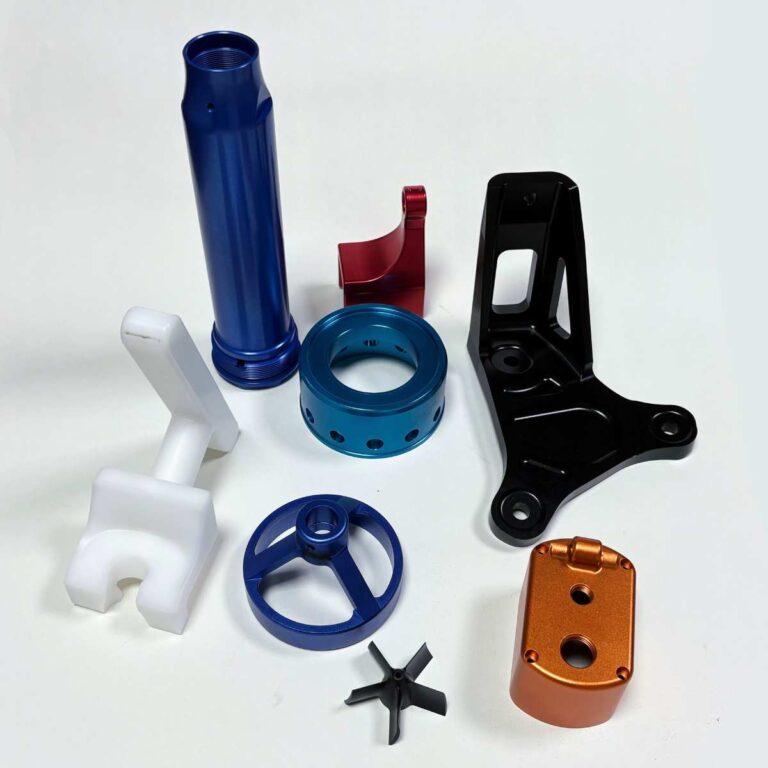
CNC machining is a key process in modern manufacturing, known for its high precision, automation, and ability to handle a variety of materials. Selecting the right machining method and equipment
Different types of milling machine may appear similar at first glance, but their structure, rigidity, and axis capability lead to very different industrial outcomes. From conventional mills to advanced 5-axis
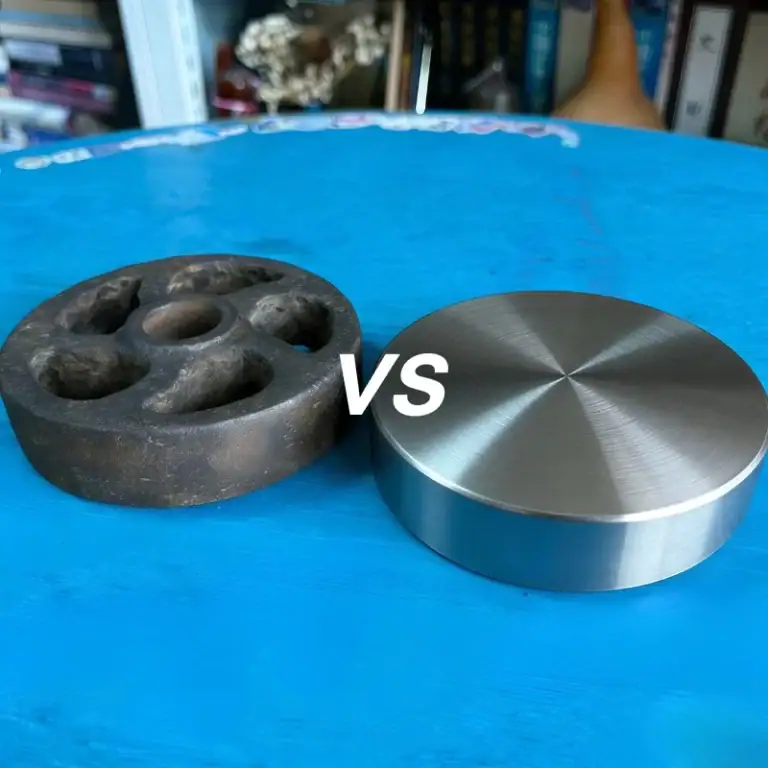
Casting vs machining are two of the most important processes in metal part manufacturing, but they shape material in very different ways and support different production goals. This article explains
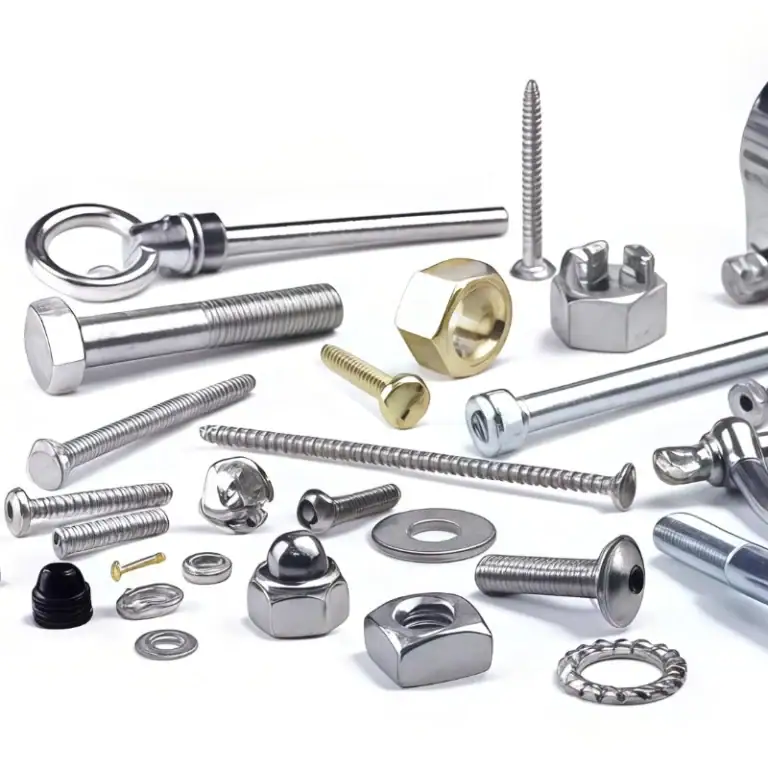
Fasteners are essential components used to securely join parts in various industries. Available in different shapes, sizes, and materials, each type is tailored for specific applications. Understanding the types of
In GD&T, profile of a surface defines a three-dimensional tolerance zone that controls how closely a manufactured surface follows its theoretical geometry. It is commonly used to manage complex curved
Choosing the right machining process is crucial for precision and cost-saving. But with so many options, where do you start? This ultimate guide breaks down 35 essential machining operations for
Cast iron and steel transmit strength, durability, and structural support in many engineering systems. In modern manufacturing, both materials are widely used to produce machine components, structural parts, and industrial
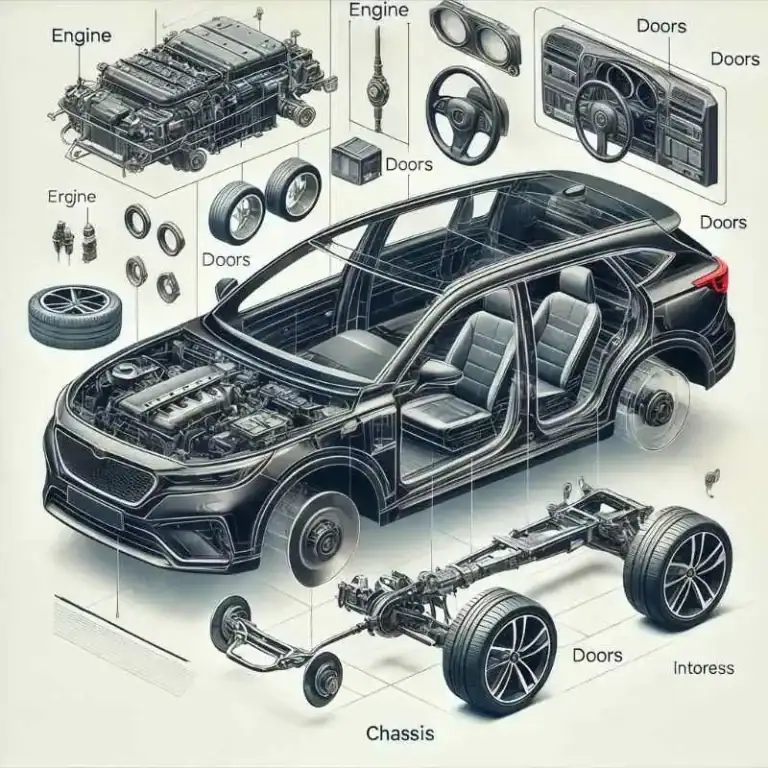
Automotive plastics have become essential materials in modern vehicle manufacturing. From lightweight structural components to interior and exterior parts, these high-performance plastics improve durability, reduce weight, and enhance design flexibility.
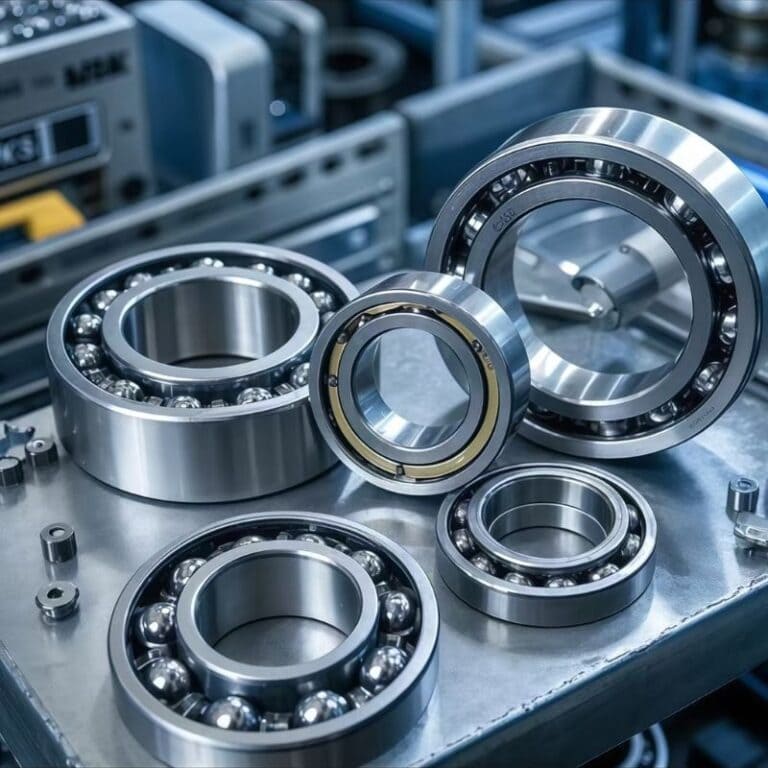
From small electric motors to massive wind turbines, bearings are essential components that allow machines to move smoothly while reducing friction and wear. However, different mechanical systems require different types
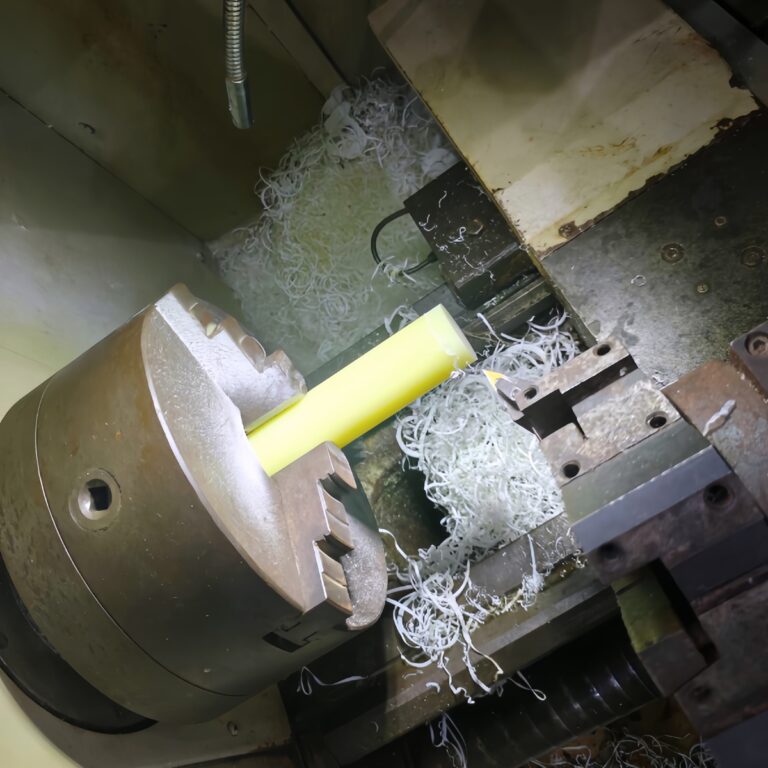
Turning operations are fundamental yet crucial in CNC machining, ranging from basic external turning to complex threading, grooving, and tapping. Each type has its unique process logic and specific applications.
CNC aerospace machining may appear similar to standard CNC machining, but aerospace tolerances, material behavior, and certification demands are far stricter. From structural components to flight-critical hardware, every part must
3-axis CNC machining is a fundamental manufacturing process widely used for producing precise and reliable machined parts. By controlling tool movement along the X, Y, and Z axes, this method
7 axis CNC machining enables unmatched flexibility and precision by allowing simultaneous multi-directional movement in a single setup. This capability is critical for aerospace, medical, and complex structural parts. In
Ceramic CNC machining is an advanced process that allows for the precise shaping and production of ceramic materials. Due to their exceptional hardness, brittleness, and unique properties, ceramics require specialized
Custom Vintage Camera Base: The Challenge, the Solution, and the Result Client Concept: A Passion For Cameras Aaron, a spatial designer from Singapore, has a deep interest in photography and