In metal manufacturing, surface treatment is a functional engineering decision rather than a cosmetic step. The selected surface finish directly affects corrosion resistance, friction behavior, lubrication performance, coating adhesion, dimensional stability, and long-term part reliability. Among industrial conversion coatings, phosphate coating remains one of the most widely used and cost-effective treatments for steel components, valued for its stable functional performance and compatibility with painting, oil impregnation, heat treatment, and mechanical assembly.
This article explains phosphate coating from a metal parts engineering perspective. It covers how the phosphating process works, the main phosphate coating types used on steel parts, key engineering benefits and limitations, and how engineers determine whether phosphate coating is the right surface treatment choice for production components.
What Is Phosphate Coating for Metal Parts?
Phosphate coating is a chemical conversion coating formed through a controlled reaction between a metal surface and a phosphate-based solution. Unlike electroplating or anodizing, phosphate coating does not deposit a separate metallic layer. Instead, it converts the outermost surface of the base metal into a thin, insoluble phosphate layer that is tightly bonded to the substrate.
For metal parts, phosphate coatings are most commonly applied to carbon steel, alloy steel, and cast iron after all forming or machining operations are completed. The resulting surface provides functional characteristics such as moderate corrosion resistance, improved lubricant retention, reduced friction, and strong adhesion for paint,
How the Phosphate Coating Process Works?
The phosphate coating process begins with thorough surface preparation. Machined parts must be properly cleaned to remove cutting oils, coolants, chips, and surface oxides. Any contamination left on the surface will negatively affect coating uniformity and adhesion.
After cleaning, the part is exposed to a phosphate solution—typically by immersion or spray—where a controlled chemical reaction occurs between the solution and the metal surface. This reaction forms a tightly bonded phosphate layer composed of crystalline or amorphous structures, depending on the coating type.
The resulting coating is thin, uniform, and porous enough to retain oils or serve as an effective base for secondary finishes such as paint or powder coating. While coating thickness is relatively low compared to plating, it is consistent and well suited for most functional metal parts applications.
4 Types of Phosphate Coatings Used on Metal Parts
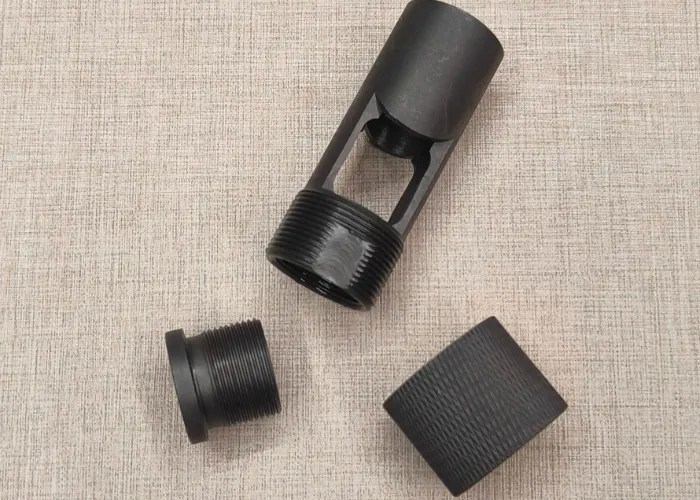
Iron Phosphate Coating
Iron phosphate coatings are the lightest and simplest form of phosphating. They form an amorphous, non-crystalline layer that provides basic corrosion protection and excellent adhesion for paint and powder coating.
For metal parts, iron phosphate is commonly used as a pretreatment before painting or powder coating steel components. It is cost-effective, easy to control, and operates at lower process temperatures compared to other phosphate systems. However, it offers limited standalone corrosion resistance and is not suitable for high-wear or load-bearing applications.
Zinc Phosphate Coating
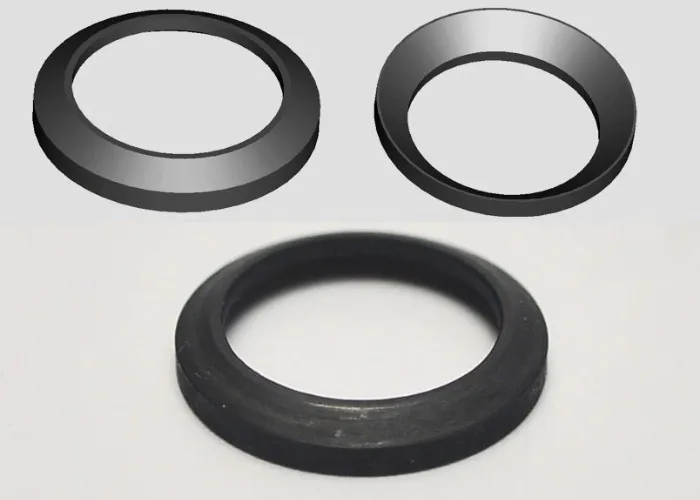
Zinc phosphate coatings form a crystalline structure and provide significantly better corrosion resistance than iron phosphate. They are widely used on steel parts that require improved wear resistance, lubricant retention, or extended protection under light oiling conditions.
Zinc phosphate is commonly specified for automotive components, industrial machinery parts, and structural steel parts that will later receive paint, powder coating, or rust-preventive oils. It offers a good balance between protection performance and process cost.
 Manganese Phosphate Coating
Manganese phosphate coatings are the heaviest and most wear-resistant among phosphate systems. They create a dense, coarse crystalline layer that excels at retaining lubricants and reducing friction under load.
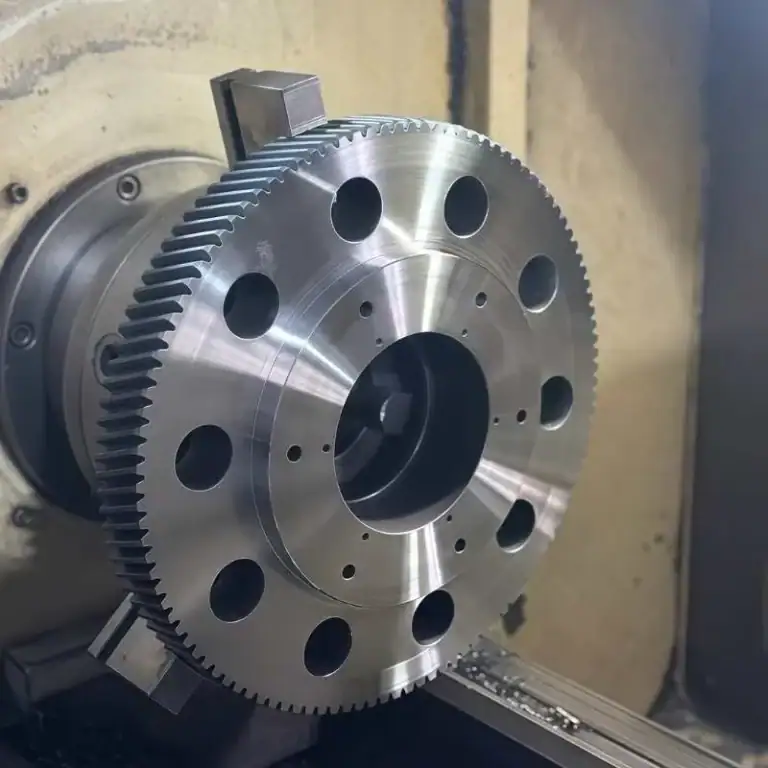
For metal parts, manganese phosphate is typically applied to high-wear and moving components such as gears, camshafts, bushings, and sliding mechanisms. It is especially valuable during break-in periods where galling, scuffing, and surface wear must be tightly controlled.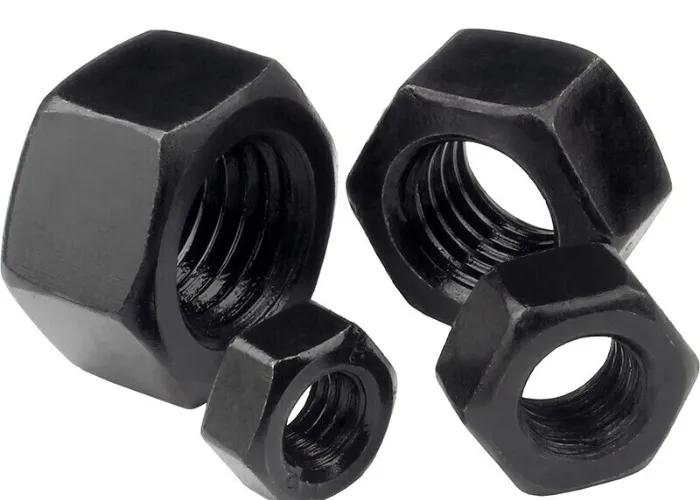
Nickel Phosphate Coating
Nickel phosphate coatings are modified phosphate conversion coatings designed to improve corrosion resistance and surface uniformity on steel parts. Compared with iron phosphate, the nickel-enhanced layer is denser and more chemically stable.
Nickel phosphate is commonly used for fasteners and precision steel parts that require improved corrosion protection and reliable paint or powder-coating adhesion, without the added complexity or coating weight of heavier zinc or manganese phosphate systems.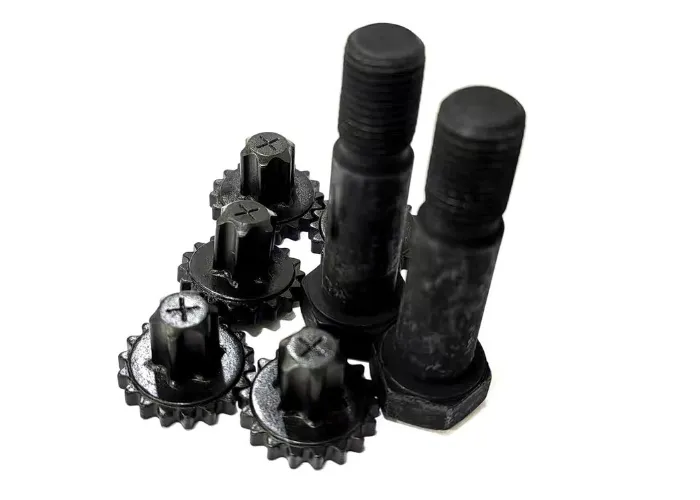
Key Benefits of Phosphate Coating for Metal Parts
Phosphate coating offers several functional advantages when applied to metal parts, particularly steel and iron components used in industrial and mechanical applications:
- Moderate corrosion resistance in dry or lightly oiled service environments
- Excellent lubricant retention, improving performance of moving, sliding, or assembled metal components
- Reduced friction and wearon contact surfaces such as gears, shafts, and fasteners
- Stable and uniform surface basefor paint, powder coating, or oil impregnationCost-effective and scalable surface treatment for medium- to high-volume metal part production
For many functional steel parts, phosphate coating provides adequate protection without the added thickness, cost, or dimensional risk associated with plating processes
Common Applications of Phosphate Coating on Metal Parts
Phosphate coatings are widely used on metal parts in applications where functional performance, wear behavior, and process reliability are more critical than surface appearance. Typical application areas include:
- Automotive metal components such as gears, fasteners, brackets, and stamped or machined steel parts
- Industrial machinery parts including shafts, cams, housings, and structural components
- Oil and gas equipment components exposed to assembly stress, friction, or controlled operating environments
- Pre-treatment for painted or sealed steel parts, providing improved adhesion and corrosion protection before final finishing
In these applications, phosphate coating improves wear resistance, lubricant retention, and surface consistency, while maintaining dimensional stability and production efficiency for metal components.
Limitations and Engineering Considerations of Phosphate Coating
Although phosphate coating is a practical and cost-effective surface treatment, it has important engineering limitations. Its corrosion resistance is moderate and lower than zinc plating or electroless nickel, so outdoor or aggressive environments typically require post-treatments such as oiling, sealing, or painting.
Phosphate coating is suitable only for ferrous metals, including carbon steel, alloy steel, and cast iron, and cannot be applied to aluminum or stainless steel. The finish is functional rather than decorative, producing a matte gray or black appearance. In addition, while the coating is thin, thickness control is limited, making it unsuitable for ultra-tight tolerance interfaces. Engineers should also consider surface preparation, process stability, and compatibility with downstream operations to ensure consistent performance.
FAQs
What is the primary use of phosphate coating?
Phosphate coating is mainly used to improve corrosion resistance, enhance lubrication retention, and provide a stable base for paint or powder coating on steel parts.
Is phosphate coating suitable for outdoor environments?
On its own, phosphate coating offers limited outdoor corrosion protection. It is typically combined with oil, paint, or sealant for extended exposure.
Does phosphate coating affect CNC tolerances?
Phosphate coatings are thin and uniform, making them suitable for most CNC tolerances. Extremely tight fits should be evaluated carefully.
Can phosphate coating replace plating?
In some functional applications, yes. However, plating is still preferred when maximum corrosion resistance or decorative finish is required.
When Is Phosphate Coating the Most Cost-Effective Choice?
Phosphate coating is most cost-effective for functional steel parts requiring basic corrosion protection, lubricant retention, or surface preparation in high-volume production where dimensional stability and cost efficiency matter more than appearance.
When Should Engineers Choose Phosphate Coating?
Engineers choose phosphate coating when metal parts operate in controlled environments, involve sliding or assembly contact, or require a reliable base for secondary finishes where functional performance and cost efficiency outweigh appearance.
Conclusion
Phosphate coating remains a practical and reliable surface treatment for metal parts when applied to the right materials and functional requirements. By understanding its benefits, limitations, and selection logic, engineers can make informed decisions that enhance part performance, process stability, and cost efficiency without unnecessary over-engineering.
At TiRapid, we support engineers and buyers in selecting the most suitable surface treatments for metal parts based on application function, operating environment, and production volume. If you are evaluating phosphate coating or comparing alternative surface finishes, feel free to send us your drawings for a fast feasibility review and technical recommendation.