Plastic can be cut using methods such as scoring with a utility knife, sawing with fine-tooth blades, or precision machining for complex parts. The best tool depends on the plastic type, thickness, and required accuracy. Different plastics behave differently during cutting—some are brittle, while others are flexible and may melt when heat builds up.
In this guide, you will learn how to cut plastic effectively using the right tools, methods, and practical techniques to achieve clean edges and accurate results.
Why Plastic Requires Different Cutting Methods
Plastic requires different cutting methods because plastics vary in hardness, flexibility, and melting temperature. These properties affect how the material reacts to cutting force and heat, which directly influences cutting quality.
- Material hardness: Hard plastics require stronger tools, while softer plastics may deform under pressure.
- Thermal sensitivity: Some plastics soften or melt when exposed to heat during cutting.
- Structural behavior: Brittle plastics may crack, while flexible plastics bend instead of cutting cleanly.
- Thickness differences: Thin sheets and thick plastics require different cutting tools and techniques.
Factors That Affect Plastic Cutting Quality
Plastic cutting quality is influenced by several factors related to both the material and the cutting process. Proper control of these factors helps produce clean and accurate edges.
- Material hardness: Harder plastics require durable cutting tools.
- Material thickness: Thicker plastics usually require saws or machining tools.
- Cutting speed: Excessive speed can generate heat and cause melting.
- Tool sharpness: Sharp blades improve edge quality and reduce burr formation.
- Cutting pressure: Excessive force can cause cracking or deformation.
Common Types of Plastic Materials That Can Be Cut
Many common plastics can be cut using manual tools or machining processes. Understanding the material type helps determine the best cutting method.
- Acrylic (PMMA): Often cut using scoring knives, laser cutting, or CNC machining.
- ABS: Commonly cut with saws, routers, or CNC machines.
- PVC: Suitable for knife scoring, saw cutting, or machining.
- Polycarbonate: Tough and impact-resistant, requiring careful cutting to avoid edge damage.
- Polyethylene (PE): Softer plastic that can be cut using knives, saws, or machining tools.
What Tools Are Commonly Used to Cut Plastic?
Plastic can be cut using a variety of tools ranging from simple hand tools to advanced machining equipment. Each tool is designed for different plastic types, thickness ranges, and cutting precision requirements. Selecting the correct tool helps achieve clean edges, prevents cracking or melting, and improves overall cutting efficiency.
| Tool | Best For | Typical Thickness | Key Advantage |
| Utility Knife | Thin plastic sheets (acrylic, PVC) | <6 mm | Simple and low-cost cutting |
| Plastic Cutting Saw | Thick rigid plastics | 6–50 mm | Straight and stable cutting |
| Scissors / Shears | Flexible plastic films | <3 mm | Fast trimming and shaping |
| Hot Knife | Foam and thermoplastics | Thin–medium | Seals edges while cutting |
| CNC Machine | Precision plastic parts | Various | High accuracy and repeatability |
| Rotary / Dremel Tools | Detailed trimming | Thin–medium | Ideal for small or complex shapes |
5 Common Methods For Cutting Plastic
Plastic can be cut using several methods depending on the material type, thickness, and required precision. The most widely used plastic cutting methods include CNC machining, laser cutting, scoring and snapping, sawing, and wire cutting.
1.CNC Machining Cutting
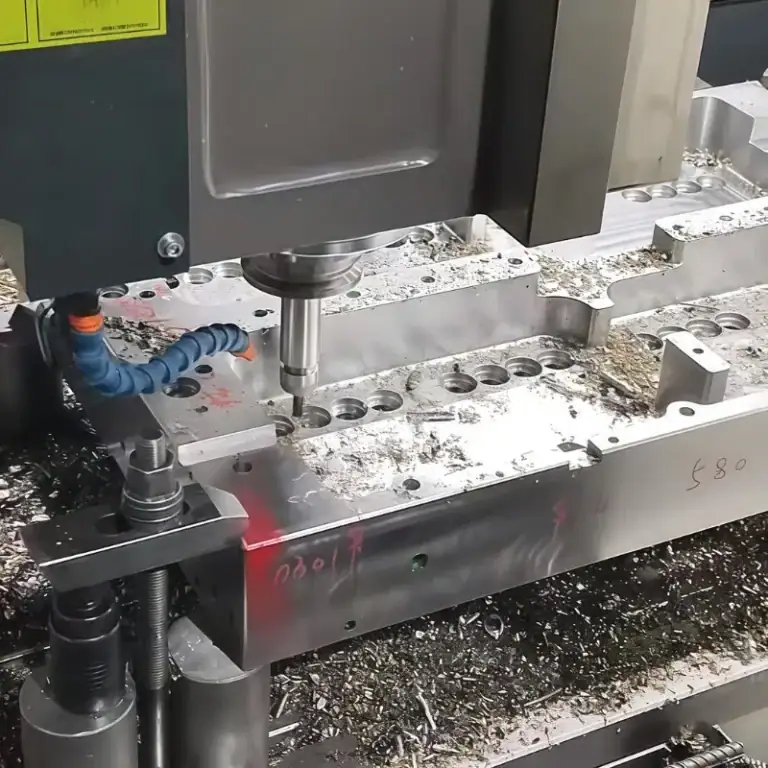
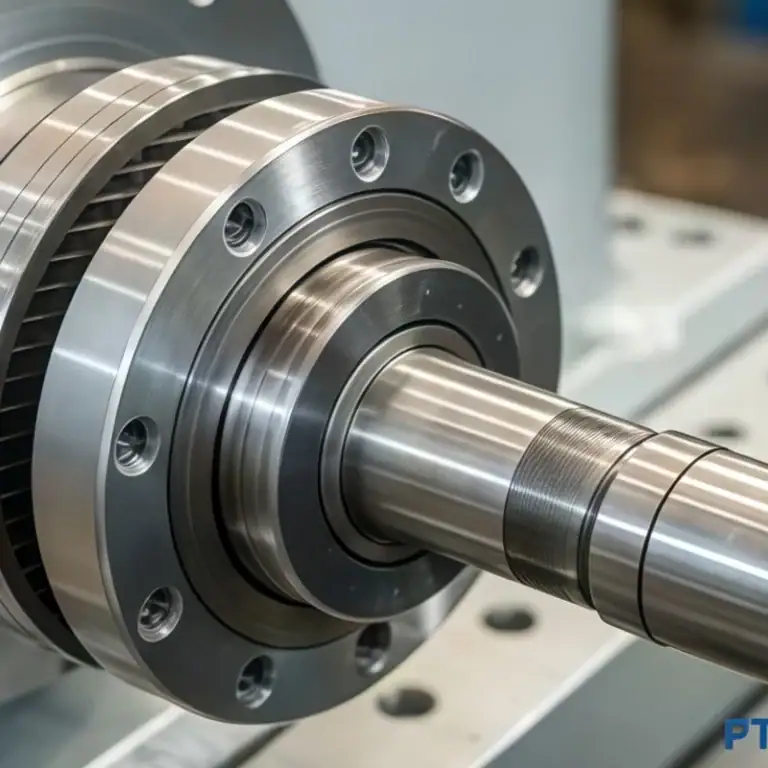
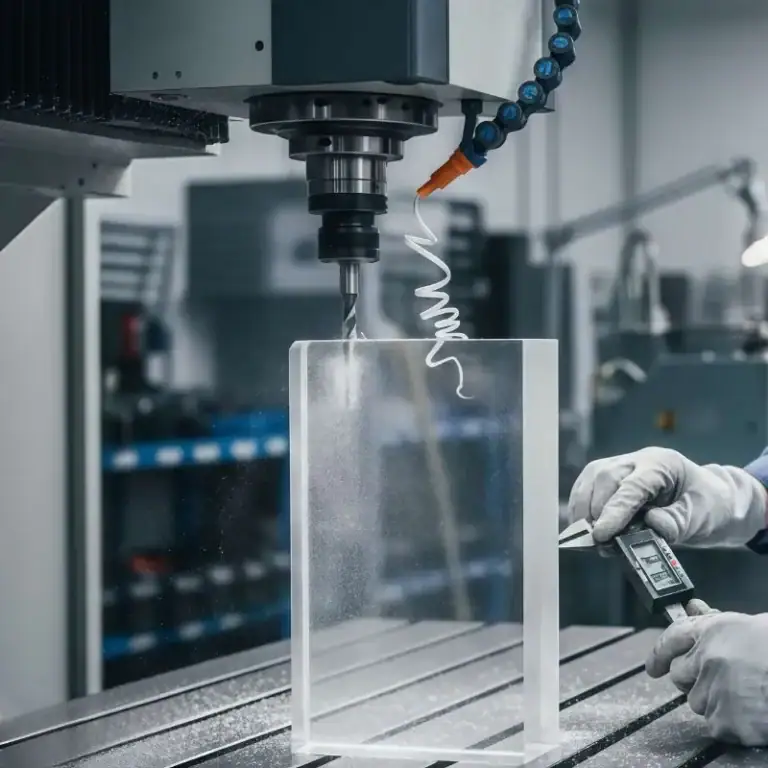
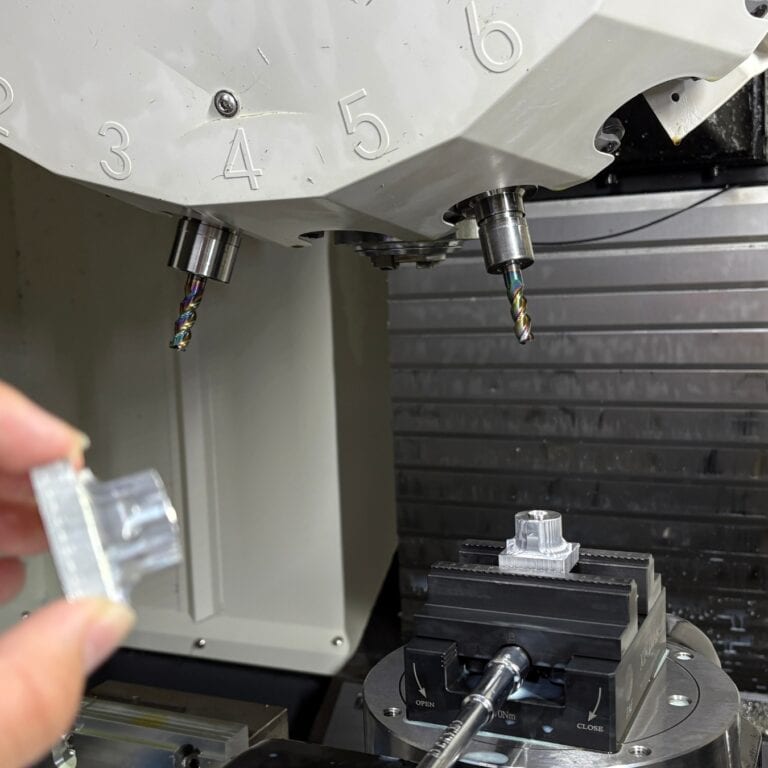
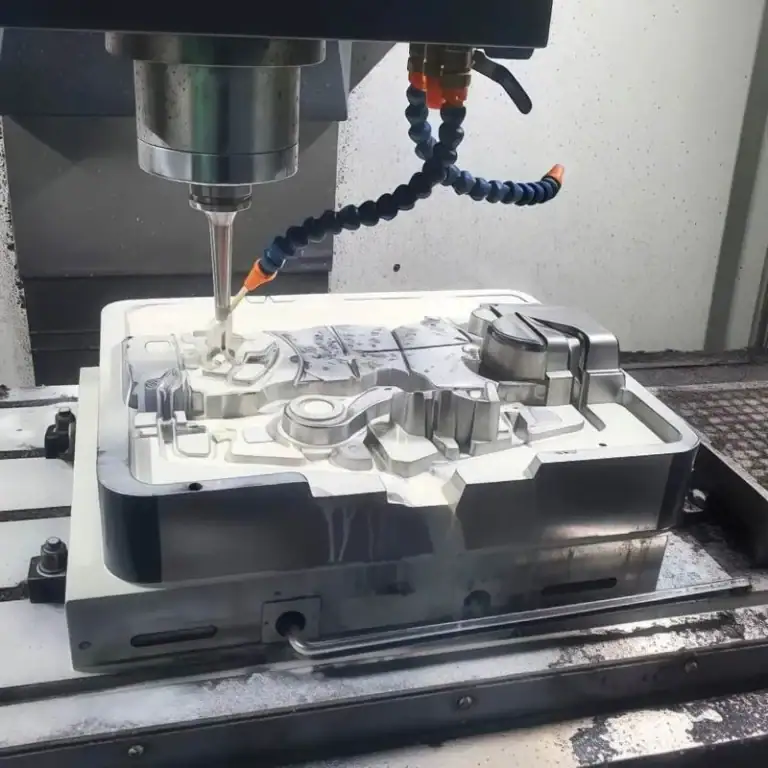
CNC machining cuts plastic using computer-controlled cutting tools that precisely remove material from a plastic workpiece. It can process a wide range of plastic forms, including plastic sheets, plastic rods, plastic tubes, and solid plastic blocks.
This method is widely used for manufacturing precision plastic parts, prototypes, and complex components that require tight tolerances and consistent quality.
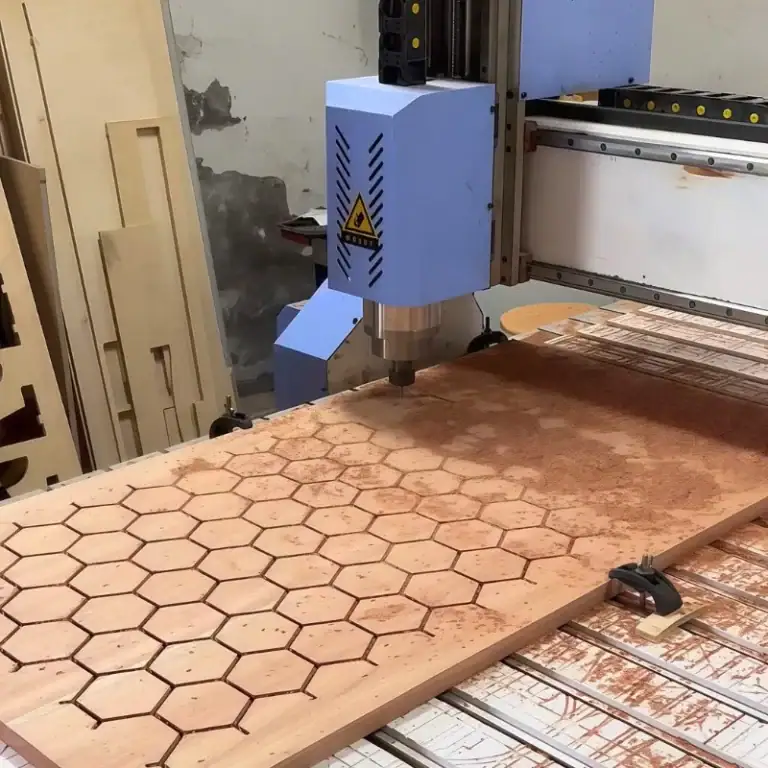
Common CNC processes used for plastic cutting include CNC milling, CNC turning, and routing.
Key advantages of CNC plastic cutting include:
- High precision. Tolerances can often reach ±0.01 mm depending on the material and setup
- Complex geometries. Suitable for pockets, slots, contours, and detailed features
- Consistent repeatability for prototype and batch production
- Smooth surface finish that reduces post-processing
CNC machining is commonly used to cut plastics such as:
- ABS
- Acrylic (PMMA)
- Nylon (PA)
- Polycarbonate (PC)
- POM (Acetal / Delrin)
2.Laser Cutting
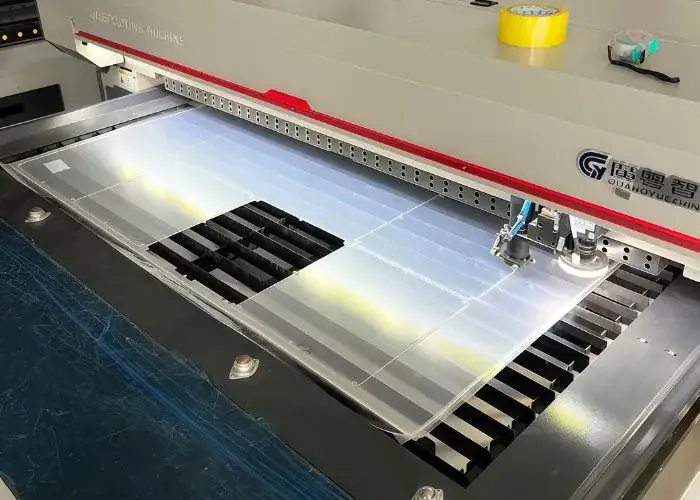
Laser cutting uses a focused laser beam to melt or vaporize plastic material along a programmed cutting path.
This method provides very precise cuts and smooth edges, making it suitable for thin plastic sheets and detailed shapes.
Laser cutting is commonly used in industries such as signage, electronics enclosures, and decorative plastic components.
Advantages of laser cutting include:
- High cutting precision for complex shapes
- Smooth edges that require little finishing
- Fast cutting speed for thin sheet materials
- Good consistency for repeated production
However, some plastics may release fumes during laser cutting, so proper ventilation and safety measures are required.
3.Scoring and Snapping
Scoring and snapping is one of the simplest ways to cut plastic sheets using a utility knife.
The process involves repeatedly scoring a straight line on the plastic surface and then bending the sheet until it breaks along the scored line.
This technique works well for rigid plastic sheets with moderate thickness.
Typical features of this method include:
- Simple tools and low cost
- Easy operation for straight cuts
- Suitable for thin plastic sheet
- Commonly used for DIY work and simple fabrication
Materials often cut using this technique include acrylic, PVC, and polystyrene sheets.
4.Saw Cutting
Saw cutting uses mechanical blades to cut through plastic materials, making it suitable for thicker plastic sheets or rigid plastics.
Tools such as jigsaws, circular saws, and table saws equipped with fine-tooth blades are commonly used.
Benefits of saw cutting include:
- Effective for thicker plastics
- Suitable for straight and curved cuts
- High cutting efficiency for large panels
For better cutting results:
- Use fine-tooth blades designed for plastics
- Maintain moderate cutting speed to prevent melting
- Secure the material to reduce vibration
Saw cutting is widely used in construction, fabrication workshops, and plastic sheet processing.
5.Wire Cutting
Wire cutting slices plastic by moving a heated or tensioned wire through the material.
This method is often used for cutting foam plastics or lightweight plastic materials that require smooth edges.
Wire cutting is useful for:
- Cutting foam plastics such as EPS or polyurethane
- Producing curved shapes and contours
- Creating smooth edges without heavy cutting force
Advantages of this method include smooth cutting surfaces, low mechanical stress on the material, and the ability to produce complex shapes. It is commonly used in foam processing, packaging industries, and model making.
Basic Steps for Cutting Plastic
Cutting plastic effectively requires a clear step-by-step process to ensure accurate cuts and prevent material damage. The standard workflow includes measuring the cutting line, selecting the right tool, performing the cut, and finishing the edges.
| Step | Process | Purpose |
| Step 1 | Measure and mark the cutting line | Ensures accurate cutting position |
| Step 2 | Select the appropriate cutting tool | Matches the tool to material and thickness |
| Step 3 | Perform the cutting operation | Produces the actual cut with controlled pressure |
| Step 4 | Edge finishing and surface treatment | Removes burrs and improves surface quality |
Measure and Mark the Cutting Line
Accurate measurement and marking ensure that plastic is cut along the correct path.
Tools such as rulers, measuring tapes, and marking pens help create clear cutting guides before cutting begins. Proper marking improves consistency and prevents mistakes during the cutting process.
Select the Appropriate Cutting Tool
Choosing the correct cutting tool is essential because different plastics require different cutting methods.
Thin plastic sheets can usually be cut with utility knives or scissors, while thicker materials often require saws or CNC machining. Selecting the correct tool improves cutting efficiency and protects the material from cracking or melting.
Perform the Cutting Operation
The cutting process should be performed with steady pressure and controlled speed.
Applying excessive force can cause uneven edges or cracking, especially for brittle plastics such as acrylic. Maintaining consistent motion and stable tool positioning helps achieve cleaner and more accurate cuts.
Edge Finishing and Surface Treatment
Edge finishing improves both the appearance and functionality of cut plastic parts.
Common finishing methods include sanding, polishing, and flame polishing. These techniques remove burrs, smooth rough edges, and improve dimensional fit for parts that require precise assembly.
Cutting Plastic Based on Thickness and Shape
Plastic should be cut using different tools and techniques depending on the material thickness and geometry. Thin sheets usually require light cutting tools such as knives or scissors, while thicker plastics need saws or machining equipment.
1.Cutting Thin Plastic Sheets
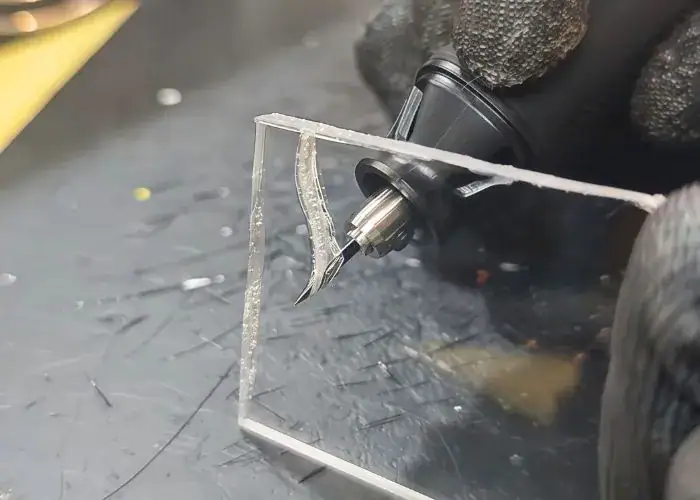
Thin plastic sheets can usually be cut using utility knives, scissors, or other light-duty cutting tools.
For materials such as acrylic, PVC, or PET sheets under about 6mm thickness, the scoring and snapping method works well. By repeatedly scoring along a straight line, the material weakens and can be snapped cleanly along the cut line.
Typical characteristics of this method include:
- Suitable for thin plastic sheets
- Requires simple and inexpensive tools
- Best for straight cuts
- Common in DIY projects and signage fabrication
This technique is widely used in small-scale plastic processing and simple fabrication tasks.
2.Cutting Thick Plastic Sheets
Thicker plastic sheets require stronger cutting tools such as jigsaws, circular saws, table saws, or CNC machining equipment.
When cutting thick plastic, it is important to use fine-tooth blades and maintain a steady cutting speed. This helps reduce the risk of cracking, overheating, or rough edges. In some cases, cooling air or lubrication can help minimize heat buildup during cutting.
Common methods for thick plastic include:
- Jigsaw cutting for flexible shapes
- Circular saw cutting for straight cuts
- Table saw cutting for large panels
- CNC machining for high-precision components
For industrial applications, CNC machining often provides the most consistent and accurate results.
3.Cutting Curves and Complex Shapes
Curved or complex plastic shapes are best cut using tools that allow controlled movement along curved paths.
Common tools used for this purpose include:
- Jigsaws for curved sheet cutting
- Rotary tools or Dremel tools for small detailed shapes
- CNC machining for complex and high-precision geometries
These tools make it easier to produce smooth contours, detailed features, and intricate plastic components.
For precision parts or production manufacturing, CNC machining is typically the most reliable solution for cutting complex plastic shapes.
Practical Tips for Clean and Accurate Plastic Cutting
Achieving clean and precise plastic cuts requires proper preparation, correct tool selection, and controlled cutting parameters. Small adjustments in speed, pressure, and setup can significantly improve cutting quality and reduce common problems such as cracking, melting, or burr formation.
The following practical tips help ensure smoother edges, better dimensional accuracy, and more reliable plastic cutting results:
| Tip | Purpose | Key Benefit |
| Choose the right tool | Match tool with plastic material | Improves cutting efficiency and edge quality |
| Control cutting speed and pressure | Prevent overheating or cracking | Produces smoother cuts |
| Prevent cracking, melting, and burrs | Maintain proper cutting conditions | Reduces defects and surface damage |
| Perform a test cut | Verify setup before full cutting | Avoids errors and material waste |
Safety Considerations When Cutting Plastic
Cutting plastic safely requires proper protection, correct tool use, and a suitable working environment. Plastic cutting may produce sharp edges, debris, or fumes, so basic safety measures are necessary to prevent injuries and ensure stable operation.
| Safety Measure | Purpose |
| Personal protective equipment | Protect eyes, hands, and respiratory system |
| Safe tool operation | Prevent accidents and tool damage |
| Proper ventilation | Reduce fumes and dust exposure |
| Tool maintenance | Ensure stable cutting performance |
Personal Protective Equipment (PPE)
Use safety glasses, gloves, and protective masks when cutting plastic to protect against debris, dust, and fumes.
Safe Tool Operation
Follow tool instructions, keep blades sharp, and avoid applying excessive force when cutting plastic.
Proper Ventilation
Work in a well-ventilated area, especially when using heat-based tools such as lasers or hot knives.
Tool Maintenance
Regularly inspect blades and tools, replace worn parts, and clean equipment after use to maintain safe operation.
FAQs
How To Cut Hard Plastic By Hand?
I usually cut hard plastic by hand using a sharp utility knife and the scoring method. I score the cutting line repeatedly until a clear groove forms, then snap the sheet along the line. This method works best for rigid plastics under about 6mm thickness and helps produce straight, controlled cuts.
How To Cut Hard Plastic Without Cracking It Without A Saw?
To cut hard plastic without cracking it, I score the surface several times with a sharp knife and apply steady pressure when snapping the sheet. Proper support under the cutting line reduces stress and helps prevent cracks or uneven edges during the process.
How To Cut The Plastic At Home?
At home, I typically cut plastic using simple tools such as a utility knife, scissors, or a fine-tooth hand saw. Thin plastic sheets can be scored and snapped, while thicker plastics may require careful sawing. Measuring and marking first helps ensure cleaner results.
What Is The Best Tool To Cut Plastic?
In my experience, the best tool to cut plastic depends on the material type and thickness. Utility knives work well for thin sheets, fine-tooth saws handle thicker plastics, and CNC machining is ideal for high-precision parts that require tight tolerances.
Conclusion
Understanding how to cut plastic correctly helps improve cutting accuracy, reduce material waste, and achieve cleaner edges. The best cutting method depends on the plastic type, thickness, and required precision.
At TiRapid, we help engineers choose the right plastic machining solutions. Whether for prototypes or production parts, upload your design to get a tailored manufacturing solution.