Metal fabrication is a fundamental manufacturing process that transforms raw metal materials into functional parts and structures through cutting, bending, and assembly. From bridges and vehicles to industrial machinery, fabricated metal supports modern infrastructure and technology.
This guide explores the various processes, types, and applications of metal fabrication, helping you understand the importance of metal fabrication in various sectors.
What Is Metal Fabrication?
Metal fabrication refers to the process of transforming raw metal materials into functional parts or structures through various manufacturing techniques. These techniques commonly include machining, cutting, bending, welding, and assembling, allowing manufacturers to create everything from simple brackets to complex industrial equipment.
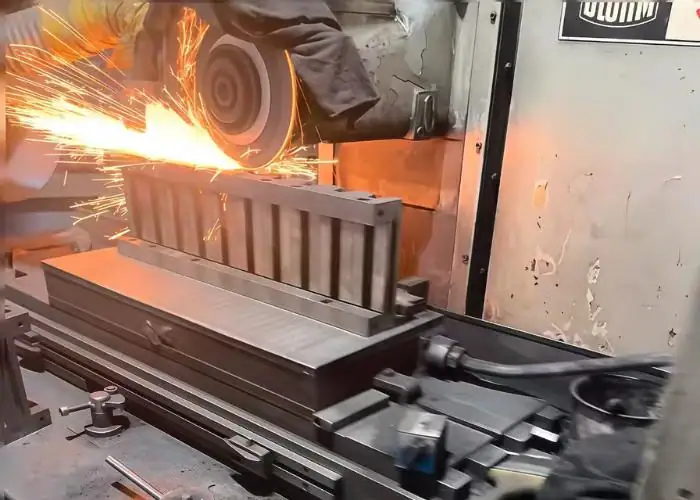
Metal fabrication is a fundamental manufacturing discipline widely used across industries such as automotive, aerospace, construction, and electronics. The process begins with raw metal materials like carbon steel, stainless steel, aluminum, copper, or brass, which are then shaped and assembled using specialized equipment.
Typical fabrication processes include:
- Cutting– laser cutting, plasma cutting, waterjet cutting, and CNC machining
- Forming– bending, rolling, and stamping to shape metal sheets or plates
- Joining – welding, brazing, and fastening to assemble multiple components
- Finishing– surface treatments such as polishing, coating, or anodizing
In modern manufacturing, digital tools such as CAD and CAM software are commonly used to design and simulate fabricated components before production. This helps improve dimensional accuracy, reduce waste, and shorten development cycles.
What Is The Metal Fabrication Process?
The metal fabrication process refers to the series of manufacturing steps used to transform raw metal materials into finished components or structures. By combining cutting, forming, joining, and finishing operations, manufacturers can produce precise and durable metal parts for industrial applications.
The metal fabrication process usually follows a structured workflow that converts raw metal sheets, plates, bars, or tubes into functional parts.
A typical fabrication workflow includes the following stages:
1. Design and Engineering
The process begins with CAD design and engineering analysis. Engineers create detailed drawings or 3D models that define dimensions, tolerances, and material specifications. Digital design tools help simulate manufacturing and reduce production errors.
2. Material Selection
Common fabrication materials include carbon steel, stainless steel, aluminum alloys, copper, and brass. Material selection depends on mechanical strength, corrosion resistance, weight, and application requirements.
3. Cutting Operations
Raw materials are cut into required shapes using processes such as:
- CNC machining
- Plasma cutting
- Waterjet cutting
- Laser cutting
- Saw cutting
Laser cutting can achieve tolerances as tight as ±0.1 mm, making it suitable for precision sheet metal components.
4. Forming and Shaping
After cutting, metal parts are shaped through forming operations such as:
- Press brake bending
- Rolling
- Stamping
- Deep drawing
These processes use mechanical force to change the geometry of metal without removing material.
5. Joining and Assembly
Multiple fabricated components are assembled through joining methods including:
- MIG welding
- TIG welding
- Spot welding
- Mechanical fasteners
Welding forms strong metallurgical bonds that provide structural integrity.
6. Surface Finishing
Finally, fabricated parts may undergo finishing processes such as polishing, powder coating, anodizing, or plating to improve corrosion resistance and surface appearance.
Common Metal Fabrication Techniques
Common metal fabrication techniques refer to the manufacturing methods used to cut, shape, and assemble metal materials into functional components. These techniques allow manufacturers to transform raw metal sheets, plates, or bars into precise parts used in industries such as automotive, aerospace, construction, and industrial equipment.
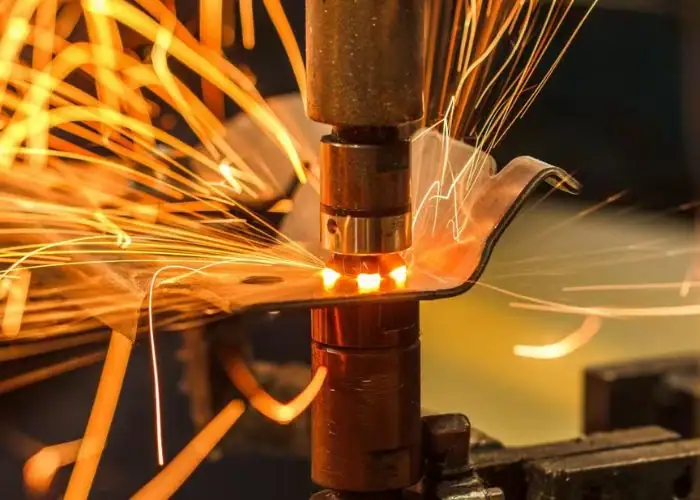
Metal fabrication involves multiple techniques that work together to create finished components. The most widely used fabrication methods include cutting, forming, welding, and machining.
1. Machining
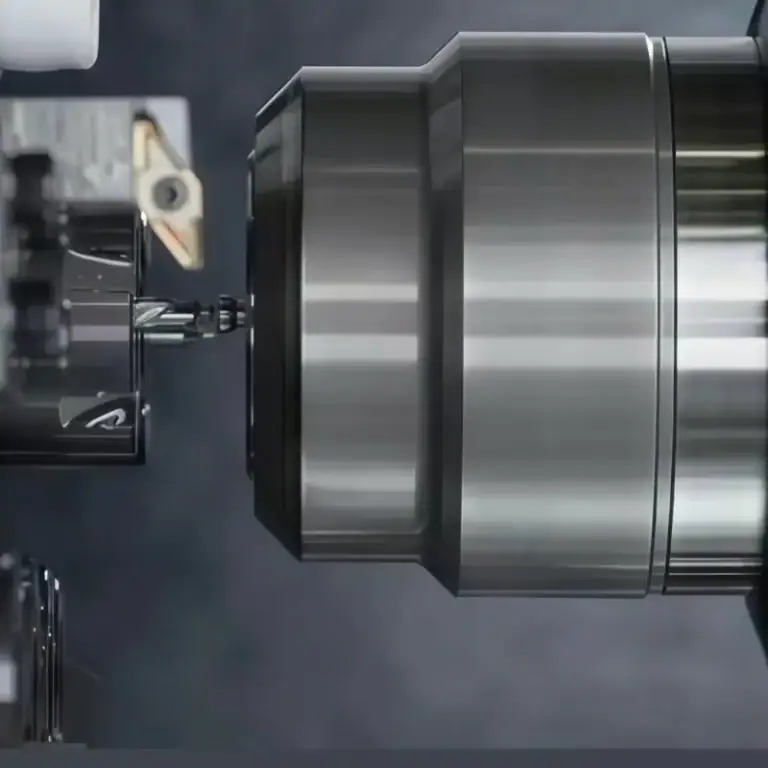
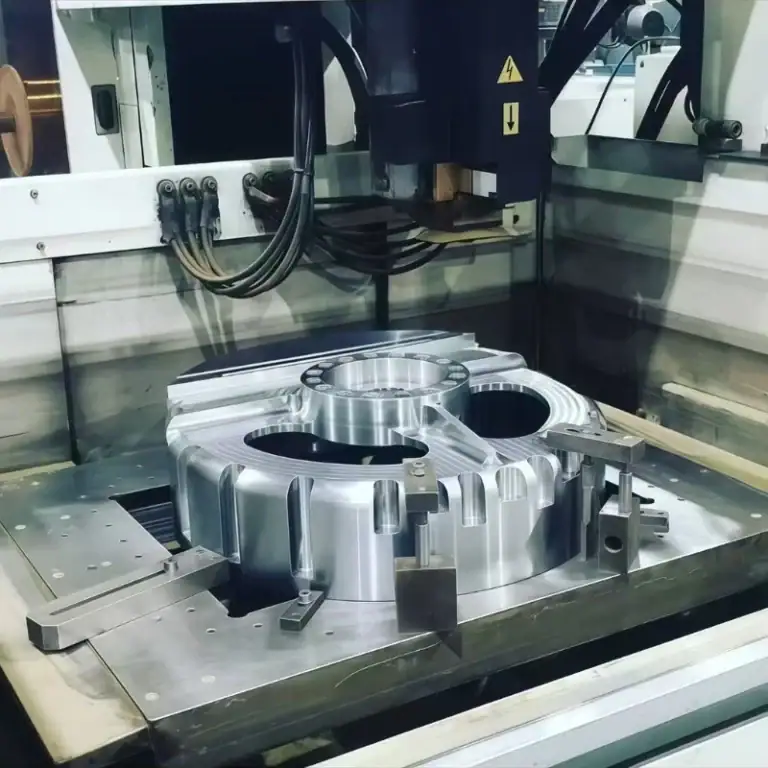
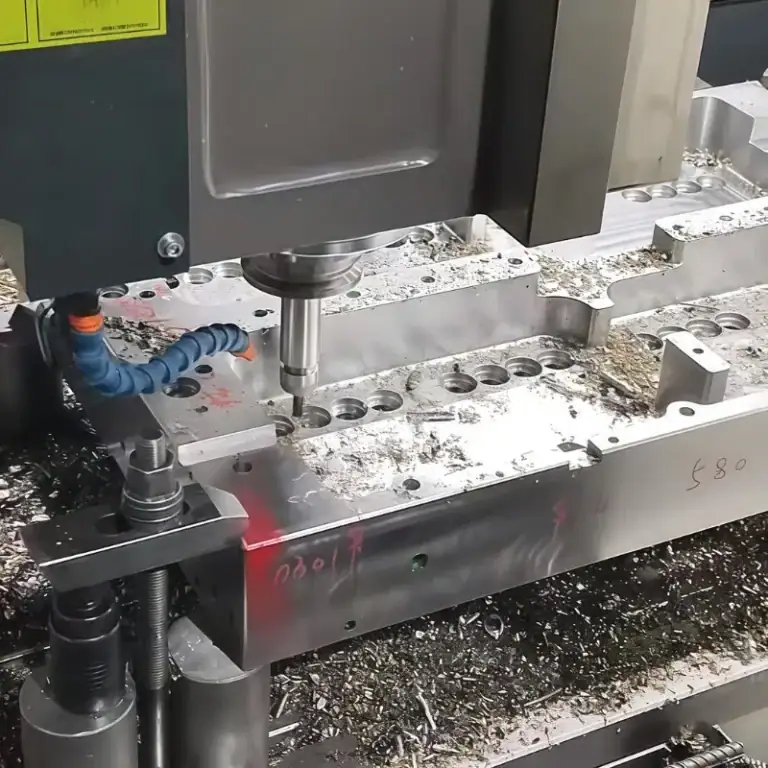
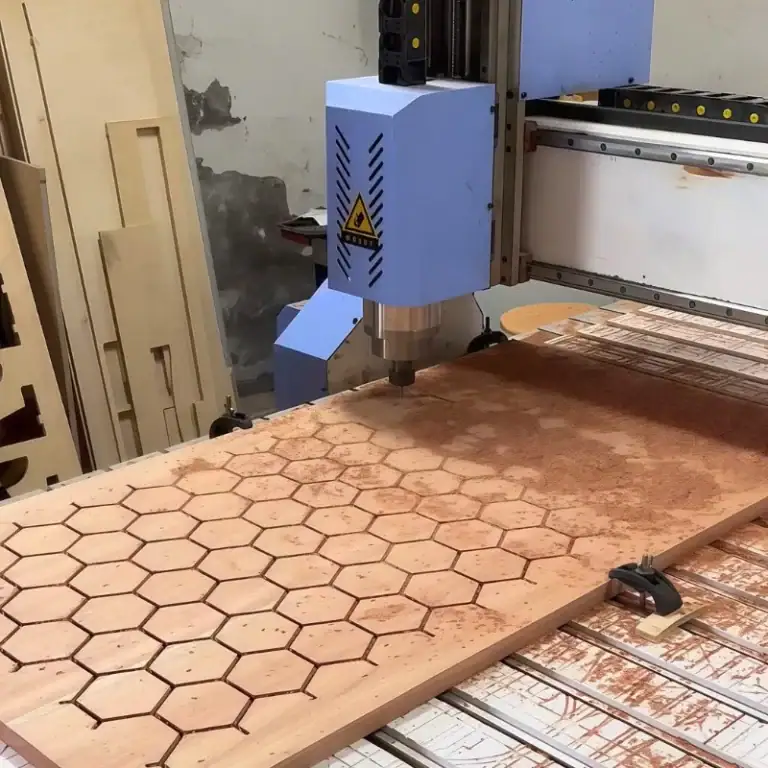
Machining is a process that involves removing material from a workpiece to achieve a specific shape or size. This is typically done using CNC machines, which allow for high precision and the ability to create complex geometries that would be difficult or impossible to achieve through other fabrication processes. Machining is often used in conjunction with cutting and forming to achieve tight tolerances and fine details.
Common Machining Processes:
-
CNC Milling
CNC milling involves using rotating tools to remove material from the workpiece. It can be used to create complex 3D shapes, slots, and holes with high precision. CNC milling is commonly used for high-precision automotive parts, medical devices, and aerospace components. -
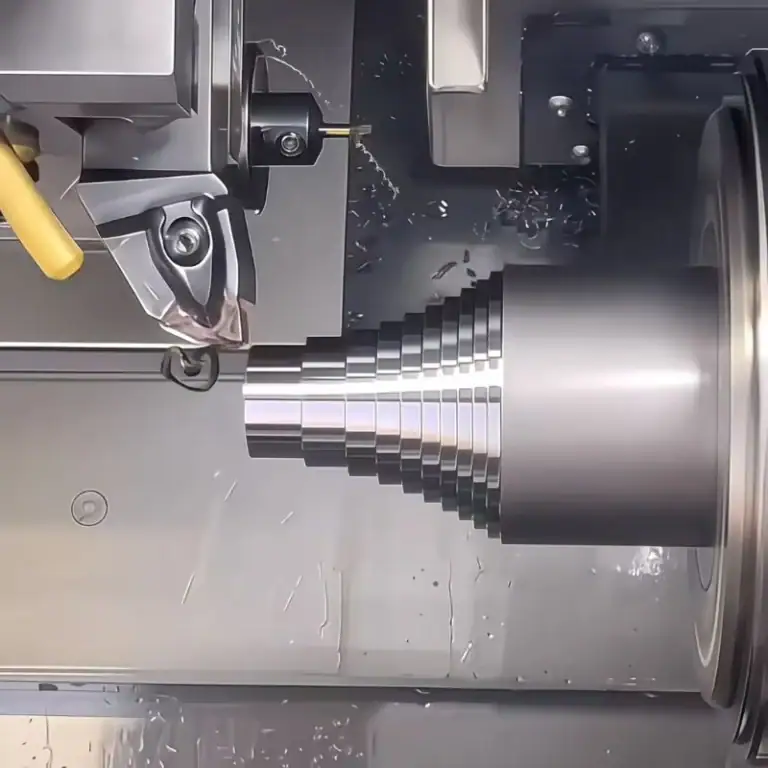
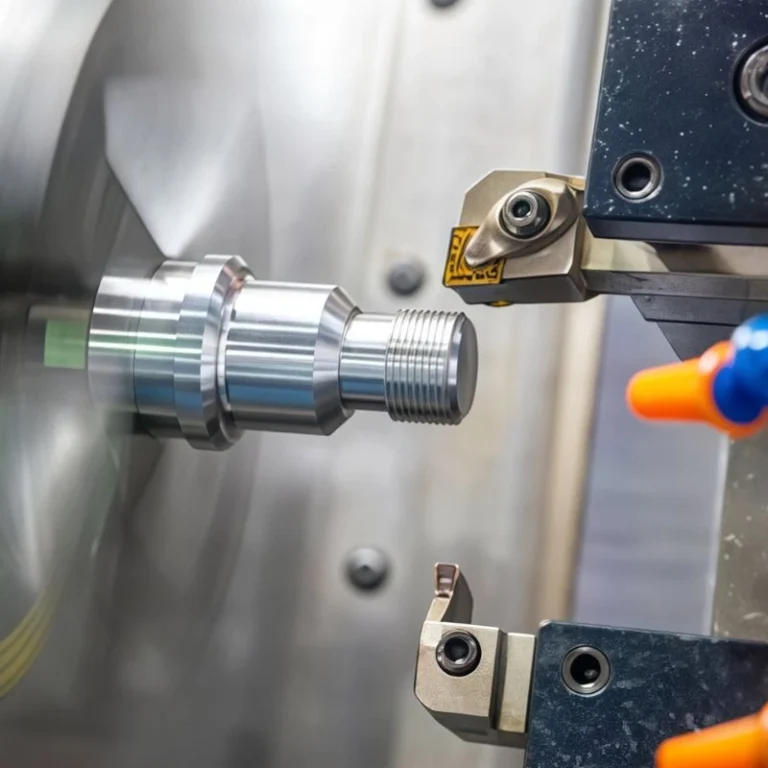
CNC Turning
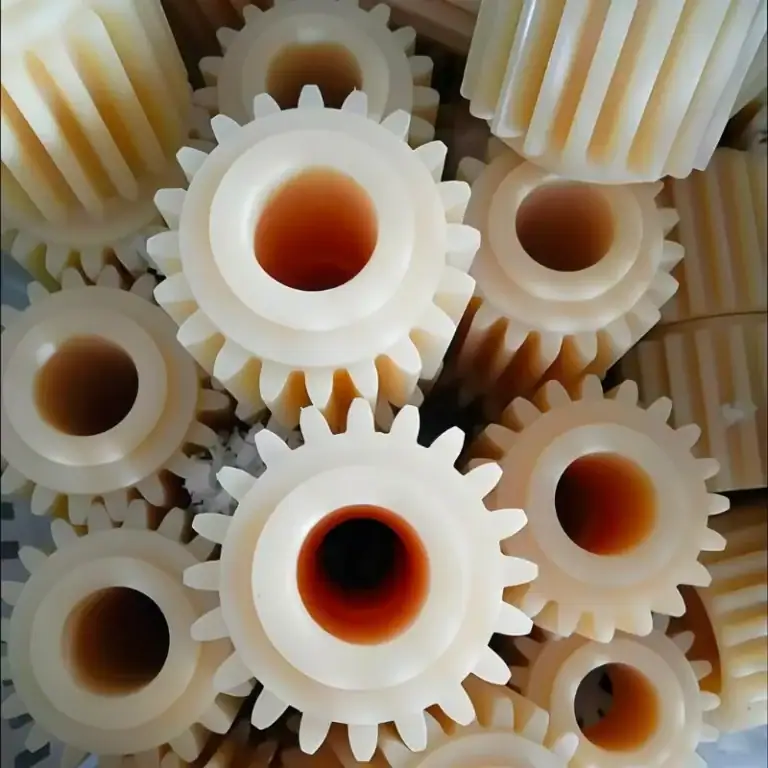
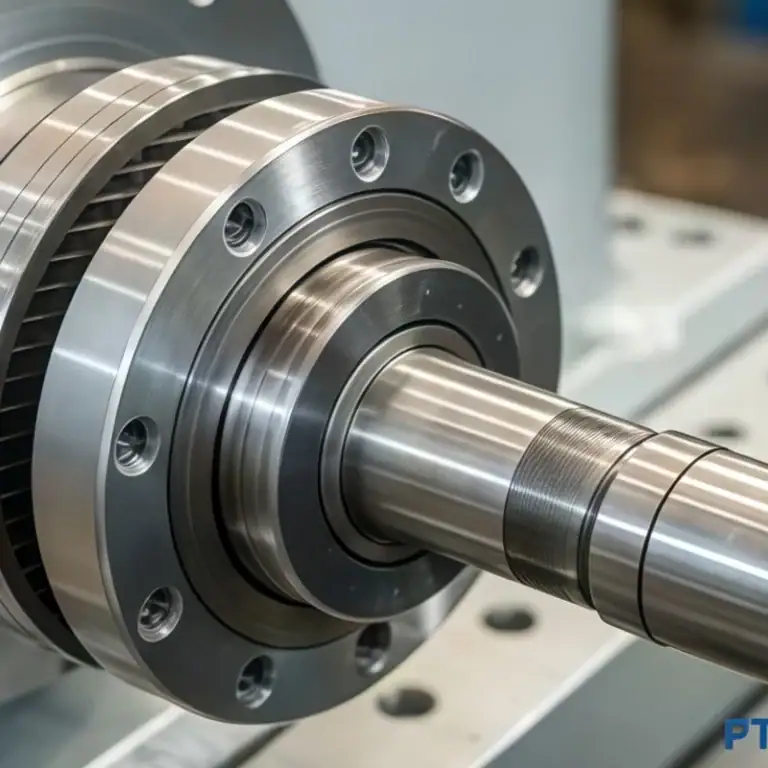
CNC turning is a machining process where a rotating workpiece is cut by a stationary cutting tool. It is typically used to create cylindrical parts such as shafts, gears, and valves. This process offers high accuracy and is often used in small batch production and custom components.
Machining is used in many applications where high precision and tight tolerances are required, including automotive engines, aerospace components, and medical devices.
2. Cutting
Cutting is the first step in many fabrication projects. It removes excess material and defines the basic geometry of the part. Common cutting technologies include:
-
Laser Cutting
Laser cutting uses a focused laser beam to melt, burn, or vaporize material. It is widely used for cutting sheet metal due to its precision and ability to create intricate shapes. Laser cutting can achieve tolerances as tight as ±0.1 mm, making it ideal for high-precision applications such as creating parts for the automotive and aerospace industries. -
Plasma Cutting
Plasma cutting uses ionized gas to cut through electrically conductive materials, such as steel and aluminum. This method is highly effective for cutting thicker materials compared to laser cutting, though it may not achieve the same precision as laser cutting. Plasma cutting is often used in large-scale industrial applications and construction. -
Waterjet Cutting
Waterjet cutting uses a high-pressure stream of water, often mixed with abrasive materials, to cut through metal. One of the main benefits of waterjet cutting is that it does not generate heat, meaning that it is ideal for cutting materials that may be sensitive to high temperatures. It is widely used in the automotive, aerospace, and electronics industries for precision cutting of materials such as stainless steel and titanium. -
Saw Cutting
Saw cutting is one of the most traditional cutting methods, commonly used for cutting metal bars, pipes, and sheets into the required lengths. Bandsaws or circular saws are used, and the process is less precise than laser or waterjet cutting but is effective for rough cuts and low-precision applications.
Laser cutting can achieve tolerances as tight as ±0.1 mm, making it suitable for precision sheet metal parts.
3. Bending and Forming
Forming techniques reshape metal without removing material. Press brakes apply controlled force to bend sheet metal into angles or curved shapes.
Common forming methods include:
-
Press Brake Bending
Press brake bending is one of the most common methods for bending sheet metal. It uses a machine called a press brake, which applies controlled force through a punch and die to bend the metal. This process is highly accurate and can bend materials into a variety of shapes, such as U-shaped or V-shaped bends, commonly used in automotive and industrial equipment. -
Rolling
Rolling is a forming process in which metal is passed through rollers to reduce its thickness or change its shape. This technique is often used to create cylindrical shapes, such as pipes, or to roll metal sheets into curves. It is especially useful in the manufacturing of tubes, pipes, and curved structural components. -
Stamping
Stamping uses a die to shape or cut metal, often through the application of high pressure. This process is used for high-volume production of parts with simple or complex shapes. Common parts produced by stamping include automotive panels, brackets, and electronic housings. -
Deep Drawing
Deep drawing is used to form deeper or more complex shapes by pulling the metal into a die cavity. This method is used for parts that require a high degree of depth, such as automotive parts, kitchen sinks, and beverage cans. It is a key process for producing housings and enclosures for various industrial applications.
These techniques are widely used to produce enclosures, brackets, and structural components.
4. Welding
Welding joins multiple metal components together through heat and pressure, creating a strong metallurgical bond.
Common welding processes include:
-
MIG Welding (Metal Inert Gas)
MIG welding is one of the most commonly used welding processes. It uses a continuous wire feed and an inert gas, such as argon, to protect the weld area from contamination. MIG welding is highly versatile, suitable for various metals, and widely used in automotive production, appliance manufacturing, and construction. -
TIG Welding (Tungsten Inert Gas)
TIG welding is a more precise form of welding, using a non-consumable tungsten electrode and inert gas. It is commonly used for welding stainless steel, aluminum, and other thin-walled materials. TIG welding is ideal for high-quality, aesthetic welds in industries such as aerospace, medical devices, and high-performance automotive parts. -
Spot Welding
Spot welding is a process where two pieces of metal are joined together by applying pressure and heat at specific points. This method is widely used for joining sheet metal, especially in automotive assembly lines for creating body panels and structural components. -
Laser Welding
Laser welding uses a high-powered laser beam to melt the metal at the joint, allowing for very precise and strong welds. This method is often used in high-precision applications, such as electronics assembly and aerospace manufacturing, where high strength and minimal distortion are required.
TIG welding is commonly used for stainless steel and aluminum because it provides clean, high-quality welds.
What Are the Commonly Used Metal Fabrication Materials?
Metal fabrication materials are the metals and alloys used to produce fabricated components and structures. The choice of material directly affects strength, corrosion resistance, machinability, and cost. Common materials include carbon steel, stainless steel, aluminum alloys, copper, and brass.
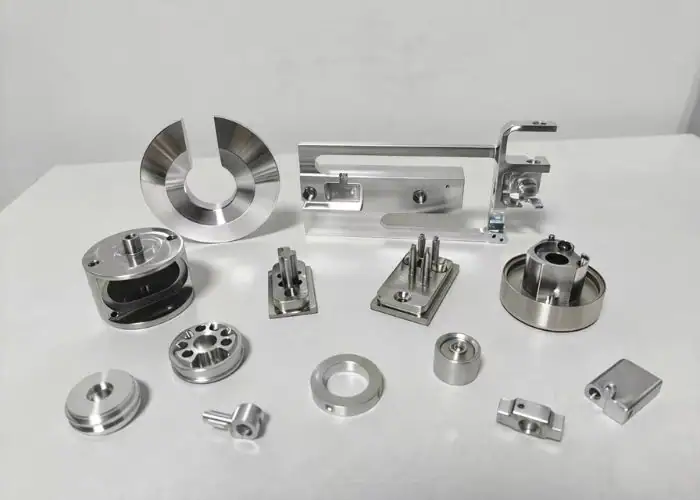
Selecting the right material is a critical step in metal fabrication, as each metal offers different mechanical properties and processing characteristics.
1. Aluminum Alloys
Aluminum alloys are valued for their lightweight nature and good corrosion resistance. With a density of about 2.7 g/cm³, aluminum is much lighter than steel while still offering sufficient strength. Materials like 6061 and 7075 are commonly used in aerospace, automotive, and electronic enclosures where weight reduction is critical.
2. Carbon Steel
Carbon steel is one of the most widely used fabrication materials due to its high strength and relatively low cost. It typically contains 0.05%–2.0% carbon, which increases hardness and strength. Because of this balance, carbon steel is commonly used in structural components, machinery frames, and construction applications where strength and durability are essential.
3. Stainless Steel
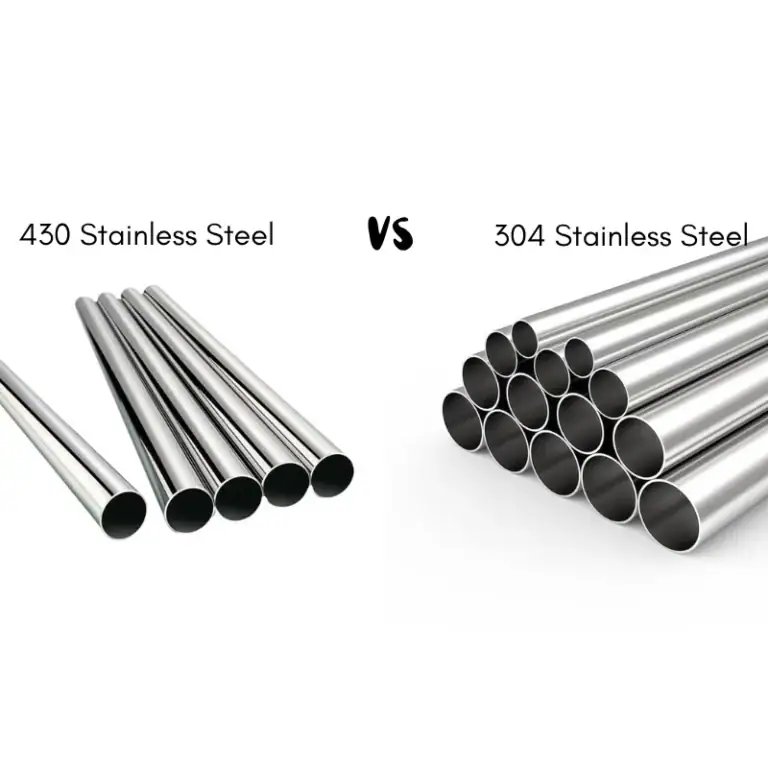
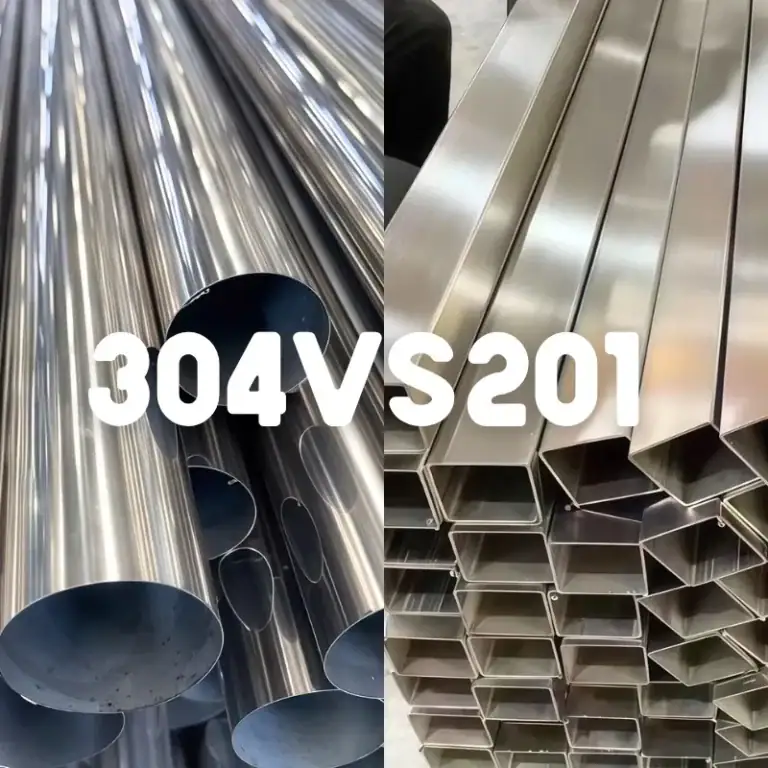
Stainless steel contains at least 10.5% chromium, which forms a protective oxide layer that significantly improves corrosion resistance. Grades such as 304 and 316 are widely used in industries that require hygiene and durability, including food processing, medical equipment, and marine environments.
4. Copper
Copper is known for its excellent electrical and thermal conductivity, making it an essential material in electrical and thermal applications. It is widely used in wiring systems, heat exchangers, and electronic components where efficient energy transfer is required.
5. Brass
Brass, an alloy of copper and zinc, offers a good combination of machinability, corrosion resistance, and aesthetic appearance. It is often used in valves, fittings, and decorative components, especially where both functionality and appearance are important.
What Are Some Examples of Metal Fabrication?
Metal fabrication is widely used to manufacture a variety of structural and functional components across many industries. From heavy construction equipment to small mechanical parts, fabricated metal products play a crucial role in modern manufacturing. Understanding common metal fabrication examples helps illustrate how these processes are applied in real-world applications.
Structural Components
One of the most common metal fabrication examples is structural components used in construction and infrastructure projects. Steel beams, columns, trusses, and support frames are fabricated by cutting, bending, and welding metal plates and profiles. These components form the structural framework of buildings, bridges, and industrial facilities.
Industrial Machinery Parts
Metal fabrication is frequently used to produce machinery components such as equipment frames, machine bases, enclosures, and mounting brackets. These fabricated parts provide the structural support required for industrial equipment and production systems.
Automotive Components
Many automotive parts are produced through metal fabrication processes. Examples include vehicle frames, exhaust systems, brackets, panels, and chassis components. Fabrication allows manufacturers to produce durable metal structures that meet strict safety and performance standards.
Energy and Power Equipment
In the energy sector, metal fabrication is used to produce components for power plants, wind turbines, and oil and gas equipment. Fabricated parts include pipelines, turbine housings, pressure vessels, and support structures designed to withstand harsh operating environments.
Consumer and Commercial Products
Metal fabrication is also used to manufacture products found in everyday environments. Examples include metal furniture frames, lighting fixtures, kitchen equipment, storage racks, and commercial equipment housings. These products combine structural strength with aesthetic finishing.
Applications Of Metal Fabrication
Metal fabrication is widely used across modern industries to produce structural components, equipment parts, and custom metal products. By combining cutting, forming, machining, and welding processes, manufacturers can create durable and precise parts for a wide range of applications.
Because fabricated metal parts offer high strength, durability, and design flexibility, they play a critical role in many industrial sectors.
1. Automotive Industry
In the automotive industry, metal fabrication is commonly used to produce vehicle frames, brackets, exhaust systems, and various structural components. High-strength steel and aluminum alloys are often selected to achieve a balance between safety requirements and weight reduction, which is essential for fuel efficiency and performance.
2. Aerospace Industry
Aerospace applications require materials that are both lightweight and strong. Fabricated aluminum alloys, titanium components, and stainless steel structures are widely used in aircraft frames, support brackets, and structural assemblies where precision and reliability are critical.
3. Construction and Infrastructure
In construction and infrastructure projects, fabricated steel is used to create beams, columns, railings, and structural supports. These components are designed to withstand heavy loads and harsh environments, ensuring long-term structural stability in buildings, bridges, and large-scale facilities.
4. Industrial Equipment Manufacturing
Metal fabrication is essential in manufacturing machine frames, equipment housings, control cabinets, and mechanical support structures. Precision fabrication processes help ensure dimensional accuracy, structural strength, and long service life for industrial machinery.
5. Electronics and Enclosures
Fabricated sheet metal is widely used in the production of electronic enclosures, server cabinets, and heat dissipation structures. Materials such as aluminum and steel are commonly chosen for their strength, thermal conductivity, and ability to provide effective protection for internal components.
Metal Fabrication Vs Machining
Metal fabrication and machining are two of the most common manufacturing methods used to produce metal parts and structures. Although both processes shape metal into functional components, they differ in production principles, equipment, precision levels, and typical applications. The following comparison table highlights the key differences between metal fabrication and machining, helping engineers and manufacturers choose the most suitable method for different production needs.
| Category | Metal Fabrication | Machining |
| Manufacturing Principle | Shapes metal by forming, cutting, and joining materials | Removes material from solid metal to achieve precise geometry |
| Typical Processes | Cutting, bending, welding, stamping, forming | Milling, turning, drilling, tapping, boring |
| Raw Material Form | Sheet metal, plates, tubes, and structural profiles | Solid blocks, bars, or billets |
| Precision Level | Moderate precision, usually for structural parts | High precision with tight tolerances |
| Production Focus | Structural components and large assemblies | Precision parts and complex geometries |
| Common Equipment | Laser cutters, press brakes, welding machines | CNC milling machines, CNC lathes, machining centers |
| Industries Used | Construction, automotive structures, heavy equipment | Aerospace, medical devices, precision machinery |
| Production Volume | Suitable for large structures and medium-to-high volume fabrication | Suitable for precision production from prototypes to mass production |
| Cost Characteristics | Lower cost for large structures and sheet metal parts | Higher cost due to precision machining and material removal |
| Typical Products | Frames, brackets, enclosures, pipelines, support structures | Engine components, shafts, housings, precision mechanical parts |
| Process Combination | Often combined with machining for finishing | Often used after fabrication to achieve precision features |
Advantages And Limitations Of Metal Fabrication
Metal fabrication is widely used in modern manufacturing because it allows engineers to produce strong and durable metal structures efficiently. By combining processes such as cutting, bending, welding, and assembly, manufacturers can create components for many industries. However, while metal fabrication offers many advantages, it also has certain limitations depending on the required precision, material type, and production scale.
Advantages Of Metal Fabrication
One of the main advantages of metal fabrication is its ability to produce large and structurally strong components. Fabrication processes are ideal for building frames, support structures, equipment housings, and other load-bearing parts used in industries such as construction, automotive, and industrial machinery.
Another key benefit is design flexibility. Fabrication techniques such as laser cutting, bending, and welding allow manufacturers to create a wide range of shapes and structures from sheet metal, plates, and tubes.
Metal fabrication is also relatively cost-effective for medium and large structures. Compared with high-precision machining, fabrication processes often require less material removal and can handle large parts more efficiently.
In addition, fabrication supports many commonly used engineering metals such as carbon steel, stainless steel, aluminum, and copper, making it suitable for a wide variety of industrial applications.
Limitations Of Metal Fabrication
Despite its advantages, metal fabrication also has some limitations. One limitation is that the dimensional precision of fabricated parts is generally lower than that of CNC machining processes. Fabrication is better suited for structural components rather than extremely high-precision mechanical parts.
Another limitation is that complex geometries may require additional manufacturing steps. For example, parts produced through fabrication may still need CNC machining to achieve tight tolerances or detailed features.
Fabrication projects may also require significant preparation time, including design planning, material preparation, and welding assembly. For very small production runs, this preparation time can increase manufacturing costs.
How To Choose The Right Metal Fabrication Method?
Selecting the right metal fabrication method is an important step in manufacturing high-quality metal components. Different fabrication processes offer unique advantages in terms of cost, precision, material compatibility, and production efficiency. Understanding these factors helps engineers and manufacturers determine the most suitable fabrication approach for their specific project requirements.
Consider The Material Type
The type of metal used in a project plays a major role in choosing the fabrication method. Materials such as carbon steel, stainless steel, and aluminum respond differently to cutting, forming, and welding processes. For example, aluminum is easier to form and machine, while stainless steel often requires specialized tools and welding techniques due to its strength and heat resistance.
Evaluate Design Complexity
Design complexity is another key factor when selecting a fabrication method. Simple structures such as brackets, frames, and panels can often be produced through basic cutting and bending processes. However, complex parts with tight tolerances, intricate features, or precision holes may require additional machining processes such as CNC milling or turning.
Consider Production Volume
Production volume also influences the choice of fabrication method. For small production runs or prototypes, flexible processes such as laser cutting and manual welding are often more cost-effective. For larger production volumes, automated fabrication techniques and specialized tooling can improve efficiency and reduce overall manufacturing costs.
Analyze Precision Requirements
Some projects require extremely precise dimensions and tight tolerances. In these cases, fabrication processes may need to be combined with CNC machining to achieve the required accuracy. Fabrication provides the structural shape, while machining ensures precise finishing of critical surfaces.
Evaluate Cost And Lead Time
Manufacturing cost and delivery time are also important considerations. Certain fabrication techniques may reduce production time but require higher equipment costs, while others may be slower but more economical for smaller projects. Balancing cost, speed, and quality is essential for
FAQs
Is Metal Fabrication The Same As Welding?
In my experience, metal fabrication and welding are closely related but not the same process. Metal fabrication is a broader manufacturing workflow that includes cutting, bending, machining, forming, and assembling metal components. Welding is only one stage used to permanently join parts. In many fabrication projects, welding accounts for roughly 20–30% of the total production process.
What Does A Metal Fabricator Do?
As a metal fabricator, I work with raw metal materials to create functional parts and structures. My responsibilities typically include reading engineering drawings, cutting sheet metal, bending components, welding assemblies, and performing finishing operations. In industrial production environments, fabricators often operate machines such as CNC cutters, press brakes, and welding systems to ensure precision and repeatability.
Is Metal Fabrication Difficult?
From my professional perspective, metal fabrication can be challenging because it requires both technical knowledge and hands-on skills. Fabricators must understand materials, tooling, welding methods, and dimensional tolerances. In precision manufacturing, tolerances may reach ±0.05 mm, meaning even small errors can affect assembly performance. However, with proper training and equipment, the process becomes highly efficient.
What Are Six Types Of Tools Used In Metal Fabrication?
In my fabrication work, I commonly rely on several essential tools. These include cutting tools (laser cutters or plasma cutters), measuring tools (calipers and micrometers), forming machines (press brakes), welding equipment, grinders, and drilling machines. Together, these tools enable accurate cutting, shaping, joining, and finishing of metal parts across many industrial applications.
What Are Basic Fabrication Skills?
In my experience, basic fabrication skills include blueprint reading, precise measurement, material cutting, metal forming, and welding techniques. Fabricators must also understand safety procedures and machine operation. In modern manufacturing environments, these skills are often combined with CNC programming and quality inspection, allowing fabricators to produce consistent parts with high precision and efficiency.
Conclusion
Metal fabrication is a fundamental manufacturing process that transforms raw metal materials into functional structures and components through cutting, forming, welding, and assembly. From construction frameworks and automotive parts to industrial machinery and energy systems, fabricated metal products play a critical role in modern industry.
At TiRapid, we provide precision metal fabrication and CNC machining services, supporting projects from rapid prototypes to production parts with reliable quality and efficient manufacturing.