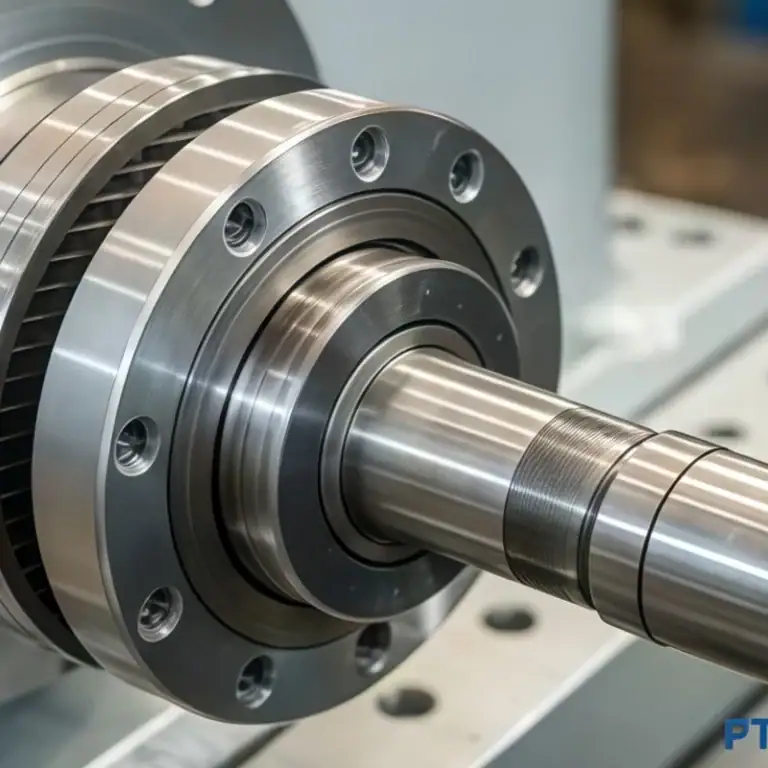
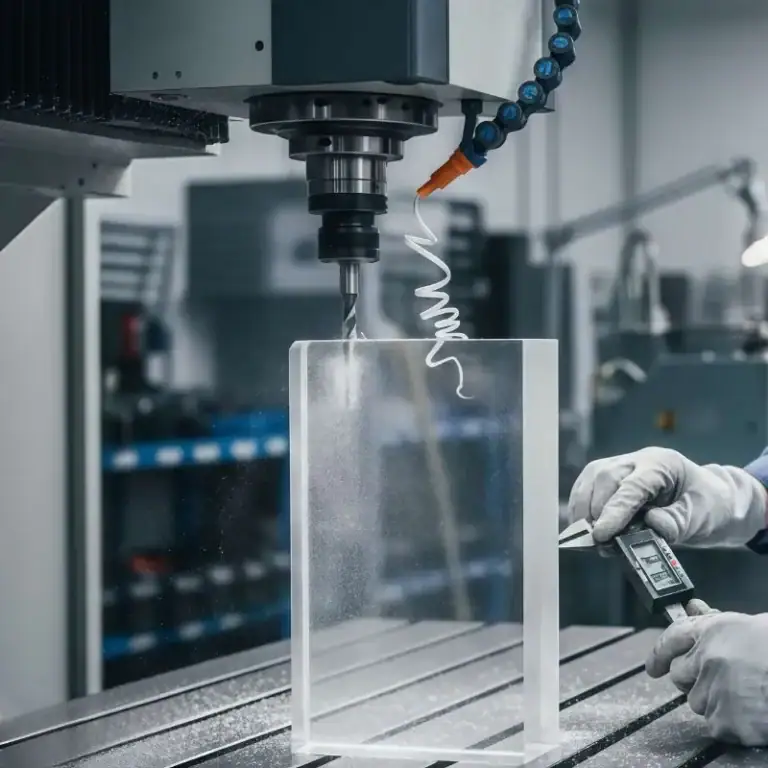
Stainless steel is widely used in many industries because of its excellent corrosion resistance, strength, and durability. It is a reliable material for applications that require long service life, clean appearance, and stable performance in different environments. However, not all stainless steel is the same.
Different types of stainless steel come with different grades, properties, and applications. Understanding these differences is important for choosing the right material for your parts, products, or projects.
What Is Stainless Steel?
Stainless steel is an alloy steel widely recognized for its corrosion resistance, strength, and long service life. Its performance comes from the addition of chromium and other elements, which help the material resist rust, staining, and damage during use. In general, stainless steel contains a minimum of 10.5% chromium, which creates a protective surface film and gives the material its characteristic resistance to corrosion.
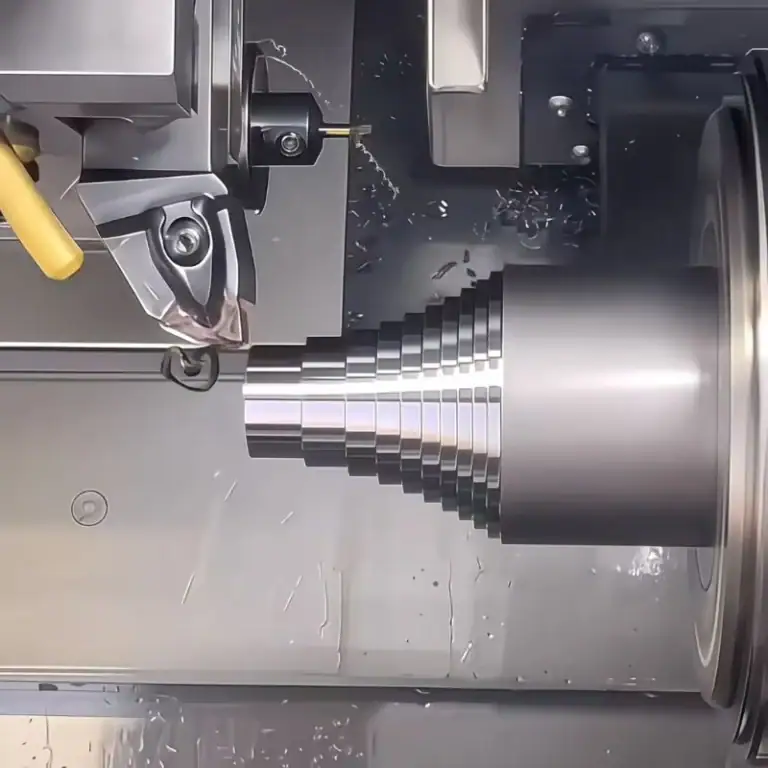
Compared with ordinary carbon steel, stainless steel performs much better in environments where moisture, chemicals, or heat are present. This is why it is widely used in industries such as food processing, medical equipment, construction, automotive, marine, and custom manufacturing. It is also a popular material for CNC machined parts because it offers a good balance of mechanical performance and long-term reliability.
However, stainless steel is not just one material. It includes several different types and grades, each with its own composition, properties, and ideal applications. Different stainless steel grades are designed for different priorities. Some perform better in corrosive environments, while others are more suitable for high strength, machinability, or heat resistance. Knowing these differences can help you make a better material choice for your project.
What Are the Main Types of Stainless Steel?
Stainless steel is generally divided into five main types based on its microstructure and composition: austenitic, ferritic, martensitic, duplex, and precipitation-hardening stainless steel. Each type has its own properties, benefits, and common applications. Understanding these categories can help you choose the right material for different parts and working environments.
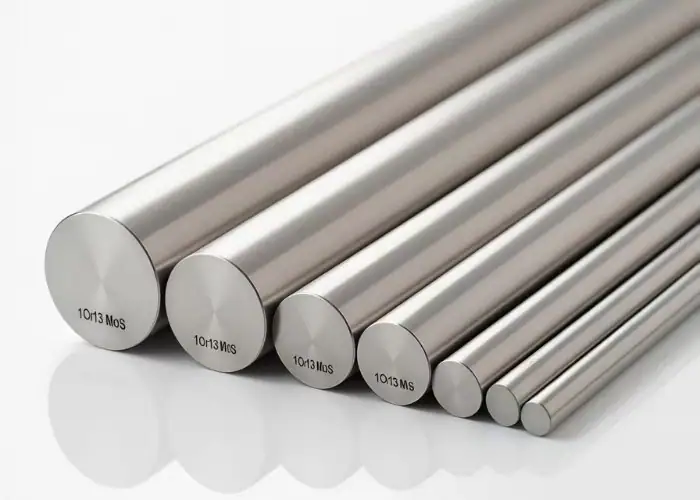
Austenitic Stainless Steel
Austenitic stainless steel is the most widely used type. It offers excellent corrosion resistance, along with good formability and weldability. Common grades in this group include 304 and 316, which are widely used in food equipment, medical devices, chemical processing, and general industrial applications.
Ferritic Stainless Steel
Ferritic stainless steel usually contains less nickel and is often more cost-effective than austenitic grades. It provides good corrosion resistance and has magnetic properties, making it suitable for automotive trim, appliances, and certain architectural applications. Common ferritic grades include 409 and 430.
Martensitic Stainless Steel
Martensitic stainless steel is known for its high strength and hardness. It can be heat treated to improve wear resistance, which makes it a practical choice for cutting tools, valves, turbine blades, and mechanical parts. However, its corrosion resistance is generally lower than that of austenitic stainless steel.
Duplex Stainless Steel
Duplex stainless steel combines the benefits of both austenitic and ferritic stainless steel, offering high strength and better corrosion resistance, especially in demanding environments. Grades such as 2205 are commonly used in marine, oil and gas, and chemical applications.
Precipitation-Hardening Stainless Steel
Precipitation-hardening stainless steel is commonly used in applications that require both very high strength and good corrosion resistance. One of the best-known grades is 17-4 PH stainless steel, which is often used in aerospace, medical, and high-performance industrial components.
Because each type of stainless steel performs differently, the right material choice depends on factors such as corrosion exposure, mechanical requirements, manufacturability, and cost.
What Are the Most Common Types of Stainless Steel Grades?
Stainless steel is available in many grades, but a few are used far more often than others in manufacturing and engineering. These grades differ in corrosion resistance, strength, hardness, machinability, and cost. Understanding the most common stainless steel grades can help you choose a material that matches your application more effectively.
304 Stainless Steel
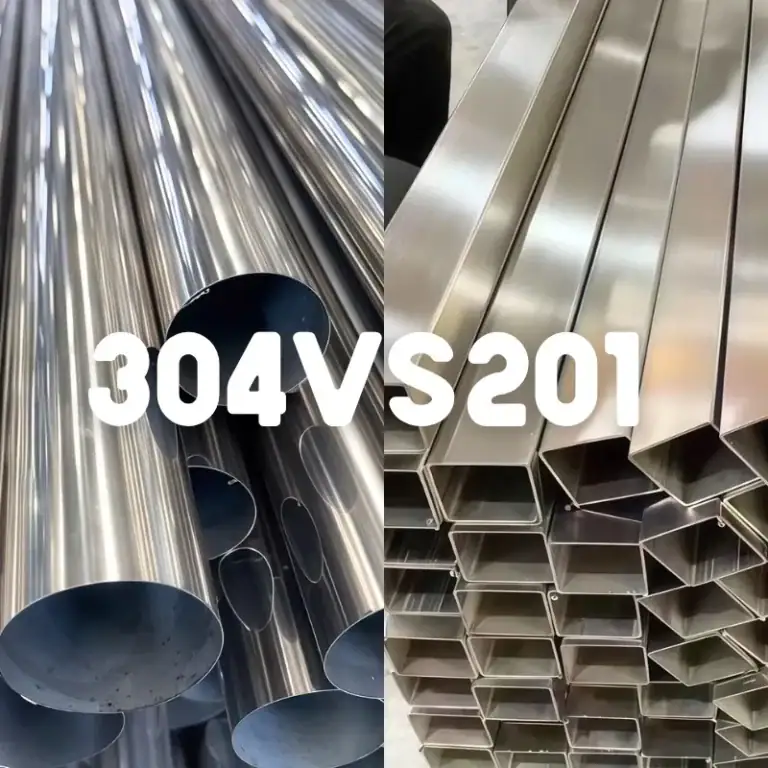
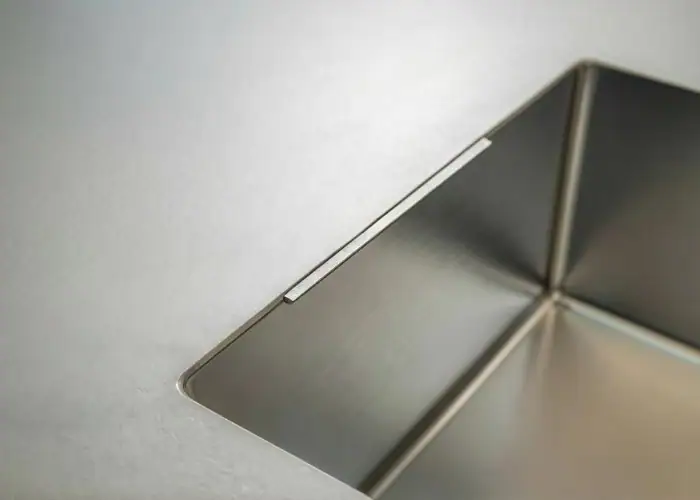
304 stainless steel is widely used across many industries thanks to its solid balance of corrosion resistance, mechanical strength, ease of forming, and reasonable cost. It is often found in kitchen equipment, food processing machinery, tanks, piping, and a variety of industrial parts.
316 Stainless Steel
Like 304, 316 stainless steel is widely used, but the addition of molybdenum makes it more resistant to corrosion, particularly in marine and chloride-rich conditions. Because of this, 316 is often preferred for chemical equipment, marine components, medical devices, and parts exposed to harsh conditions.
430 Stainless Steel
430 stainless steel is a common ferritic grade known for its moderate corrosion resistance and lower cost. It is often used in appliances, automotive trim, indoor decorative parts, and other applications where high corrosion resistance is not the main requirement.
410 Stainless Steel
410 stainless steel is a martensitic grade valued for its strength and wear resistance. It can be heat treated to achieve higher hardness, making it suitable for fasteners, valves, pumps, shafts, and some mechanical components. However, its corrosion resistance is lower than that of 304 or 316.
420 Stainless Steel
420 stainless steel is another martensitic grade, but it can achieve even higher hardness than 410 after heat treatment. It is often used for cutting tools, surgical instruments, blades, and wear-resistant parts that require a hard surface.
2205 Duplex Stainless Steel
2205 duplex stainless steel is commonly chosen for applications that require both high strength and improved corrosion resistance. Compared with many standard stainless steel grades, it performs well in aggressive environments and is often used in oil and gas, marine, chemical processing, and pressure-related applications.
17-4 PH Stainless Steel
17-4 PH stainless steel is a precipitation-hardening grade that combines high strength with good corrosion resistance. It is commonly used in aerospace, medical devices, shafts, valves, and high-performance components that need both durability and mechanical reliability.
Each of these stainless steel grades has its own advantages, so the best choice depends on your working environment, performance requirements, and budget.
Different Types of Stainless Steel: Key Differences Explained
Although all stainless steel types offer corrosion resistance, they differ in strength, hardness, weldability, magnetic properties, and cost. Understanding these differences is important for choosing the right material for a specific application. The comparison below gives a clear overview of how the main types of stainless steel perform in key areas.
| Type of Stainless Steel | Corrosion Resistance | Strength / Hardness | Weldability / Machinability | Magnetic Properties | Cost Level | Typical Applications |
| Austenitic Stainless Steel | Excellent | Good strength, moderate hardness | Excellent weldability, moderate machinability | Usually non-magnetic | Medium to high | Food equipment, medical devices, chemical processing, general industrial parts |
| Ferritic Stainless Steel | Moderate to good | Moderate strength, lower hardness | Good formability, fair machinability | Magnetic | Low to medium | Appliances, automotive trim, architectural parts |
| Martensitic Stainless Steel | Moderate to low | High hardness and wear resistance | Lower weldability, fair machinability | Magnetic | Medium | Blades, cutting tools, valves, mechanical components |
| Duplex Stainless Steel | Very high | High strength | Good weldability, more difficult machining than austenitic grades | Magnetic | High | Marine equipment, oil and gas, chemical processing, structural parts |
| Precipitation-Hardening Stainless Steel | Good to very good | Very high strength | Good machinability before aging, more specialized processing | Usually magnetic | High | Aerospace parts, medical components, shafts, valves, high-performance parts |
Common Uses of Different Types of Stainless Steel
Different types of stainless steel are used in different industries because their properties are not the same. Some grades are chosen for hygiene and corrosion resistance, while others are preferred for strength, wear resistance, or lower cost. In practice, the best use depends on the service environment, fabrication needs, and performance requirements.
Food Processing, Medical, and Sanitary Equipment
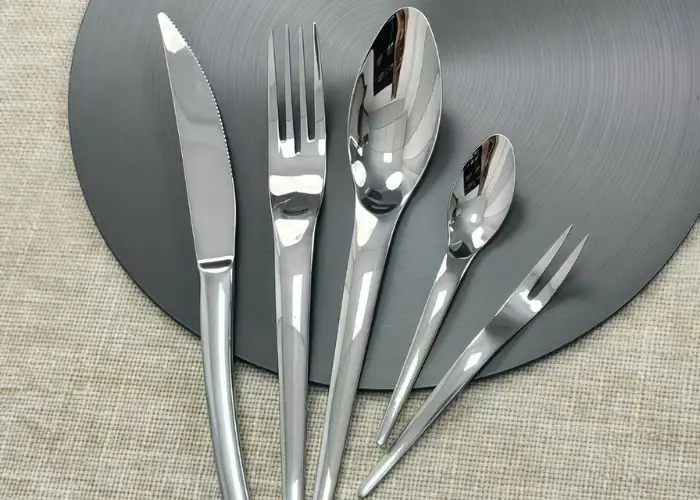
Austenitic stainless steel is a preferred material in food processing, healthcare, and pharmaceutical applications because it combines corrosion resistance with good cleanability, formability, and weldability. Common grades such as 304 and 316 are often selected for tanks, tubing, kitchen equipment, medical tools, and sanitary machinery. Type 304 stainless steel needles, for example, are widely used in medical applications because they can be sterilized without degradation.
Chemical Processing, Marine, and Offshore Equipment
For more aggressive environments, stainless steels such as 316 and duplex grades are commonly used in chemical processing, marine service, and offshore systems. Duplex stainless steels are used in heat exchangers, tanks, pumps, valves, process piping, chemical tank trailers, and oil and gas production equipment because they combine high strength with strong resistance to corrosive media. In marine hardware, forged 304 and especially 316 stainless steel are also common, with 316 preferred for saltwater exposure.
Automotive, Appliances, and Decorative Parts
Ferritic stainless steel is often used where moderate corrosion resistance and lower cost are important. Grade 409 is widely used for automotive exhaust systems, while grade 430 is commonly used in appliances, trim, and indoor decorative components. These applications benefit from ferritic stainless steel’s practicality and cost-effectiveness.
Blades, Tools, and Wear-Resistant Components
Martensitic stainless steel is commonly used for applications that need higher hardness and wear resistance. It was originally developed for commercial cutlery, and it is still widely associated with blades, cutting tools, and similar components. Grades such as 410 are also used in demanding forged parts such as turbine engine blades.
Construction and Structural Applications
Stainless steel is also widely used in construction and structural work. Austenitic and duplex stainless steels are both used in structural applications where corrosion resistance and long service life are important. Duplex stainless steel, in particular, has been used in bridges, storage tanks, and other structural projects because its high strength can reduce required section thickness while maintaining durability in harsh environments.
Industrial Parts and Custom Components
Many stainless steel grades are used in custom industrial parts such as valves, shafts, fittings, vessels, pipelines, tubing, and heat exchangers. In these applications, the final material choice usually depends on whether the priority is corrosion resistance, mechanical strength, machinability, or cost. This is why different stainless steel types are often selected for different components even within the same project.
Overall, stainless steel is used across a wide range of industries, but no single type is best for every job. Choosing the right stainless steel means matching the grade and family to the actual working conditions of the part.
What Are the Advantages and Disadvantages of Stainless Steel?
Stainless steel is widely used because it offers a practical balance of corrosion resistance, strength, durability, and appearance. However, it also has some limitations in cost, machining, and grade selection.
Advantages of Stainless Steel
Excellent corrosion resistance
One of the biggest advantages of stainless steel is its strong resistance to rust and corrosion. Thanks to its chromium content, stainless steel forms a protective surface layer that helps it perform well in wet, chemical, and outdoor environments.
Good strength and durability
Stainless steel is known for its strength and long service life. Many grades can handle demanding working conditions while maintaining their mechanical performance over time, making them a reliable choice for industrial, structural, and high-use applications.
Clean appearance and low maintenance
Another key benefit is its attractive appearance. Stainless steel has a clean, modern surface finish that remains visually appealing over time. It also requires relatively little maintenance compared with many other metals, especially in corrosive environments.
Strong hygiene performance
Because stainless steel is easy to clean, disinfect, and sterilize, it is widely used in food processing, medical equipment, pharmaceutical systems, and sanitary applications. Its smooth surface helps support cleanliness and reduce contamination risks.
Good formability and weldability
Many stainless steel grades, especially austenitic grades, offer good formability and weldability. This makes stainless steel suitable for a wide range of fabricated parts, welded structures, and custom components.
Recyclability and long-term value
Stainless steel is also a highly recyclable material. Although its initial cost may be higher, its durability, low maintenance needs, and long service life often make it a cost-effective option over the long term.
Disadvantages of Stainless Steel
Higher material cost
One of the main disadvantages of stainless steel is its price. Compared with carbon steel or some other engineering materials, stainless steel is often more expensive, especially in grades that contain higher levels of nickel, molybdenum, or other alloying elements.
More difficult to machine
Stainless steel can be more challenging to machine than many other metals. Some grades are tough, work harden quickly, and generate more heat during cutting, which can increase tool wear, machining time, and production cost.
Performance varies by grade
Not all stainless steel grades offer the same properties. Some are better for corrosion resistance, while others are designed for higher strength, hardness, or wear resistance. If the wrong grade is selected, the material may not perform as expected or may add unnecessary cost.
Potential manufacturing challenges
In certain applications, stainless steel may also create manufacturing difficulties such as distortion during machining, burr formation, or galling in sliding contact. These issues often require more careful process control and tooling strategies.
Not always the most economical choice
Stainless steel is not automatically the best material for every application. If the part does not require high corrosion resistance, hygiene, or long-term durability, another material may provide a more cost-effective solution.
How to Choose the Right Type of Stainless Steel for Your Application?
Choosing the right type of stainless steel is important because different grades offer different levels of corrosion resistance, strength, machinability, and cost. A material that performs well in one environment may not be the best choice in another. To make the right decision, it is important to evaluate the actual service conditions, manufacturing requirements, and budget of your project.
Consider the Service Environment
The first step is to understand where and how the part will be used. If the application involves moisture, chemicals, salt exposure, or high temperatures, corrosion resistance becomes a key factor. For example, parts used in marine, chemical, or outdoor environments often require grades with better corrosion performance than those used indoors.
Consider Corrosion Resistance Requirements
Not all stainless steel grades provide the same level of corrosion resistance. Austenitic grades such as 304 are widely used for general-purpose applications, while 316 is often preferred in chloride-rich or more aggressive environments. Duplex stainless steel may be a better choice when both high corrosion resistance and high strength are needed.
Consider Strength and Mechanical Performance
Mechanical requirements also play an important role in material selection. If the part must handle high loads, wear, or pressure, it may require a grade with higher strength or hardness. Martensitic and precipitation-hardening stainless steels are commonly used in applications that require higher hardness and stronger mechanical properties, rather than maximum corrosion resistance.
Consider Machining and Fabrication Needs
The way the part will be manufactured should also be considered. Some stainless steel grades are easier to machine, weld, or form than others. Austenitic stainless steels are often chosen for their good formability and weldability, while some harder grades may require more careful machining and tooling control. Selecting a grade that fits both the design and the manufacturing process can improve efficiency and reduce production problems.
Consider Cost and Material Availability
Cost is another important factor. Higher-performance stainless steel grades usually come with a higher material price, and some may also increase machining or fabrication costs. In many cases, the best choice is not the highest-grade material, but the grade that provides the right balance of performance, manufacturability, and cost for the application.
Overall, selecting the right stainless steel means looking beyond the material name alone. The best choice should match the real working environment, performance needs, production method, and budget of the part.
FAQs
What Is The Highest Quality Stainless Steel?
There is no single highest quality stainless steel. The best grade depends on the application. For general corrosion resistance, 316 stainless steel is often considered a higher-grade option than 304 because it contains molybdenum. For high strength and corrosion resistance together, 17-4 PH and duplex 2205 are also premium choices. In engineering, “highest quality” usually means the grade that best matches the required environment, strength, and service life.
What Is The Cheapest Stainless Steel?
The cheapest stainless steel is usually a ferritic grade, especially 430 or 409, because these grades use little or no nickel. Since nickel is one of the more expensive alloying elements, reducing nickel content can lower total material cost significantly. Grade 430 typically contains around 16% chromium and is often used for appliances, trim, and indoor applications where moderate corrosion resistance is enough. In low-corrosion environments, ferritic stainless steel is often the most economical choice.
What Is The Purest Grade Of Stainless Steel?
“Purest” is not a standard engineering term for stainless steel, because stainless steel is an alloy, not a pure metal. In practice, people usually mean a grade with a simpler composition and fewer added alloying elements. By that definition, 430 stainless steel is often considered one of the simpler grades, with about 16% chromium and no high nickel content like austenitic grades. However, the “best” grade is not the purest one, but the one whose composition matches the required corrosion resistance, strength, and manufacturability.
What Is The Enemy Of Stainless Steel?
The biggest enemy of stainless steel is often chloride exposure, especially when combined with moisture, heat, or residual stress. Chlorides can increase the risk of pitting, crevice corrosion, and stress corrosion cracking, particularly in less resistant grades. Research from the Nickel Institute notes that increasing chloride content raises the probability of pit initiation, and industry guidance identifies chlorides as the most common environmental cause of SCC in stainless steels. This is why grade selection matters so much in marine, coastal, and chemical environments.
Conclusion
Different types of stainless steel offer different benefits in corrosion resistance, strength, cost, and application. The right choice depends on your working environment, performance needs, and budget. By understanding the main stainless steel types and grades, you can choose a material that better fits your parts or project.
At TiRapid, we help customers choose the right stainless steel for CNC machined parts based on performance, cost, and application needs. Contact us to discuss your project and get the right machining solution.