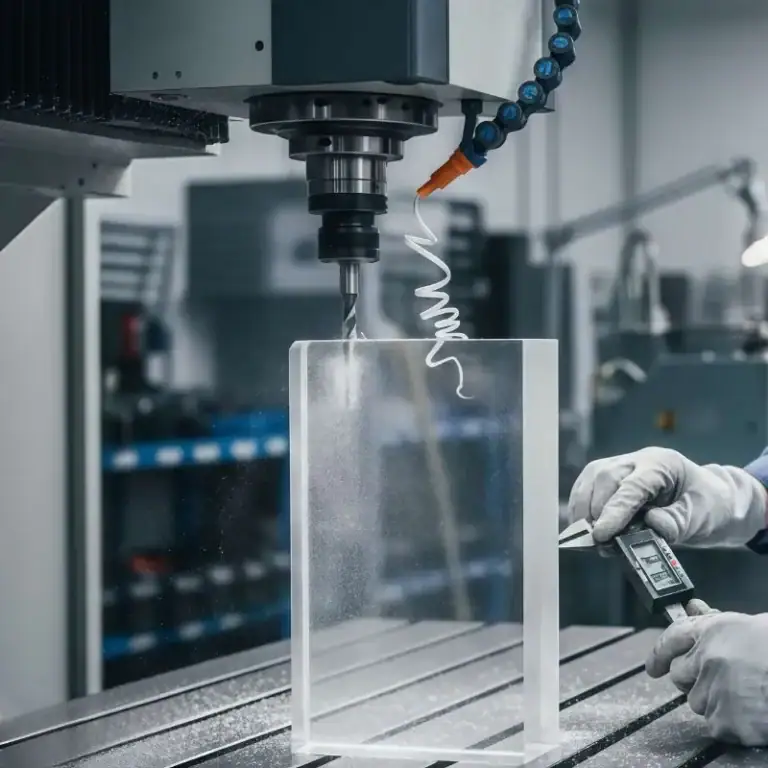
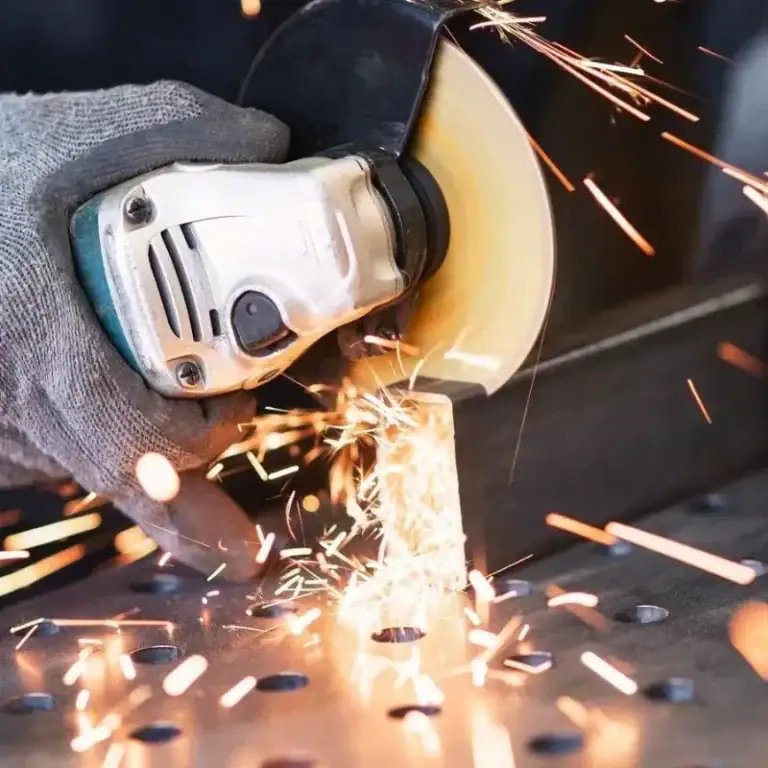
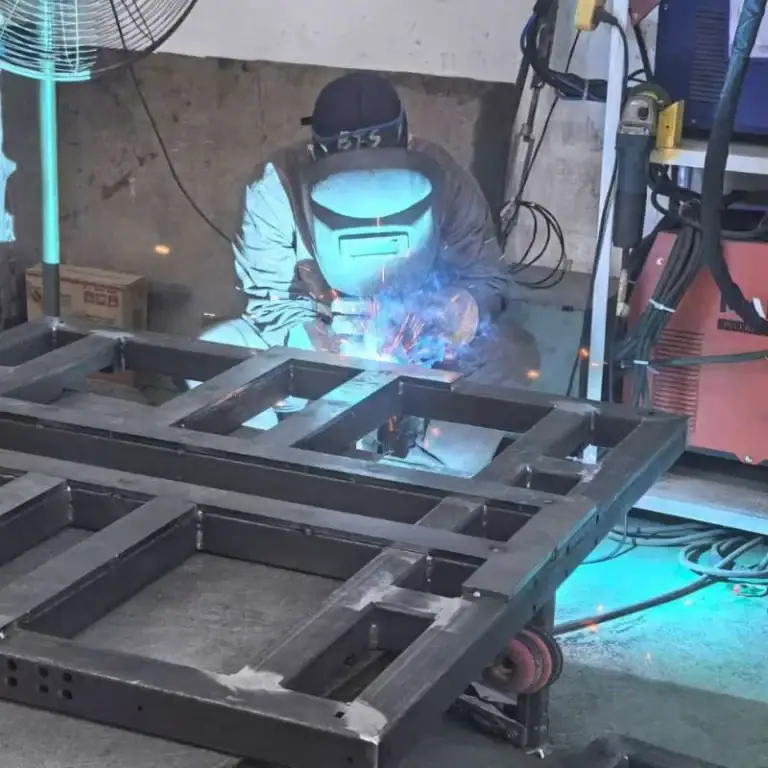
Aluminum is one of the most widely used metals in modern manufacturing because it is lightweight, durable, corrosion-resistant, and easy to process. However, not all aluminum is the same. Different grades have different properties, strengths, and uses.
Understanding these differences is essential if you want to choose the right material for your project. In this article, you will learn the main types of aluminum, their benefits, and where each one works best.
What Are the Different Types of Aluminum?
Aluminum comes in many different types, and each one is designed for specific performance needs. In most cases, aluminum can be divided into two main categories: wrought aluminum and cast aluminum. Wrought aluminum is shaped through processes such as rolling, extrusion, or forging, while cast aluminum is formed by pouring molten metal into molds.
Beyond this basic classification, aluminum is also grouped by alloy series, including the 1000, 2000, 3000, 4000, 5000, 6000, and 7000 series. Each series has its own characteristics. For example, 1000 series aluminum is known for high purity and corrosion resistance, 3000 series offers good formability, 5000 series performs well in marine environments, and 6000 series is widely used for structural parts and CNC machining. 7000 series aluminum is often selected when very high strength is required.
Different aluminum types offer different combinations of composition, strength, corrosion resistance, machinability, and end-use performance. For that reason, selecting the right aluminum type is key to achieving the best results in both manufacturing efficiency and cost-effectiveness.
How Aluminum Grades Are Classified?
Aluminum grades are classified according to their chemical composition, manufacturing method, and response to heat treatment. The most widely used system for wrought aluminum is the four-digit alloy numbering system, which helps identify the main alloying element and the general performance characteristics of each grade.
In this system, the first digit shows the alloy series. For example, 1000 series aluminum is mostly pure aluminum, 3000 series is mainly alloyed with manganese, 5000 series uses magnesium, 6000 series combines magnesium and silicon, and 7000 series is primarily alloyed with zinc. This classification makes it easier to compare aluminum grades by strength, corrosion resistance, formability, and machinability.
Aluminum grades are also grouped by wrought aluminum and cast aluminum. Wrought aluminum is mechanically processed into forms such as sheet, plate, bar, and extrusion, while cast aluminum is poured into molds. In addition, grades can be divided into heat-treatable and non-heat-treatable alloys. Heat-treatable grades, such as 2000, 6000, and 7000 series, can achieve higher strength through thermal processing, while non-heat-treatable grades, such as 1000, 3000, and 5000 series, are strengthened mainly by cold working.
Wrought Aluminum Vs. Cast Aluminum: What’s the Difference?
Although both wrought aluminum and cast aluminum are widely used in manufacturing, they differ significantly in production method, material structure, and application. Understanding these differences can help you choose the right aluminum type for machining, fabrication, structural parts, or complex components.
| Category | Wrought Aluminum | Cast Aluminum |
| Manufacturing Method | Made by rolling, extrusion, forging, or drawing | Made by pouring molten aluminum into molds |
| Material Structure | Usually has a more uniform internal structure | May contain porosity or casting-related defects |
| Strength | Generally offers higher strength and better mechanical consistency | Usually lower than wrought aluminum in structural performance |
| Surface Finish | Often provides smoother and cleaner surfaces | Surface quality depends on mold condition and casting process |
| Machinability | Commonly performs better in CNC machining and secondary processing | Can be machined, but defects may affect final results |
| Formability | Better for bending, forming, and fabrication operations | Less suitable for extensive forming after casting |
| Complexity Of Shape | Better for standard profiles, sheets, bars, and extrusions | Better for complex shapes and near-net-shape parts |
| Common Applications | CNC parts, frames, brackets, structural components, extrusions | Engine parts, housings, pump bodies, molded industrial parts |
| Cost Efficiency | Often more suitable for precision and low-to-medium volume fabrication | Often more cost-effective for high-volume complex parts |
| Best Choice For | Machining, welding, fabrication, and structural applications | Complex geometries and cast component production |
The Main Wrought Aluminum Series Explained
Wrought aluminum is widely used in manufacturing because it offers better structural consistency, more reliable mechanical properties, and greater processing flexibility than cast aluminum. It is commonly classified into the 1000 to 7000 series, with each series designed for different performance needs.
1000 Series
The 1000 series contains a minimum of 99.0% aluminum and is valued for its excellent corrosion resistance, high electrical and thermal conductivity, and strong formability. Because it is soft and non-heat-treatable, it is not a first choice for high-load structural parts. Instead, it is often used in foils, wires, heat exchangers, and formed products that require deep drawing or bending. Grade 1100 is the best-known example in this family, while 1350 is commonly used in electrical applications.
2000 Series
Known for its copper-based composition, the 2000 series offers high strength and good machinability. It is often chosen for aerospace, transportation, and other high-stress structural applications where performance is critical. Many grades in this series are heat-treatable, but copper also reduces corrosion resistance and can make welding more difficult. Grades such as 2011 are known for excellent machining performance, while 2024 is widely used for high-strength applications that require good fatigue and fracture resistance.
3000 Series
The 3000 series uses manganese as the main alloying element. It offers good corrosion resistance, high ductility, and reliable formability, which makes it suitable for general-purpose sheet metal applications. These alloys are non-heat-treatable, but they can be strengthened through cold working. Among them, 3003 is one of the most widely used aluminum grades and is often selected for cookware, containers, building products, and lightweight formed components. It is a practical option when the project needs better strength than pure aluminum but does not require a high-strength structural alloy.
4000 Series
The 4000 series contains silicon as its primary alloying element. Silicon lowers the melting point and improves fluidity in the molten state, which makes this series especially useful in welding wire, brazing materials, and certain heat-related applications. Some grades in this family can also respond to heat treatment depending on the presence of copper or magnesium. Although the 4000 series is less commonly discussed in general fabrication than 3000 or 6000 series, it plays an important role in joining processes and specialized thermal applications.
5000 Series
The 5000 series stands out for its magnesium-based composition and excellent resistance to corrosion, making it a popular choice for marine and humid environments. Even though these alloys are non-heat-treatable, cold working can still provide them with moderate to high strength.They are also generally weldable and suitable for sheet fabrication. Grades such as 5052, 5005, and 5083 are commonly used in tanks, brackets, marine components, enclosures, and industrial sheet metal parts. Because of their excellent saltwater resistance, 5000 series alloys are often called marine-grade aluminum.
6000 Series
The 6000 series combines magnesium and silicon, giving it one of the most balanced property profiles in the aluminum family. These alloys are heat-treatable and are widely used because they offer good strength, corrosion resistance, weldability, and formability. For many industrial projects, 6000 series alloys provide the most practical combination of performance and workability. Grade 6061 is often considered one of the most versatile heat-treatable aluminum alloys and is commonly used in structural parts, machined components, and industrial assemblies. Grade 6063 is especially popular for extrusions and architectural applications because of its smooth finish and strong anodizing performance.
7000 Series
The 7000 series is known for its zinc-based composition and exceptional strength. Since these alloys respond well to heat treatment, they are often chosen for aerospace and other performance-driven engineering applications where strength matters most.Grade 7075 is one of the best-known examples and is valued for very high tensile strength and hardness. However, the 7000 series is generally less weldable and can require more careful corrosion management than lower-strength aluminum families. When maximum strength is the top priority, this series is often the first choice.
The Importance Of Understanding The Wrought Aluminum Series
Understanding the wrought aluminum series helps engineers, buyers, and manufacturers narrow down material choices more efficiently. Instead of comparing every possible alloy from the beginning, the series system provides a practical starting point based on the most important performance needs. For example, 1000 series is useful for conductivity, 3000 series for forming, 5000 series for corrosion resistance, 6000 series for versatility, and 7000 series for maximum strength. This makes the series classification an important foundation for material selection in manufacturing and product development.
Common Aluminum Grades and Their Uses
Although aluminum is often discussed by series, real-world material selection usually happens at the grade level. That is because each aluminum grade has its own balance of strength, corrosion resistance, machinability, formability, weldability, and cost. For engineers, buyers, and manufacturers, understanding the most common grades can make it much easier to match the right material to the right application.
1100 Aluminum
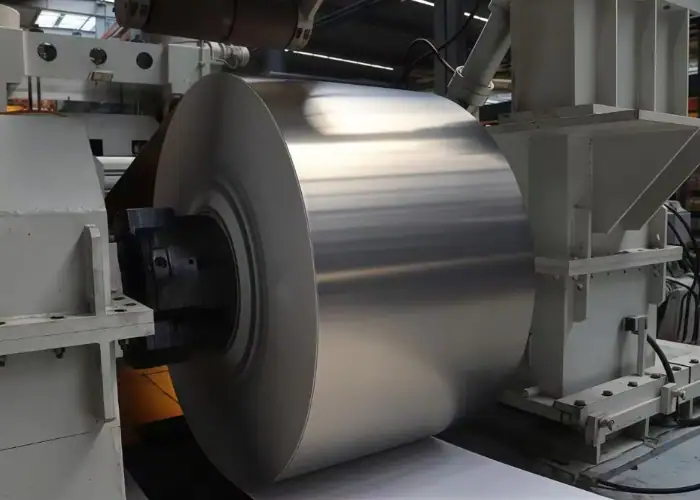
1100 aluminum is one of the purest commercial aluminum grades, containing at least 99% aluminum. It is known for excellent corrosion resistance, high thermal and electrical conductivity, and very good formability. Because it is relatively soft and has low mechanical strength, it is not usually used for structural applications. Instead, it is commonly found in foils, chemical equipment, heat exchangers, decorative parts, and electrical applications where conductivity and corrosion resistance are more important than load-bearing performance.
3003 Aluminum
3003 aluminum is one of the most widely used aluminum grades for general-purpose applications. It contains manganese as the main alloying element, which gives it better strength than pure aluminum while maintaining good workability and corrosion resistance. This grade is often used in sheet metal fabrication, cookware, storage tanks, roofing products, siding, and lightweight formed components. It is a reliable choice when the project needs a balance of affordability, formability, and moderate strength.
5052 Aluminum
5052 aluminum is a magnesium-based alloy that offers excellent corrosion resistance, especially in marine and humid environments. It also has good workability and weldability, making it a popular choice for tanks, marine components, brackets, enclosures, pressure vessels, and sheet metal parts. Compared with 3003, 5052 generally provides higher strength and better resistance to harsh environments. For projects that need both durability and corrosion protection, 5052 is often one of the best options.
6061 Aluminum
6061 aluminum is one of the most commonly used engineering alloys because it offers a well-balanced combination of strength, corrosion resistance, weldability, and machinability. These properties make it a reliable choice for many industrial and structural applications. This grade is commonly used for CNC machined parts, frames, brackets, fixtures, automotive components, aerospace parts, and custom assemblies. For many manufacturers, 6061-T6 is the default starting point because it offers a strong balance between performance, availability, and cost.
6063 Aluminum
6063 aluminum is often chosen for applications where surface quality, extrusion performance, and finishing results matter most. It provides good corrosion resistance and is especially valued for its ability to achieve smooth, visually appealing anodized surfaces. Although it is not usually the first choice for heavy structural machining, it performs very well in architectural profiles, window frames, door frames, railings, trim, and decorative extrusions. When a project requires a clean surface and complex profile shape, 6063 is often preferred.
7075 Aluminum
Known for its exceptional strength, 7075 aluminum is often selected for aerospace, defense, tooling, and other applications where high performance is required. It provides very high strength and hardness, making it suitable for parts that must withstand heavy stress or repeated loading. However, it is usually more expensive than common grades such as 6061, and it is also less weldable. For projects where maximum strength matters more than cost or ease of fabrication, 7075 is often the preferred choice.
Each of these aluminum grades serves a different purpose. 1100 is best for conductivity and forming, 3003 is a strong general-purpose option, 5052 is ideal for corrosion resistance, 6061 is the most versatile for machining and structural use, 6063 is best for extrusions and surface finish, and 7075 is designed for very high strength. By comparing grades in this way, manufacturers can make faster and more confident material decisions based on application needs rather than choosing by price alone.
Types of Aluminium Products and Common Forms
When people refer to the types of aluminum, they may mean not only alloy grades but also product forms such as sheets, plates, foils, tubes, bars, wires, and extrusions. Understanding these forms helps manufacturers and buyers choose materials more accurately for different applications.
Aluminum Sheets And Plates
Aluminum sheets and plates are among the most commonly used aluminum product forms in manufacturing and fabrication. Sheets are thinner and are often used for enclosures, panels, roofing, appliance parts, and formed components. Plates are thicker and are more suitable for structural parts, base plates, molds, and CNC machined components. Grades such as 3003, 5052, and 6061 are frequently available in sheet or plate form, depending on whether the application requires better formability, corrosion resistance, or strength.
Aluminum Foils
Aluminum foil is one of the thinnest and most flexible product forms of aluminum. It is widely used in packaging, insulation, food containers, heat shielding, and certain industrial barrier applications. Foil products are valued for their light weight, corrosion resistance, and ability to provide effective protection against moisture, light, and contamination. Softer aluminum grades are usually preferred for foil production because they can be rolled into very thin sections without losing usability.
Aluminum Pipes And Tubes
Aluminum pipes and tubes are commonly used in structural frames, fluid systems, heat exchangers, automotive components, and lightweight transport applications. They are valued for their low weight, corrosion resistance, and ease of fabrication. Aluminum tubes are often chosen for applications where both strength and reduced mass are important. Depending on the project, grades such as 6061 and 6063 are widely used in pipe and tube products because they provide a good balance of structural performance and manufacturability.
Aluminum Bars And Rods
Aluminum bars and rods are widely used as raw materials for CNC machining, turning, drilling, and precision part production. These forms are especially useful when the final part will be made by removing material rather than by forming sheet metal. Bars are available in flat, square, and rectangular shapes, while rods are typically round. Grades such as 6061, 2011, and 7075 are often selected in bar or rod form for machined parts that require strength, dimensional stability, or good cutting performance.
Aluminum Wires
Aluminum wire is commonly used in electrical transmission, cable manufacturing, electronics, and lightweight fastening or forming applications. Because aluminum is lighter than copper and still offers good electrical conductivity, it is an efficient option for many power-related uses. High-purity aluminum grades are often preferred for wire products when conductivity is the main priority. Aluminum wire may also be used in specialty industrial applications where low weight and corrosion resistance are beneficial.
Aluminum Extrusions
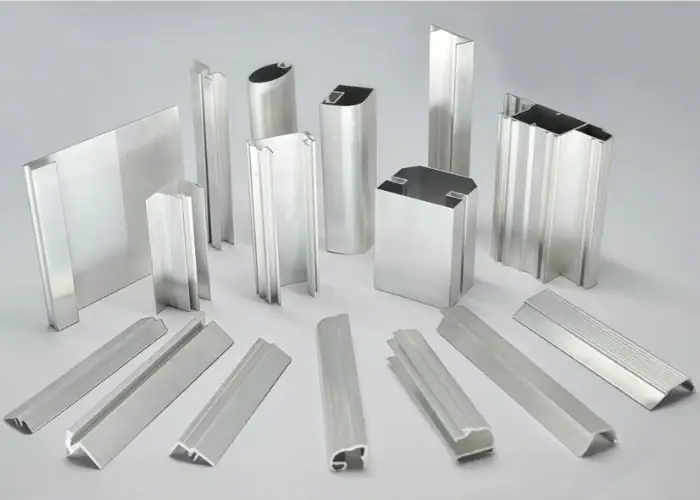
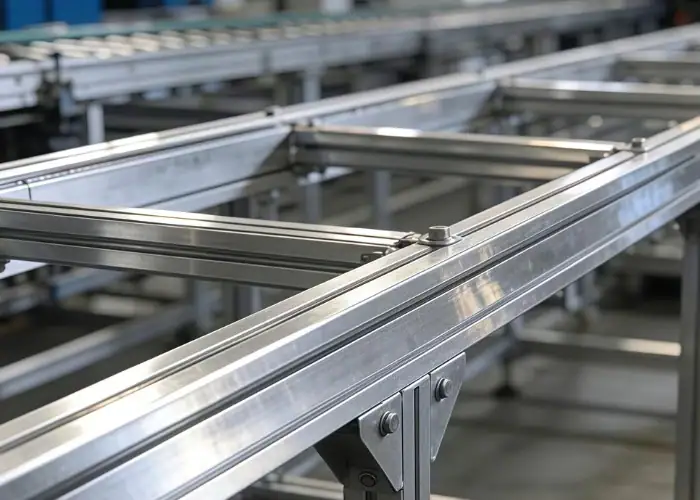
Aluminum extrusion is one of the most important product forms in modern manufacturing. In this process, aluminum is forced through a die to create long profiles with a fixed cross-section. This makes it possible to produce complex shapes efficiently for frames, rails, housings, brackets, trim, and architectural components. 6063 is especially popular for extrusion because of its smooth surface and finishing quality, while 6061 is often chosen when the extruded part also needs stronger mechanical performance. Extrusions are widely used because they reduce assembly steps, improve design flexibility, and support lightweight construction.
Choosing the right aluminum grade is important, but choosing the right product form is just as critical. A grade that performs well in sheet form may not be the best option in bar, tube, or extrusion form for a specific project. Product form affects manufacturing efficiency, material utilization, machining approach, and even total cost. That is why understanding both aluminum grades and common product forms is essential for making better material decisions.
Advantages And Limitations Of Aluminum In Manufacturing
Aluminum is widely used in manufacturing because it is lightweight, corrosion-resistant, and easy to process. It is a practical material for industries such as automotive, aerospace, electronics, construction, and consumer products. At the same time, aluminum is not the right choice for every application. Understanding both its strengths and its limitations can help manufacturers make better material decisions.
Advantages Of Aluminum In Manufacturing
One of aluminum’s biggest advantages is its light weight. Compared with many other metals, aluminum makes it easier to reduce the overall weight of a product without completely sacrificing strength. This is especially valuable in transportation, automation equipment, aerospace parts, and consumer products where lower mass can improve energy efficiency, portability, and performance.
Aluminum also offers good corrosion resistance. Its natural oxide layer helps protect the surface in many outdoor, humid, and industrial environments. This is one reason aluminum is widely used in enclosures, structural parts, and marine-related applications.
Another key benefit is its good machinability and formability. Many aluminum grades are easier to cut, mill, drill, bend, and form than harder metals. This can improve production efficiency and reduce machining costs. Grades such as 6061 are especially popular for CNC machining and general manufacturing.
Aluminum also provides a strong strength-to-weight ratio. While it is lighter than steel, many aluminum alloys still deliver enough strength for structural and industrial use. In addition, aluminum has good thermal and electrical conductivity and is highly recyclable, which adds value in both engineering and sustainability terms.
Limitations Of Aluminum In Manufacturing
Despite its advantages, aluminum also has limits. In many cases, it has lower hardness and lower wear resistance than steel. This can make it less suitable for parts exposed to heavy impact, high loads, or severe friction.
Aluminum can also be more expensive than standard carbon steel, especially when higher-performance grades are required. In some projects, the cost advantage of steel may outweigh the benefits of weight reduction.
Another drawback is that softer aluminum grades are more likely to show surface damage, such as scratches or dents. For appearance-critical or wear-sensitive parts, additional surface treatment may be needed.
Aluminum may also face galvanic corrosion when it contacts metals such as copper or stainless steel in wet conditions. Good design and proper insulation are important when aluminum is used in mixed-metal assemblies.
How to Choose the Right Aluminum Grade?
Choosing the right aluminum grade is not just about picking the strongest alloy. The best material depends on how the part will be used, how it will be manufactured, and what cost limits apply. Reference articles on aluminum selection consistently emphasize application requirements, corrosion resistance, machinability, and budget as key decision factors.
Consider Your Strength And Weight Requirements
Start by defining how much load the part must carry and whether reducing weight is a key design objective. If the project needs general structural performance, 6061 may be enough. If maximum strength is critical, 7075 may be more suitable. If the part does not carry much load and needs easy forming instead, a softer grade such as 1100 or 3003 could be a better fit. Choosing more strength than the design actually needs can unnecessarily increase cost and fabrication difficulty.
Think About Corrosion Resistance
Environment matters. Parts used outdoors, in wet areas, or near seawater should be evaluated carefully for corrosion resistance. Grades in the 5000 series, especially 5052 and 5083, are often favored in marine-related use. High-purity grades such as 1100 also offer excellent corrosion behavior, though with much lower strength. Matching the alloy to the service environment helps prevent premature failure and lowers maintenance requirements.
Check Machinability, Weldability, And Formability
A good grade on paper may still be the wrong choice if it is difficult to machine, weld, or form in production. For CNC machining, 6061 is often a practical first option, while some copper-rich grades offer even better chip control but lower corrosion resistance. For forming, softer alloys such as 1100 and 3003 are usually easier to work. For welded structures, 5000 and 6000 series alloys are often preferred over higher-strength grades that are more welding-sensitive.
Match The Grade To The End-Use Application
Every aluminum alloy performs best in a certain range of applications. 6063 fits architectural and extrusion-focused products. 5052 fits marine and corrosion-sensitive parts. 7075 fits high-stress components. 1100 fits conductivity and deep-forming needs. Looking at the final use case first often makes material selection more accurate than starting with price alone.
Balance Availability And Cost
Even technically suitable aluminum grades may not be practical if they are difficult to source or exceed the project budget. Reference guidance on aluminum selection highlights cost and availability as important considerations. In many cases, a broadly available alloy like 3003, 5052, or 6061 can deliver enough performance while simplifying purchasing and shortening lead time. The best material choice is usually the one that meets the design requirements without overengineering the part.
FAQs
Which Aluminum Is Best For CNC Machining?
6061-T6 is widely considered the best all-around aluminum for CNC machining because it offers a strong balance of machinability, strength, corrosion resistance, and cost. Its machinability is commonly rated around 50% compared with free-cutting brass, while tensile strength is about 290 MPa. It also produces stable chips and good surface finishes, which helps reduce tool wear and cycle time. For high-speed machining and general industrial parts, 6061 is usually the most practical and cost-effective choice.
Which Aluminum Type Is Best For Corrosion Resistance?
Among common aluminum grades, 5052 is one of the best choices for corrosion resistance, especially in marine and humid environments. It contains magnesium as the main alloying element and performs better than many structural grades when exposed to saltwater or moisture. 1100 aluminum also has excellent corrosion resistance because of its high purity, often above 99% aluminum, but it is much softer. For applications needing both durability and corrosion protection, 5052 is often the better engineering choice.
How To Identify Different Types Of Aluminum?
Different types of aluminum can be identified by grade markings, composition, hardness, appearance, and intended application. For example, 1000 series aluminum is usually softer and more corrosion-resistant, while 7000 series is much stronger. Material test reports, alloy certificates, and spectrometer analysis provide the most accurate identification. Hardness testing and spark testing may also help in workshops, although spark behavior is limited for aluminum. In manufacturing, checking the alloy number, such as 1100, 3003, or 6061, is the fastest method.
What Is The Highest Quality Aluminum?
There is no single “highest quality” aluminum, because quality depends on the application, not just strength or price. For high strength, 7075-T6 is often considered one of the top-performing aluminum alloys, with tensile strength around 570 MPa. For corrosion resistance, 5052 or 1100 may be better choices. For CNC machining and balanced performance, 6061-T6 is often preferred.
Which Is The Enemy Of Aluminium?
The main enemies of aluminum are galvanic corrosion, strong alkaline chemicals, and improper environmental exposure. When aluminum contacts a more noble metal, such as copper or stainless steel, in the presence of moisture, galvanic corrosion can occur and damage the surface over time. High-pH substances, including some industrial cleaners, can also attack aluminum quickly. In coastal or chemical environments, poor surface protection may shorten service life. That is why alloy choice, coating, and installation design are critical in aluminum applications.
Conclusion
There are many different types of aluminum, and each one is designed for a different balance of strength, corrosion resistance, formability, machinability, and cost. Understanding the difference between wrought and cast aluminum, the major alloy series, and common grades can make material selection much easier. The best aluminum grade is not always the strongest one. It is the one that fits the application, manufacturing method, and budget most effectively.
At TiRapid, we help customers turn material choices into better parts and more efficient production. Whether you need support for CNC machining, prototyping, or custom metal parts, our team can help you select the right aluminum grade for your project. Send us your drawings today and get expert manufacturing support tailored to your needs.