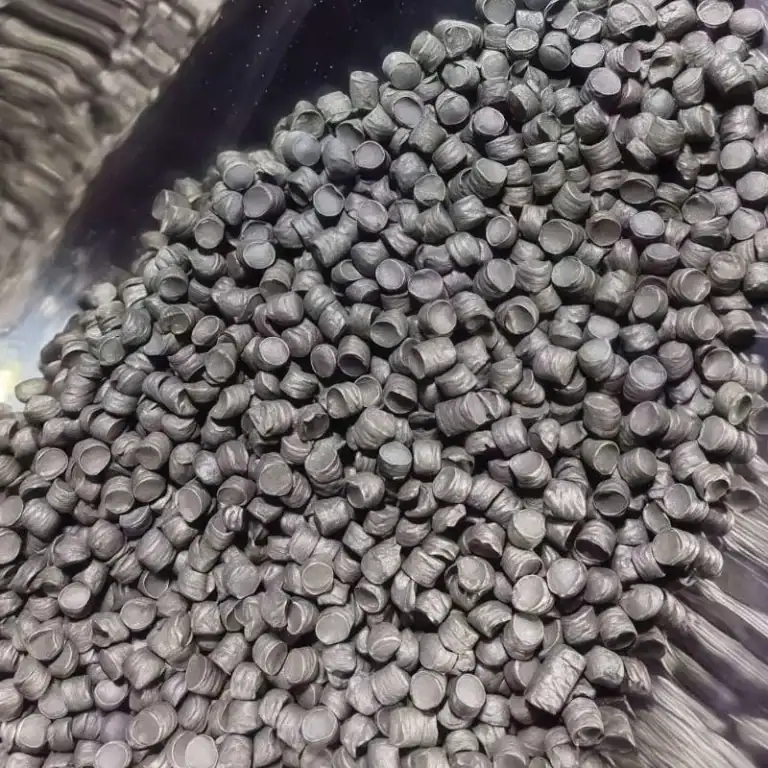
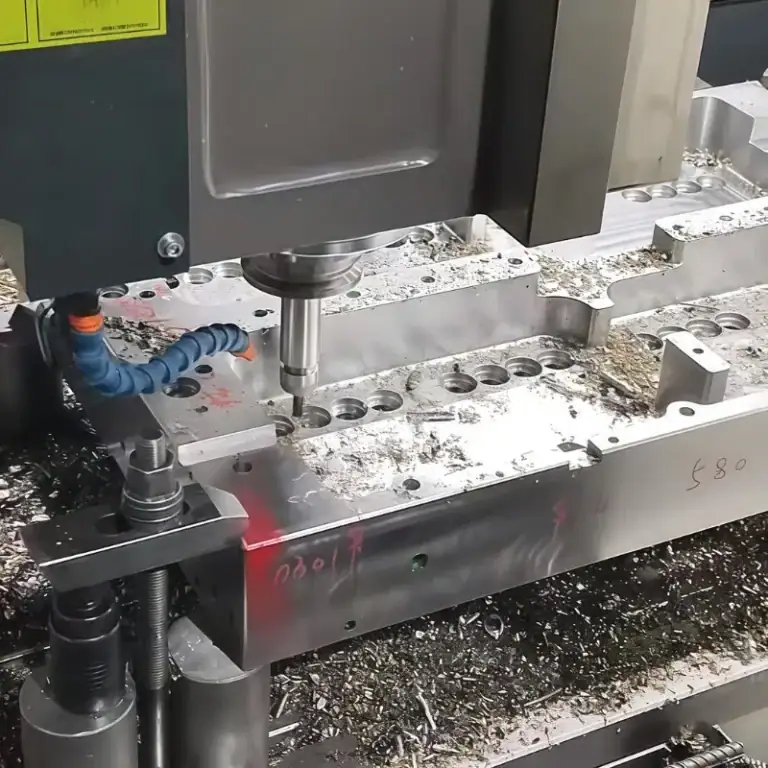
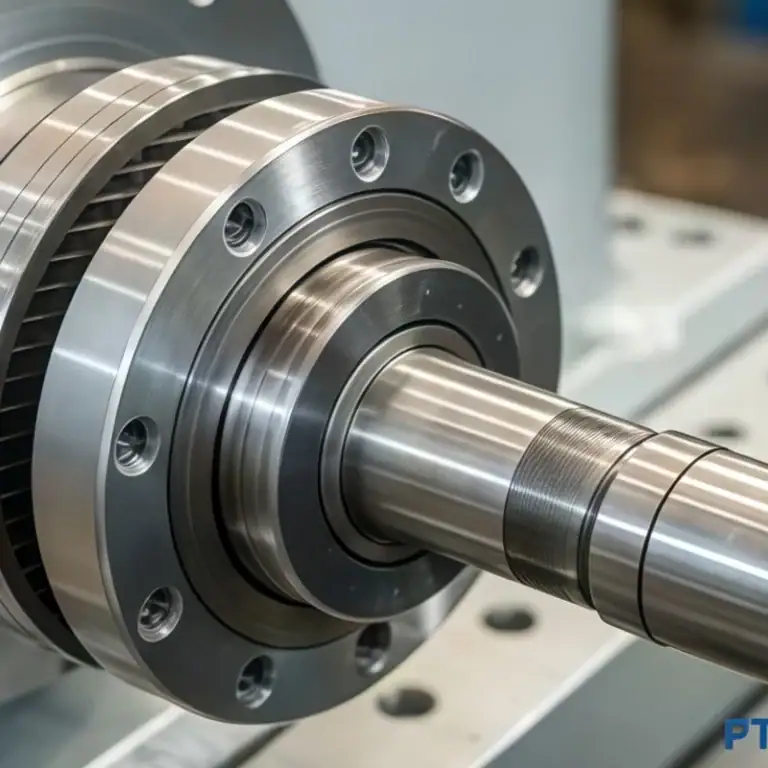
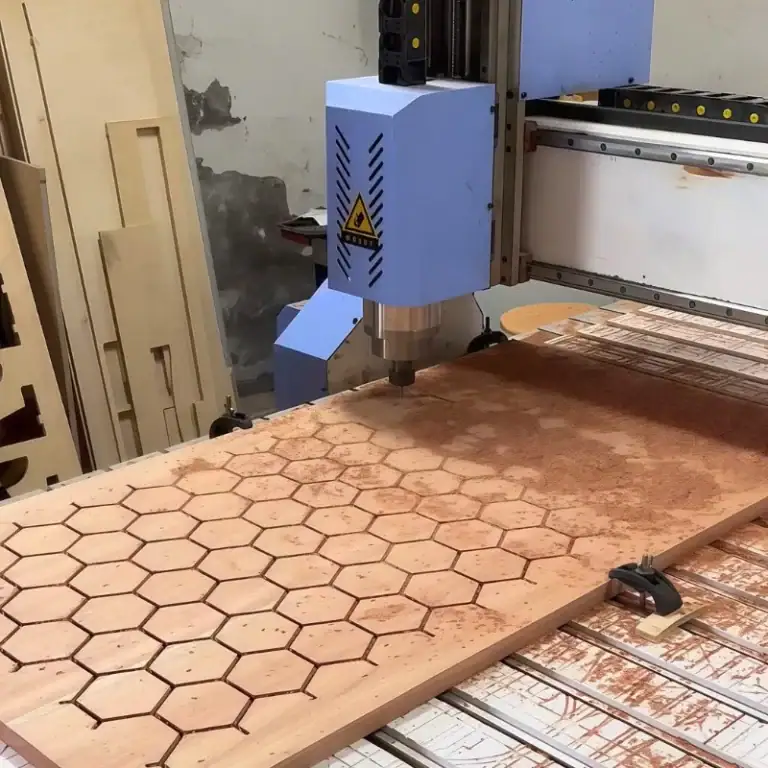
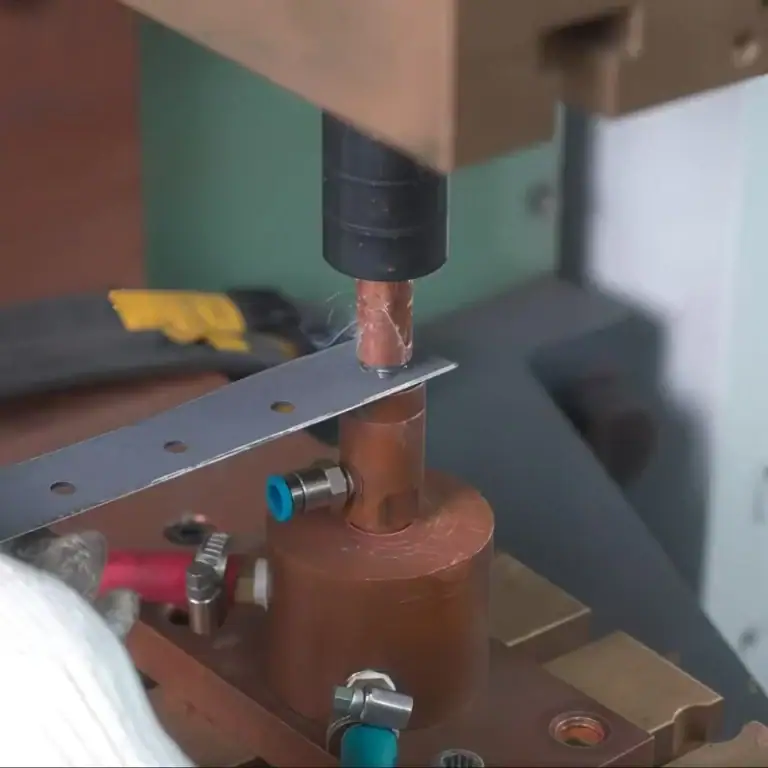
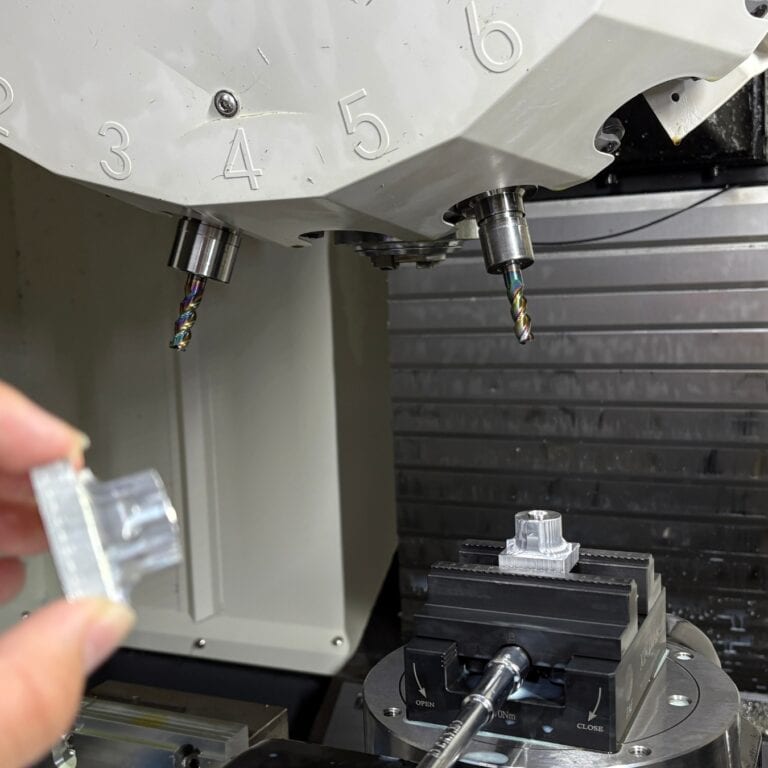
Torlon 4301 PAI is a high-performance polyamide-imide material known for its excellent wear resistance, strong mechanical properties, and stable performance under demanding conditions. It is often selected for precision parts that must operate under heat, friction, load, or repeated motion, making it a popular choice in industries such as semiconductor equipment, aerospace, automotive, and industrial machinery.
What Is Torlon 4301 PAI?
Torlon 4301 PAI is a wear-resistant grade of polyamide-imide, a high-performance engineering plastic designed for demanding mechanical and thermal environments. In this name, Torlon refers to the material brand, 4301 identifies the specific grade, and PAI stands for polyamide-imide. Together, the term describes a premium plastic material widely used in precision components that require strength, stability, and durability.
Compared with general engineering plastics, Torlon 4301 PAI is known for offering a stronger balance of wear resistance, dimensional stability, and high-temperature performance. This is why it is often considered for parts such as bushings, bearing-related components, valve seats, seals, and other wear-critical parts where long-term reliability matters.
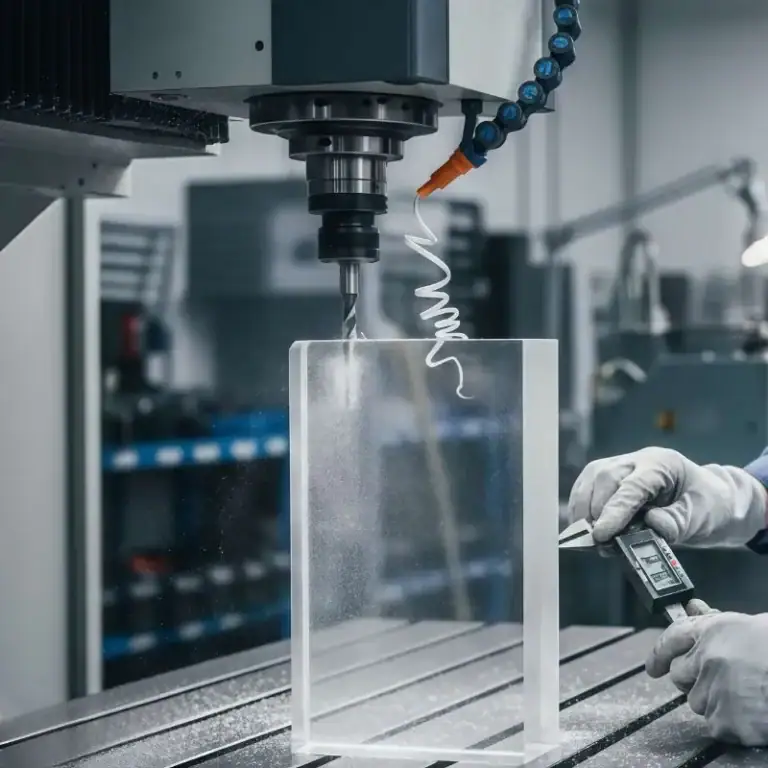
In practical manufacturing, Torlon 4301 PAI is commonly supplied in machinable stock forms and then CNC machined into finished parts. This makes it especially suitable for custom, precision, and lower-volume applications where functional performance is more important than low raw material cost. For many engineering teams, it is a material chosen not just for its category, but for its ability to solve demanding real-world design problems.
Key Properties of Torlon 4301 PAI
Torlon 4301 PAI is valued because it combines mechanical strength, thermal stability, wear resistance, and dimensional stability in one material. This makes it suitable for parts that must keep their shape and function under load, heat, and friction. Rather than relying on one standout property, its value comes from the balance of strength, stiffness, wear performance, and stability under demanding service conditions, which is why it is often chosen for precision machined parts.
Mechanical Properties
Torlon 4301 PAI is known for high strength and stiffness, which makes it suitable for parts that must carry load or resist deformation. In practical applications, this helps components maintain function under pressure, contact stress, and repeated movement. It is one reason the material is often used in wear-related and mechanically demanding assemblies.
Another important advantage is dimensional stability under load. Precision parts made from Torlon 4301 PAI are less likely to deform than many lower-performance plastics when exposed to mechanical stress. This matters in parts such as bushings, valve-related components, and bearing supports, where geometry directly affects fit and performance.
Thermal Properties
Torlon PAI materials are widely recognized for strong performance at elevated temperatures, and Torlon 4301 benefits from that same material family advantage. This makes it useful in parts that operate near heat sources or in environments where thermal stability is important to long-term function.
For machined components, thermal performance matters because loss of stiffness or dimensional movement under heat can quickly affect assembly and wear behavior. Torlon 4301 PAI is often selected when a part must continue performing under thermal stress while still maintaining precision and mechanical reliability.
Wear and Friction Properties
One of the most important reasons to choose Torlon 4301 PAI is its wear resistance. The material is commonly associated with wear-related applications, especially where parts slide, rotate, or operate under continuous contact. This makes it a strong option for bushings, thrust washers, and other motion-related components.
It also offers low-friction performance compared with many standard plastics, which helps reduce surface damage and improve service life in dynamic assemblies. In real use, this means Torlon 4301 PAI can support smoother motion and better durability in friction-sensitive parts where both wear life and dimensional stability matter.
Chemical and Creep Resistance
Torlon 4301 PAI also provides good resistance to many demanding service conditions, including chemical exposure and long-term stress. For engineering parts, this matters because some components must operate not only under load, but also in environments where heat, fluids, or time-dependent deformation can reduce performance.
Its creep resistance is especially valuable in precision applications. When a plastic part must hold shape over time under continuous force, lower-grade materials may slowly deform. Torlon 4301 PAI is often chosen in these situations because it offers more stable long-term performance where geometry retention is critical.
Torlon 4301 PAI Forms
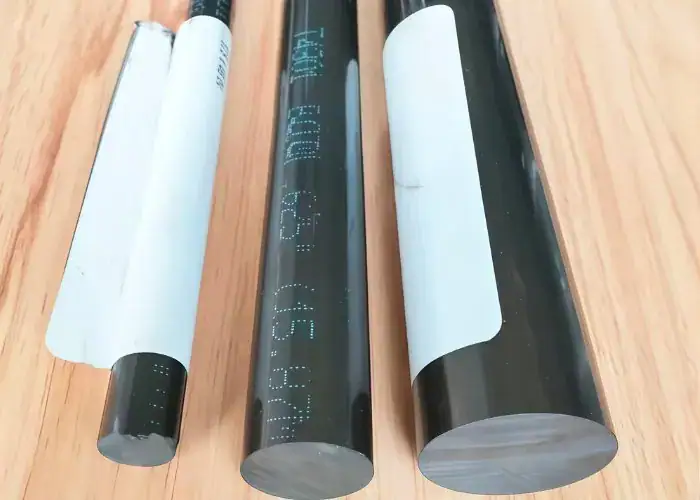
Torlon 4301 PAI is commonly supplied in machinable stock shapes such as rod, sheet or plate, and tube rather than only as finished molded parts. This matters because the starting form directly affects machining cost, waste, efficiency, and overall part strategy. A well-matched stock shape can reduce material removal, shorten machining time, improve cutting stability, and lower scrap cost, which is especially important for a high-value material like Torlon 4301 PAI.
Rod
Rod is one of the most common forms for Torlon 4301 PAI because many typical wear-resistant parts are rotational or ring-shaped. Bushings, sleeves, bearing-related parts, valve seats, and similar components are often machined from rod stock using CNC turning and follow-up operations. This form is especially efficient when the final part has a round outer profile or a turned internal bore.
Using rod stock can help reduce setup complexity for turned parts and usually provides a more direct starting form for cylindrical geometry. In many cases, it also improves material utilization compared with machining the same part from a larger plate or block. For high-cost materials, that difference can be meaningful.
Sheet Materials
Sheet or plate form is commonly used when Torlon 4301 PAI parts need flat surfaces, milled contours, pockets, slots, or structural geometry that is not naturally rotational. This makes plate stock a practical choice for wear plates, support components, custom blocks, semiconductor equipment parts, and many milled custom parts with multiple faces.
Plate stock is especially useful when the finished part must be machined mainly by CNC milling rather than turning. It allows more freedom for prismatic and irregular geometry, although material waste can increase if the part shape is small relative to the starting blank. For this reason, thickness and part nesting should be considered carefully.
Tube
Tube form is useful for Torlon 4301 PAI parts that are hollow, ring-like, or require a central bore from the start. Compared with machining the same geometry from solid rod, tube stock can reduce cutting time and material waste, especially when the final part has a large internal diameter. This can make a significant cost difference in precision machined wear parts.
Tube stock is often a smart choice for rings, sleeves, and other hollow components where the part geometry matches the form closely. When the bore size and wall thickness are well selected, machining becomes more efficient and the amount of removed material can be reduced substantially.
Why Stock Shape Matters for Machining?
For Torlon 4301 PAI, stock shape matters because it affects far more than raw material supply. It influences machining strategy, cycle time, part stability during cutting, waste rate, and total manufacturing cost. A part made from the wrong starting form may still be machinable, but it may require more material removal, more tool time, and a less efficient production route.
In real CNC production, selecting rod, plate, or tube should be based on the part’s geometry, tolerance needs, and most suitable machining process. When stock shape is matched correctly to the final part, Torlon 4301 PAI components can be machined more efficiently, with better material use and more stable overall results.
Why Choose Torlon 4301 PAI?
Torlon 4301 PAI is often chosen for parts that must resist wear, heat, load, and long-term dimensional stress at the same time. Its value comes from offering a stronger overall balance than many other engineering plastics, making it well suited to precision machined components where reliability matters more than low material cost. Because it is also available in machinable stock forms, it fits well into custom CNC workflows for lower-volume, high-value, and performance-critical parts..
Wear Resistance
One of the most important reasons to choose Torlon 4301 PAI is its strong wear resistance. In parts that slide, rotate, or stay in constant contact with another surface, wear behavior has a direct effect on service life and functional stability. Torlon 4301 PAI is often selected because it performs well in this type of environment.
This makes it especially suitable for bushings, bearing-related parts, wear rings, and other motion-related components. When a part must resist friction damage over time while still maintaining critical geometry, Torlon 4301 PAI offers an advantage over many lower-performance plastics.
High-Temperature Strength
Another major reason to choose Torlon 4301 PAI is its ability to retain useful mechanical performance under heat. In many industrial systems, parts do not fail because of one extreme load, but because temperature gradually reduces stiffness, strength, or dimensional control. Torlon 4301 PAI is often used where this kind of thermal challenge matters.
For precision parts near heat sources or inside equipment that operates continuously, high-temperature stability can make a major difference in reliability. A material that performs well at room temperature may not remain accurate enough in service. Torlon 4301 PAI is chosen when heat resistance must work together with wear resistance and mechanical strength.
Dimensional Stability
Dimensional stability is another key reason for selecting Torlon 4301 PAI. In many precision parts, performance depends not only on material strength, but also on the ability to hold size and shape over time. This is especially important in close-tolerance assemblies, moving components, and parts that must align accurately with mating features.
Torlon 4301 PAI is often preferred because it can remain more stable under load and thermal stress than many general engineering plastics. That makes it valuable in applications where small dimensional changes could affect sealing, movement, fit, or long-term consistency.
Metal Replacement Potential
Torlon 4301 PAI is also attractive in applications where a plastic part may replace metal. In the right design, this can help reduce weight, improve wear behavior, lower friction, and eliminate some corrosion concerns. It can also simplify certain part designs when a high-performance polymer is better matched to the operating environment.
This does not mean Torlon 4301 PAI replaces metal in every case. However, when the goal is to balance wear resistance, temperature capability, dimensional stability, and machinability, it can be a strong candidate. That is why it is often considered in advanced engineering applications where standard plastics are not enough and metal may not be the most efficient choice.
Best CNC Machining Processes for Torlon 4301 PAI
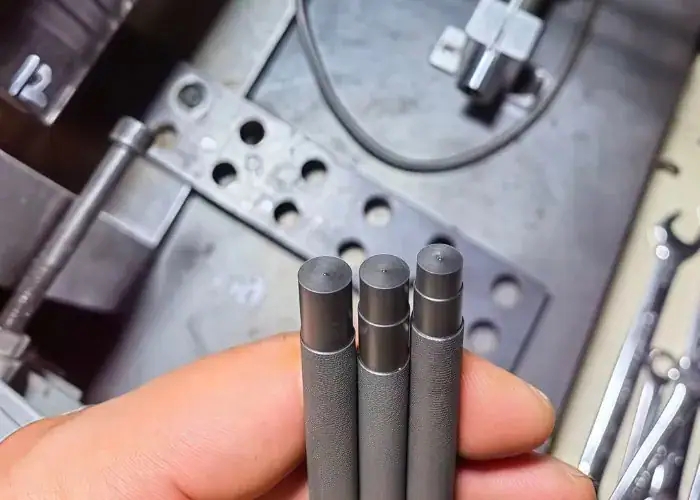
Torlon 4301 PAI is often CNC machined rather than used only as a molded part, especially for custom geometry, lower-volume production, and precision-tolerance components. Because it is commonly supplied as rod, sheet, and tube, it fits well into machining workflows for high-value engineering parts. In practice, the best process depends on the stock form and final geometry, with CNC turning, CNC milling, drilling, tapping, and finishing often combined to achieve the required dimensions, tolerances, and surface quality.
CNC Milling
CNC milling is the best choice when Torlon 4301 PAI parts are made from sheet or plate, or when the part has flat surfaces, pockets, slots, contours, or multi-face geometry. This makes milling suitable for structural wear parts, support components, semiconductor equipment parts, custom blocks, and other precision shapes that are not primarily rotational.
Milling is also important because many Torlon 4301 components combine wear performance with more complex external geometry. Even when a part begins as rod, secondary milling may still be needed for flats, keyways, mounting features, or special profiles. In these cases, milling adds design flexibility while helping the final part meet assembly and functional requirements.
5-Axis CNC Machining for Complex Parts
5-axis CNC machining can be useful for Torlon 4301 PAI when the part has complex geometry that would otherwise require multiple setups. If a component includes angled faces, multi-direction features, or precision geometry that benefits from reduced repositioning, 5-axis machining can improve efficiency and help maintain better overall consistency. This is most relevant for custom high-value parts rather than simple wear rings or basic turned components.
For Torlon 4301 PAI, 5-axis machining is not always necessary, but it becomes a strong option when the part design is complex and setup reduction matters. In those cases, fewer setups can reduce handling error, improve positional accuracy, and make custom machining more efficient for advanced engineering parts.
CNC Turning
CNC turning is one of the best machining processes for Torlon 4301 PAI when the starting material is rod or tube and the part geometry is rotational. Bushings, sleeves, rings, valve seats, bearing-related parts, and wear components are all strong candidates for turning because they typically require controlled diameters, roundness, concentricity, and smooth contact surfaces. Torlon 4301 is commonly used in severe service non-lubricated bearings, seals, bearing cages, and reciprocating compressor parts, which are all applications well matched to turning-based manufacturing.
Turning is especially efficient here because it matches the natural form of rod and tube stock. This can reduce setup complexity, shorten cycle time, and improve material utilization compared with machining the same parts from larger flat stock. For high-cost materials like Torlon 4301 PAI, this matters not only for efficiency, but also for overall part economics.
Drilling and Tapping
Drilling and tapping are useful for Torlon 4301 PAI parts that require mounting holes, threaded features, assembly points, or fluid and air pathways. These operations are often secondary steps after turning or milling, but they are still critical because many engineered parts must integrate directly with screws, fittings, housings, or surrounding assemblies.
For custom machined components, drilling and tapping help convert a simple wear part or structural blank into a finished functional part. This is especially relevant in semiconductor equipment, industrial systems, and precision mechanical assemblies where the part must combine material performance with practical installation features.
Precision Secondary Finishing
Precision secondary finishing becomes important when a Torlon 4301 PAI part needs tighter tolerance control, better surface quality, or improved final geometry after the main machining steps. In practice, many high-performance plastic parts are not defined only by shape. They are also defined by how well the final surface and tolerance support sealing, sliding, positioning, or repeated assembly.
This does not always mean a separate specialized process is required, but it does mean the final machining sequence should be planned carefully. When part function depends on close fit, stable motion, or controlled wear behavior, finishing passes and tolerance-focused machining strategy can make a major difference in final performance.
Common Torlon 4301 PAI Parts
Torlon 4301 PAI is typically selected for functional engineering parts rather than decorative or low-demand plastic components. It is most often used in smaller but highly important parts that must resist wear, hold tight dimensions, and continue performing under load, heat, or friction. Because it combines wear resistance with strong mechanical and thermal performance, Torlon 4301 PAI is commonly found in critical machined components where material failure would directly affect system reliability.
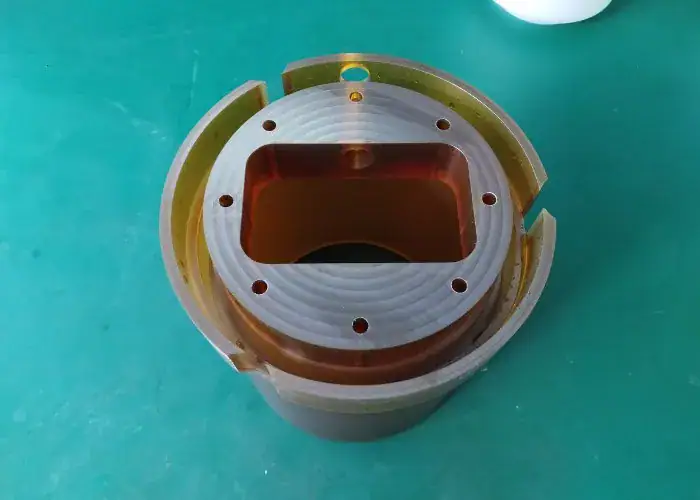
Bushings and Bearings
Bushings and bearing-related parts are among the most common Torlon 4301 PAI applications. These components often operate under friction, repeated motion, and continuous contact, so material wear behavior is critical. Torlon 4301 PAI is well suited to these parts because it offers good wear resistance, dimensional stability, and low-friction performance in demanding service conditions.
For machined parts, this means bushings and similar components can maintain their geometry longer and perform more reliably under load. In systems where smooth motion and predictable wear are important, Torlon 4301 PAI is often a more suitable option than lower-performance engineering plastics.
Seals and Valve Seats
Seals and valve seats are also common Torlon 4301 PAI parts, especially in applications where contact quality, dimensional control, and resistance to wear all matter at the same time. These parts may not always be highly visible, but they are often critical to the functional performance of the assembly.
Torlon 4301 PAI is attractive here because a sealing or seating surface must often hold shape under pressure while resisting friction and long-term deformation. When these parts are machined correctly, the material can support better durability and more stable service behavior in demanding mechanical systems.
Wear Rings and Compressor Parts
Wear rings and compressor-related parts are typical examples of Torlon 4301 PAI in severe service environments. These components often work in systems where friction, heat, and motion interact continuously, so both wear resistance and stability become essential. Torlon 4301 PAI is often chosen because it can handle these conditions better than many conventional plastics.
This type of application shows why Torlon 4301 PAI is considered a high-performance engineering material rather than a general-purpose one. When a part must continue functioning in equipment that runs under sustained mechanical demand, the material’s resistance to wear and creep can directly support service life.
Bearing Cages and Thrust Washers
Bearing cages and thrust washers are other common Torlon 4301 PAI parts because they depend heavily on dimensional stability, load performance, and controlled contact behavior. These are not large components, but they can have a major effect on the reliability of the larger system in which they operate.
For these parts, material performance is often more important than low raw material cost. When the application demands stable movement, reduced wear, and long-term geometry retention, Torlon 4301 PAI becomes a strong candidate for machined bearing support components and related wear parts.
Torlon 4301 PAI Applications by Industry
Torlon 4301 PAI is used in industries where parts must resist wear, heat, load, and dimensional stress at the same time. It is typically chosen for critical components rather than low-demand plastic parts because friction behavior, stability, and long-term performance directly affect equipment reliability. Its strong wear resistance, high-temperature strength, dimensional stability, and good machinability make it especially suitable for demanding CNC machined parts in industries such as aerospace, automotive, semiconductor, oil and gas, and electronics.
Semiconductor Equipment
Semiconductor equipment is a strong application area for Torlon 4301 PAI because the material offers dimensional stability, good wear behavior, and electrical insulating performance. In semiconductor systems, parts often work inside precision mechanical assemblies where motion control, contact quality, and long-term dimensional consistency are important. The Torlon PAI family is used in semiconductor fabrication and testing, which makes this one of the most relevant markets for machined 4301 parts.
For CNC machined components, this can include precision wear parts, insulative support parts, and custom components that must perform in controlled, high-value equipment. When a part must combine mechanical performance with stable long-term behavior, Torlon 4301 PAI becomes a practical material choice.
Aerospace
Aerospace is another important industry for Torlon materials because aircraft and related systems often require lightweight parts with high temperature resistance, dimensional stability, and reliable wear performance. Syensqo lists aircraft hardware and fasteners among typical Torlon PAI applications, and its aerospace application pages show how the material family is used where structural reliability and thermal performance both matter.
In this industry, Torlon 4301 PAI is especially relevant for secondary mechanical parts, wear components, and non-metallic engineered details where the combination of low friction, stability, and machining precision creates value. When metal replacement is possible without sacrificing function, a high-performance material like Torlon 4301 PAI can offer practical advantages.
Automotive and Transmission Systems
Automotive and transmission systems are among the core market areas for Torlon PAI. The official Torlon brand pages specifically mention automotive transmission and powertrain components, and this is a natural fit for Torlon 4301 because these systems often involve motion, heat, friction, and long service life.
For machined parts, Torlon 4301 PAI can be relevant to wear-related parts such as bushings, thrust washers, seals, and other motion-supporting components where controlled friction and dimensional retention are important. In these environments, the material’s wear resistance and stability can support both performance and durability in ways that lower-grade plastics may not.
Oil and Gas
Oil and gas is a demanding market for any engineering material because components often operate under pressure, heat, chemicals, and friction at the same time. Syensqo specifically names oil and gas exploration and recovery equipment as a Torlon PAI application area, which aligns well with the performance profile of Torlon 4301 PAI.
In practical terms, Torlon 4301 PAI is relevant for valve seats, seals, wear parts, and compressor-related components used in harsh service environments. These parts may need to resist not only wear, but also creep and dimensional loss under sustained load. That combination is one reason high-performance wear grades like 4301 are considered in this industry.
Industrial Equipment
Industrial equipment is one of the most natural application areas for Torlon 4301 PAI because the material is well suited to high-wear, mechanically demanding parts that do not need to be mass-produced in very large volumes. Many industrial systems use custom or semi-custom precision components where friction, geometry retention, and service life are more important than raw material price alone.
Common examples include bushings, wear rings, seals, compressor components, and bearing-support parts used in mechanical assemblies. Since Torlon 4301 PAI is often supplied as rod, sheet, and tube for machining, it fits well into CNC-based industrial part production workflows.
Electrical and Electronics
Torlon PAI materials are also used in electrical and electronics applications, and the official brand pages specifically mention electrical and electronic components. The material family’s electrical insulating behavior and high-temperature capability make it relevant in selected applications where standard engineering plastics may not provide enough thermal or mechanical performance.
For Torlon 4301 PAI, this can translate into machined support parts, insulative precision components, and wear-related electronic assembly parts where both dimensional stability and functional reliability matter. This is especially valuable when the component must operate in compact systems with heat, motion, or repeated mechanical contact.
Medical Devices
Medical devices can also benefit from Torlon 4301 PAI in selected applications where wear resistance, dimensional stability, and reliable performance under repeated motion are important. Although it is not a general-purpose medical plastic for every component, it can be a strong option for precision mechanical parts used in demanding equipment where friction, load, and long-term stability must be controlled carefully.
For CNC machined components, this may include wear-related support parts, bearing-related components, insulating parts, and other precision details used in specialized medical equipment. When a component must combine stable geometry with reliable mechanical performance, Torlon 4301 PAI can offer clear value in high-demand medical device assemblies.
Torlon 4301 PAI vs Other High-Performance Plastics
Torlon 4301 PAI is rarely evaluated alone in real engineering decisions. It is usually compared with other high-performance plastics such as PEEK, PI, and PPS because each material offers a different balance of wear resistance, temperature capability, dimensional stability, machinability, and cost. For CNC-machined precision parts, the best choice depends less on reputation and more on which material fits the actual working condition, part geometry, and long-term performance target.
| Material Comparison | Key Strengths | Best Fit Applications | Main Difference vs Torlon 4301 PAI |
| Torlon 4301 PAI | Excellent wear resistance, high strength, dimensional stability, good high-temperature performance | Bushings, valve seats, bearing parts, wear rings, thrust washers | Best when wear, load, heat, and long-term geometry retention all matter |
| PEEK | Strong chemical resistance, good mechanical performance, broad industry acceptance | Medical parts, semiconductor parts, aerospace parts, precision housings | Better known as a general high-end engineering plastic, but often less wear-focused than Torlon 4301 PAI |
| PI | Very high heat resistance, strong performance in extreme environments | Extreme thermal applications, specialized high-end engineering parts | More focused on extreme heat capability, while Torlon 4301 PAI is often more directly suited to wear-related machined parts |
| PPS | Good chemical resistance, dimensional stability, lower relative cost | Industrial parts, electrical parts, moderate-demand components | More cost-friendly for less severe conditions, while Torlon 4301 PAI is better for higher wear, load, and thermal stress |
FAQs
Why does stock shape matter when machining Torlon 4301 PAI?
Stock shape matters because it affects machining efficiency, material waste, setup time, and overall part cost. If a part starts from rod, tube, or plate that already matches its geometry, less material needs to be removed and machining becomes more efficient. For a high-cost material like Torlon 4301 PAI, choosing the right stock form can make a clear difference in both manufacturing cost and machining stability.
Does Torlon 4301 PAI need secondary finishing after machining?
Not every Torlon 4301 PAI part requires secondary finishing, but some parts do need additional finishing passes when tighter tolerances, smoother surfaces, or more precise final geometry are required. This is especially important for wear parts, sealing surfaces, and close-fit components where surface quality and dimensional accuracy directly affect performance.
Can Torlon 4301 PAI be machined with 5-axis CNC machining?
Yes, Torlon 4301 PAI can be machined with 5-axis CNC machining when the part has complex geometry, angled features, or multiple machining directions. 5-axis machining is not always necessary for simple parts, but it can be very useful for reducing setups, improving positional accuracy, and increasing efficiency on custom high-precision components.
Can Torlon 4301 PAI replace metal in wear applications?
In some applications, yes. Torlon 4301 PAI can replace metal when the part needs wear resistance, dimensional stability, lower friction, and reduced weight. However, it is not a universal metal replacement. The final choice depends on load, temperature, geometry, and service conditions. It is most effective when its material advantages match the real engineering demands of the part.
Conclusion
Torlon 4301 PAI is a high-performance wear-resistant material used for parts that require strength, dimensional stability, and reliable performance under heat, friction, and load. Understanding its properties, material forms, suitable CNC machining processes, and typical applications helps engineers choose the right material and manufacturing method for demanding precision parts.
At TiRapid, we provide precision CNC machining and manufacturing services for custom metal parts, welded assemblies, and industrial components for industries such as automotive, robotics, and industrial equipment.