Micro gears are critical to modern compact systems, where space is limited but precision cannot be compromised. Micro gear manufacturing focuses on producing miniature gears with micron-level accuracy to ensure reliable motion, power transfer, and long-term performance in advanced applications.
What Are Micro and Mini Gears?
Micro and mini gears are ultra-small mechanical components designed to transmit motion and torque in extremely compact systems. As products continue to shrink and precision demands rise, precision gear manufacturing, supported by advanced micromachining technologies, plays a critical role in enabling reliable micro-scale power transmission.
Micro and mini gears are gears with diameters typically ranging from a few millimeters down to several hundred microns. Functionally, they operate on the same principles as conventional gears—transmitting torque, controlling speed, and converting motion—but at a much smaller scale where tolerances become exponentially tighter.
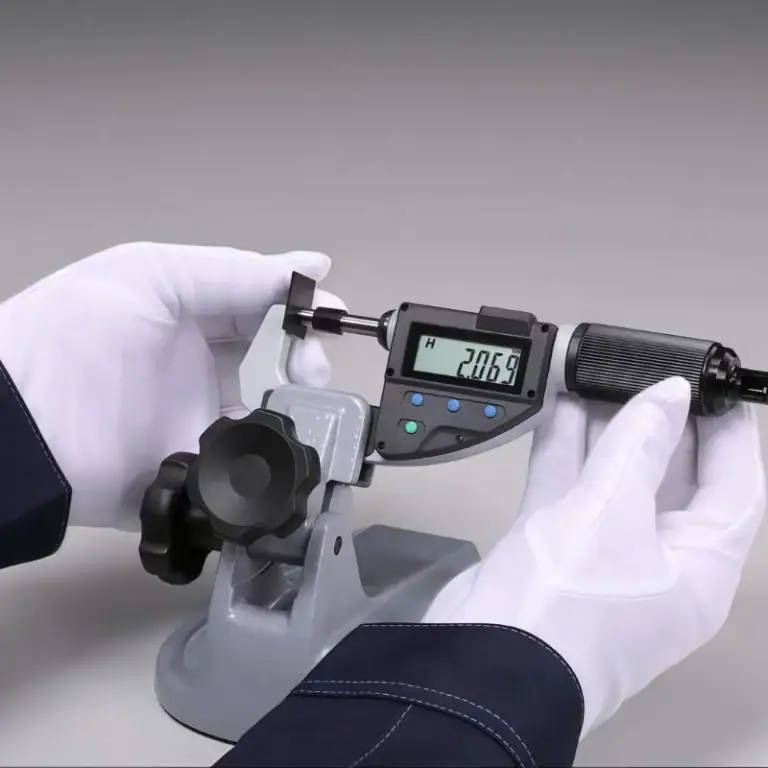
From an engineering perspective, even a 5–10µm deviation in tooth profile can cause noise, backlash, or premature wear. In projects I’ve worked on for micro actuators and medical mechanisms, micro gears often require tolerances within ±5–10µm to maintain smooth motion and repeatable positioning.
These gears are widely used in robotics joints, surgical instruments, dental devices, camera modules, printers, and compact EV actuators. What makes micro and mini gears unique is not their size alone, but their requirement for extreme precision, surface integrity, and long-term durability in space-constrained environments.
What Micro Gears Do in Compact Systems
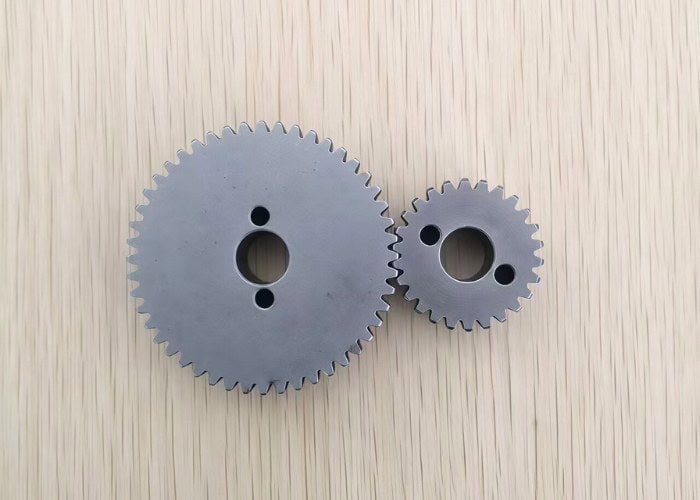
Micro gears are the mechanical backbone of compact systems, enabling precise motion, controlled torque, and long-term reliability in devices where every millimeter matters.
Compact systems demand components that deliver high performance in minimal space, and micro gears are essential to achieving that balance. They convert motor output into controlled motion while maintaining efficiency and repeatability.
From a manufacturing perspective, the challenge lies in holding tight tolerances on tooth form, pitch, and surface roughness. A surface roughness improvement from Ra1.6µm to Ra0.8µm can reduce friction losses by over 15% in micro gear trains.
In my experience, companies that treat micro gears as critical precision parts—not standard components—achieve better system stability and lower failure rates. Choosing the right manufacturing partner is just as important as selecting the gear design itself.
Micro Gear Manufacturing Methods and Process Routes
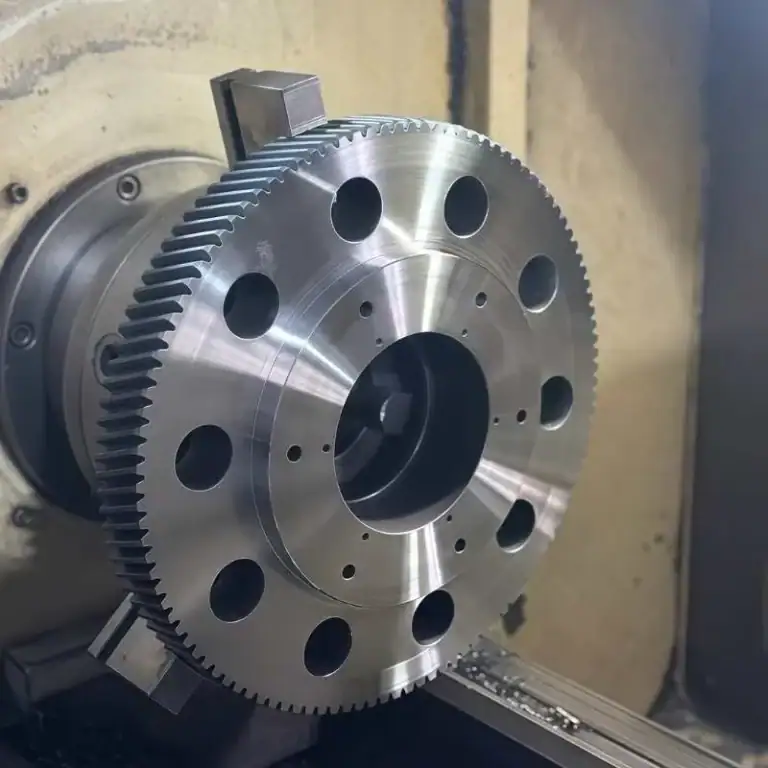
Micro gear manufacturing requires highly specialized processes that go far beyond conventional gear cutting. At sub-millimeter scale, tool control, material behavior, and system rigidity define whether a micro gear will function—or fail.
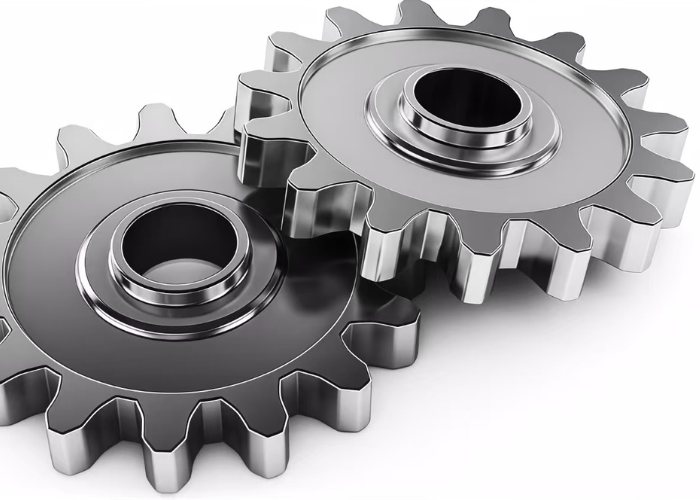
Micro gears cannot be produced using standard gear-cutting methods alone. As gear modules drop below m0.1 and diameters reach hundreds of microns, manufacturing shifts from traditional machining to a combination of micro-scale processes.
Micro CNC machining is one of the most flexible routes. Using ultra-small tools down to 0.1mm and spindle speeds exceeding 50,000 rpm, it enables accurate tooth profiles in metals such as stainless steel, brass, and aluminum. In my experience, micro CNC is ideal for low-to-medium volumes and tight tolerance control.
For extreme miniaturization, LIGA and UV-LIGA processes dominate. By combining lithography, electroforming, and molding, gears as small as 700µm in diameter can be produced with excellent repeatability. These methods are widely used in medical and micro-drive applications.
Micro-EDM is selected when materials become too hard or brittle for cutting. It allows precise tooth formation in tool steels or tungsten alloys, though throughput is limited.
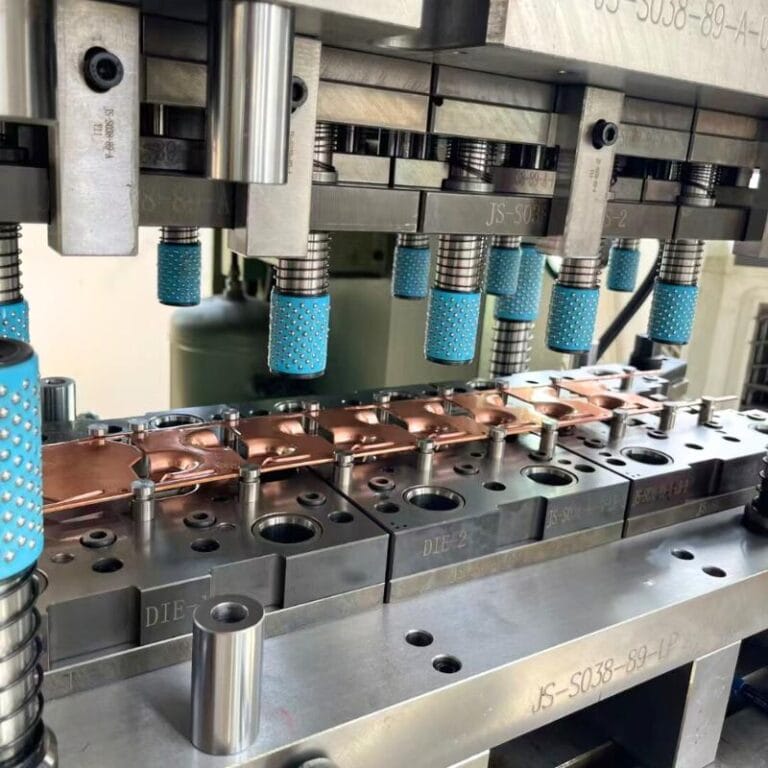
For high-volume, low-load applications, injection-molded plastic micro gears offer cost efficiency. Advances in mold-making, electroforming inserts, and material science have pushed achievable accuracy much higher than before.
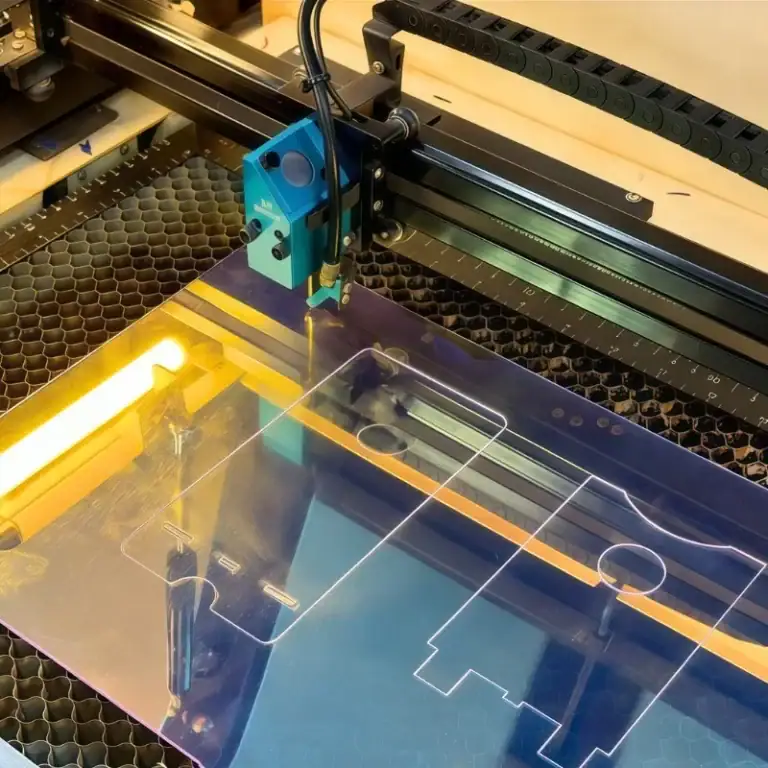
Other routes such as metal sintering, photoetching, and laser processing fill niche roles, especially where internal gears, thin profiles, or rapid prototyping are required.
In real micro gear systems—such as micro reducers paired with high-speed micro motors—even micron-level deviations in tooth geometry can drastically reduce transmission efficiency. That’s why selecting the right process route is as critical as the gear design itself.
Materials Used in Micro Gears
Material selection is critical in micro gear manufacturing. At micron scale, wear behavior, friction, and manufacturability often matter more than bulk strength. Choosing the right metal, polymer, or surface treatment directly determines gear life and precision.
In micro gear applications, material performance is amplified by scale. As gear modules drop below m0.1, surface contact and wear dominate system behavior, making material choice a core engineering decision.
Hardened Steels
Hardened alloy steels are widely used for load-bearing micro gears due to their high strength and fatigue resistance. With surface hardness exceeding 55–60 HRC after carburizing or laser hardening, steel micro gears maintain tooth integrity under repeated micro-load cycles. In my experience, steel is preferred when torque density and long-term durability are critical.
Brass Alloys
Brass offers excellent machinability and stable meshing behavior. It is commonly used in low-to-medium load micro gear systems where smooth operation, corrosion resistance, and reduced noise are required. Brass gears also reduce tool wear during micro CNC machining.
Nickel and Nickel-Based Alloys
Nickel alloys are widely used in UV-LIGA processes due to their high wear resistance and dimensional stability at sub-millimeter scale. These materials enable gear diameters below 1 mm with excellent repeatability, making them ideal for medical and micro-drive applications.
High-Performance Engineering Plastics
Advanced polymers such as iglidur provide low friction, self-lubrication, and noise reduction. These materials are well suited for lubrication-free micro gear systems in consumer electronics and compact actuators, especially where weight reduction is critical.
Titanium Alloys
Titanium is occasionally selected for applications requiring a high strength-to-weight ratio, such as aerospace or medical micro devices. However, poor thermal conductivity and machining difficulty significantly increase manufacturing cost at micro scale.
Silicon
In MEMS devices, silicon allows micro gears to be directly integrated into micro-fabricated systems. While extremely precise, silicon gears are brittle and limited to very low-load environments.
To extend service life, surface treatments such as PVD coatings, carburizing, and laser hardening are often applied. These treatments can improve wear resistance by over 30% without increasing gear mass—an essential advantage in compact systems.
Applications of Micro Gears
Micro gears play a critical role in systems where space is limited but precision cannot be compromised. Their ability to transmit motion accurately at miniature scale makes them essential across advanced industries.
Medical Devices and Micro Pumps
In medical equipment such as insulin pumps, drug delivery systems, and micro-fluidic pumps, micro gears regulate extremely small and repeatable flow rates. From my experience, even a few microns of positional error can directly affect dosage accuracy, making gear precision non-negotiable.
MEMS and Micro-Electro-Mechanical Systems
Micro gears function as motion and actuation elements inside MEMS devices, supporting components like micro-mirrors, accelerometers, and sensors. Their miniature size allows mechanical motion to be integrated directly into silicon-based systems.
Precision Robotics and Micro Actuators
Micro robots, fine robotic joints, and compact actuators rely on micro gears for smooth torque transmission and accurate positioning. High gear ratios in limited space enable controlled motion even with very small motors.
Consumer Electronics
In cameras, smart wearables, printers, and watches, micro gears support zoom mechanisms, focusing systems, and timing functions. These applications demand low noise, stable meshing, and long service life despite continuous operation.
Automotive and E-Mobility Systems
Modern vehicles, especially EVs, use micro gears in sensors, miniature actuators, and electronic control modules. Their role is often invisible, but they are essential for precise signal control and mechanical response.
Aerospace and High-Tech Gearboxes
In aerospace and high-end instrumentation, micro gears are used in ultra-miniature gearboxes for control surfaces and positioning systems. Here, reliability under extreme conditions is just as important as accuracy.
Across all these industries, the success of micro gears depends on selecting the right material, manufacturing method, and surface treatment to match the application’s load, speed, and environment.
Advantages and Limitations of Micro Gears
Micro gears enable ultra-compact, high-precision motion in modern devices, but their benefits come with strict design, manufacturing, and assembly challenges. The table below compares the key advantages and limitations engineers must evaluate when selecting micro gears.
| Aspect | Advantages of Micro Gears | Limitations of Micro Gears |
| Space Efficiency | Shrink gear-driven mechanisms by 50–80%, enabling compact and lightweight system design | Extremely limited space magnifies tolerance stack-up and design errors |
| Motion Precision | Enable highly accurate torque and speed control, often within ±5–10µm | Minor tooth profile or backlash errors can cause noise, vibration, or failure |
| Inertia & Response | Low mass reduces inertia, improving response time and energy efficiency | Reduced mass limits load capacity if material selection is incorrect |
| Durability & Wear | Proper materials and coatings deliver long service life in micro-mechanical systems | Surface roughness and misalignment accelerate wear at micro scale |
| Integration Capability | Easily integrated into complex gear trains to perform sophisticated motion | Handling, alignment, and fixation are extremely difficult at small scales |
| Manufacturing Scalability | Processes like UV-LIGA and micro-EDM support batch production and lower unit cost | Requires specialized equipment and modified processes beyond standard gear cutting |
| Material Flexibility | Can be made from steel, brass, polymers, or advanced alloys | Balancing strength, machinability, and size is technically challenging |
| Lubrication & Efficiency | Low inertia improves overall transmission efficiency | Conventional lubricants are unsuitable, micro-scale lubrication is difficult |
| Cost Structure | Economical at scale with stable processes and volume production | High initial cost due to precision tooling, inspection, and process control |
Solutions and Best Practices for Small Gears
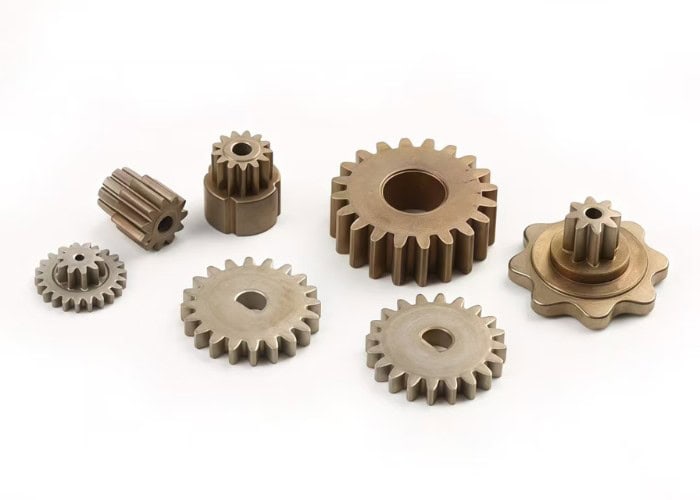
Manufacturing small and micro gears presents unique challenges in accuracy, wear, assembly, and durability. The right combination of process, material, and design strategy is essential to achieve reliable performance at miniature scale.
Advanced Manufacturing Methods
High-precision processes such as micro-hobbing, micro-milling, precision grinding, and wire EDM are critical for producing small gears with micron-level tolerances. CNC machining ensures repeatability and tight tooth geometry control, while additive manufacturing is increasingly used for complex prototypes and design validation.
Optimal Material and Surface Selection
Material choice directly affects wear resistance and fatigue life. Hardened steels, brass alloys, and engineered plastics are commonly used depending on load and speed requirements. Surface treatments such as PVD coatings, carburizing, and laser hardening significantly improve durability without adding bulk or weight.
Precision Micro-Assembly Techniques
As gear size decreases, assembly accuracy becomes as important as machining accuracy. Robotic handling, vision-guided alignment, and automated inspection systems reduce human error and improve repeatability. In high-volume applications, pre-assembled gear modules are often used to simplify system integration.
Innovative Lubrication Solutions
Traditional lubrication methods are often unsuitable for small gears. Thin-film lubricants, dry-film coatings, and specialized micro-oils reduce friction while avoiding leakage or drag. Proper lubrication selection can extend service life by over 30% in continuous-motion applications.
Design Optimization and Simulation
Modern CAD and simulation tools allow engineers to predict gear behavior before production. By simulating tooth profiles, backlash, load distribution, and contact stress, designers can optimize geometry for strength, efficiency, and longevity—reducing costly trial-and-error during manufacturing.
When these best practices are combined, small gears can achieve the same reliability and performance expected from larger gear systems.
Future Trends of Micro & Mini Gears
Micro and mini gears are becoming critical components in next-generation robotics, EVs, and medical devices. Advancing manufacturing technologies are reshaping how these ultra-small gears are designed, produced, and applied worldwide.
Digital-Driven Manufacturing and Automation
Manufacturers are increasingly investing in advanced CNC machining, CAD/CAM integration, and in-process inspection systems. High-speed micro machining combined with real-time monitoring enables consistent micron-level tolerances, even in large production runs.
Rising Demand from Robotics and EV Systems
Compact actuators, micro reducers, and sensor mechanisms in robotics and electric vehicles rely heavily on micro gears with high transmission ratios. As EV platforms and automation systems continue to shrink while increasing performance, micro gear precision becomes a core differentiator.
Medical and Life-Science Applications Expansion
Micro gears are playing a growing role in drug delivery systems, surgical tools, and diagnostic equipment. In these applications, reliability and repeatability are more critical than raw load capacity. This pushes manufacturers toward tighter quality control and biocompatible materials.
Advanced Materials and Surface Engineering
Future micro gears will increasingly use engineered alloys, ceramics, and high-performance polymers combined with surface treatments such as PVD, DLC, and laser hardening. These technologies extend service life without increasing gear size or weight.
Hybrid Manufacturing and Rapid Iteration
Additive manufacturing and micro-fabrication techniques are becoming valuable for rapid prototyping and design validation. Hybrid workflows—printing near-net shapes followed by precision CNC finishing—shorten development cycles and reduce time to market.
Overall, the future of micro and mini gears is defined by smarter manufacturing, higher precision, and closer integration with advanced mechanical systems.
FAQs
What Is Micro Gear Manufacturing And How Is It Different From Standard Gear Production?
Micro gear manufacturing refers to producing gears typically below module 0.2 or diameters under 10mm, with tolerances often within ±5–10μm. From my experience, the key difference lies in scale sensitivity. At micro size, tool runout, thermal drift, and material grain structure directly affect tooth accuracy. Unlike standard gears, micro gears require specialized CNC micro-machining, micro-hobbing, or LIGA-based processes to maintain profile integrity and repeatability.
What Tolerances Can Be Achieved In Micro Gear Manufacturing?
In micro gear manufacturing, I typically achieve tolerances between ±2μm and ±10μm, depending on material, module size, and process route. For high-end applications such as medical devices or micro robotics, profile accuracy and pitch deviation are often controlled within ISO Grade 6–8. Achieving this level of precision requires high-speed spindles, rigid fixturing, in-process inspection, and strict thermal control throughout the machining cycle.
What Industries Rely Most On Micro Gear Manufacturing Today?
Micro gear manufacturing is critical in industries where compact motion control is required. I most often see demand from medical devices, robotics, precision electronics, automotive actuators, and aerospace mechanisms. For instance, micro gears are widely used in insulin pumps, micro reducers, camera modules, and robotic joints. As systems continue to miniaturize, these industries increasingly rely on micro gears to deliver accuracy, reliability, and long-term performance.
Conclusion
Micro gear manufacturing demands micron-level accuracy, where even 5–10µm deviations affect performance and reliability. As micro gears power medical, robotic, and electronic systems, precision and process control are critical.
From gear prototyping to stable mass production, TiRapid has supported numerous engineering projects. Whether CNC machining or tooling manufacturing, we help turn your designs into production-ready parts with confidence.