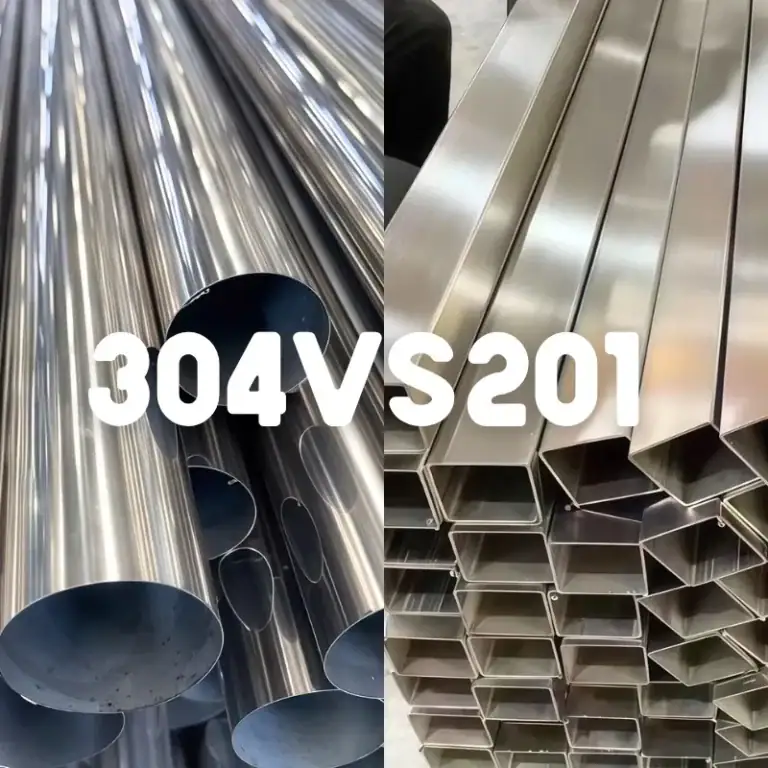
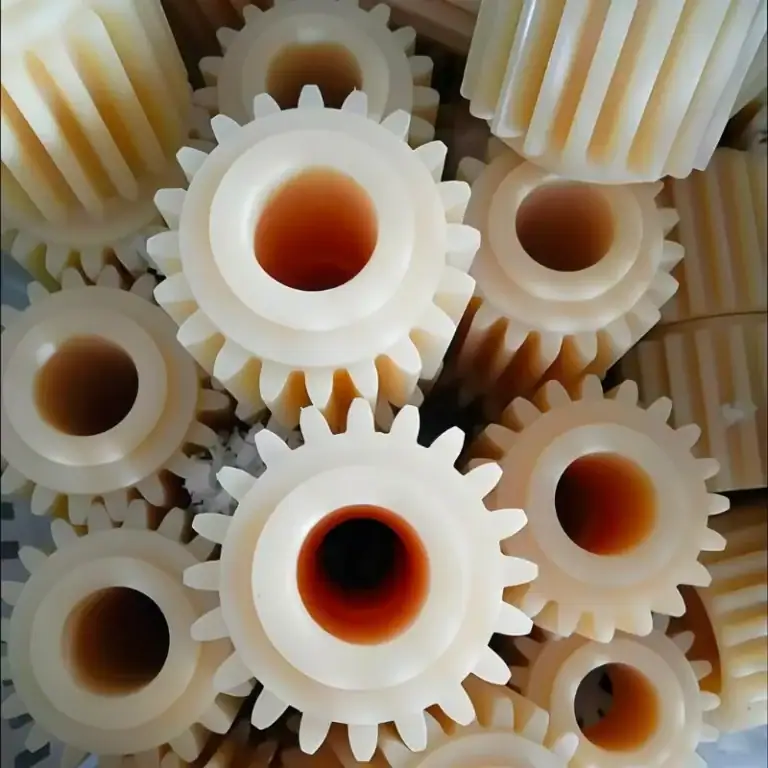
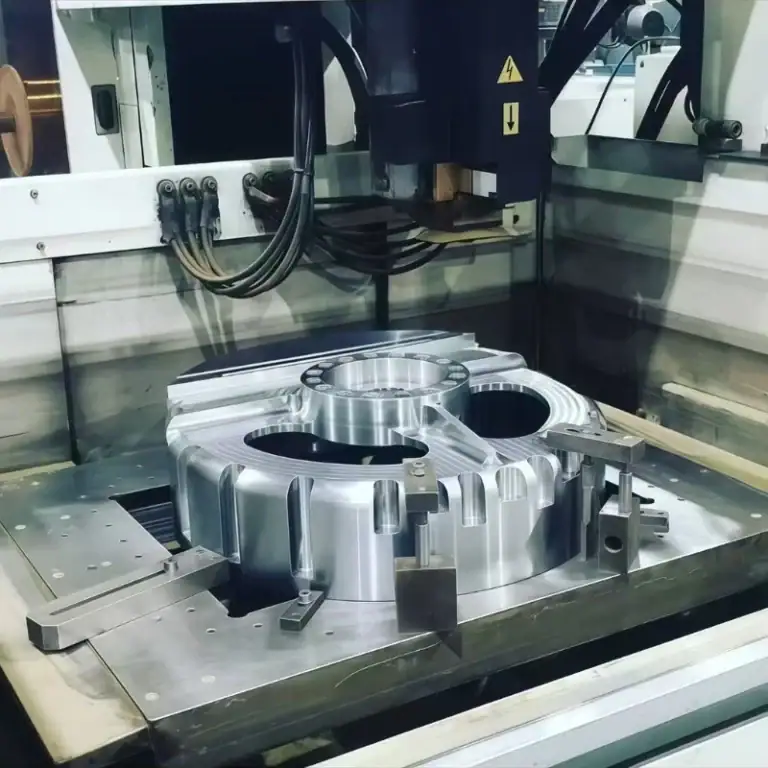
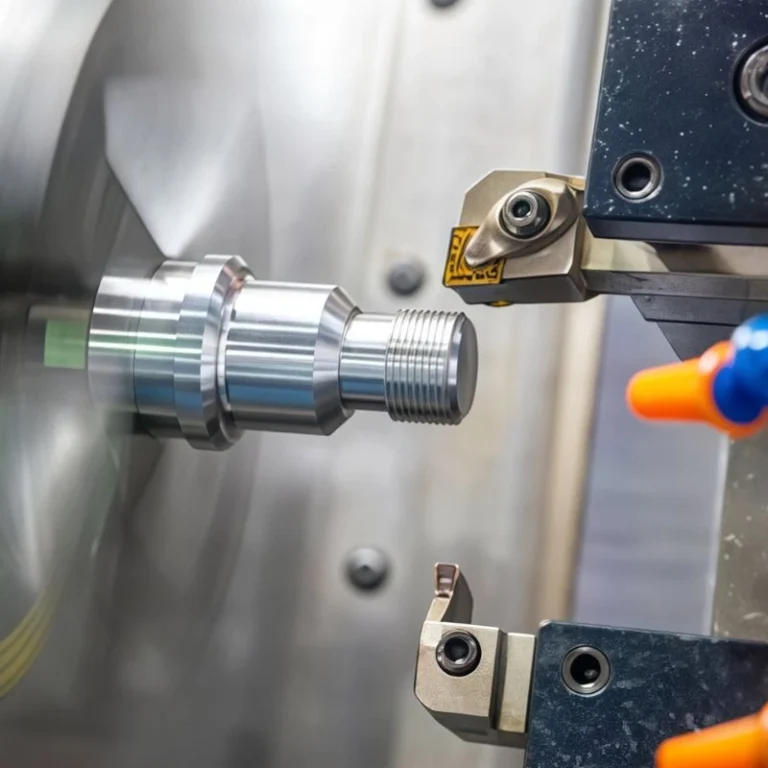
Metal prototyping allows engineers and buyers to test performance, fit, and durability before production. This guide breaks down key manufacturing methods, material options, and cost factors to help you choose the most efficient path to production-ready parts.
What Is a Metal Prototype?
A metal prototype is a physical part made from metal to validate design, function, and manufacturability before mass production. It helps engineers identify risks early, reduce redesign costs, and ensure real-world performance.
From an engineering standpoint, a metal prototype is the most reliable way to test whether a design truly works beyond CAD models. Unlike plastic prototypes, metal prototypes are produced using processes such as CNC machining, sheet metal forming, or casting, and closely replicate the mechanical properties of final production parts.
In real projects I’ve worked on, metal prototypes are often used to verify fit, clearances, and load-bearing performance. Even small design changes—such as wall thickness or hole position—are commonly discovered only after physical testing. Studies show that up to 70% of design refinements happen after the first functional prototype is evaluated.
Metal prototypes are not limited to late-stage development. They are also valuable in early phases when functional strength, thermal resistance, or surface finish is critical. By testing these factors early, manufacturers can significantly reduce tooling risks and downstream production costs.
Why Use Metal Prototypes Instead of Plastic?
Metal prototypes are used instead of plastic when real mechanical performance, durability, and manufacturability must be validated. They provide more accurate insights into how a part will behave in real operating conditions.
Plastic prototypes are often sufficient for early visual checks or basic form validation, especially when strength, conductivity, or heat resistance are not critical. However, once a prototype must perform a functional role, plastic quickly reaches its limits.
Metal prototypes allow engineers to evaluate structural strength, thermal behavior, wear resistance, and electrical or magnetic properties—factors that plastics cannot reliably replicate. In functional and pre-production prototypes, even small differences in stiffness or heat dissipation can significantly affect performance.
In my experience, designs validated only with plastic prototypes often require redesign once transitioned to metal. By prototyping directly in metal, engineers reduce uncertainty, validate tolerances earlier, and avoid costly late-stage design changes.
Benefits of Metal Prototypes
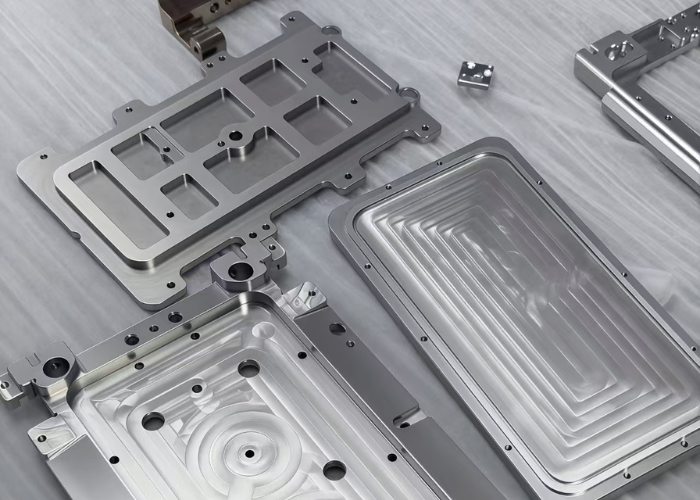
Metal prototypes provide a more realistic way to validate mechanical performance, tolerances, and functionality before production. When accuracy matters, metal delivers insights plastic simply cannot.
One of the biggest benefits of metal prototypes is their ability to replicate real-world performance. Compared with plastic, metals offer higher strength, stiffness, thermal stability, and fatigue resistance, allowing engineers to conduct meaningful load, vibration, and durability testing.
Testing accuracy also improves significantly. When the prototype material matches the final production material, results such as deformation, heat dissipation, and wear behavior closely reflect actual use conditions. In my experience, this reduces redesign cycles and shortens time to production.
Metal prototypes also support tighter tolerances and superior surface finishes, making them ideal for fit, assembly, and tolerance stack-up validation. This accuracy enables a smoother transition from prototype to mass production with fewer surprises.
Metal Prototype Manufacturing Processes
Metal prototype manufacturing includes several proven processes, each suited to different design goals, budgets, and timelines. Understanding how CNC machining, metal 3D printing, sheet metal, and die casting work helps engineers choose the most efficient path from prototype to production.
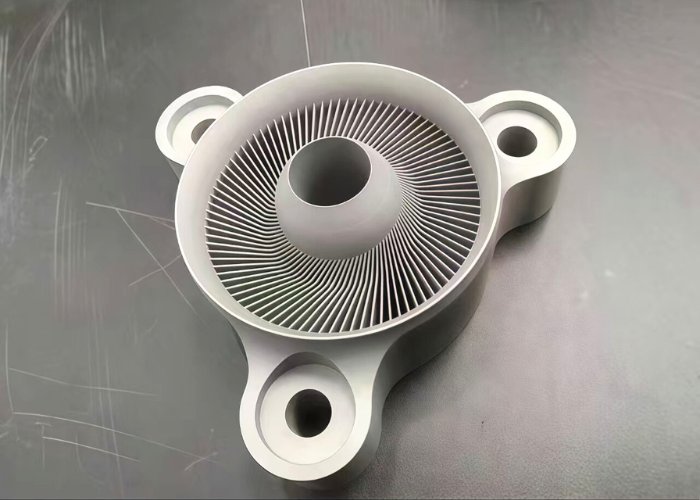
From an engineering standpoint, metal prototype manufacturing is not a one-size-fits-all decision. Each process offers a different balance of accuracy, strength, cost, and scalability.
CNC Machined Metal Prototypes
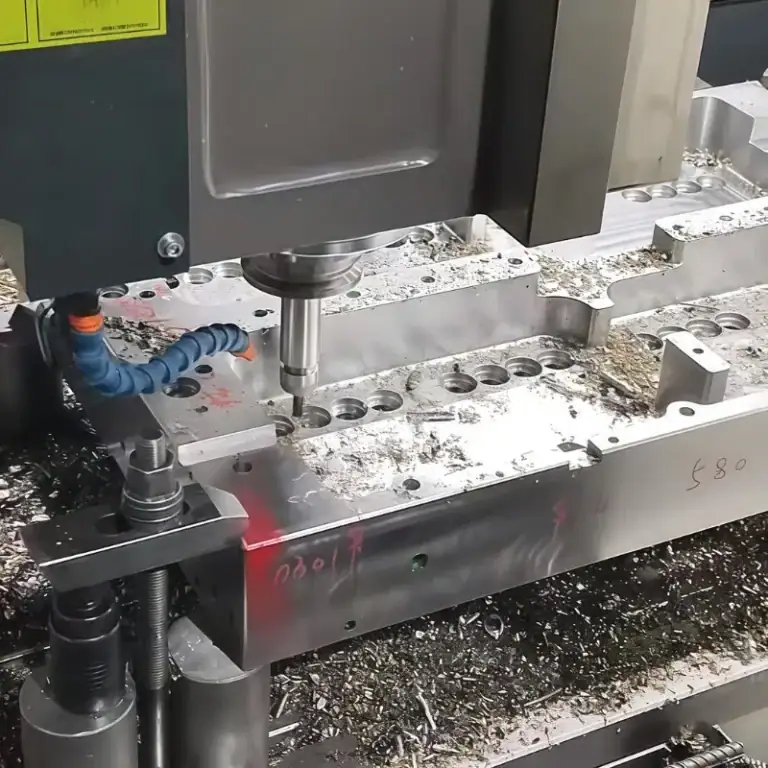
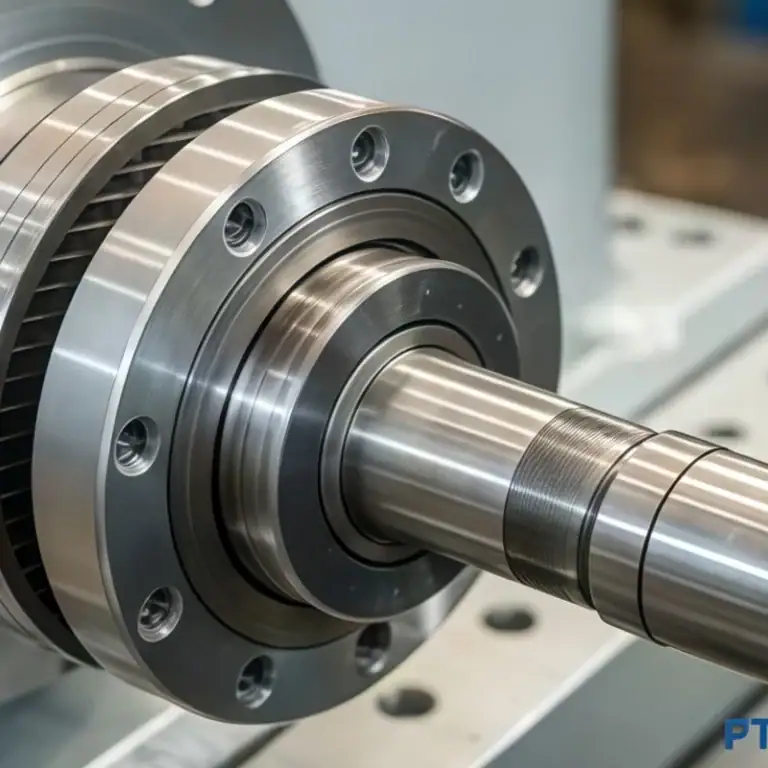
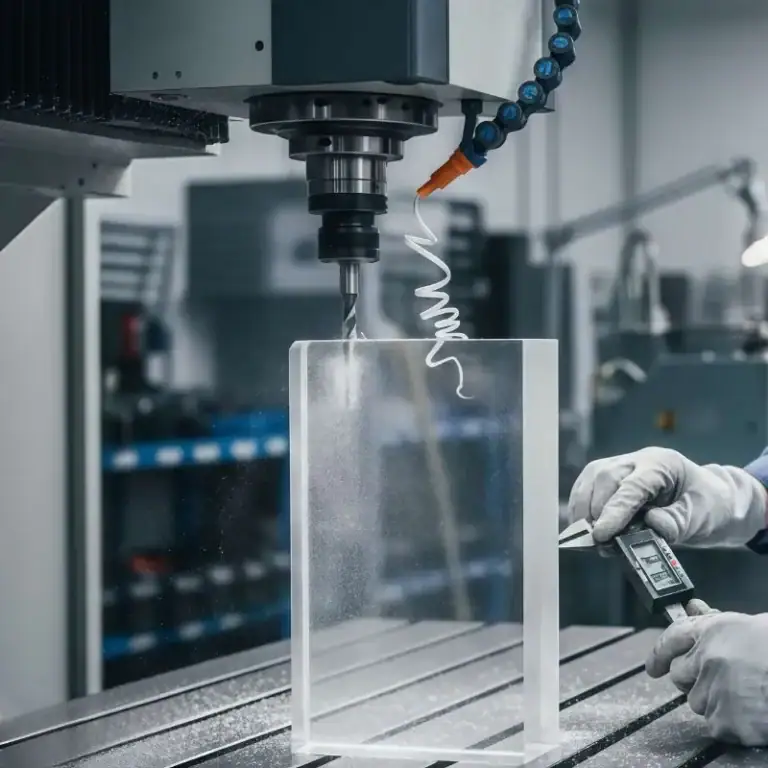
CNC machining remains the most reliable method for functional metal prototypes. Using CNC milling and turning, tolerances as tight as ±0.01mm are achievable across aluminum, stainless steel, titanium, and other alloys. In my experience, CNC machining is ideal when fit, load, and manufacturability must closely match final production parts.
Metal 3D Printed Prototypes (DMLS/SLM)
Metal 3D printing enables complex internal channels, lattice structures, and lightweight geometries. While design freedom is unmatched, surface finishing and dimensional consistency often require secondary machining. This method is best suited for early functional testing or highly complex designs.
Sheet Metal Prototypes
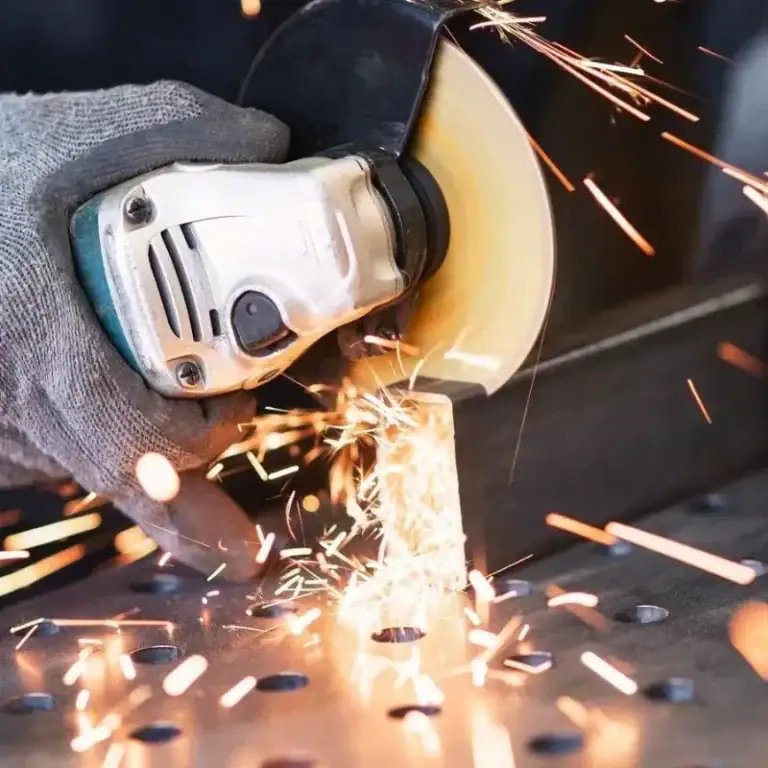
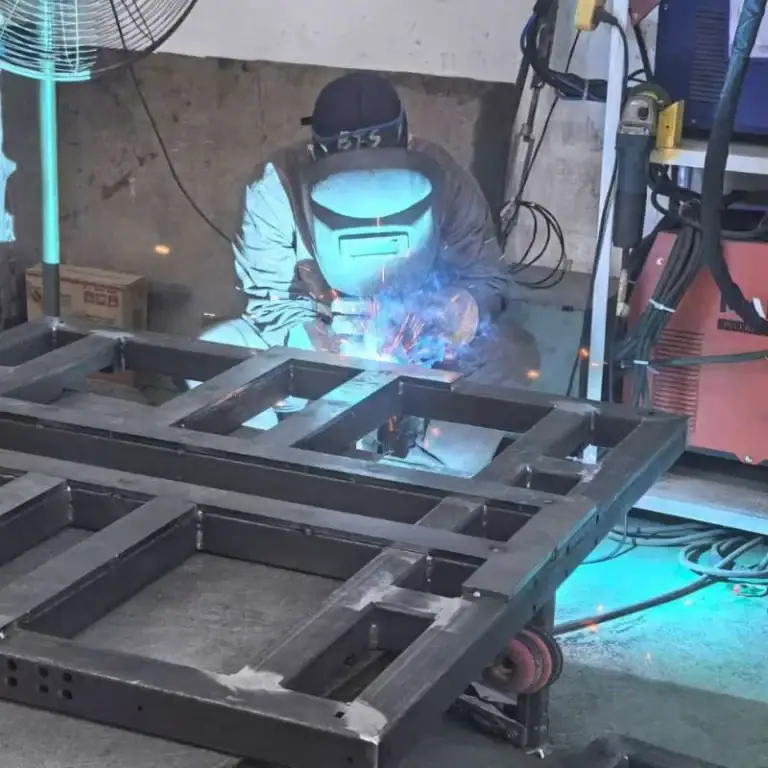
Sheet metal prototyping is commonly used for enclosures, housings, and brackets. Processes such as laser cutting, bending, and welding allow fast iteration at relatively low cost. However, sheet metal prototypes offer lower structural strength than solid machined parts.
Metal Die Casting Prototypes
Die casting is rarely chosen for early prototypes due to tooling cost. It becomes practical only when the design is fully validated and hundreds of identical parts are required. Once tooling is complete, per-part cost and lead time drop significantly.
How to Choose the Right Metal Prototype Process
Choosing the right metal prototype process is about balancing accuracy, cost, lead time, and scalability. The table below compares common metal prototyping methods to help engineers and buyers quickly identify the best option based on design complexity, performance requirements, and production goals.
| Process Type | Best For | Key Advantages | Limitations | Typical Use Scenarios |
| CNC Machined Metal Prototypes | Functional testing, tight tolerances, low-volume production | ±0.01mm tolerance, wide material choice, production-ready accuracy, no tooling cost | Material waste, higher cost for very complex geometries | Structural parts, brackets, housings, pre-production prototypes |
| Metal 3D Printed Prototypes (DMLS/SLM) | Complex internal structures, lightweight designs | Extreme design freedom, fast iteration, internal channels possible | Higher cost, limited material range, surface finishing required | Aerospace parts, medical devices, lattice structures |
| Sheet Metal Prototypes | Enclosures, covers, simple structures | Fast turnaround, low cost, suitable for revisions | Limited thickness, lower structural strength | Electronic housings, panels, brackets |
| Metal Die Casting Prototypes | Stable designs moving toward mass production | Excellent surface finish, high strength, scalable | High tooling cost, not ideal for design changes | Automotive components, consumer hardware |
| Metal Extrusion Prototypes | Uniform cross-section parts | Production-quality profiles, low per-part cost at volume | Limited materials, fixed cross-section geometry | Rails, frames, structural bars |
Common Applications of Metal Prototypes
Metal prototypes are widely used across industries because they allow engineers to validate strength, fit, thermal behavior, and manufacturability before full production. By testing real metal parts early, teams reduce technical risk, shorten development cycles, and avoid costly design changes later.
Aerospace Industry Applications
In aerospace projects I’ve supported, metal prototypes are essential for validating components exposed to extreme temperature and mechanical stress. Parts such as brackets, turbine housings, and structural mounts are commonly machined from aluminum alloys, titanium, or Inconel. Even micron-level deviations can affect fatigue life, so prototypes are verified using FEA simulations, vibration testing, and non-destructive inspection before production approval.
Automotive Industry Applications
Metal prototypes are extensively used in automotive development to test durability, wear resistance, and dimensional stability. Engine components, transmission housings, and gear systems are often prototyped in metal and run through millions of test cycles. This helps engineers evaluate friction, noise, and lifespan before committing to tooling and mass production.
Medical Industry Applications
In medical device development, metal prototypes are critical for surgical tools, implants, and orthopedic components. From my experience, tolerances frequently need to remain within ±0.01 mm. Materials such as titanium and stainless steel must also pass corrosion, fatigue, and biocompatibility testing under standards like ISO 13485 before regulatory approval.
Heavy-Duty Industrial Applications
For heavy machinery and industrial equipment, metal prototypes are used to verify load-bearing capacity and long-term reliability. Engineers rely on torsion testing, hardness measurement, and stress analysis to confirm that parts can withstand continuous mechanical loads and harsh environments prior to series production.
Consumer Electronics Applications
In consumer electronics, metal prototypes help optimize enclosure strength and thermal performance. Aluminum prototypes are commonly used to test heat dissipation using infrared thermography, ensuring stable performance before high-volume manufacturing of housings, frames, and heat sinks.
Cost of Metal Prototype Manufacturing
The cost of metal prototype manufacturing depends on material choice, machining complexity, tolerance requirements, and quantity. Understanding how these factors impact pricing helps engineers control budgets while accelerating product development and reducing design risk.
From my experience, metal prototype costs are driven less by raw material price and more by machining time and setup. For most CNC metal prototypes, unit costs typically range from $50 to $500 per part, depending on design and process.
Key cost factors include:
- Material type: Aluminum and mild steel are cost-effective, while titanium and Inconel can increase cost by 2–4×
- Machining complexity: Deep pockets, thin walls, and multi-axis features can raise machining time by 40–60%
- Tolerance requirements: Tight tolerances (±0.01mm or below) increase machining and inspection cost significantly
- Quantity: Prototypes are often low-volume, meaning setup and programming costs are not amortized
In real projects, I’ve seen design-for-manufacturability (DFM) adjustments reduce prototype cost by 20–40% without affecting functional validation.
FAQs
What Are The Three Types Of Prototypes?
From my experience, prototypes generally fall into three main types: concept prototypes, functional prototypes, and production prototypes. Concept prototypes focus on form and basic geometry to validate ideas quickly. Functional prototypes test performance, fit, and mechanical behavior, often using CNC machining or 3D printing. Production prototypes are made with final materials and processes, closely matching mass production. In practice, over 70% of engineering projects require at least two prototype stages to reduce risk before full-scale manufacturing.
How To Make A Metal Prototype?
I typically make a metal prototype by following a structured process: CAD design, material selection, process selection, machining, and inspection. CNC machining is the most common method, delivering tolerances of ±0.01mm or better. The workflow starts with a 3D model, followed by CAM programming, precision machining, and dimensional verification using CMMs. In real projects, applying DFM optimization early can reduce prototype cost by 20–40% while maintaining functional accuracy.
What Is A CNC Prototype?
A CNC prototype is a prototype part manufactured using computer-controlled machining processes such as milling and turning. In my work, CNC prototypes are used to validate geometry, tolerances, and real material behavior before production. Unlike visual models, CNC prototypes are made from production-grade materials like aluminum or steel and can achieve micron-level accuracy. Around 60–80% of hardware startups rely on CNC prototypes to bridge the gap between design and mass production.
What Are Prototype Materials?
Prototype materials are selected based on function, cost, and validation goals. From my experience, common materials include aluminum (6061, 7075), steel, stainless steel, and engineering plastics like ABS, POM, and Nylon. Aluminum is the most popular, accounting for over 50% of CNC prototypes, due to its machinability and low cost. For high-stress or medical applications, titanium and stainless steel are often used to replicate real-world performance accurately.
Conclusion
Metal prototype manufacturing helps engineers validate strength, fit, and tolerances early using real production materials. By choosing the right process—such as CNC machining or metal 3D printing—teams can reduce design risk, control costs, and accelerate the transition from prototype to mass production.
At TiRapid, we deliver CNC-machined metal prototypes with ±0.01mm accuracy, fast turnaround, and DFM support. Ideal for engineers and buyers—upload your CAD and get a quote today.