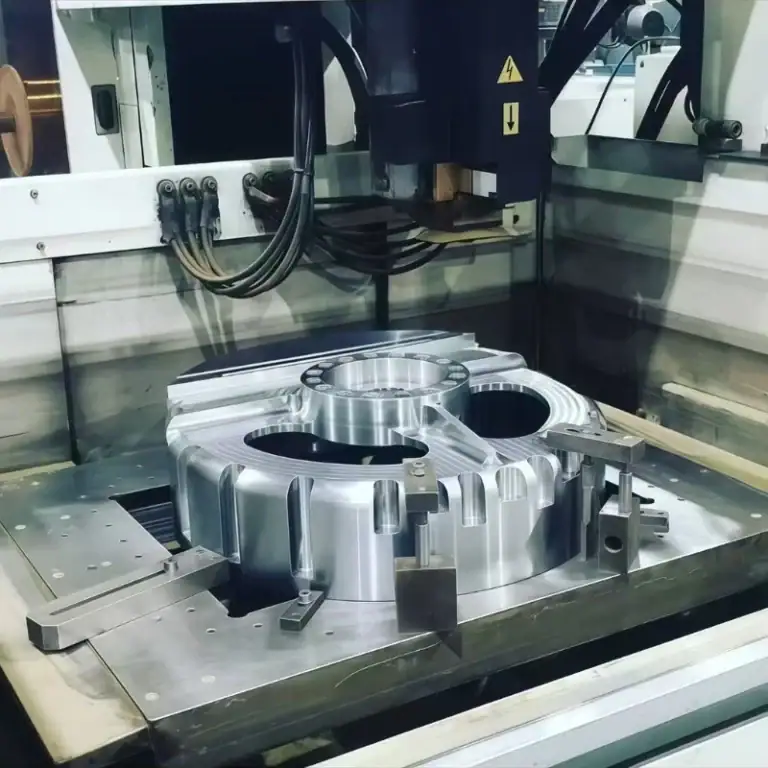
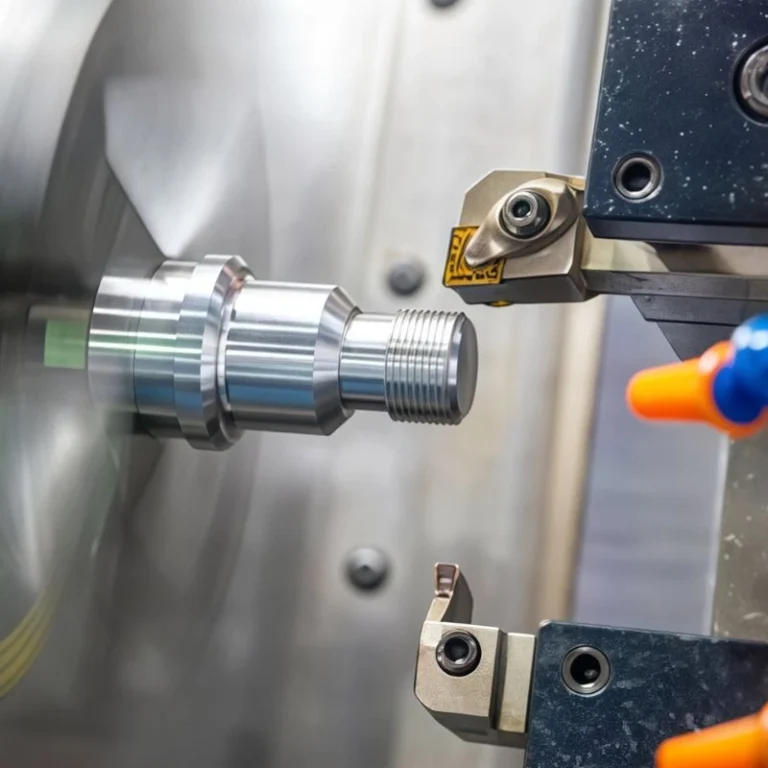
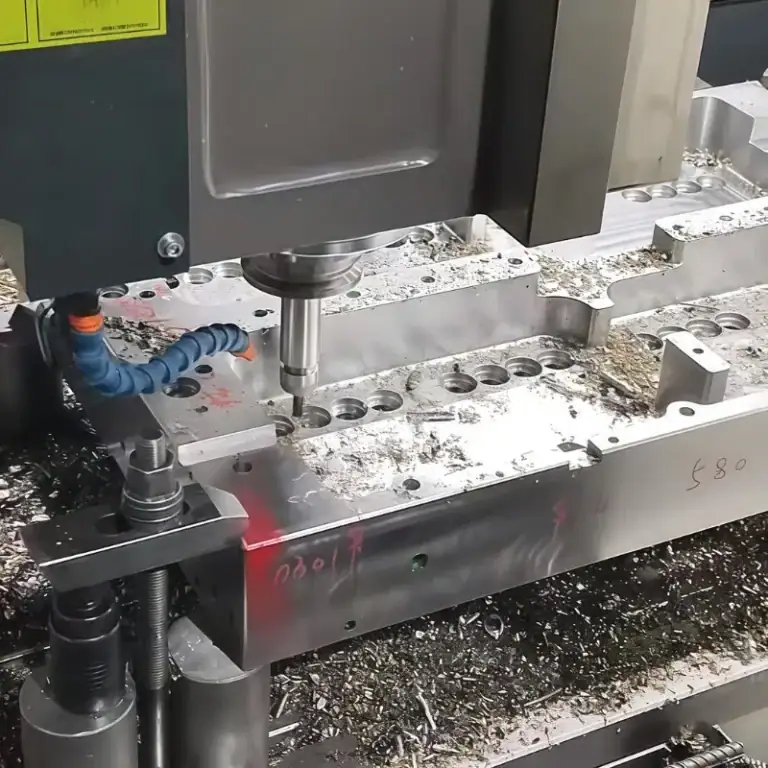
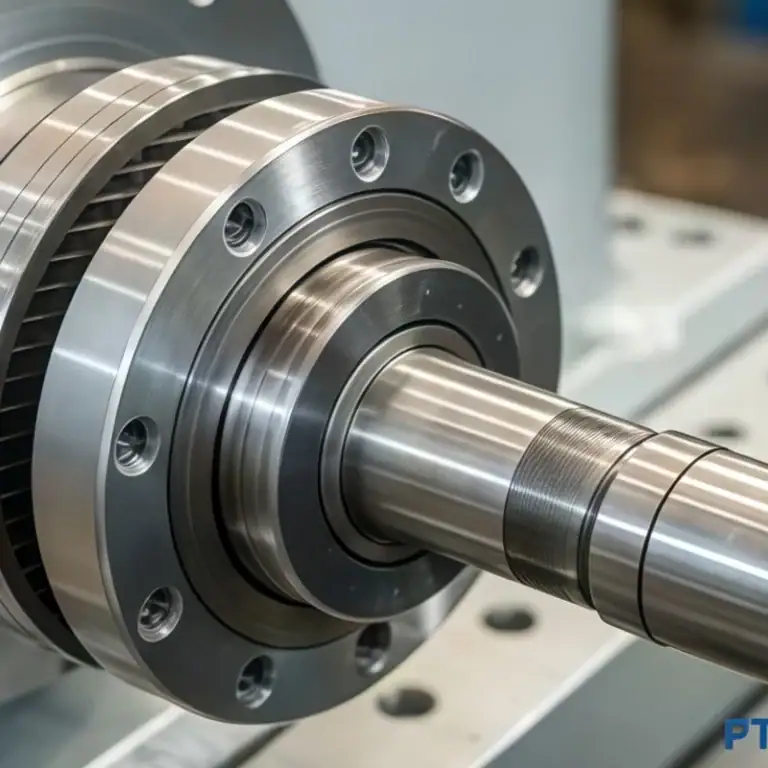
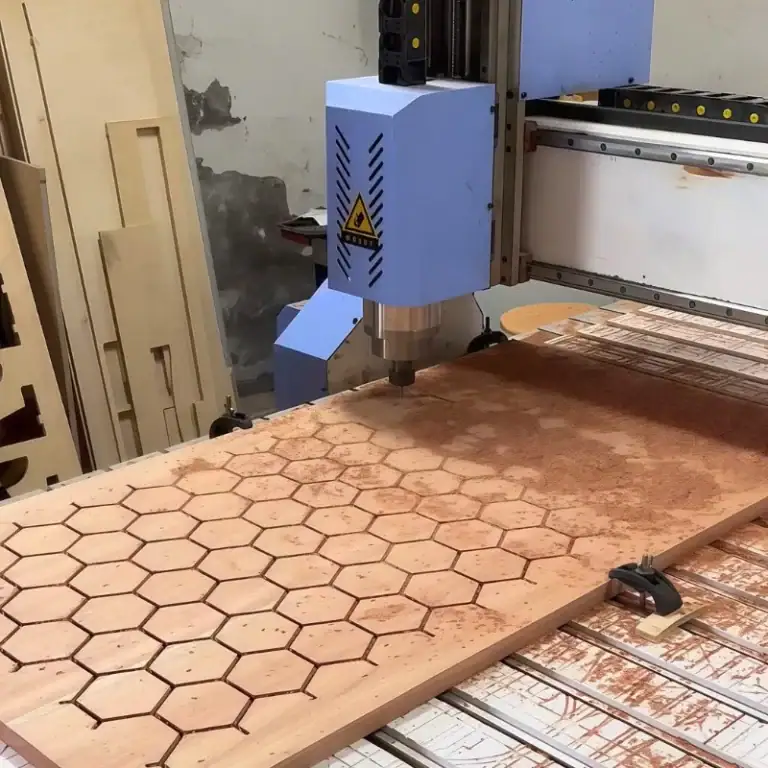
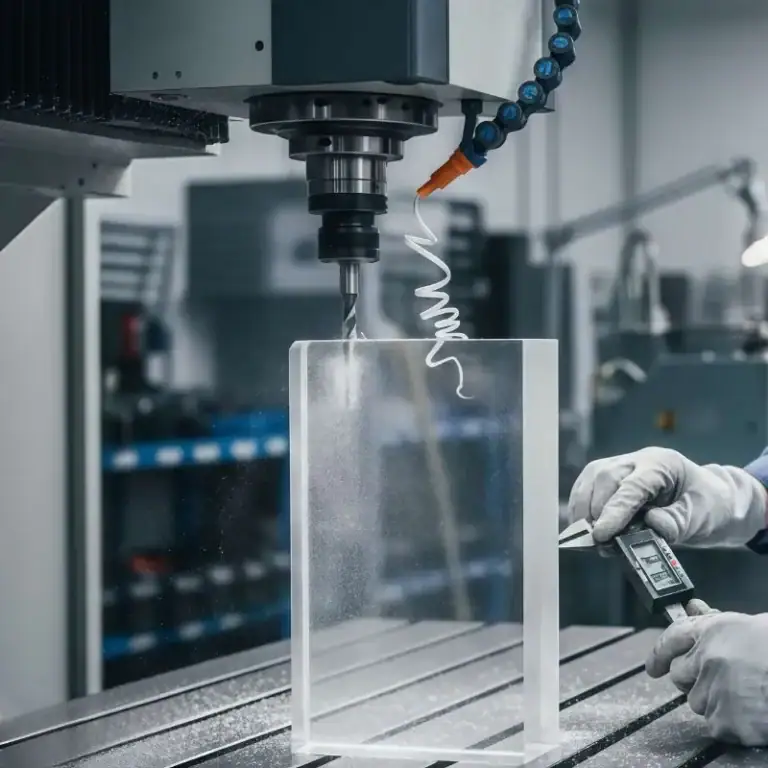
CNC turned parts are precision components made by rotating raw material on a CNC lathe while a cutting tool removes material to create the required shape. In manufacturing, these parts are widely used because they support high precision, repeatable quality, efficient production, and a wide range of material choices.
In this guide, you’ll learn what CNC turned parts are, how CNC turning works, what types of parts are best suited to the process, which materials are commonly used, and where these parts are most often applied.
What Are CNC Turned Parts?
CNC turned parts are parts made by rotating a workpiece and cutting it into shape with computer-controlled machining. They are mainly used for round or symmetrical components that require accurate diameters, smooth surfaces, and consistent results.
This process is classified as subtractive manufacturing because it removes material from the workpiece rather than adding it.
Key Features
The main features of CNC turned parts include:
- High dimensional accuracy
- Good repeatability
- Efficient production of round features
- Strong compatibility with many engineering materials
- Good surface finish potential
These features make CNC turned parts suitable for both prototypes and repeat production.
Difference from Conventional Turning
The main difference is control. Conventional turning depends much more on manual operation, while CNC turning uses programmed toolpaths and automated machine movement.
As a result, CNC turned parts usually offer better consistency, tighter tolerance control, and more efficient repeat production.
How Does CNC Turning Work?
CNC turning works by rotating the material while a cutting tool removes material from the outside or inside of the part. This makes the process especially suitable for cylindrical, conical, and rotational features. The result is a controlled, efficient way to make precision round parts.
Machining Principle
In CNC turning, the workpiece spins at a controlled speed while the cutting tool moves along defined axes. The cutting tool removes material step by step until the final shape is achieved.
This principle is ideal for creating outer diameters, inner bores, grooves, shoulders, tapers, and threads.
CAD/CAM Programming
CAD/CAM programming converts the part design into machine instructions. CAD defines the geometry, while CAM generates the toolpath, cutting strategy, and machining sequence.
Accurate programming is important because it affects part precision, machining efficiency, and production stability.
Workholding and Tooling
Workholding keeps the material stable during machining. Common methods include chucks, collets, and custom fixtures depending on the size and geometry of the part.
Tooling is equally important because tool shape, insert type, and cutting parameters all influence finish, tolerance, and cycle time.
Machining Process
A typical CNC turning process includes:
- Material preparation
- Machine setup
- Program loading
- Rough turning
- Finish turning
- Inspection
- Secondary operations if needed
Depending on the design, the process may also include drilling, boring, threading, knurling, or deburring.
What Parts Are Best Made by CNC Turning?
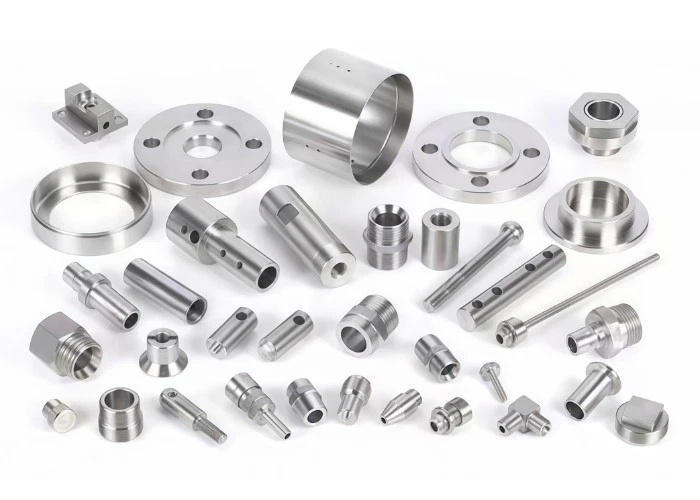
The best parts for CNC turning are parts with round, cylindrical, or symmetrical shapes. These geometries match the strengths of the turning process and can usually be machined more efficiently than with other methods. In most cases, if a part revolves around a central axis, CNC turning is a strong option.
Rotational Parts
Rotational parts are the most natural fit for CNC turning. These include shafts, sleeves, spacers, collars, hubs, and rings.
Because the workpiece rotates during machining, these part types can often be produced with high efficiency and good dimensional control.
Small Precision Parts
Small precision parts are also well suited to CNC turning. Common examples include pins, bushings, inserts, fittings, and miniature threaded parts.
These parts often require tight tolerances and stable repeatability, which CNC turning can provide.
Complex Symmetrical Parts
CNC turning can also produce more complex symmetrical parts that include grooves, bores, threads, tapers, and stepped diameters.
With live tooling or advanced turning centers, some parts can even include milled or drilled features in the same setup.
Selection Criteria
A part is usually suitable for CNC turning when it has:
- Rotational geometry
- Tight diameter or concentricity requirements
- Medium to high repeatability needs
- Material available in bar, rod, or tube form
If a part mainly depends on flat surfaces, pockets, or irregular outer shapes, CNC milling may be the better choice.
What Are the Common Types of CNC Turned Parts?
The common types of CNC turned parts include shafts, pins, bushings, threaded parts, and custom precision components. These categories cover many industrial applications because they match the strengths of CNC turning. Most of them rely on round geometry, controlled diameters, and accurate concentric features.
Shaft Parts
Shaft parts are widely used to transmit motion or support rotating systems. They often require precise diameters, straightness, and concentricity.
Examples include motor shafts, drive shafts, and transmission-related components.
Pin Parts
Pin parts are small cylindrical parts used for alignment, fastening, or positioning. Because of their size and dimensional sensitivity, they are often made through CNC turning.
Examples include locating pins, dowel pins, and pivot pins.
Bushing Parts
Bushings are used to reduce friction, guide movement, or maintain alignment between parts. They usually require accurate inner and outer diameters.
Their cylindrical structure makes them highly suitable for turned-part production.
Threaded Parts
Threaded parts often benefit from CNC turning because the process can generate external and internal threads with stable geometry.
Examples include studs, adapters, fittings, and threaded connectors.
Custom Precision Parts
Custom precision parts are one of the most important categories in CNC turning. Many industries need non-standard parts with specific tolerances, materials, and performance requirements.
This is why custom CNC turning parts are common in B2B and precision manufacturing projects.
What Materials Are Commonly Used for CNC Turned Parts?
The most common materials for CNC turned parts can be grouped into two main categories: metal materials and plastic materials. Each category offers different advantages in strength, machinability, corrosion resistance, weight, cost, and functional performance.
Metal Materials
Metal materials are widely used for CNC turned parts because they offer strong mechanical performance, stable dimensional control, and broad industrial applicability. They are commonly selected for parts that require strength, wear resistance, heat resistance, conductivity, or long-term durability in demanding environments.
Plastic Materials
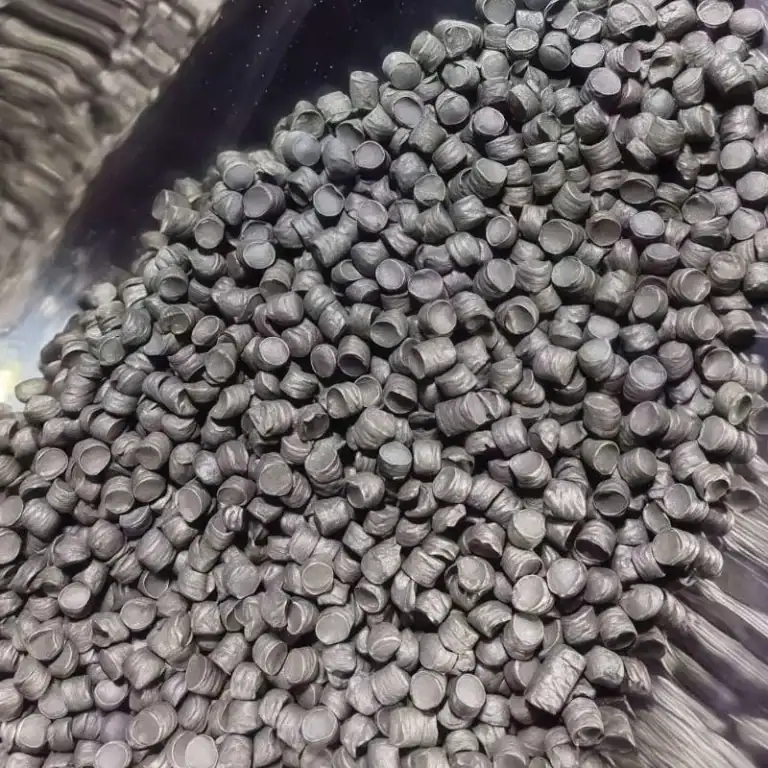
Plastic materials are also commonly used for CNC turned parts when low weight, electrical insulation, chemical resistance, low friction, or cost efficiency is important. Compared with metals, plastics provide different functional advantages and are often selected for applications where conductivity must be avoided, corrosion is a concern, or reduced weight is required.
Plastic CNC turned parts are widely used in electronics, medical devices, industrial equipment, fluid control systems, and laboratory applications. Common engineering plastics include POM, Nylon, PTFE, and PEEK, each offering a different balance of machinability, wear resistance, dimensional stability, chemical resistance, and mechanical strength.
POM
POM, also known as acetal, is one of the most common plastics used for CNC turned parts because it combines good machinability, low friction, and excellent dimensional stability. It is often used for bushings, rollers, gears, spacers, and precision mechanical components.POM is especially suitable for turned parts that require accurate dimensions and smooth movement in assembly.
Nylon
Nylon is widely used because it offers good toughness, wear resistance, and versatility across many industrial applications. It is commonly selected for sleeves, insulators, wear parts, and structural components that need a balance of strength and flexibility.Although nylon can absorb moisture in some environments, it remains a practical material for CNC turning in many general-purpose applications.
PTFE
PTFE is mainly used when low friction and strong chemical resistance are required. It performs well in sealing, insulating, and fluid-handling applications where exposure to aggressive chemicals is a concern.PTFE is often selected for seals, seats, rings, and other low-friction functional parts.
PEEK
PEEK is a high-performance engineering plastic used for CNC turned parts in demanding environments. It offers excellent mechanical strength, thermal stability, wear resistance, and chemical resistance.Because of these properties, PEEK is commonly used in aerospace, medical, semiconductor, and other advanced industrial applications.
Quick Material Comparison
| Category | Material | Main Advantage | Common Uses |
| Metal | Aluminum | Lightweight and efficient machining | Electronics, automotive, aerospace |
| Metal | Stainless Steel | Corrosion resistance | Medical, industrial, food equipment |
| Metal | Brass | Easy machinability | Fittings, connectors, valves |
| Metal | Steel | Strength and durability | Shafts, hardware, machinery parts |
| Metal | Titanium | High performance | Aerospace, medical, critical parts |
| Plastic | POM | Low friction and dimensional stability | Bushings, rollers, spacers |
| Plastic | Nylon | Toughness and versatility | Sleeves, insulators, wear parts |
| Plastic | PTFE | Chemical resistance and low friction | Seals, rings, fluid-handling parts |
| Plastic | PEEK | High performance and thermal stability | Aerospace, medical, advanced industrial parts |
What Are the Main Benefits of CNC Turned Parts?
The main benefits of CNC turned parts are precision, repeatability, efficiency, and material flexibility. These advantages make CNC turning one of the most practical methods for producing round and symmetrical components. For many applications, it offers a strong balance between quality, speed, and manufacturing control.
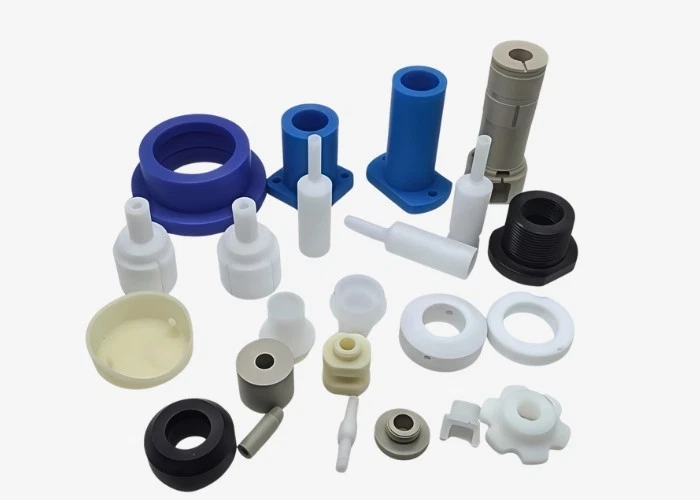
High Precision
CNC turning can produce accurate diameters, bores, grooves, and threads with good dimensional control. This makes it suitable for parts that must fit and function reliably.
This is one reason high precision CNC turning parts are widely used in precision manufacturing.
High Repeatability
Once the setup and program are optimized, CNC turning can reproduce the same part dimensions repeatedly. This supports better batch consistency and easier assembly.
High repeatability is especially important for production runs.
High Efficiency
CNC turning is efficient because it is designed specifically for rotational parts. It can process round stock quickly and reduce unnecessary manual intervention.
For many designs, this leads to shorter cycle times and faster lead times.
Material Versatility
CNC turning supports many common engineering materials, including stainless steel, brass, steel, aluminum, titanium, copper, and some plastics.
This versatility allows manufacturers to match material properties to performance needs.
Customization Flexibility
CNC turning is highly flexible for custom production. Part dimensions, threads, grooves, and other features can be adjusted through programming and setup.
This makes the process useful for prototypes, custom components, and specialized production work.
Consistent Quality
Because CNC turning is digitally controlled, it reduces human error and supports more stable machining quality. It also helps maintain consistent finish and dimensional accuracy from part to part.
For buyers, this improves both product quality and sourcing reliability.
How Are CNC Turned Parts Different from CNC Milled Parts?
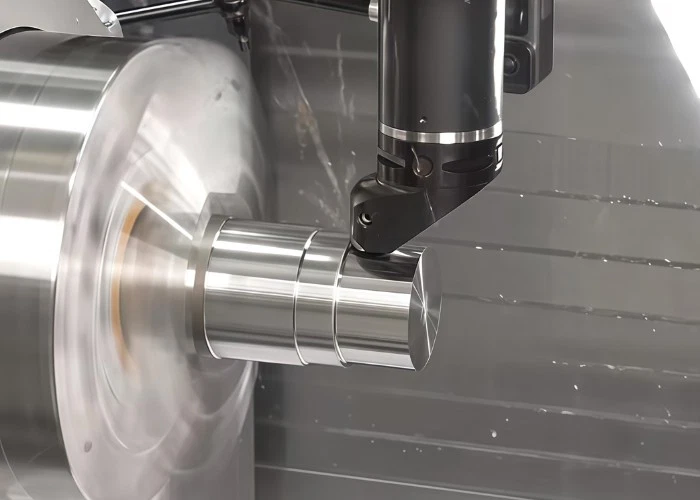
CNC turned parts are different from CNC milled parts mainly because turning rotates the workpiece, while milling rotates the cutting tool. This difference affects which shapes each process handles best. In simple terms, turning is better for round parts, while milling is better for flat or irregular shapes.
Machining Method
In turning, the material rotates and the tool cuts it. In milling, the tool rotates and cuts a fixed or moving workpiece.
This basic difference defines the strengths of each process.
Suitable Parts
Turning is best for shafts, bushings, pins, collars, and other rotational parts. Milling is better for housings, brackets, pockets, slots, and prismatic shapes.
Many complex parts may require both operations.
Structural Differences
Turned parts often feature diameters, threads, bores, and concentric surfaces. Milled parts more often include planes, pockets, slots, and complex external contours.
Part geometry usually decides which process is more suitable.
Process Selection
Process selection should be based on:
- Part geometry
- Tolerance requirements
- Material
- Production quantity
- Cost targets
If the design is mostly cylindrical, CNC turning is usually the better starting point.
What Surface Finishes Can Be Applied to CNC Turned Parts?
Common surface finishes for CNC turned parts include anodizing, black oxide, QPQ, electroplating, and hardening. These treatments are used to improve corrosion resistance, wear resistance, surface hardness, appearance, and overall part performance. The best option depends on the part material, working environment, mechanical requirements, and visual expectations.
Anodizing
Anodizing is one of the most common surface treatments for aluminum CNC turned parts. It creates a controlled oxide layer on the surface, which improves both protection and appearance. This finish is widely used in industrial equipment, electronics, automotive parts, and consumer products.
Key benefits of anodizing include:
- Improved corrosion resistance
- Better wear resistance
- Enhanced surface appearance
- Optional color finishing
- Good suitability for aluminum parts
Anodizing is often selected when aluminum turned parts need both functional protection and a cleaner visual finish.
Black Oxide
Black oxide is mainly used for steel CNC turned parts. It forms a thin black conversion coating on the surface without significantly changing part dimensions. This makes it a practical option for precision components that need a dark finish and light corrosion protection.
Key benefits of black oxide include:
- Minimal dimensional change
- Black, low-reflective appearance
- Basic corrosion resistance when sealed with oil or wax
- Cost-effective finishing option
- Suitable for precision steel parts
Black oxide is commonly used for tools, fasteners, shafts, and other machined steel components where appearance and dimensional stability are both important.
QPQ
QPQ, short for Quench-Polish-Quench, is a salt bath nitriding treatment commonly applied to steel parts. It is widely used when CNC turned parts need better surface hardness and long-term wear performance. Compared with basic black oxide, QPQ provides much stronger functional improvement.
Key benefits of QPQ include:
- Higher surface hardness
- Better wear resistance
- Improved fatigue strength
- Enhanced corrosion resistance
- Good performance under friction and repeated motion
QPQ is often chosen for shafts, pins, sleeves, and other turned parts that work under sliding contact, repeated stress, or demanding service conditions.
Electroplating
Electroplating adds a metallic coating to the surface of CNC turned parts. It can be used for both protective and decorative purposes. Common plating choices include zinc plating, nickel plating, chrome plating, and copper plating, depending on the base material and application needs.
Key benefits of electroplating include:
- Improved corrosion resistance
- Better surface durability
- Enhanced decorative appearance
- Possible improvement in conductivity
- Wide range of coating options
Electroplating is a common choice when parts need a metallic finish, better environmental resistance, or additional surface functionality.
Hardening
Hardening is used when CNC turned parts require greater surface hardness, strength, and wear resistance. Although it is not always classified as a decorative finish, it is an important post-processing treatment for many mechanical components. The exact hardening method depends on the material type and performance target.
Common hardening methods include:
- Heat treatment
- Induction hardening
- Carburizing
- Nitriding
Key benefits of hardening include:
- Increased surface hardness
- Better wear resistance
- Improved load-bearing performance
- Longer service life
- Better resistance to deformation in use
Hardening is especially suitable for turned parts used in mechanical transmission, tooling, industrial equipment, and high-wear applications.
Where Are CNC Turned Parts Commonly Used?
CNC turned parts are commonly used in medical, aerospace, automotive, electronics, and oil and gas industries. These industries depend on precision, repeatability, and reliable component performance. Because many critical parts are round or symmetrical, CNC turning plays an important role across these sectors.
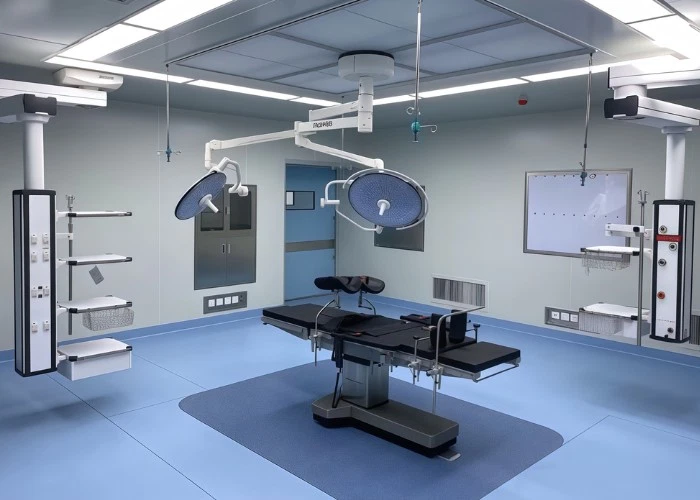
Medical Industry
Medical applications often use small, precise turned components for instruments, implants, dental parts, and equipment.
These parts require tight tolerances and high consistency.
Aerospace Industry
Aerospace applications use turned parts for fittings, shafts, connectors, and other precision components. These parts often need strong materials and close dimensional control.
CNC turning helps support both accuracy and reliability.
Automotive Industry
The automotive industry uses turned parts for shafts, bushings, connectors, fittings, and engine-related components.
CNC turning is valued here because it supports both quality and scalable production.
Electronics Industry
Electronics applications often use turned parts for connectors, terminals, housings, and compact precision parts.
Brass and aluminum are common choices in this sector.
Oil and Gas Industry
Oil and gas systems use turned parts for valves, couplings, fittings, and other durable components. These parts often operate under demanding service conditions.
Strong materials and stable machining quality are especially important here.
How Can You Tell If a Part Is Suitable for CNC Turning?
A part is suitable for CNC turning when its shape, tolerance needs, material, and production goals match the strengths of the turning process. In most cases, rotational geometry is the first sign that turning may be the right choice. The final decision should also consider cost, material behavior, and required output.
Part Geometry
If the part is mainly cylindrical, tapered, or symmetrical around a central axis, CNC turning is usually a good fit.
Geometry is often the clearest selection factor.
Tolerance Requirements
If the part needs accurate diameters, bores, threads, or concentric features, CNC turning is often a strong option.
The process is especially effective for repeatable precision on round features.
Material Requirements
Material choice matters because some materials are easier to turn than others. The selected material must meet both performance needs and machining practicality.
This affects tooling, cycle time, and final part quality.
Production Volume
CNC turning can support prototypes, low-volume runs, and repeat production depending on the part type and supplier capability.
It becomes especially attractive when repeatability and efficiency are important.
How Do You Choose a Reliable CNC Turned Parts Supplier?
A reliable CNC turned parts supplier should offer machining experience, strong quality control, suitable material capability, dependable delivery, and useful engineering support. Price matters, but it should not be the only decision factor. A good supplier helps improve both part quality and project success.
Machining Experience
The supplier should have experience with similar parts, materials, and tolerance levels. Experience improves setup decisions, tooling choices, and problem solving.
This is especially important for custom or high-precision work.
Quality Control
A strong supplier should have inspection procedures for dimensions, finishes, and consistency. This helps reduce defects and improve reliability.
Quality control matters from samples through full production.
Material Capability
The supplier should be able to machine the materials your application needs. This includes common materials such as steel, stainless steel, brass, aluminum, and titanium.
Material capability affects both manufacturability and final performance.
Delivery Capability
Reliable lead times are just as important as machining quality. A supplier should be able to provide realistic schedules and stable delivery performance.
This is especially important for repeat production projects.
Engineering Support
Engineering support helps identify manufacturability risks, reduce cost, and improve design efficiency before production starts.
Strong communication usually leads to better long-term results.
Supplier Checklist
Before choosing a CNC turned parts manufacturer, check whether the supplier can offer:
- Experience with similar parts
- Clear quality procedures
- Material and finishing options
- Stable lead times
- Engineering support
- Responsive quotation process
Why Are CNC Turned Parts Important in Precision Manufacturing?
CNC turned parts are important in precision manufacturing because they help meet rising accuracy demands, growing customization needs, and higher efficiency expectations. Many modern products depend on reliable round components that must fit correctly and perform consistently. CNC turning remains one of the most effective ways to produce them.
Rising Accuracy Demands
Modern manufacturing requires better dimensional control and more reliable assembly performance. CNC turning helps meet these tighter standards.
This is especially important in medical, automotive, aerospace, and electronics applications.
Growing Customization Needs
More industries now need non-standard parts designed for specific functions and environments. CNC turning supports this well because it is flexible and programmable.
This is why custom turned parts remain in high demand.
Improved Production Efficiency
For many round parts, CNC turning offers a strong balance of speed, repeatability, and cost control.
That combination keeps it essential in modern precision manufacturing.
FAQs
What Can You Make On A CNC Lathe?
A CNC lathe can produce shafts, pins, bushings, sleeves, spacers, threaded parts, and other rotational components. It is best suited to parts with cylindrical, conical, grooved, or threaded features. In many cases, tolerances of around ±0.01 mm can be achieved, making CNC turning suitable for precision and repeat production.
Can CNC Turning Produce Parts With Non-Cylindrical Features?
Yes, CNC turning can produce some non-cylindrical features when live tooling or mill-turn capability is available. These features may include flats, cross holes, slots, and keyways. However, standard CNC turning is mainly intended for cylindrical geometry, so more complex non-rotational features often require additional milling operations.
What Are The Advantages Of CNC Turning Over Traditional Manual Turning?
CNC turning offers better precision, repeatability, and production efficiency than traditional manual turning. Programmed machining reduces operator variation and improves dimensional consistency across multiple parts. It also provides better control of feeds, speeds, and toolpaths, which helps achieve tighter tolerances and more stable quality.
What Are The Tolerances Achievable With CNC Turning?
Typical CNC turning tolerances are around ±0.01 mm to ±0.05 mm, depending on material, part geometry, machine condition, and setup quality. For high-precision parts, tighter tolerances may be possible under controlled conditions. In general, tighter tolerances increase machining difficulty, inspection requirements, and production cost.
Conclusion
CNC turned parts help manufacturers balance precision, repeatability, material flexibility, and production efficiency across a wide range of applications. The right CNC turning solution depends on factors such as part geometry, material selection, tolerance requirements, surface finish, and overall project needs.
At TiRapid, we provide precision CNC machining for custom turned parts across multiple industries. Upload your design to get a tailored solution for your manufacturing project.