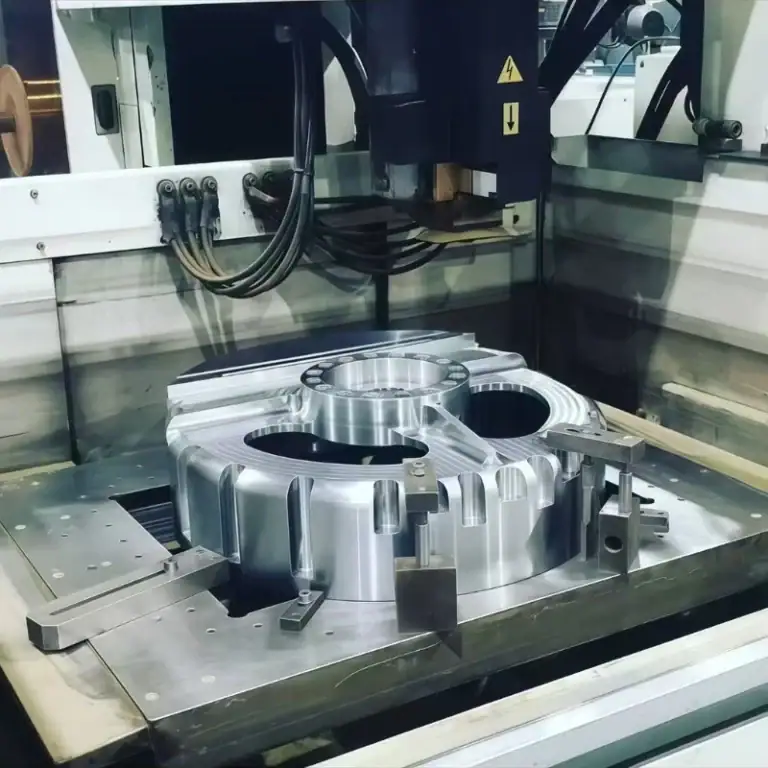
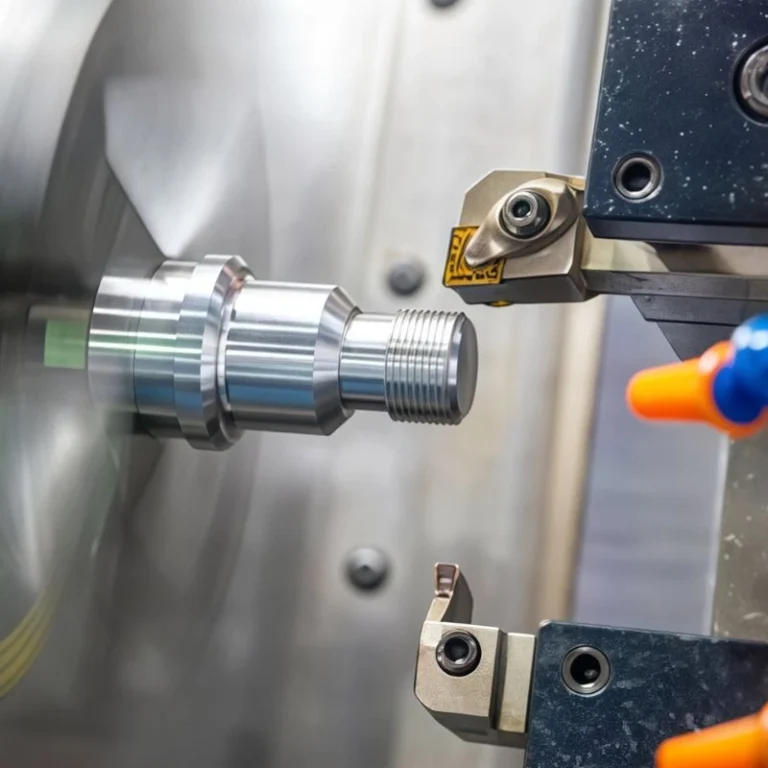
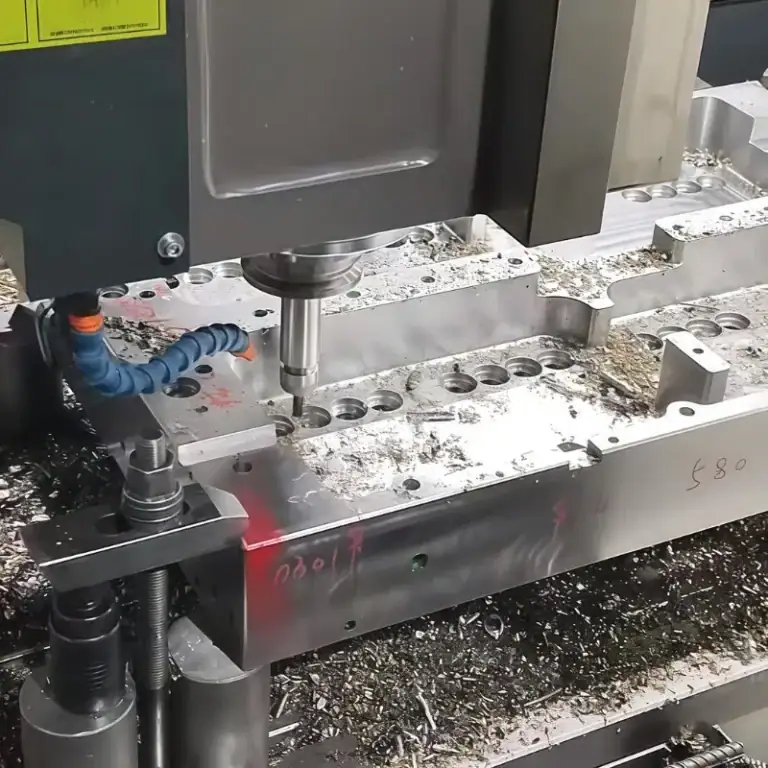
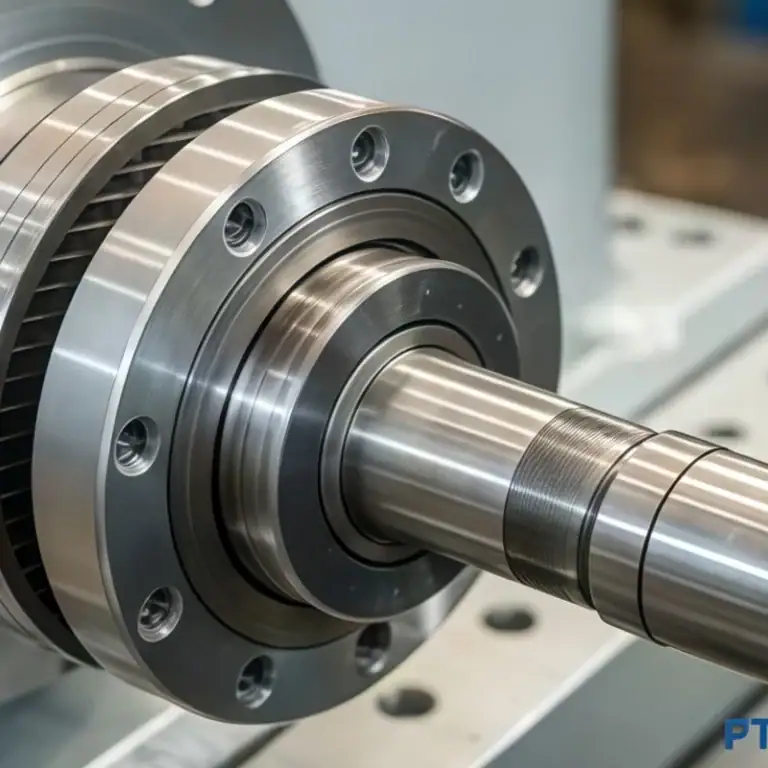
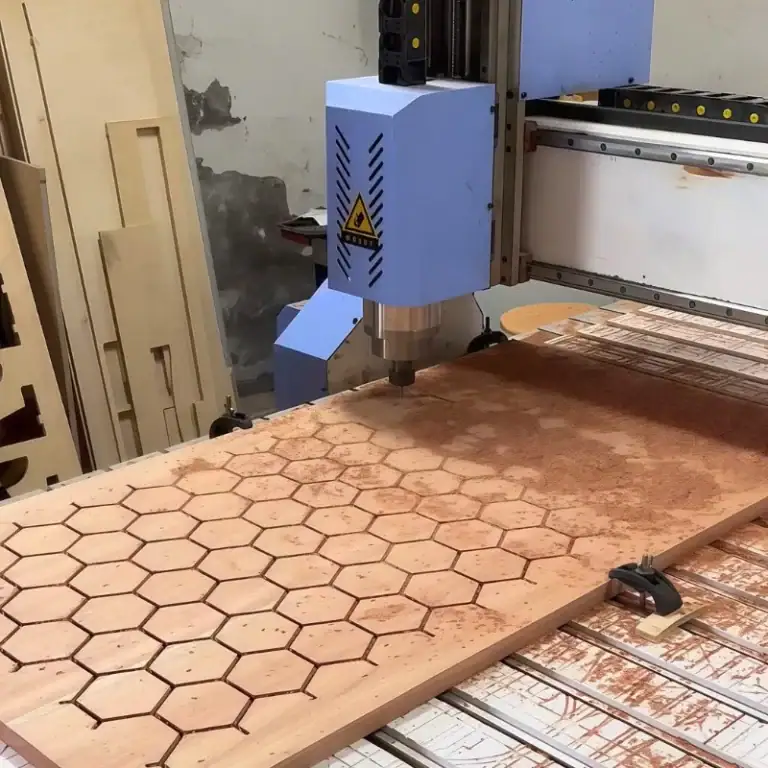
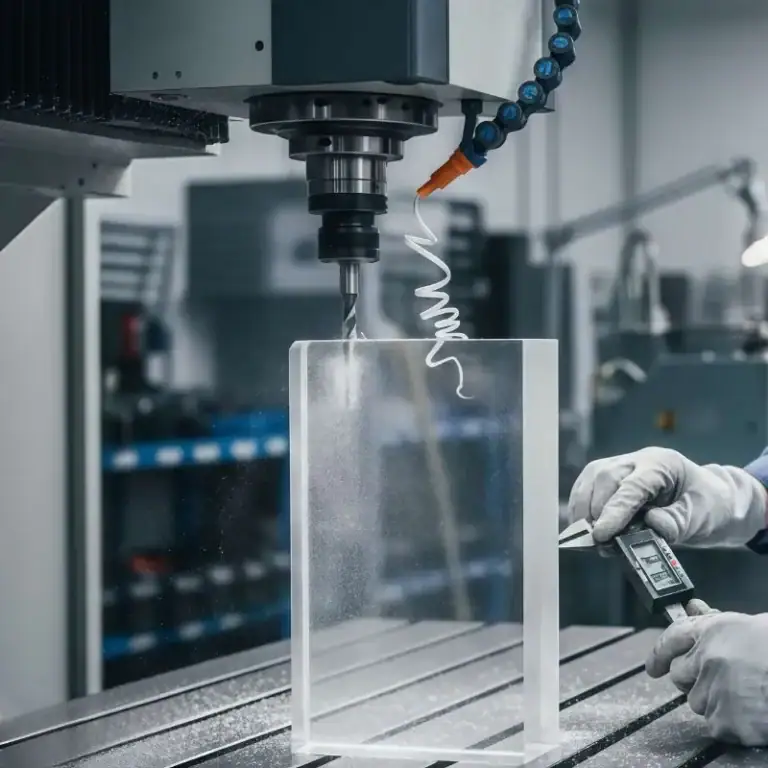
CNC milling parts are widely used in many industries because they offer high precision, complex shapes, and consistent performance. They are commonly used in aerospace, automotive, medical, electronics, and industrial equipment applications where accuracy, repeatability, and reliability are essential.
In this guide, we will review the common types of CNC milling parts, their typical functions, and the main design factors that should be considered during product development and machining.
What Are CNC Milling Parts?
CNC milling parts are components made through a CNC milling process, where computer-controlled cutting tools remove material from a workpiece to create the required shape and features. This process is suitable for producing flat surfaces, slots, holes, pockets, and other complex geometries with high precision.
CNC milling parts are widely used because they can achieve tight tolerances, consistent dimensions, and repeatable quality across both prototypes and production runs. They are commonly manufactured from materials such as aluminum, stainless steel, brass, titanium, and engineering plastics, depending on the performance requirements of the final part.
Compared with simpler machining methods, CNC milling offers greater flexibility in part design. It can produce components with multiple faces, detailed features, and complex three-dimensional shapes that would be difficult to make with manual machining. For this reason, CNC milling parts are often used in aerospace, automotive, medical, electronics, and industrial equipment applications where precision, reliability, and good surface finish are important.
In practical terms, CNC milling parts can include housings, brackets, panels, heat sinks, manifolds, and many other custom functional components. Their exact design depends on the intended use, material choice, tolerance requirements, and manufacturing goals. Understanding what CNC milling parts are is the first step toward choosing the right design and machining solution for a specific project.
Common Types of CNC Milling Parts
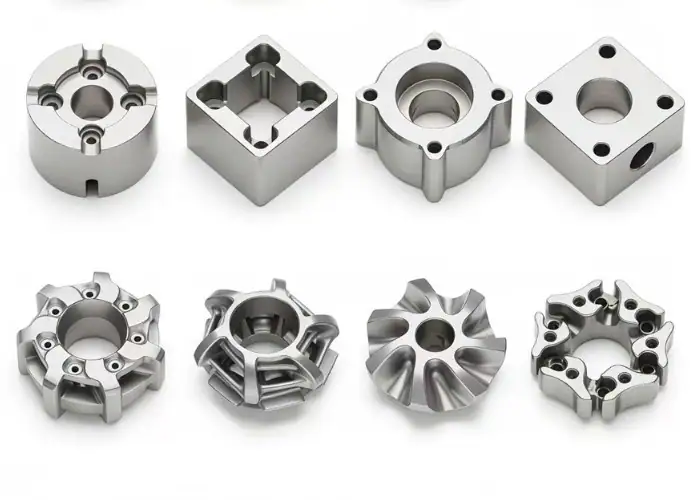
CNC milling is used to produce many types of parts with different shapes, structures, and functions. Because the process can create flat surfaces, pockets, holes, slots, and complex 3D features with high precision, it is suitable for both custom and production applications. In most cases, CNC milling parts are grouped by the role they play in a product, assembly, or mechanical system.
Housings And Enclosures
Housings and enclosures are commonly used to protect internal components and provide structural support. These parts are often found in electronics, industrial equipment, and mechanical systems where precise dimensions, mounting features, and clean surface finishes are important.
Brackets And Mounting Components
Brackets and mounting components are used to hold, position, or connect other parts. They often include holes, slots, threads, and flat reference surfaces to support accurate assembly and stable positioning in a larger structure.
Plates, Panels, And Covers
Plates, panels, and covers are another common type of CNC milling part. Although they are often simpler in shape, they may still require precise hole patterns, cutouts, surface machining, or edge features. These parts are widely used in machine assemblies, support structures, and control systems.
Heat Sinks And Thermal Parts
Heat sinks and thermal parts are designed to improve heat dissipation, especially in electronics and power-related applications. These parts may include fins, channels, or other features that increase surface area and improve thermal performance.
Manifolds And Flow Components
Manifolds and flow components are used to direct liquids or gases through internal passages and connection points. Because these parts often require intersecting holes, sealing surfaces, and tight tolerances, CNC milling is a practical and reliable manufacturing method for them.
Custom Functional Parts
Many CNC milling projects involve custom functional parts that do not fit into a single standard category. These may include prototype parts, precision interfaces, machine components, or product-specific parts designed for a unique mechanical or industrial application.
Overall, the exact form of a CNC milling part depends on its function, material, tolerance requirements, and assembly needs. Understanding these common part types can help improve design decisions and machining efficiency.
Main Functions of CNC Milling Parts
CNC milling parts are used in many products and systems because they can serve different mechanical and structural purposes. In many cases, their value comes from combining precision, stability, and multiple functions in a single component.
Structural Support
Many CNC milling parts serve as structural components that support the shape, load, or overall stability of an assembly. These parts may act as frames, bases, brackets, or housings that hold other components in position while maintaining strength and dimensional accuracy.
Positioning And Assembly
Another important function of CNC milling parts is accurate positioning and assembly. Features such as mounting holes, slots, locating surfaces, and threaded sections help ensure that different parts fit together correctly. This is especially important in systems where alignment, repeatability, and assembly precision directly affect performance.
Heat Dissipation
Some CNC milling parts are designed to manage heat. Components such as heat sinks, cooling plates, and thermal structures help transfer or dissipate heat away from sensitive areas. In electronics, power systems, and certain mechanical assemblies, this function is essential for maintaining performance and reliability.
Fluid Or Air Distribution
CNC milling parts can also be used to guide liquids or gases through a product or system. Manifolds, channels, flow blocks, and connection components are commonly machined to control the movement of air, coolant, oil, or other fluids. These parts often require accurate internal geometry and sealing surfaces to work effectively.
Precision Interface And Motion Control
In more advanced applications, CNC milling parts may serve as precision interfaces between moving or functional components. They can support bearings, linear guides, sensors, actuators, or other elements that require controlled motion and accurate mechanical connection. In these cases, dimensional consistency and machining precision are especially important.
Overall, CNC milling parts are not only shaped for appearance or basic fit. They are engineered to perform specific functions that contribute to the performance, reliability, and manufacturability of the final product.
What Surface Finishes Can Be Applied to CNC Milling Parts?
CNC milling parts can use different surface finishes depending on the material, application, and performance requirements. Surface treatment is commonly used to improve corrosion resistance, wear resistance, hardness, appearance, and overall part durability. The right finish can also help parts perform better in demanding working environments.
Anodizing
Anodizing is one of the most common surface finishes for aluminum CNC milling parts. It forms a protective oxide layer on the surface to improve corrosion resistance, wear resistance, and appearance. It can also provide different color options, making it suitable for both functional and decorative parts.
Black Oxide
Black oxide is mainly used for steel CNC milling parts. It creates a dark surface finish that improves appearance and provides light corrosion resistance. It is often used for tools, fixtures, fasteners, and machine components.
QPQ
QPQ, also known as quench-polish-quench, is a surface treatment used to improve wear resistance, fatigue strength, and corrosion resistance. It is commonly applied to steel parts that require better surface durability and long-term performance in demanding conditions.
Electroplating
Electroplating includes processes such as zinc plating, nickel plating, and chrome plating. It is used to improve corrosion resistance, surface hardness, conductivity, or decorative appearance. Electroplating is commonly used for steel, brass, and some copper alloy parts.
Hardening
Hardening is used to increase the surface hardness and wear resistance of CNC milling parts. It is especially common for steel components that need to withstand friction, repeated loading, or mechanical stress. Depending on the application, different hardening methods may be selected to improve part durability and service life.
Bead Blasting
Bead blasting creates a uniform matte texture on the surface of the part. It is often used to remove machining marks, improve visual consistency, and prepare parts for additional finishing processes such as anodizing or coating. It is especially common for aluminum parts.
Specialty Coatings
Some CNC milling parts may also use specialty coatings such as PTFE coating, ceramic coating, or hard coating for specific performance requirements. These finishes are selected when parts need extra chemical resistance, low friction, heat resistance, or enhanced wear protection.
What Makes Custom CNC Milling Parts Different?
Custom CNC milling parts are made for specific applications, dimensions, and performance needs. Unlike standard parts, they are designed around a particular product, assembly, or engineering requirement. This makes them a better choice when a project needs unique features, special materials, or tighter control over fit and function.
When Standard Parts Are Not Enough
Standard parts can be efficient and cost-effective, but they do not always match the exact needs of a design. When a product requires a non-standard shape, special mounting features, custom interfaces, or a specific fit within an assembly, custom CNC milling parts become the better option. They are especially useful when design flexibility and functional accuracy are more important than using a readily available component.
Benefits Of Custom CNC Milling Parts
One of the main advantages of custom CNC milling parts is design freedom. Engineers can optimize the part for its actual function, assembly method, material needs, and performance goals. Custom parts can also help reduce the need for secondary operations, improve fit and integration, and support more compact or efficient product designs. In many cases, they allow better control over tolerances, surface finish, and critical features.
Typical Applications For Custom CNC Milling Parts
Custom CNC milling parts are widely used in industries where standard components cannot fully meet technical or functional requirements. Common examples include aerospace structures, medical device components, electronics housings, robotic assemblies, automotive prototypes, and industrial equipment parts. These applications often require precise dimensions, specialized features, and reliable machining quality to meet performance and assembly expectations.
Key Design Tips for CNC Milling Parts
Good design is essential for producing CNC milling parts that are accurate, practical, and cost-effective. A well-designed part is not only easier to machine, but also more stable in quality and more efficient in production. When designing CNC milling parts, it is important to consider both functional requirements and machining limitations from the beginning.
Keep Wall Thickness Practical
Wall thickness should be strong enough for the part’s function, but not unnecessarily thin. Very thin walls can reduce rigidity during machining and increase the risk of vibration, deformation, or inconsistent dimensions. Keeping wall thickness within a practical range can improve both part stability and machining reliability.
Avoid Deep And Narrow Cavities
Deep and narrow cavities are more difficult to machine because they often require long tools with lower rigidity. This can lead to chatter, poor surface finish, and longer machining time. Designing cavities with more accessible depth-to-width proportions can help improve tool stability and reduce manufacturing difficulty.
Use Realistic Internal Corner Radii
Because milling tools are round, perfectly sharp internal corners are difficult or impossible to machine directly. Adding suitable internal radii makes the design more practical and avoids unnecessary secondary operations. Larger corner radii can also improve tool movement and reduce machining stress.
Design Holes And Slots For Standard Tools
Whenever possible, holes, slots, and other features should be designed to match standard tool sizes. This helps reduce tool changes, machining complexity, and production cost. Standard feature dimensions also make the part easier to machine consistently in both prototype and production quantities.
Reduce Unnecessary Tight Tolerances
Tight tolerances should only be applied where they are functionally necessary. Over-specifying tolerances can increase machining time, inspection requirements, and overall cost without improving real part performance. A balanced tolerance strategy helps maintain both quality and manufacturability.
Simplify Features To Improve Machinability
Complex features may look acceptable in a CAD model but can be difficult and expensive to machine. Simplifying unnecessary steps, undercuts, small details, or non-functional surfaces can improve machinability and shorten production time. In many cases, simpler geometry also helps reduce setup complexity and improve consistency.
Materials Commonly Used for CNC Milling Parts
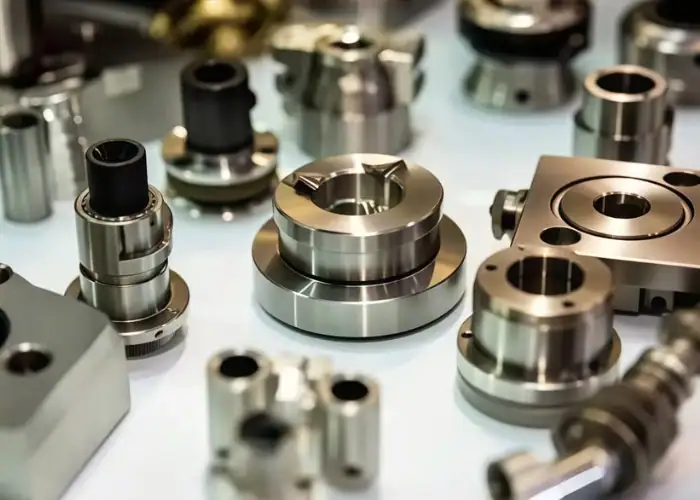
Material selection plays an important role in CNC milling because it affects part strength, weight, corrosion resistance, machinability, and overall cost. Different materials are suitable for different applications, so choosing the right one depends on the function of the part, the working environment, and the required performance.
Aluminum
Aluminum is one of the most commonly used materials for CNC milling parts. It is lightweight, easy to machine, and offers good corrosion resistance. Aluminum is often used for housings, brackets, panels, heat sinks, and many custom parts where low weight and efficient machining are important.
Stainless Steel
Stainless steel is widely used when higher strength, durability, and corrosion resistance are required. It is suitable for parts used in medical devices, food equipment, industrial systems, and harsh environments. Although stainless steel is usually more difficult to machine than aluminum, it is often chosen for applications that require stronger mechanical performance and longer service life.
Carbon Steel
Carbon steel is a practical choice for CNC milling parts that need good strength and toughness at a relatively low cost. It is often used for fixtures, shafts, supports, machine parts, and structural components in industrial applications. Compared with stainless steel, carbon steel is usually more economical, but it may require coating or plating to improve corrosion resistance.
Tool Steel
Tool steel is used for CNC milled parts that require high hardness, wear resistance, and dimensional stability. It is especially suitable for molds, dies, cutting tools, and other components exposed to repeated mechanical stress. Although tool steel can be more difficult to machine, it is often chosen for specialized applications where durability and performance are critical.
Brass
Brass is valued for its excellent machinability, stable processing performance, and attractive surface appearance. It is commonly used for fittings, connectors, valve parts, bushings, and decorative hardware. Brass is also a good option for parts that require moderate corrosion resistance together with precise machining results.
Copper
Copper is mainly used for CNC milled parts that require very high electrical conductivity or thermal conductivity. It is commonly found in electrical contacts, busbars, heat spreaders, cooling components, and other conductive parts. Although copper is softer and sometimes less efficient to machine than brass, it remains an important material for electrical and thermal applications.
Magnesium
Magnesium is a lightweight material used in CNC milling when reducing part weight is especially important. It is lighter than aluminum and can be used in aerospace, electronics, and other weight-sensitive applications. However, magnesium is less common in general machining because it has lower corrosion resistance and requires more careful handling during processing.
Engineering Plastics
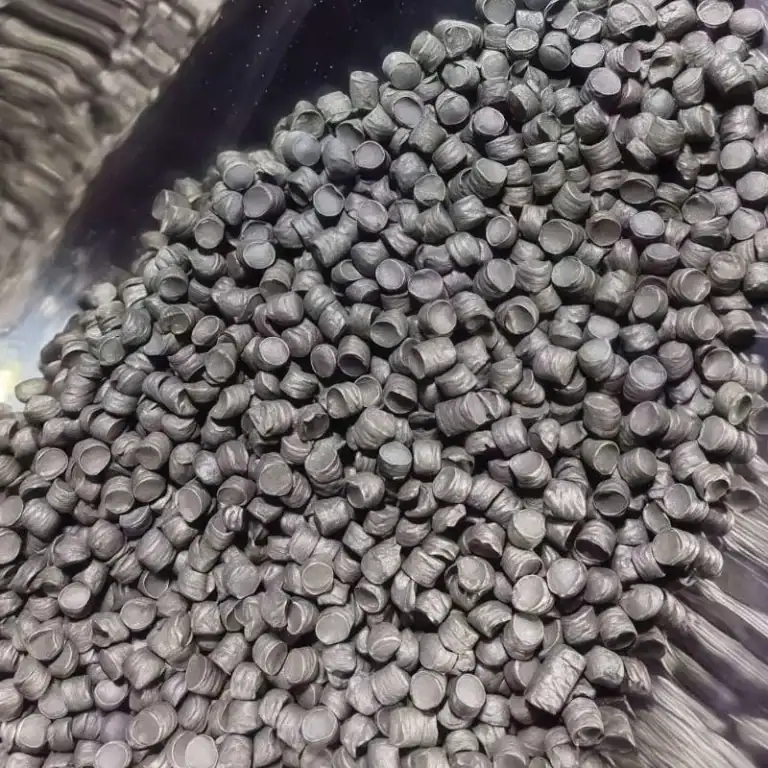
Engineering plastics are commonly used for CNC milling parts that require low weight, electrical insulation, chemical resistance, or low friction. Materials such as POM, nylon, PTFE, and PEEK are often selected for gears, bushings, seals, guides, and other functional components depending on the performance requirements.
Common CNC Milling Materials Comparison Table
| Material | Main Advantages | Limitations | Typical Applications |
|---|---|---|---|
| Aluminum | Lightweight, easy to machine, corrosion-resistant | Lower strength than steel in some cases | Housings, brackets, panels, heat sinks |
| Stainless Steel | Strong, durable, corrosion-resistant | Harder to machine, higher cost | Medical parts, food equipment, industrial components |
| Carbon Steel | Good strength, cost-effective | Poorer corrosion resistance | Machine parts, fixtures, structural components |
| Tool Steel | High hardness and wear resistance | More difficult to machine | Dies, molds, tooling components |
| Brass | Excellent machinability, attractive finish | Lower strength than steel | Fittings, connectors, decorative parts |
| Copper | High electrical and thermal conductivity | Softer, less efficient to machine | Electrical parts, heat-transfer components |
| Magnesium | Very lightweight | Lower corrosion resistance, special handling needed | Lightweight structural parts |
| Engineering Plastics | Lightweight, insulating, corrosion-resistant, low friction | Lower strength and heat resistance than metals in many cases | Gears, bushings, seals, guides, medical and precision parts |
Common Design Mistakes in CNC Milling Parts
Common design mistakes in CNC milling parts often include overly deep cavities, thin walls, unnecessarily tight tolerances, sharp internal corners, and features that do not allow enough tool access. These issues can make parts more difficult to machine and may also affect part quality, production efficiency, and overall cost.
Overly Thin Walls
Walls that are too thin can reduce part rigidity during machining and increase the risk of vibration, deformation, or dimensional instability. Thin walls are also more sensitive to clamping force and cutting pressure. If the design does not truly require very thin sections, keeping more practical wall thickness usually leads to better machining stability and more consistent part quality.
Sharp Internal Corners
Perfectly sharp internal corners are difficult to machine with standard milling tools because cutting tools have round profiles. Designing sharp internal corners often creates unnecessary manufacturing difficulty or requires extra processes. Adding realistic internal radii makes the part easier to machine and usually improves tool movement and overall efficiency.
Features That Are Difficult To Machine
Some part features may look acceptable in a CAD model but are difficult to machine in practice. Deep narrow pockets, very small slots, hidden surfaces, and inaccessible internal features can all increase machining complexity. These designs may require special tools, additional setups, or slower cutting conditions, which can increase cost and reduce production efficiency.
Excessive Tolerance Requirements
Applying tight tolerances to every feature is a common mistake. High precision should only be required where function, fit, or performance truly depends on it. Over-specifying tolerances can increase machining time, inspection effort, scrap risk, and overall production cost without providing real value to the final part.
Ignoring Tool Access And Setup Direction
A design may appear correct in terms of geometry but still be difficult to manufacture if tool access and setup direction are not considered. Features that cannot be reached easily by standard tools or that require multiple complex setups will reduce machining efficiency. Designing with tool approach, fixturing direction, and machining sequence in mind can make production more practical and reliable.
Overall, avoiding these common mistakes can make CNC milling parts easier to machine, easier to inspect, and more cost-effective to produce. Good design is not only about part function, but also about making the part realistic for manufacturing.
What Are the Applications of CNC Milling Parts?
CNC milling parts are used in many industries, including aerospace, automotive, medical, electronics, robotics, and industrial equipment. They are especially suitable for applications that require tight tolerances, complex geometries, reliable assembly, and consistent surface quality.
Aerospace Components
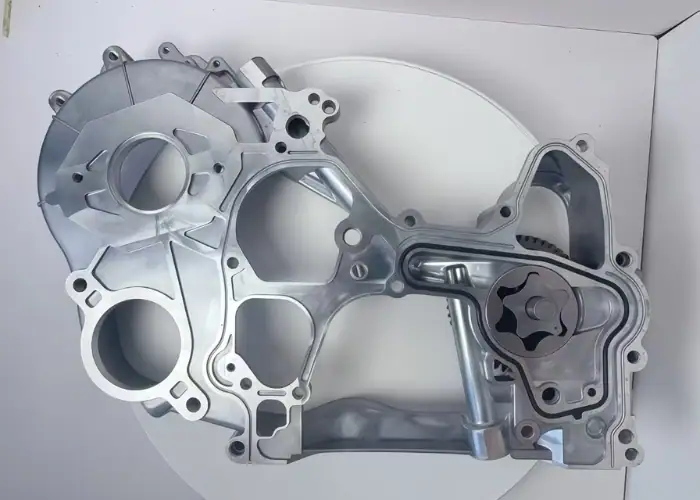
CNC milling parts are widely used in the aerospace industry for brackets, housings, structural supports, and other precision components. These parts often require lightweight materials, tight tolerances, and reliable mechanical performance.
Automotive Components
In the automotive industry, CNC milling parts are used for prototypes, engine-related components, mounting parts, housings, and custom performance parts. CNC milling helps produce accurate and repeatable parts for both development and production applications.
Medical Device Parts
Medical applications often require CNC milling parts with high precision, smooth surfaces, and reliable material performance. Common examples include device housings, surgical instrument components, support structures, and custom medical parts.
Electronics And Heat Sink Parts
CNC milling is commonly used in electronics for enclosures, mounting plates, connector parts, and heat sinks. These parts often require detailed features, precise dimensions, and good thermal performance.
Industrial Equipment Components
Many industrial machines and systems use CNC milling parts for bases, brackets, covers, interfaces, manifolds, and other functional components. In these applications, CNC milling supports durability, dimensional accuracy, and efficient assembly.
CNC milling parts are used in many industries because they offer a strong combination of precision, consistency, and design flexibility. This makes CNC milling a practical choice for both custom components and high-performance applications.
How to Choose the Right CNC Milling Parts Manufacturer?
Choosing the right CNC milling parts manufacturer matters because it affects part quality, lead time, and production reliability. A good supplier should be able to support your project in machining capability, materials, quality control, and engineering communication.
Evaluate Machining Capability
The first step is to review whether the manufacturer has the right machining capabilities for your parts. This includes machine type, axis capability, part size range, tolerance control, and experience with complex geometries. If your project involves tight tolerances, multi-face machining, or detailed features, the supplier should be able to demonstrate relevant production experience.
Check Material And Tolerance Support
A qualified manufacturer should also be able to process the materials required for your project, such as aluminum, stainless steel, brass, titanium, or engineering plastics. At the same time, they should understand practical tolerance standards and know how to balance accuracy with manufacturability and cost. Good material and tolerance support is a key sign of engineering reliability.
Review Prototype And Production Flexibility
Not every CNC milling parts manufacturer is equally strong in both prototyping and production. Some suppliers are better suited for low-volume development work, while others focus on medium- to high-volume manufacturing. Choosing a manufacturer that can support your current needs and possible future production stages can improve continuity and reduce supplier change risk.
Confirm Quality Control Standards
Quality control is another critical factor. A good manufacturer should have clear inspection procedures, proper measuring equipment, and a stable quality management process. This may include first article inspection, in-process checks, final inspection, and dimensional verification using tools such as calipers, micrometers, height gauges, or CMM systems.
Compare Lead Time And Engineering Support
Lead time and technical communication also matter. A strong supplier should be able to provide realistic delivery schedules, clear feedback on manufacturability, and practical suggestions for improving part design or reducing machining cost. Good engineering support is often just as important as machine capacity, especially for custom CNC milling parts.
In general, the best CNC milling parts manufacturer is not simply the one with the lowest price.It is the one that can consistently deliver the right balance of precision, quality, support, and production reliability for your specific project.
FAQs
What Is The Difference Between CNC Milling And CNC Turning Parts?
CNC milling parts are made by rotating the cutting tool against a fixed or moving workpiece, which is ideal for flat surfaces, slots, pockets, and complex 3D shapes. CNC turning parts are made by rotating the workpiece against a stationary tool, which is better for round or cylindrical shapes. In general, milling is better for complex geometry, while turning is more efficient for shafts, pins, and other rotational parts.
What Makes Precision CNC Milling Parts Different?
Precision CNC milling parts require tighter tolerances, better surface finish, and stricter dimensional control than standard milled parts. Standard machining may allow around ±0.05 mm, while precision parts often require ±0.01 mm or tighter. They also usually involve better fixtures, advanced tooling, multi-axis machining, and more detailed inspection methods such as CMM measurement and surface finish checks.
How Can You Design Better CNC Milling Parts?
Better CNC milling parts are designed for both function and manufacturability. This means using practical wall thickness, standard hole sizes, realistic corner radii, and only applying tight tolerances where necessary. Good design also considers tool access, machining direction, and material choice. These decisions can reduce machining cost, improve production efficiency, and help achieve more stable part quality.
When Should You Choose Custom CNC Milling Parts?
You should choose custom CNC milling parts when standard parts cannot meet your geometry, tolerance, material, or assembly requirements. They are commonly used in aerospace, medical, electronics, robotics, and industrial equipment. Custom parts are especially valuable for prototypes, low-volume production, and high-performance assemblies where fit, function, and precision are more important than off-the-shelf availability.
Conclusion
CNC milling parts are widely used in modern manufacturing because they offer high precision, design flexibility, and reliable performance. From part types and functions to materials, design tips, and common mistakes, each factor can affect manufacturability, cost, and final part quality. Understanding these key points can help you make better decisions when designing or sourcing CNC milling parts for your project.
At TiRapid, we provide custom CNC milling parts for a wide range of industries and applications. Whether you need prototypes or production parts, our team can support your project with reliable machining, material options, and engineering assistance.