Carbon steel and alloy steel are both widely used in engineering and manufacturing, but they differ in composition, performance, and application value. Carbon steel mainly depends on carbon content, while alloy steel contains added elements to improve specific properties. These differences affect strength, toughness, machinability, cost, and how each material performs in real production conditions.
This guide explains the key differences between alloy steel and carbon steel, including their properties, strength, applications, machining behavior, and cost considerations for practical material selection.
What Are Alloy Steel and Carbon Steel?
Alloy steel and carbon steel are both common engineering materials, but they are defined in different ways and used for different performance goals. Understanding how each material is classified helps explain why they behave differently in machining, heat treatment, strength, and real manufacturing applications.
1.Definition Of Alloy Steel
Alloy steel is a type of steel that contains additional alloying elements beyond carbon, such as chromium, molybdenum, nickel, vanadium, or manganese. These elements are added to improve specific properties such as strength, hardness, wear resistance, toughness, heat resistance, or corrosion performance.
In engineering use, alloy steel is often selected when standard carbon steel cannot provide enough performance under load, wear, temperature, or fatigue conditions. Different alloy combinations create different grades, which is why alloy steel covers a broad range of applications rather than one fixed material type.
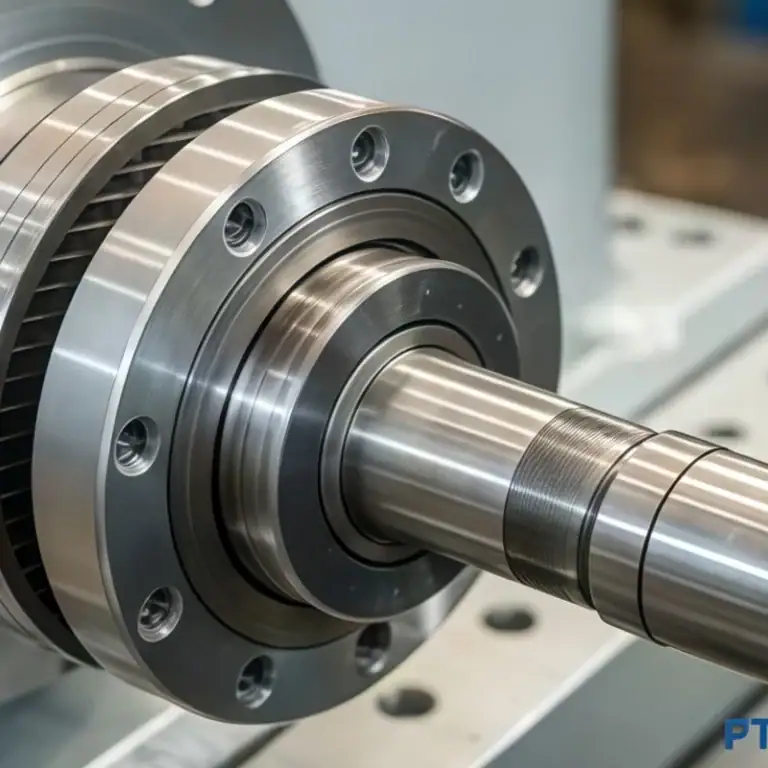
Compared with simpler steels, alloy steel is usually chosen for parts that need stronger mechanical performance, more stable heat-treatment results, or better long-term durability. It is common in shafts, gears, tooling components, wear parts, structural parts, and demanding machine elements.
2.Definition Of Carbon Steel
Carbon steel is steel in which carbon is the main alloying element affecting hardness and strength. It usually contains iron and carbon with relatively limited amounts of other alloying additions. Because of this simpler composition, carbon steel is often more economical and easier to source than many alloy steels.
Carbon steel is commonly divided into low-carbon, medium-carbon, and high-carbon categories. Low-carbon steel is widely used where formability and weldability matter. Medium-carbon steel is often used when higher strength is needed. High-carbon steel is more suitable for harder and more wear-resistant applications.
In manufacturing, carbon steel is widely used because it offers a practical balance of cost, strength, machinability, and availability. It is common in structural components, general machinery parts, industrial hardware, brackets, and many standard engineering applications.
3.Basic Difference In Material Definition
The main difference is that alloy steel is defined by the addition of alloying elements for improved performance, while carbon steel is defined mainly by carbon content and its effect on strength and hardness. This difference explains why alloy steel is often used for more specialized mechanical requirements, while carbon steel is more common in general-purpose manufacturing and cost-sensitive applications.
Key Differences Between Carbon vs Alloy Steel
The main difference between alloy steel and carbon steel lies in composition and performance. In CNC machining manufacturering Carbon steel depends mainly on carbon content to define its behavior, while alloy steel uses additional alloying elements to create more specialized mechanical and physical properties.
The table below provides a direct comparison of alloy steel and carbon steel across the most important engineering and manufacturing factors:
| Comparison Factor | Alloy Steel | Carbon Steel |
| Chemical Composition | Contains added alloying elements such as chromium, nickel, molybdenum, manganese, or vanadium | Depends mainly on carbon content with fewer alloying additions |
| Mechanical Strength And Hardness | Usually offers stronger and more controllable performance, especially after heat treatment | Can provide good strength, but the performance range is usually narrower |
| Toughness And Wear Resistance | Better for wear, fatigue, and demanding mechanical conditions | Acceptable in many uses, but often less reliable in severe wear conditions |
| Corrosion And Heat Resistance | Often better than standard carbon steel depending on grade and alloy content | Usually requires coating or treatment for harsher environments |
| Cost And Material Availability | More expensive and more application-specific | More economical and more widely available |
| Heat Treatment Response | More flexible and often more effective for specialized performance | Simpler response, but less performance tailoring |
| Typical Use | Gears, shafts, dies, tooling parts, wear components | Structural parts, general machinery parts, brackets, standard industrial components |
Carbon vs Alloy Steel Strength Comparison
When engineers ask which is stronger, alloy steel or carbon steel, the answer depends on grade, heat treatment, loading condition, and service environment. In many practical cases, alloy steel often provides more stable and predictable mechanical performance, but carbon steel should not be treated as weak by default.
1.Tensile Strength
Alloy steel often delivers higher tensile strength than standard carbon steel, especially when heat treated for specific engineering performance. This is one reason it is commonly used in highly loaded machine components. Carbon steel can also provide strong tensile performance, especially in medium- and high-carbon grades. However, alloy steel usually offers more controlled performance across demanding operating conditions.
2.Hardness And Wear Behavior
Alloy steel is often better suited to applications where hardness and wear resistance are critical. It can achieve strong surface and core performance combinations depending on alloy design and heat treatment route. Carbon steel may also be hardened, but its performance in wear-heavy applications is usually less versatile. In long-term abrasive or cyclic wear conditions, alloy steel often holds an advantage.
3.Impact Resistance
Alloy steel is usually stronger in impact resistance and toughness, especially in grades designed for mechanical loading and fatigue. This matters in parts exposed to shock, repeated motion, or fluctuating load. Higher-carbon steels may offer high hardness but can become more brittle depending on treatment and application. That is why “stronger” should not be judged only by hardness or carbon content alone.
4.Strength In Real Engineering Use
In real manufacturing use, alloy steel is often selected when the part must survive combined stress, wear, and repeated loading. Carbon steel is often selected when strength is important but the application does not justify the higher cost of alloy steel. In practical engineering decisions, the comparison of carbon vs alloy steel should always be based on the type of strength required, including static load, fatigue performance, and wear resistance, rather than relying on general assumptions.
Machinability of Alloy Steel vs Carbon Steel
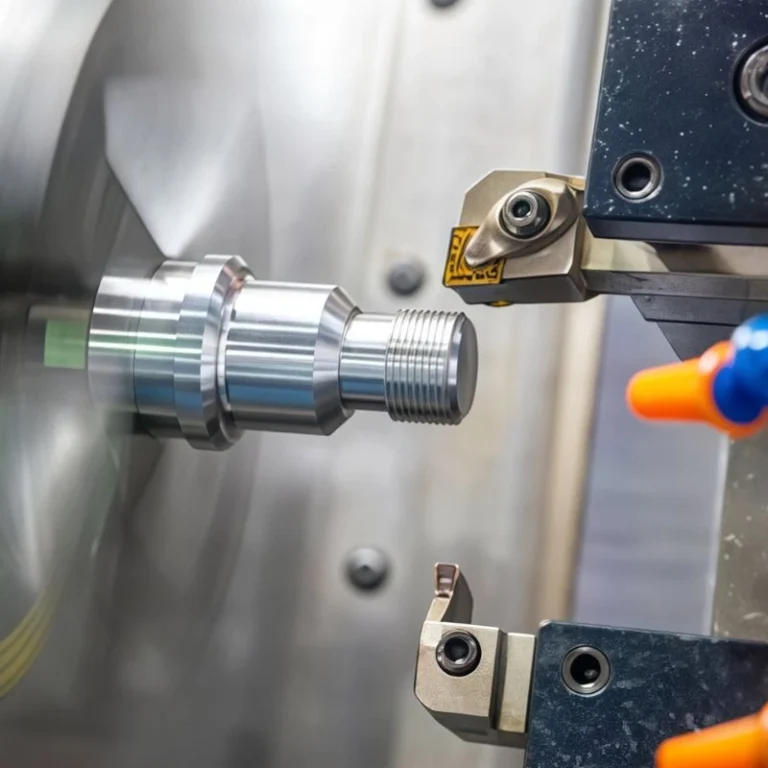
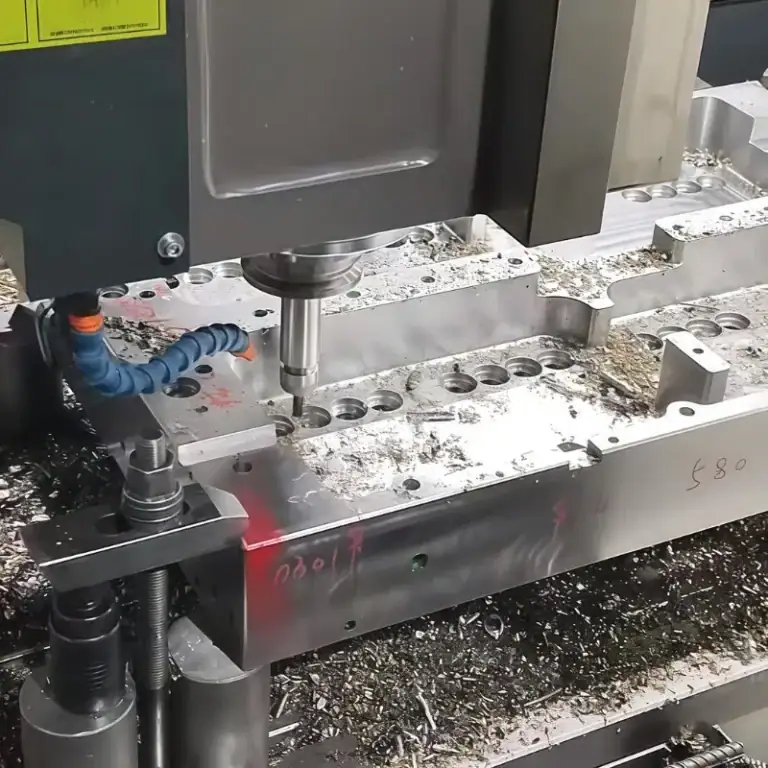
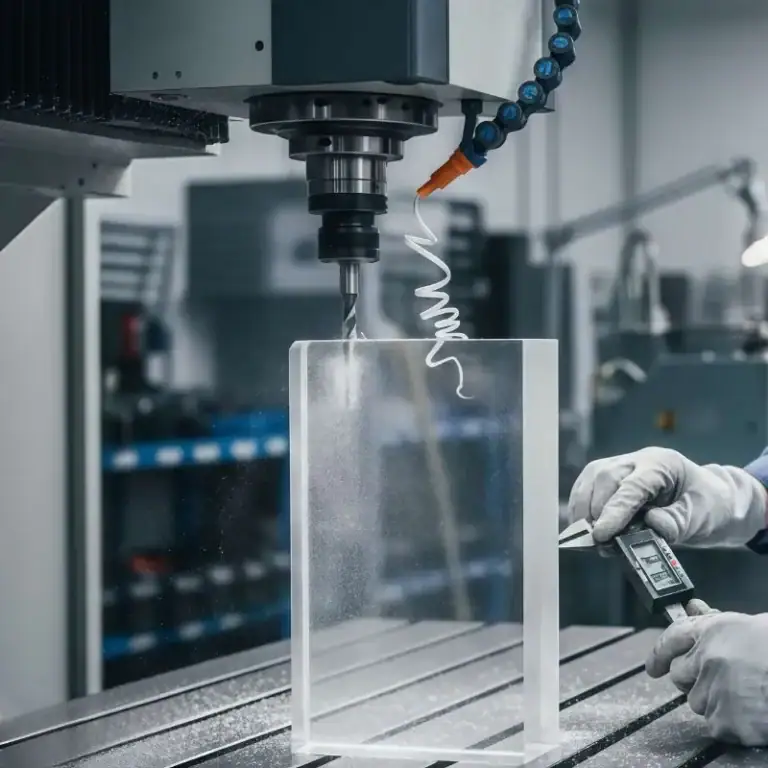
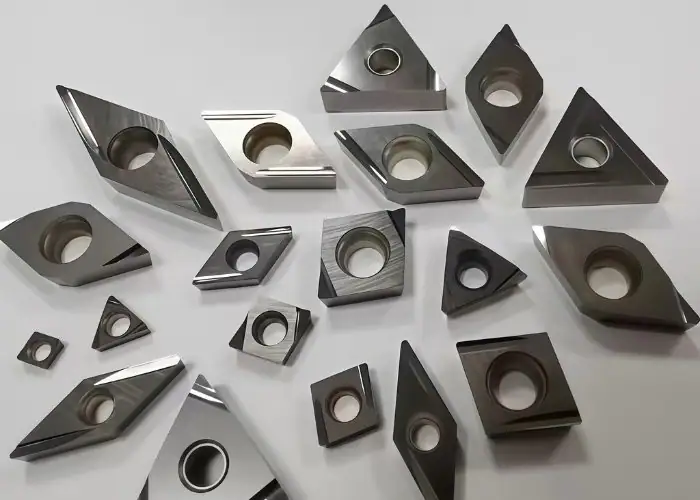
Machinability is one of the clearest practical differences between alloy steel and carbon steel in CNC machining, because the two materials do not respond to cutting in the same way. Their difference affects cutting speed, tool wear, heat generation, surface finish, cycle time, and overall production cost, which is why machinability should be reviewed together with final part performance.
1.CNC Machining Behavior
Carbon steel is often easier to machine than many alloy steels, especially in grades used for general engineering parts. It can provide a practical balance between strength and cutting efficiency. Alloy steel may be more difficult to machine depending on grade, hardness, and heat treatment condition. Some alloy steels cut reasonably well, but others require slower cutting conditions, stronger tooling strategy, and tighter process control.
2.Tool Wear And Cutting Stability
Alloy steel often creates more tool wear than general-purpose carbon steel, particularly when hardness and alloy content are higher. This increases the importance of insert selection, toolpath control, coolant strategy, and cutting parameter stability. Carbon steel is usually more predictable in many general machining applications, which can help reduce cycle cost. However, real machinability still depends heavily on the specific grade rather than the category name alone.
3.Heat Treatment Effects On Machining
Heat treatment changes machinability significantly. A normalized carbon steel and a hardened alloy steel behave very differently in cutting, even if their base composition is both steel. Many alloy steels are selected precisely because they respond well to heat treatment, but this also means post-treatment machining may become more difficult and expensive. That should be considered early in process planning.
4.Material Selection For Precision Parts
For precision CNC parts, the decision should not be based only on ease of machining. Carbon steel may be easier and cheaper to cut, but alloy steel may be more suitable if the finished part needs better fatigue strength, wear resistance, or stability in service. In CNC machining, the choice between alloy vs carbon steel should balance machining efficiency, tooling cost, and final part performance to achieve the most practical production outcome.
| Comparison Factor | Carbon Steel | Alloy Steel | Machining Impact |
|---|---|---|---|
| General Machinability | Usually easier to machine in many general-purpose grades | Often more difficult to machine depending on alloy content, hardness, and heat treatment | Affects cutting efficiency, cycle time, and overall cost |
| Cutting Speed | Typically supports higher cutting speeds in standard conditions | Often requires slower cutting speeds, especially in harder grades | Influences production rate and tool life |
| Tool Wear | Usually causes less tool wear in common machining applications | Often leads to faster tool wear, especially in high-strength or heat-treated grades | Increases tooling cost and replacement frequency |
| Cutting Stability | Generally more predictable and stable in routine machining | May require tighter parameter control and more rigid tooling strategy | Affects process consistency and dimensional control |
| Heat Generation | Usually generates less machining difficulty under similar conditions | Can generate more heat during cutting, especially in tougher grades | May affect surface finish and tool performance |
| Surface Finish | Often easier to achieve a stable surface finish in standard grades | Surface finish may be harder to control in difficult-to-machine grades | Impacts part quality and finishing requirements |
| Heat Treatment Influence | Machinability changes after treatment, but is often still manageable in many cases | Heat treatment can significantly reduce machinability and increase machining difficulty | Important for process planning and cost estimation |
| Best Use In CNC Machining | Suitable when cost efficiency and easier machining are priorities | Suitable when higher strength, wear resistance, or fatigue performance is required | Final selection should balance machining efficiency and part performance |
Applications Of Alloy Steel and Carbon Steel
Alloy steel and carbon steel are both widely used in manufacturing, but they are typically applied in different types of parts based on performance demands. Carbon steel is often used where cost, availability, and general strength are the main priorities, while alloy steel is more suitable for components that require better wear resistance, fatigue performance, heat resistance, or long-term reliability.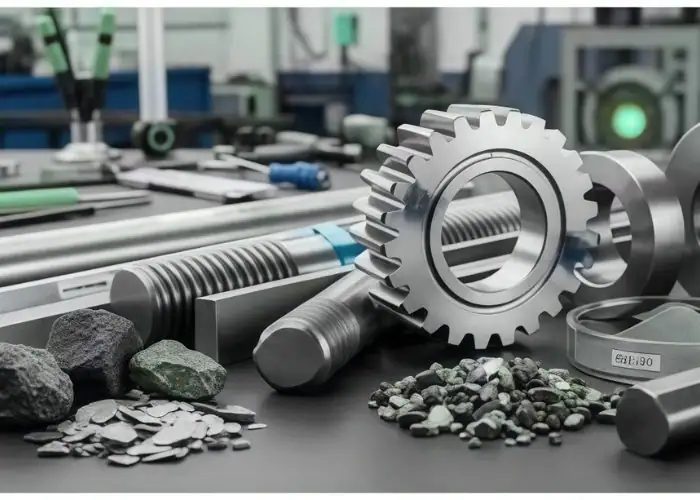
Structural And General Industrial Parts
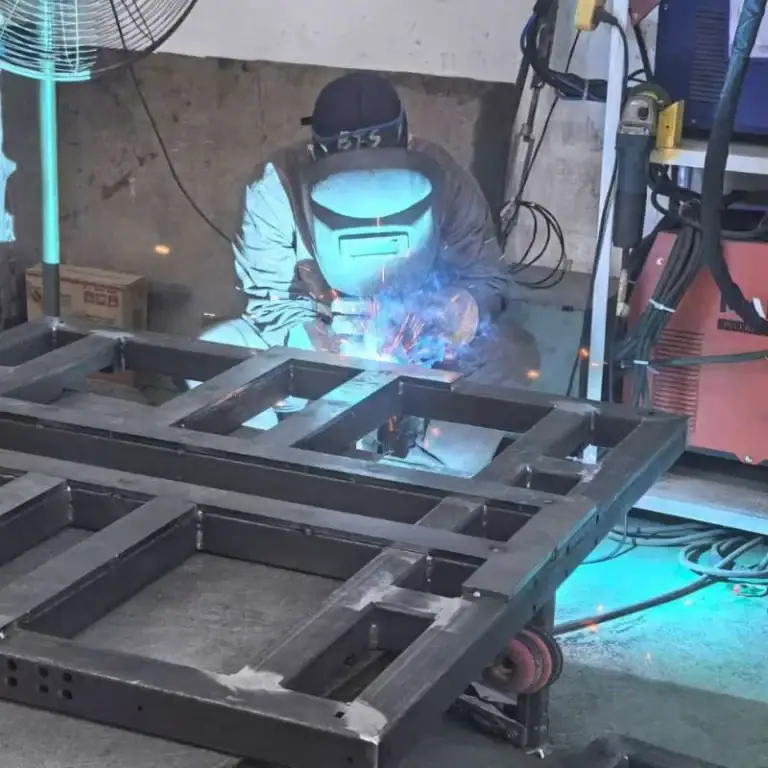
Carbon steel is common in structural and general industrial parts because it offers reasonable strength at lower cost. It is widely used in frames, brackets, machine supports, welded structures, and basic industrial hardware. When the application does not demand advanced wear or heat resistance, carbon steel is often the more economical and practical choice.
Automotive And Machinery Components
Alloy steel is commonly used in automotive and machinery components where repeated load, fatigue, and wear are important. Shafts, gears, transmission parts, bearings supports, and mechanical drive components often benefit from alloy steel grades. Carbon steel is still used in automotive and machinery applications, but more often in simpler or less demanding components.
Tooling, Shafts, And Wear Parts
Alloy steel is frequently selected for tooling, shafts, dies, mold-related components, and wear-sensitive parts. This is because it can provide stronger hardness, better wear resistance, and more stable heat-treated performance. Carbon steel may still be used in some tooling-related components, but alloy steel is often preferred where durability and service life are more important.
Parts Requiring Heat Or Corrosion Resistance
Where temperature, oxidation, or environmental exposure matters, alloy steel often provides better performance than standard carbon steel. This does not automatically make it the same as stainless steel, but it can be a stronger option for more demanding service conditions. Carbon steel usually requires coating, plating, painting, or other surface protection if corrosion risk is present.
Alloy Steel vs Carbon Steel In Cost And Production
Alloy steel and carbon steel differ not only in raw material price, but also in machining cost, heat treatment cost, and long-term production value. In real manufacturing, the more economical choice depends on total process cost, service life, and whether the material performance justifies the added investment.
Raw Material Cost
Carbon steel is usually less expensive than alloy steel. Its simpler composition and broad availability make it one of the most cost-effective engineering materials for general use. Alloy steel is generally more expensive because of the added elements and the performance value they provide.
Processing And Machining Cost
Carbon steel often reduces machining cost because it is more practical to cut in many standard manufacturing conditions. That can lower cycle time and tooling wear. Alloy steel may increase machining cost depending on grade and hardness, especially if more conservative cutting parameters or more expensive tooling are required.
Heat Treatment And Secondary Operations
Some carbon steel parts may need extra treatment if higher strength or wear performance is required. Some alloy steels may also require heat treatment, but they usually respond better and more predictably in demanding performance applications. That means cost should be judged across the full manufacturing route, not only by raw material price.
Cost In Long-Term Service
Although alloy steel often costs more at the start, it may reduce replacement frequency, performance risk, or failure cost over time. In this sense, the lower-cost material is not always the lower-cost solution in total lifecycle terms.
Alloy Steel vs Carbon Steel vs Stainless Steel
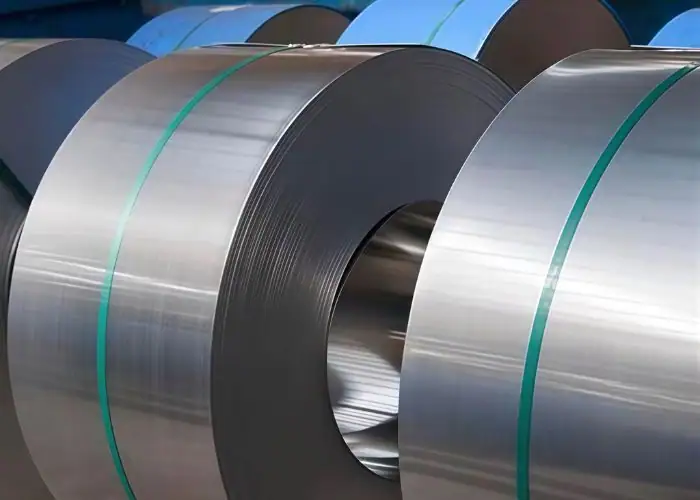
Alloy steel, carbon steel, and stainless steel are often compared because they serve different priorities in engineering and manufacturing. Carbon steel is usually chosen for cost and general strength, alloy steel for higher mechanical performance, and stainless steel for corrosion resistance, so the right choice depends on which requirement matters most in the application.
How To Choose Between Alloy Steel And Carbon Steel?
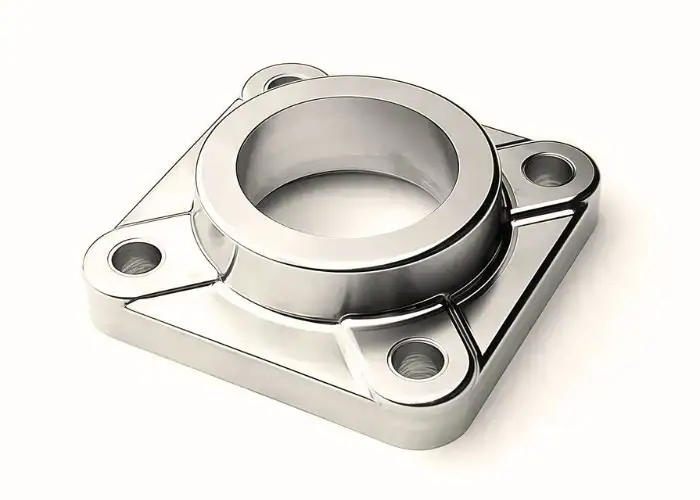
Choosing between alloy steel and carbon steel should be based on part function, service environment, machining method, budget, and production scale. A practical material decision comes from matching actual engineering requirements with manufacturing reality, not from assuming that the higher-performance material is always the better choice.
1.Performance Requirements
Performance requirements should be reviewed first because they define whether the part needs only practical strength or more advanced mechanical properties. If the application requires better wear resistance, fatigue strength, hardness control, or stable heat-treated performance, alloy steel is often the better choice.
Carbon steel is usually more practical when general structural strength is enough and the part does not face severe wear, repeated stress, or demanding service conditions. The key is to match material capability with the real function of the part.
2.Service Environment
Service environment has a direct effect on material suitability. If the part operates under high load, repeated impact, cyclic stress, or more demanding mechanical conditions, alloy steel often provides better long-term reliability and performance stability.
In milder or less demanding environments, carbon steel may be fully adequate and more economical. Material choice should always reflect how the part will actually work, not only its nominal strength.
3.Manufacturing Method
Manufacturing method also affects the material decision, especially in CNC machining. If machining efficiency, tooling cost, and production speed are critical, carbon steel may offer better practicality because it is often easier to cut and more predictable in standard machining conditions.
However, if final part performance matters more than machining ease, alloy steel may still be the stronger choice. The best decision should balance machinability with the required service performance of the finished part.
4.Budget And Production Scale
Budget and production scale strongly influence whether higher-performance material is worth the added cost. For cost-sensitive programs or high-quantity production, carbon steel is often attractive because it reduces both material cost and, in many cases, machining cost.
For smaller quantities, specialized parts, or applications where performance risk is more important than upfront savings, alloy steel may justify its higher price. In these cases, better durability or longer service life can offset the initial cost difference.
5.Engineering Review Before Final Selection
Material selection should always be reviewed together with drawing requirements, heat treatment plan, machining route, surface requirements, and service expectations. A better material on paper is not always the better material in actual production.
The best engineering decision is usually the one that balances performance, manufacturability, cost, and production consistency. Final selection should support both part function and realistic manufacturing conditions.
Alloy Steel vs Carbon Steel Selection Guide
The table below provides a quick selection guide for common engineering and manufacturing situations. It helps match alloy steel or carbon steel to real project priorities such as cost, wear resistance, machining efficiency, and long-term service performance:
| Scenario | Recommended Material |
| General structural parts | Carbon Steel |
| Cost-sensitive production | Carbon Steel |
| High wear / fatigue parts | Alloy Steel |
| Heat-treated performance required | Alloy Steel |
| CNC machining efficiency priority | Carbon Steel |
| Long-term durability priority | Alloy Steel |
Common Selection Concerns In Engineering Projects
In engineering projects, the main concerns when choosing between alloy steel and carbon steel are usually strength, cost, machinability, service conditions, and long-term reliability. These factors affect not only material performance, but also machining strategy, production stability, and total manufacturing value.

Performance And Strength Priorities
Material selection should first match the required mechanical performance of the part. Alloy steel is usually preferred when higher fatigue strength, wear resistance, or heat-treated performance is needed. Carbon steel is often sufficient for general structural strength and non-critical load conditions. The key decision is whether the application requires enhanced performance or only practical strength.
Cost And Manufacturing Efficiency
Cost considerations should include not only raw material price, but also machining cost, tooling wear, heat treatment, and overall production efficiency. Carbon steel is often more economical for high-volume or cost-sensitive projects. Alloy steel may increase upfront cost, but it can improve durability and reduce long-term failure or replacement cost. A better decision considers total manufacturing value rather than initial price alone.
Machinability And Tooling Impact
Machinability directly affects production time, tooling cost, and process stability. Carbon steel is generally easier to machine, allowing higher cutting efficiency and lower tool wear in many CNC applications. Alloy steel may require more controlled cutting conditions depending on grade and hardness. The selection should balance machining efficiency with the final performance required from the part.
Service Conditions And Material Reliability
The working environment of the part plays a major role in material selection. Alloy steel is often more reliable under high load, repeated stress, or demanding mechanical conditions. Carbon steel performs well in stable and less demanding environments. If the application involves wear, impact, or fatigue over time, alloy steel may offer better long-term reliability.
Material Selection In Real Production Decisions
Material selection should always be reviewed together with drawing requirements, machining method, heat treatment plan, and service expectations. A material that looks better in theory may not be the most practical in production. The best engineering decision is the one that balances performance, manufacturability, cost, and production consistency in real manufacturing conditions.
FAQs
What Is The Main Difference Between Alloy Steel And Carbon Steel?
The main difference is that alloy steel contains added alloying elements to improve performance, while carbon steel depends mainly on carbon content. This gives alloy steel a wider range of specialized mechanical properties. Carbon steel is usually simpler, more common, and more economical. In practice, the difference matters most when performance demands go beyond basic strength.
Which Is Stronger, Alloy Steel Or Carbon Steel?
Alloy steel is often stronger in overall engineering use because it usually offers better toughness, fatigue resistance, and heat treatment response. Carbon steel can still reach high strength, especially in higher-carbon grades. The better answer depends on the exact grade and working condition. Strength should always be judged by application, not by name alone.
Is Alloy Steel More Expensive Than Carbon Steel?
Yes, alloy steel is usually more expensive than carbon steel in raw material cost.
It may also increase machining and processing cost depending on hardness and heat treatment. However, its higher price can be justified if the part needs better performance or longer service life. The correct comparison should be based on total manufacturing value, not only purchase price.
When Should Carbon Steel Be Chosen?
Carbon steel should be chosen when the part needs practical strength at lower cost and does not require advanced material performance. It is a strong option for structural parts, general industrial components, and cost-sensitive production. It is also attractive when machinability and sourcing simplicity matter. In many standard applications, carbon steel is the more efficient choice.
When Is Alloy Steel A Better Choice?
Alloy steel is a better choice when the part needs better wear resistance, fatigue strength, toughness, or heat-treated performance. It is often used in shafts, gears, tooling parts, and components under higher load or repeated stress. It also becomes more valuable when long-term reliability matters more than lower initial cost. For demanding service conditions, alloy steel is often the safer engineering choice.
Is Stainless Steel Better Than Carbon vs alloy steel?
Stainless steel is not automatically better, because its main advantage is corrosion resistance rather than universal mechanical superiority. Alloy steel is often stronger for demanding mechanical performance, while carbon steel is often more economical. The best material depends on whether corrosion, strength, machinability, or cost is the main priority. Stainless steel is the right answer only when corrosion resistance is truly required.
Conclusion
Carbon vs alloy steel are both important engineering materials, but they serve different needs in manufacturing. Carbon steel is often more economical and practical for general parts, while alloy steel is often stronger in wear resistance, toughness, heat-treated performance, and demanding service conditions. The right choice depends on function, machining method, environment, and cost target.
At TiRapid, material selection and CNC machining strategy can be reviewed together to support better part performance and more practical production decisions. If you are comparing carbon vs alloy steel for a project, our engineering team can help you select the most suitable material and optimize your manufacturing process.