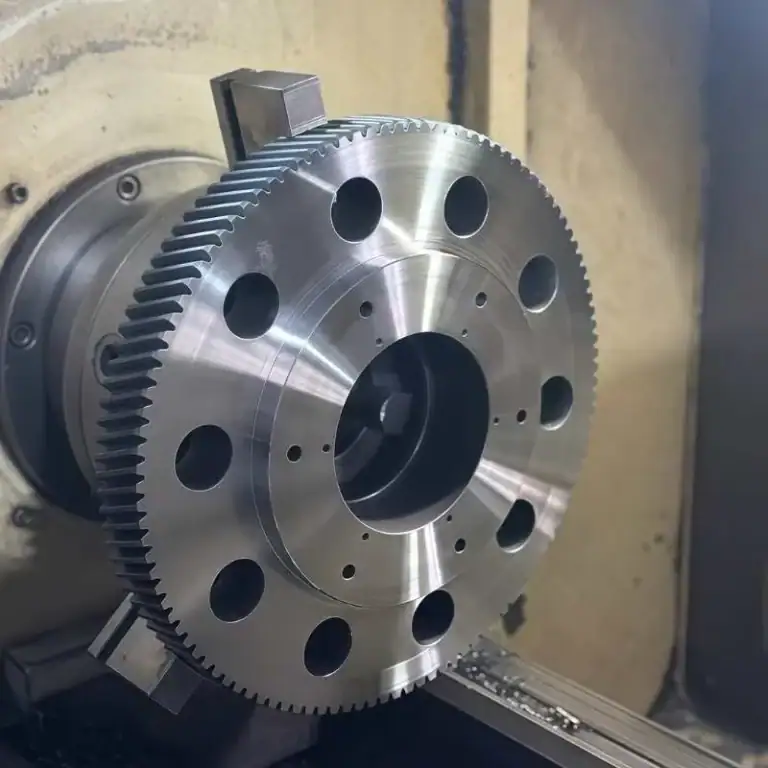
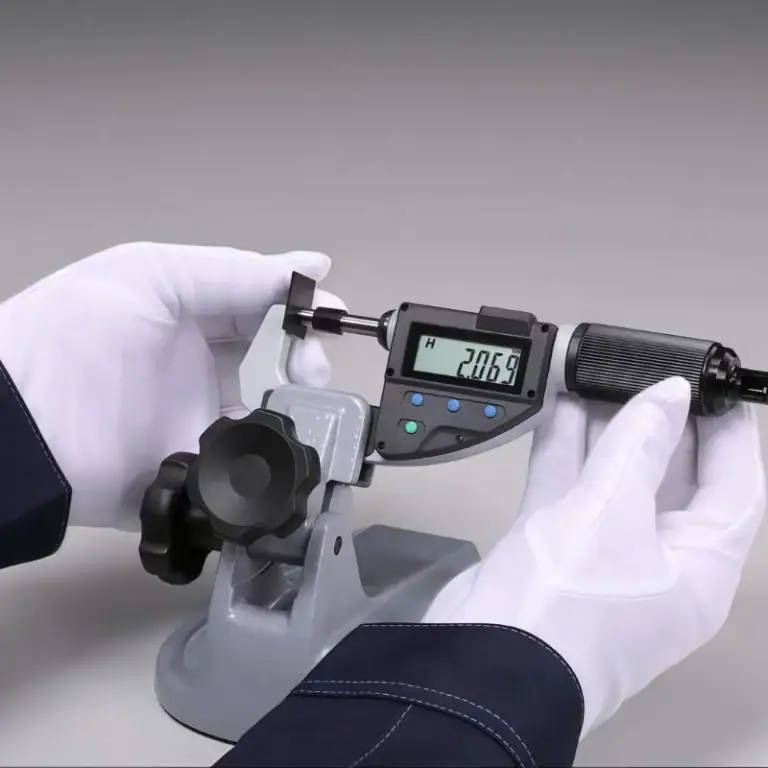
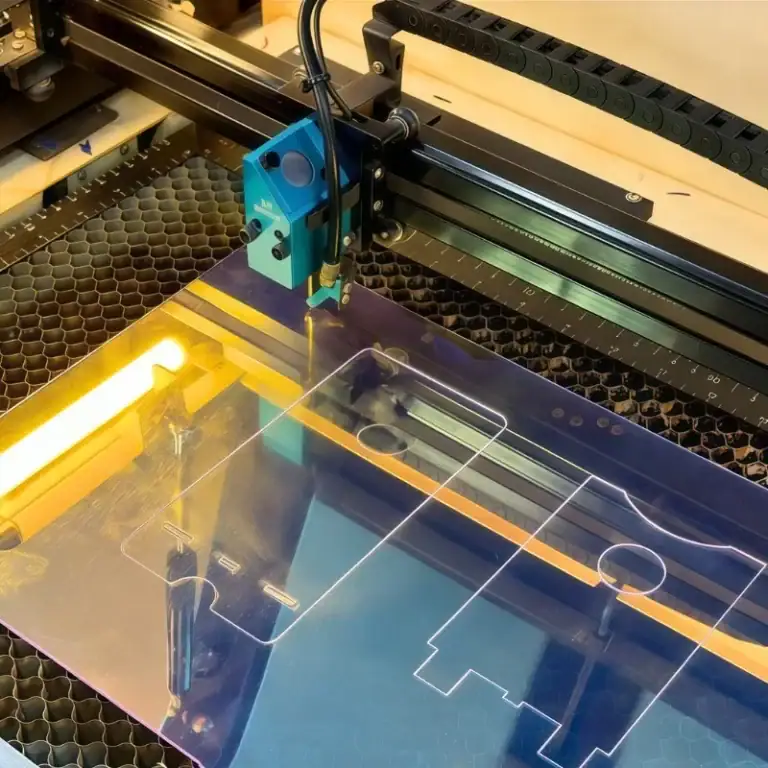
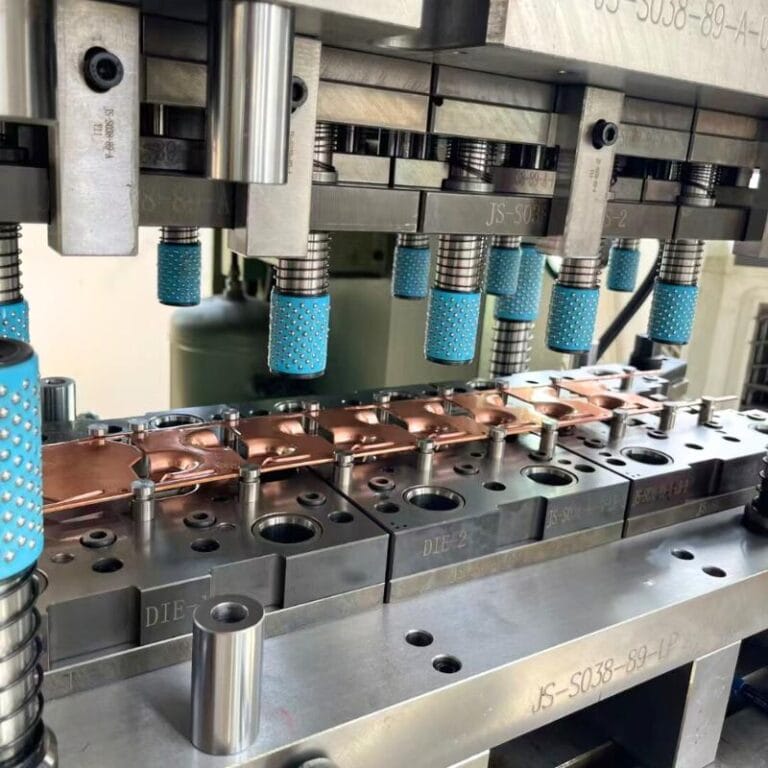
Aluminum machining cost isn’t just about machine time. Material grade, tolerances, quantity, and design choices all affect final pricing. In this guide, I show how to estimate aluminum CNC costs accurately—and avoid overpaying.
Understanding Aluminum CNC Machining Costs
Aluminum CNC machining cost at a CNC manufacturer is mainly driven by machining time, setup effort, material grade, and order volume. In most cases, finished aluminum parts cost between $30 and $500 per part, with machining rates typically ranging from $0.50 to $3.00 per minute.
From my experience working with CNC manufacturers, part complexity alone can account for 40–60% of total cost—especially when tight tolerances, deep cavities, or multi-axis operations are involved.
Cost Structure Breakdown:
- Setup Cost: Programming, fixtures, and tooling, usually $50–$200/hour
- Machining Cost: Machine time at $30–$150/hour
- Material Cost: Aluminum at $2–$6/lb, with alloys like 7075-T6 costing more
- Volume Effect: Higher quantities dilute setup cost and reduce unit price
For example, a simple 6061 aluminum bracket may cost $30–$100 per piece, while complex aerospace parts can exceed $300+. Optimizing design for machinability can realistically reduce total cost by 30–50%.
What Is Aluminum CNC Machining and Why Is It Cost-Effective
Aluminum CNC machining is widely recognized as one of the most cost-effective precision manufacturing methods. Its excellent machinability, fast cutting speeds, and stable material properties make aluminum the first choice for prototypes and production parts alike.
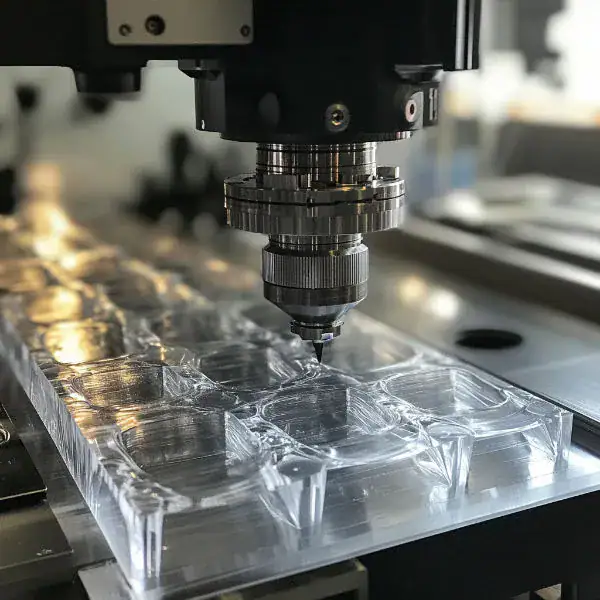
Aluminum CNC machining is a subtractive manufacturing process where computer-controlled machines precisely remove material from aluminum workpieces through milling, turning, drilling, and tapping. Compared with steel or titanium, aluminum can be machined 3–4× faster, significantly reducing cycle time.
From my experience, aluminum’s low hardness and good thermal conductivity result in less tool wear, lower energy consumption, and more stable dimensional control. These advantages directly translate into lower machining cost per minute, typically $0.50–$3.00/min, and predictable part pricing.
In addition, aluminum alloys such as 6061 and 7075 are widely available, easy to fixture, and suitable for both prototypes and large production runs. This flexibility allows manufacturers to scale production without major cost jumps, making aluminum CNC machining one of the most economical precision processes in modern manufacturing.
Key Factors That Determine Aluminum CNC Machining Cost
Aluminum CNC machining cost is not random—it’s the result of several measurable factors working together. From material choice to part complexity and production volume, understanding these cost drivers helps engineers and buyers control budgets without sacrificing quality.
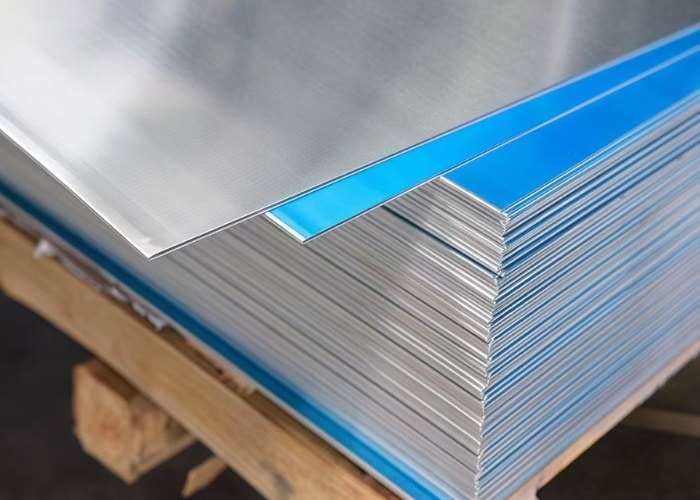
Aluminum Material Selection
Material cost typically accounts for 15–25% of total machining cost. Common alloys like 6061-T6offer excellent machinability and lower tool wear, making them cost-effective. High-strength alloys such as 7075-T6 cost more and machine slower, increasing both material and labor expenses.
Part Complexity & Design Features
Part complexity is often the largest cost driver (30–50%). Tight tolerances, thin walls, deep cavities, and complex geometries increase machining time and require advanced tooling. In my experience, simplifying features or adjusting tolerances can reduce total cost by 30–40%.
Machining Time & Accuracy
CNC machine hourly rates typically range from $30–$150/hour. High-precision parts require slower feed rates, multiple tool changes, and additional inspection steps, all of which increase machining time and cost.
Setup & Programming Costs
Setup and CNC programming usually represent 10–30% of total cost and have the greatest impact on low-volume orders. Complex toolpaths and fixturing raise upfront costs, but these expenses are amortized in larger production runs.
Production Volume
Production volume directly affects unit price. Higher quantities spread setup costs and enable material discounts, significantly reducing per-part cost. Small batch or prototype orders naturally carry higher unit prices.
Post-Machining Operations
Secondary processes—such as anodizing, sandblasting, polishing, or inspection—add 5–20% to the total cost. While optional, these steps often improve corrosion resistance, appearance, and part lifespan.
Production Volume and Its Impact on Unit Price
Production volume is one of the most powerful levers in aluminum CNC machining cost. The same part can vary significantly in unit price depending on order quantity, because fixed costs are spread differently and efficiency improves at scale.
In CNC machining, many costs are fixed regardless of quantity. These include CNC programming, fixture setup, tool loading, and first-article inspection. Whether you machine 1 part or 500 parts, these setup costs remain nearly the same—directly affecting unit price.
For low-volume orders (1–10 pcs), setup costs often account for 40–60% of the total unit cost. As volume increases to 50–100+ pcs, setup cost impact typically drops to 5–15%, dramatically lowering the per-part price.
Higher production volumes also unlock:
- Material cost reductions through bulk aluminum purchasing
- Shorter cycle times via optimized tool paths
- Multi-part fixtures that machine several parts simultaneously
- Dedicated tooling that reduces tool-change downtime
From my experience, moving from prototype quantities to small-batch production can reduce unit cost by 30–70%, even without changing material or design.
Raw Material Cost vs Machining Cost Breakdown
When quoting aluminum CNC parts, many buyers focus on material price alone—but machining usually costs far more. Understanding how raw material cost compares to machining cost helps you control budgets, avoid overpaying, and make smarter design and volume decisions.
Raw Material Cost: The Smaller Share
In most aluminum CNC projects, raw material typically accounts for 15–25% of total cost. Alloy choice matters:
- 6061-T6 offers the best balance of price and machinability.
- 7075-T6 costs more and increases tool wear and cycle time.
Material waste (chips, rough stock allowance) also adds hidden cost, especially for thick or over-sized blanks.
Machining Cost: The Real Cost Driver
Machining usually represents 50–70% of total cost. This includes:
- CNC machine time ($30–150/hour)
- Programming and setup
- Tool wear and replacement
- Precision inspection
Complex geometry, tight tolerances, deep pockets, and multi-axis machining can increase machining time by 2–4×, even when material cost stays the same.
Prototype vs Production Economics
For prototypes, machining and setup dominate. Setup alone can be 60–80% of total cost.
At volumes of 100+ parts, setup cost often drops below 10% per unit, dramatically reducing price through efficiency, optimized toolpaths, and bulk material purchasing.
Minimum and Maximum Thickness Limits in Aluminum Machining
Wall thickness is one of the most overlooked cost and quality drivers in aluminum CNC machining. Understanding realistic minimum and maximum thickness limits helps engineers avoid vibration, deformation, and unnecessary machining risk while keeping costs under control.
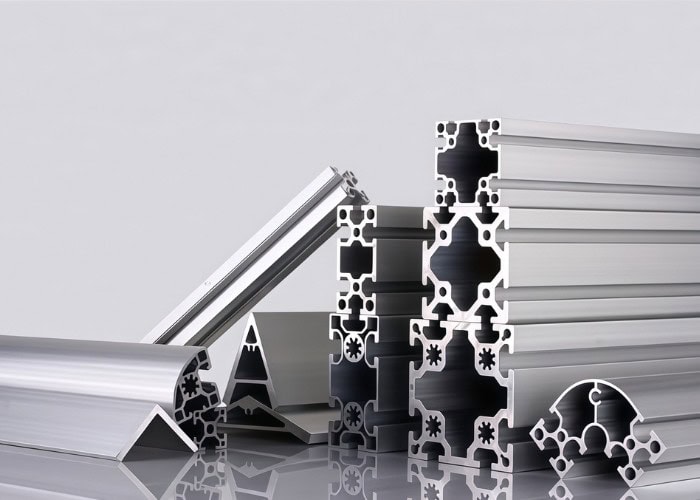
In CNC machining, aluminum wall thickness directly affects part stability, surface finish, and dimensional accuracy.
Minimum Thickness
For most standard applications, the practical minimum wall thickness is around 0.5–0.8 mm (0.02–0.03 in). Below this range, thin walls tend to vibrate during cutting, causing chatter, poor surface finish, and tolerance loss. Harder alloys like 7075-T6 resist vibration better and can reach thinner sections than softer alloys such as 5052 or 6061.
Maximum Thickness
Unlike minimum limits, maximum thickness is usually constrained by machine capacity rather than material behavior. Standard CNC mills can handle aluminum parts several inches thick, while large-format machines can process blocks exceeding 300 mm (12 in). For thick parts, heat dissipation, chip evacuation, and material removal rate become the primary concerns.
From my experience, wall thickness decisions made early in design can reduce machining risk and scrap rates by over 20–30%.
Is Aluminum Cheaper to Machine Than Other Metals
In most CNC projects, aluminum is one of the most cost-effective metals to machine. Its high machinability, fast cutting speeds, and low tool wear significantly reduce total manufacturing cost compared to steel or titanium.
Yes—aluminum is generally cheaper to machine than most metals. From my experience, aluminum can be cut 3–4× faster than steel and 5–7× faster than titanium, directly reducing machine time, which often accounts for 30–50% of total part cost.
Key reasons include:
- Lower cutting force: Aluminum requires ~30% of the cutting force of steel
- Higher thermal conductivity: ~80–230 W/m·K vs. steel’s 15–50 W/m·K, improving heat dissipation
- Longer tool life: Less abrasive, reducing tooling and downtime costs
- Simpler fixturing: Lower forces allow lighter, cheaper workholding
Even when aluminum’s raw material cost is higher than some plastics, its dimensional stability and surface finish often make it more economical for precision parts.
How to Reduce Aluminum CNC Machining Cost Without Sacrificing Quality
Reducing aluminum CNC machining cost is not about cutting corners—it’s about smarter engineering decisions. By optimizing design, tolerances, materials, and production planning, manufacturers can lower costs by 20–50% while maintaining precision and part performance.
From my engineering experience, aluminum machining cost is driven more by design and process choices than by material price alone.
Optimize Part Design (30–50% Cost Impact)
Design complexity directly affects machining time. Features like deep pockets, sharp internal corners, and non-standard hole sizes increase tool changes and cycle time.
Practical improvements include:
- Using standard drill sizes
- Increasing corner radii to match common end mills
- Avoiding unnecessary tight tolerances
These changes alone can reduce machining time by 30–50% without affecting functionality.
Apply Tolerances Only Where Needed
Specifying ±0.01 mm across an entire part dramatically increases machining and inspection cost. In real projects, I often apply tight tolerances to only 20–30% of critical features, cutting overall cost while preserving performance.
Choose the Right Aluminum Alloy
6061-T6 offers the best balance of cost, machinability, and performance. High-strength alloys like 7075-T6 increase tool wear and machining time by 15–25%, so they should be used only when structurally necessary.
Reduce Setups and Machining Time
Designing parts for fewer setups and simpler fixturing improves efficiency. One eliminated setup can save 10–20% of total machining cost.
Plan Batch Size Strategically
Setup and programming costs are fixed. Producing 50–100 parts instead of 5–10 can reduce unit price by 40–60% due to cost amortization and process optimization.
FAQs
Is Aluminum Easy To CNC?
From my engineering experience, aluminum is one of the easiest metals to CNC machine. Its low hardness, excellent machinability, and high thermal conductivity allow cutting speeds 3–4× faster than steel. Tool wear is typically 30–50% lower than with harder metals, and surface finishes are easier to achieve. These characteristics reduce cycle time, tooling cost, and energy consumption, making aluminum a preferred material for both prototyping and production.
How Expensive Is CNC Aluminum?
CNC aluminum machining is considered cost-effective compared to most metals. In practice, machining rates typically range from $30 to $150 per hour, or about $0.50–$3.00 per minute. Finished part prices usually fall between $50 and $500, depending on complexity, tolerance, and volume. From my perspective, aluminum offers one of the best performance-to-cost ratios in CNC manufacturing.
What Is The Cheapest Metal To CNC?
Based on cost and machinability, aluminum is often the cheapest metal to CNC machine in real-world production. While mild steel may have a lower raw material price per kilogram, its slower machining speed and higher tool wear increase total cost by 2–3×. Aluminum’s fast material removal rates and low cutting forces usually result in the lowest total CNC cost for precision metal parts.
How Much Does Aluminum Machining Cost?
In my experience, aluminum machining costs typically range from $30 to $500 per part. Simple 6061 aluminum components may cost $30–$100, while complex parts with tight tolerances or multiple setups can exceed $300. Machining time accounts for roughly 40–60% of total cost, followed by setup (10–30%) and material (15–25%), making design optimization critical.
What Is The Cost Of 1 Kg Of Aluminium?
The raw material cost of aluminum typically ranges from $2 to $6 per kilogram, depending on alloy type, market conditions, and supplier. Common alloys like 6061 are usually at the lower end, while high-strength alloys such as 7075 cost more. From a manufacturing standpoint, raw material is often less than 25% of total CNC cost—the machining process matters more.
Conclusion
Aluminum CNC machining cost mainly depends on machining time, setup, tolerances, and quantity. Thanks to aluminum’s high machinability, smart design and larger batch sizes can reduce total cost by 20–50% while maintaining precision. At TiRapid, we optimize toolpaths, fixture design, and batch planning to help customers achieve lower unit costs without sacrificing accuracy—delivering fast quotes, stable quality, and reliable aluminum CNC parts for both prototypes and production runs.