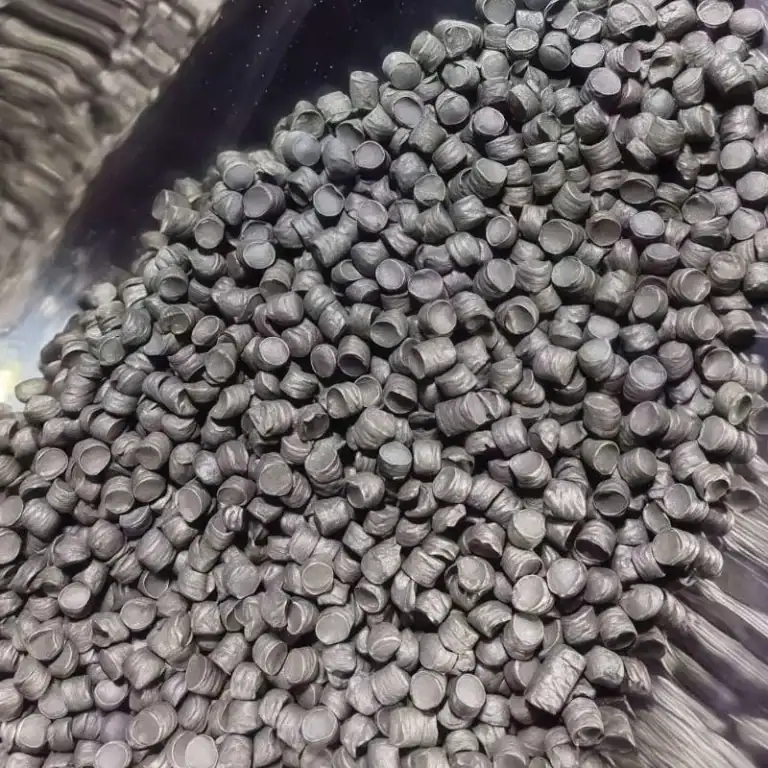
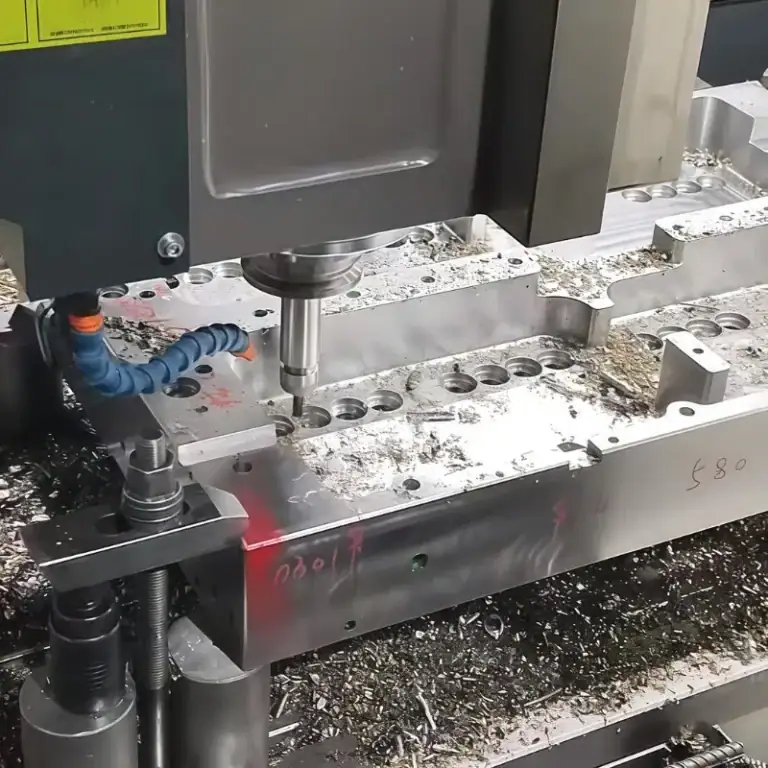
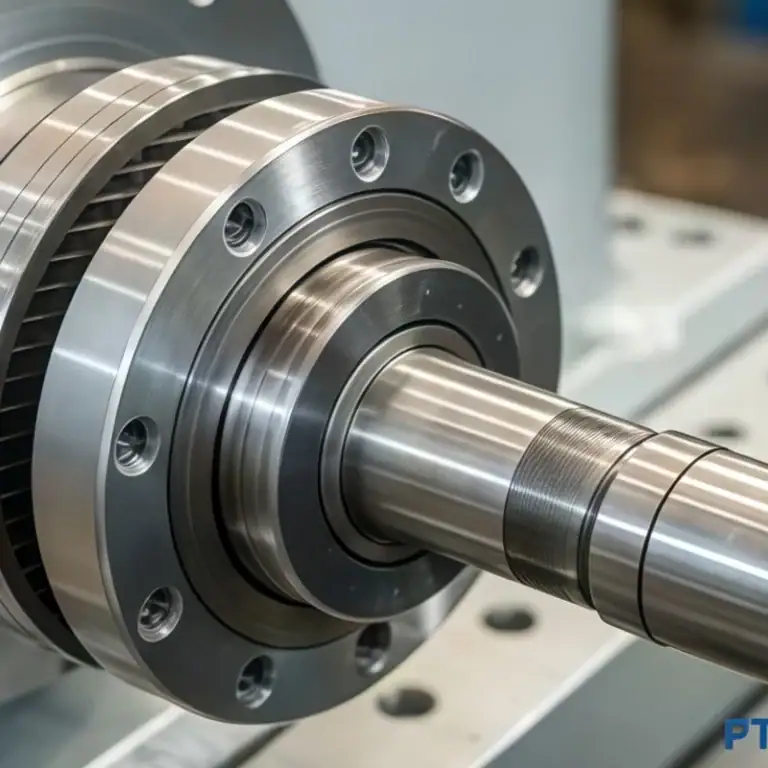
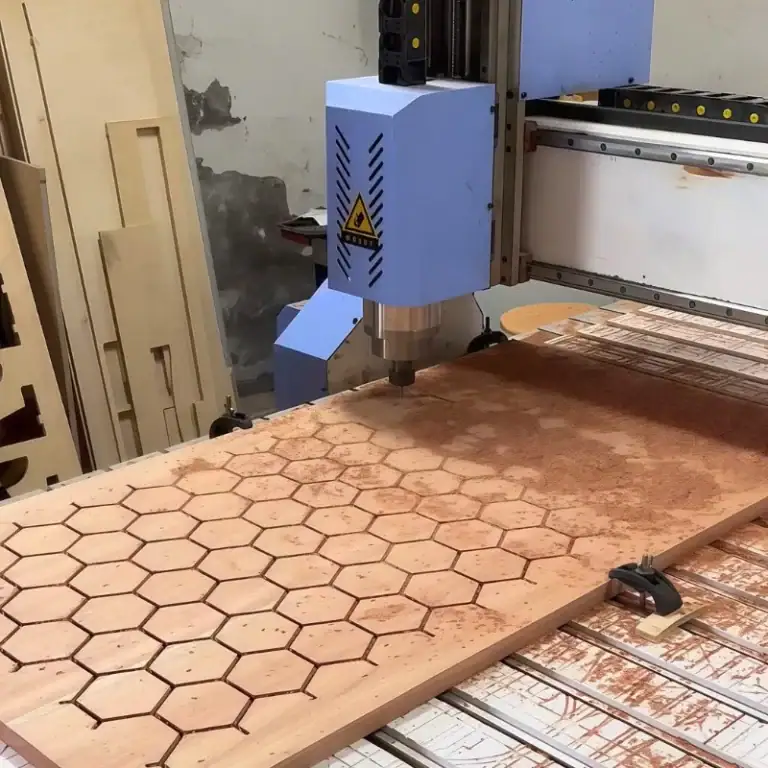
Continuous friction causes costly mechanical failures and catastrophic downtime. To combat this, engineers are replacing traditional metals with advanced abrasion-resistant plastics for custom CNC parts. This guide explores top-tier wear-resistant polymers, breaking down their properties to help you select the ideal material for heavy-duty applications.
In this guide, we will compare the best abrasion resistant plastic materials for CNC machining, explain what makes them wear resistant, and show how to choose the right option based on load, friction, environment, and application needs.
What Makes a Plastic Abrasion Resistant?
The secret behind an abrasion resistant plastic lies primarily in its remarkably low coefficient of friction. Many of these engineering polymers possess inherent self-lubricating properties, meaning they do not require external oils or greases to glide smoothly against mating surfaces.
By drastically minimizing surface resistance, these materials generate significantly less heat during continuous dynamic motion. This thermal control prevents the plastic from melting, deforming, or galling, which ultimately protects both the machined component and the expensive metal hardware.
Furthermore, true abrasion resistance often requires a delicate balance with impact strength. While some hard plastics resist scratching, they might shatter under heavy blows. The best wear-resistant polymers absorb shocks while simultaneously deflecting the scraping forces of abrasive particles.
Top 7 Abrasion Resistant Plastics for CNC Machining
1.Torlon 4301 PAI
Torlon 4301 PAI is one of the most advanced abrasion resistant plastics for high-load, high-friction, and high-temperature applications. It combines excellent wear resistance, strong mechanical strength, and outstanding dimensional stability, making it a strong choice for precision CNC parts that must perform reliably under long-term stress. Compared with many standard engineering plastics, it offers a better balance of wear life, stiffness, and thermal performance in demanding service conditions.
For CNC machining, Torlon 4301 PAI is especially suitable for custom bushings, bearing-related parts, wear rings, thrust washers, seals, and other precision components where friction and geometry retention both matter. Although it is a premium material with higher cost, it is often selected when lower-grade plastics cannot deliver the required durability or stability. In severe wear environments, Torlon 4301 PAI is often considered a top-tier material rather than a general-purpose option.
This material is widely used in semiconductor equipment, aerospace, automotive systems, industrial equipment, and other advanced engineering applications where reliable performance under wear, heat, and load is critical. For designers and buyers looking for a super wear-resistant plastic material, Torlon 4301 PAI deserves to be considered first.
2.UHMW-PE
UHMW-PE is often crowned the king of abrasion-resistant plastics. It boasts an incredibly low coefficient of friction and outstanding impact strength. In fact, its wear resistance significantly outperforms carbon steel in sliding applications, making it ideal for harsh environments.
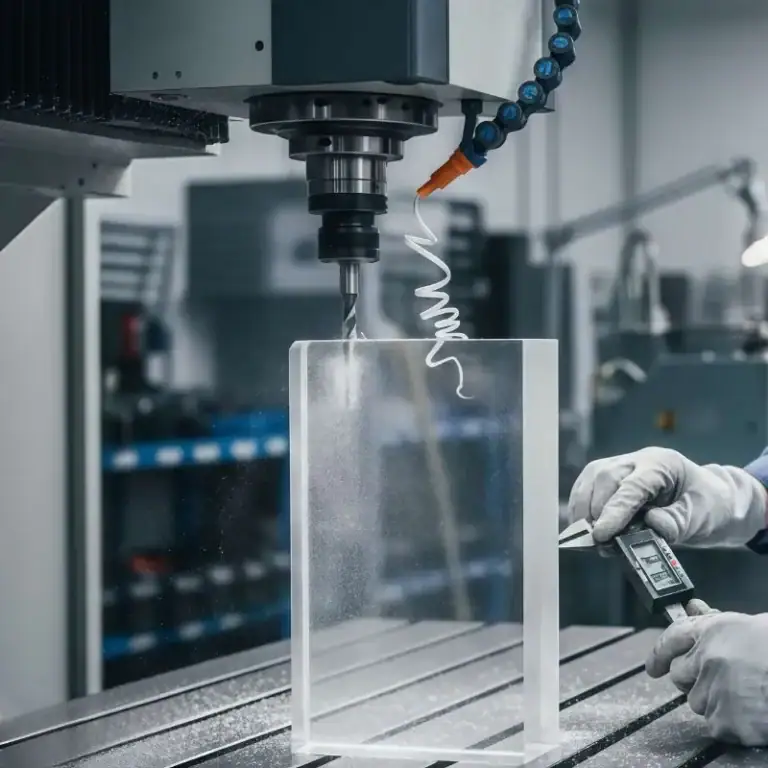
While it can be challenging to achieve ultra-tight tolerances due to its high thermal expansion, CNC machining UHMW-PE is highly effective for heavy-duty components. It requires sharp tooling and proper cooling to prevent material deformation and ensure a clean surface finish.
This self-lubricating polymer is heavily relied upon in the food processing, packaging, and mining industries. It is the go-to material for manufacturing durable guide rails, wear pads, star wheels, and chute linings that must withstand constant scraping and impact.
3.Nylon
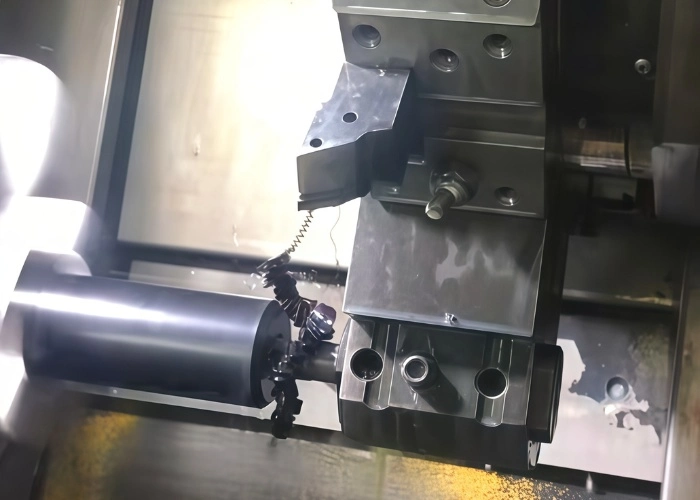
Nylon is a versatile engineering plastic renowned for its exceptional load-bearing capabilities and fatigue resistance. When formulated with solid lubricants like MoS2 (Molybdenum Disulfide), its abrasion resistance and friction properties are dramatically enhanced for heavy-duty use.
CNC machining Nylon produces highly durable parts that can replace bronze or brass components. It is highly machinable, though operators must account for its moisture absorption, which can cause slight dimensional changes in wet environments if not properly managed during design.
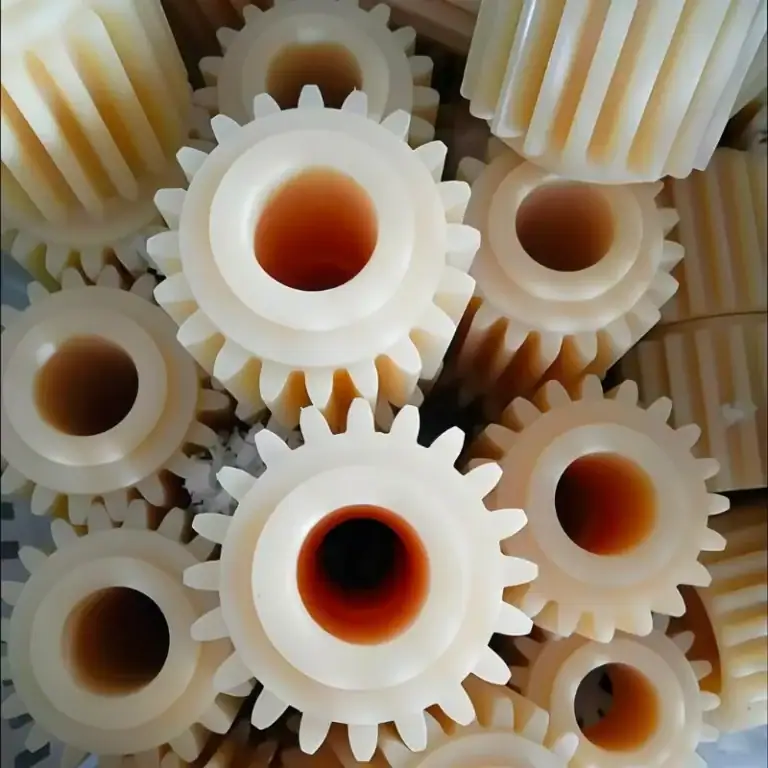
Nylon is explicitly designed for high-stress mechanical assemblies. It is widely used to manufacture custom gears, heavy-duty pulleys, sprockets, and bearings. Its ability to dampen noise and vibration makes it a superior choice for industrial equipment requiring quiet operation.
4.Delrin/POM
Delrin, or POM, is a high-performance acetal resin known for its high stiffness, low friction, and excellent dimensional stability. Unlike Nylon, Delrin has a remarkably low water absorption rate, ensuring it maintains its structural integrity and tight tolerances in moist conditions.
When it comes to CNC machining, Delrin is a machinist’s dream. It cuts cleanly and chips predictably, allowing for the rapid production of complex geometries with exceptional surface finishes. It is the perfect abrasion-resistant plastic for high-precision, close-tolerance parts.
Industries ranging from automotive to consumer electronics rely heavily on Delrin. It is the industry standard for producing precision gears, tight-tolerance bushings, electrical insulator parts, and custom mechanical components that require frictionless sliding and high durability.
5.PEEK
PEEK is an advanced, high-performance thermoplastic that offers the ultimate combination of exceptional wear resistance, thermal stability, and chemical resistance. It retains its mechanical strength even when exposed to continuously high temperatures and harsh corrosive chemicals.
Although it is a premium, higher-cost material, CNC machining PEEK is a standard practice for creating critical engineering components. It provides extreme dimensional stability under load, making it a highly reliable metal replacement for parts operating in severe environments.
PEEK is indispensable in the aerospace, medical, and semiconductor industries. It is commonly machined into precision pump components, extreme-environment seals, and aerospace insulators where catastrophic failure is not an option and supreme abrasion resistance is mandatory.
6.Polyurethane
Polyurethane is a unique abrasion-resistant material that bridges the gap between rubber and rigid plastics. It offers the elastic memory of rubber combined with the structural toughness of plastic, providing unparalleled resistance to tearing, cutting, and high-impact abrasion.
Machining Polyurethane requires specific expertise, as its elastomer nature can cause it to flex away from cutting tools. Utilizing specialized CNC techniques, sharp cutters, and freezing methods allows machinists to achieve precise dimensions on this highly resilient material.
Due to its exceptional impact absorption, Polyurethane is heavily favored in material handling and heavy machinery. It is frequently machined into custom drive rollers, shock-absorbing bumpers, wear strips, and flexible seals that endure relentless pounding and continuous friction.
7.Teflon
PTFE, widely known as Teflon, delivers the absolute lowest coefficient of friction among all solid plastics. It provides unparalleled self-lubricating properties and extreme chemical inertness. This makes it the ultimate choice for applications where virtually zero friction is required, ensuring smooth movement without any external lubrication.
Despite its incredible slickness, CNC machining pure PTFE for high-stress mechanical parts presents significant challenges. It has poor load-bearing capacity and is highly susceptible to “cold flow,” meaning it deforms under continuous pressure. To overcome this, engineers often specify glass or carbon-reinforced PTFE to improve structural stability.
Due to these unique characteristics, PTFE is heavily relied upon in the chemical processing, semiconductor, and food industries. It is frequently machined into custom gaskets, O-rings, valve seats, and low-load sliding bearings where supreme corrosive resistance and frictionless sliding are far more critical than raw mechanical strength.
Metal vs Abrasion Resistant Plastics
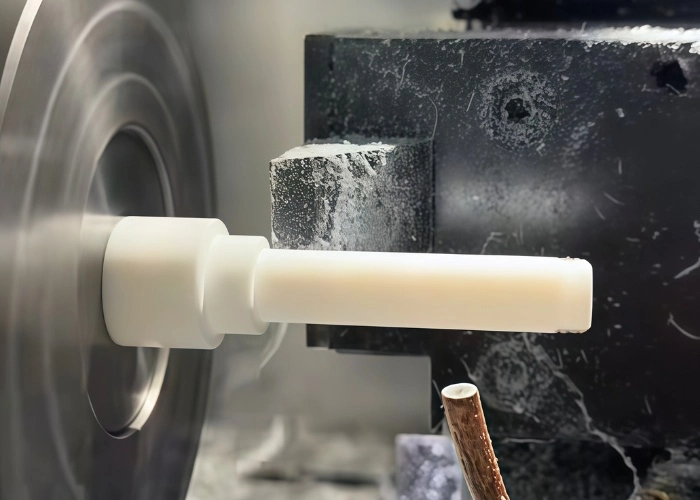
Abrasion resistant plastics and traditional metals can both be used for wear parts, but their performance is not the same. The table below compares their main differences in weight, lubrication, noise, and machining efficiency, helping show when wear-resistant plastics are the better choice for CNC parts.
| Comparison Criteria | Traditional Metals (Bronze, Steel) | Abrasion-Resistant Plastics | Key Mechanical Advantage |
| Weight & Inertia | Heavy, requires more energy to move. | Drastically lighter, low inertia. | Reduces system stress and saves operational energy. |
| Lubrication Needs | Requires constant external oil or grease. | Inherently self-lubricating. | Lowers maintenance costs, ideal for food/cleanroom use. |
| Noise & Vibration | Metal-on-metal contact creates high noise. | Absorbs shock and dampens vibrations. | Ensures much smoother and quieter equipment operation. |
| Machining Efficiency | Slower cutting speeds, high tool wear. | Rapid CNC milling and turning. | Shorter lead times and highly cost-effective production. |
Common Industrial Applications for Wear-Resistant Plastics
Automotive & Aerospace
Abrasion-resistant plastics are transforming the automotive and aerospace sectors. Replacing heavy metal gears and bushings with self-lubricating polymers drastically reduces vehicle weight. This enhances fuel efficiency while ensuring reliable, quiet operation in high-stress mechanical assemblies.
Food & Beverage Processing
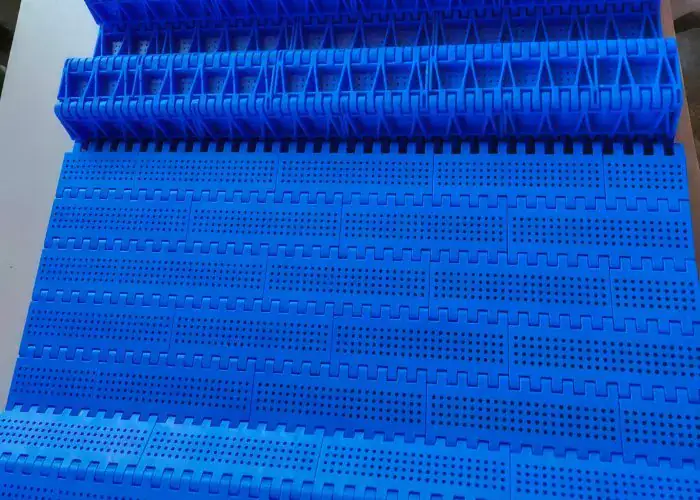
The food and beverage industry strictly requires FDA-compliant, non-toxic components. Wear-resistant plastics like UHMW and Delrin are perfect for conveyor guide rails, star wheels, and rollers. They operate smoothly without external lubrication, preventing any risk of product contamination.
Heavy Machinery & Mining
Heavy machinery and mining equipment endure relentless pounding and abrasive dust. Machined polyurethane and nylon parts excel in these brutal environments. Custom wear pads, scraper blades, and impact bumpers absorb massive shocks, preventing catastrophic damage to expensive metal hardware.
How to Choose the Right Material for Your Machined Parts?
Assess the Operating Temperature
Temperature is the foremost critical factor when selecting a wear-resistant plastic. Standard materials like UHMW perform excellently at room temperature. However, if your CNC machined parts must operate in extreme heat environments, upgrading to high-performance polymers like PEEK or Torlon is absolutely mandatory.
Evaluate Load and Pressure Requirements
Next, evaluate the mechanical load and contact pressure. For heavy-duty applications requiring immense structural support, Nylon is highly recommended due to its exceptional fatigue resistance. Conversely, if your design demands high-precision fits and tight tolerances under sustained load, Delrin remains the superior choice.
Consider Chemical Exposure
Finally, consider the operating environment’s chemical exposure. Components submerged in harsh solvents, strong acids, or industrial cleaning agents require highly specialized plastics. PEEK offers outstanding chemical inertness, ensuring your parts will not degrade, swell, or prematurely lose their wear resistance.
Understand the PV Limit
The PV limit is arguably the most critical engineering metric for wear-resistant plastics. It represents the maximum combination of contact pressure and sliding velocity a polymer can withstand before the generated frictional heat causes catastrophic melting or structural failure.
Applying PV Values to Your Design
Selecting a material based solely on hardness is a critical engineering pitfall. High-speed, low-load applications require completely different polymers than low-speed, high-load environments. Always verify that your application’s actual operating PV falls safely below the plastic’s maximum PV rating to ensure long-term reliability.
Design Tips for CNC Machining Wear-Resistant Plastics
Manage Dimensional Tolerances
Unlike metals, plastics have significantly higher coefficients of thermal expansion. Machinists must account for heat generation during cutting. Specifying overly tight, metal-like tolerances on plastic parts is costly and often leads to functional failure or warping in service.
Account for Material Swelling
Many wear-resistant polymers, such as Nylon, absorb moisture from their operating environment. When designing custom plastic bearings or bushings, engineers must calculate and provide adequate running clearances to prevent the parts from swelling and ultimately seizing on metal shafts.
Optimize Mating Surface Finish
The wear rate of a plastic component is heavily influenced by the metal hardware it rubs against. If the mating steel shaft is too rough, it will act like sandpaper, rapidly shredding the plastic. Ensure that mating metal surfaces are polished to a highly smooth, frictionless finish.
FAQs
What does abrasion resistant actually mean in plastic machining?
In engineering, abrasion resistance refers to a polymer’s ability to withstand continuous mechanical scraping or sliding friction without losing its structural integrity. It is crucial to note the difference between hardness and abrasion: a plastic like standard acrylic can be very hard (resisting static surface dents), but it will wear down rapidly under dynamic friction because it lacks inherent self-lubricating properties.
Is PVC considered an abrasion-resistant plastic?
No. While Polyvinyl Chloride (PVC) is highly valued in plumbing, construction, and chemical fluid handling due to its excellent corrosion resistance, it performs poorly in high-friction environments. For load-bearing mechanical moving parts, PVC will degrade and gall rapidly. Engineers should always select specialized self-lubricating polymers instead.
Is HDPE a good alternative to UHMW for wear-resistant parts?
High-Density Polyethylene (HDPE) offers decent impact resistance and is highly cost-effective for general-purpose applications. However, its molecular chain is much shorter than that of UHMW-PE. When subjected to continuous, heavy-duty abrasion—such as in mining chutes or high-speed conveyors—HDPE will wear out significantly faster. For extreme friction, upgrading to UHMW is strictly required.
Which plastic sheet is the most abrasive resistant for sliding applications?
When sourcing plastic sheets for wear pads or conveyor liners, UHMW-PE and Acetal (Delrin) are the industry standards. It is a common engineering mistake to use standard clear plastics like Polycarbonate (PC) for sliding applications, although PC offers immense impact resistance, it scratches and degrades rapidly under continuous abrasive friction unless treated with specialized hard coatings.
Conclusion
Abrasion-resistant plastics can significantly reduce friction, prevent premature mechanical wear, and improve the long-term reliability of dynamic moving parts. Understanding the unique properties of high-performance polymers like UHMW-PE, Nylon, and PEEK, along with their proper CNC machining guidelines, helps engineers optimize component design and drastically reduce equipment maintenance costs.
At TiRapid, we provide precision CNC machining and manufacturing services for custom metal parts, high-performance plastics, welded assemblies, and industrial components for industries such as automotive, robotics, and industrial equipment.