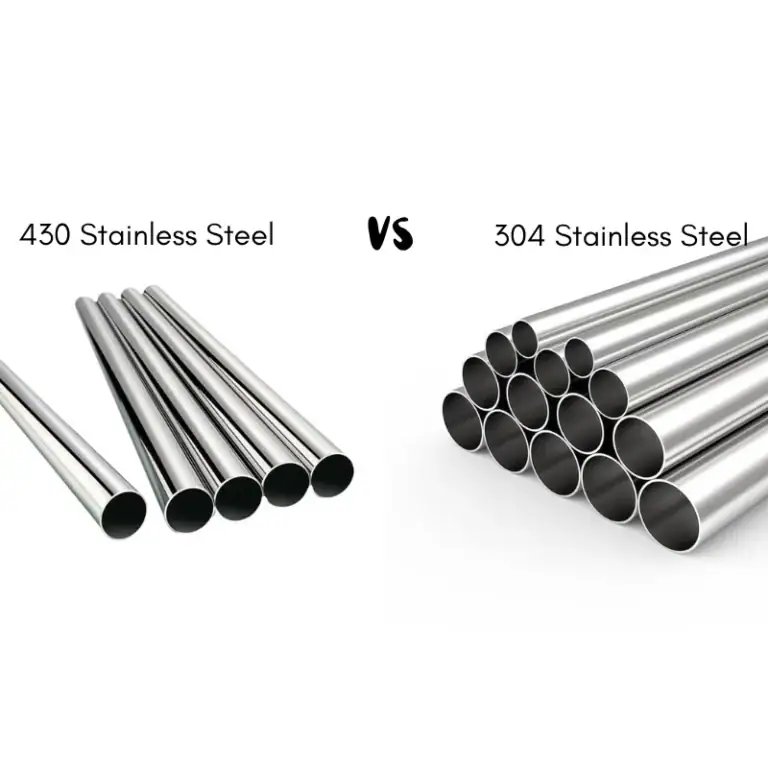
304 and 430 are two common stainless steel grades, but they are not designed for the same performance needs. While both are widely used in manufacturing and everyday products, they differ in corrosion resistance, composition, magnetic properties, cost, and typical applications.
In this guide, we will compare 304 vs 430 stainless steel in a clear and practical way. You will learn their key differences, main properties, and common uses, so you can choose the right material for your project.
What Is 304 Stainless Steel?
304 stainless steel is one of the most widely used stainless steel grades. It belongs to the austenitic stainless steel family and is known for its good corrosion resistance, formability, and weldability. Because of its balanced overall performance, it is commonly used in both industrial products and everyday applications.
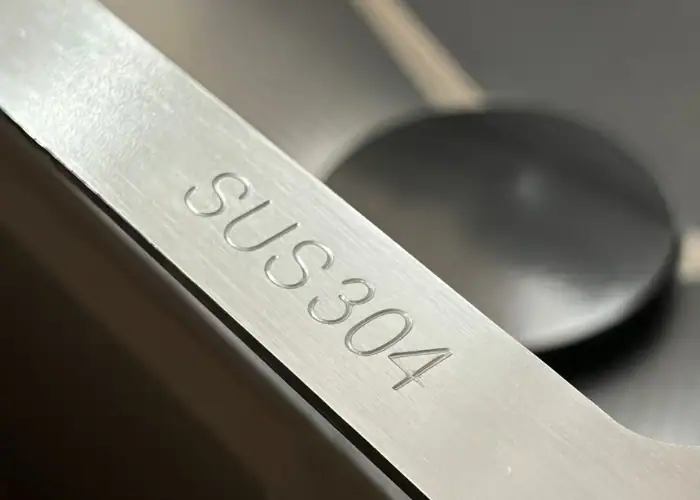
One of the main reasons 304 stainless steel is widely used is its excellent overall versatility. It performs reliably in a broad range of environments and is suitable for both industrial uses and everyday products. With the addition of chromium and nickel, 304 provides a well-balanced combination of corrosion resistance, strength, durability, and visual appeal. As a result, it is often selected for components and products that require dependable performance together with a clean and attractive surface finish.
304 stainless steel is commonly used in kitchen equipment, food processing machinery, storage tanks, piping systems, medical instruments, architectural parts, and a wide variety of custom industrial components. It is particularly well suited for applications where hygiene, long service life, and resistance to moisture or mild chemicals are important. From a manufacturing perspective, 304 is also preferred for its good formability and weldability compared with many other stainless steel grades.
Although 304 generally costs more than ferritic grades such as 430, the additional investment is often justified when higher corrosion resistance and greater application flexibility are needed. For many engineers, designers, and manufacturers, 304 is regarded as a dependable general-purpose stainless steel due to its consistent performance in many different working conditions.
Overall, 304 stainless steel is a practical material choice for projects that require a strong balance of corrosion resistance, ease of fabrication, durability, and long-term value.
What Is 430 Stainless Steel?
430 stainless steel is a ferritic stainless steel grade. It is commonly used in applications where moderate corrosion resistance, magnetic properties, and lower material cost are important. Compared with austenitic grades such as 304, it is generally more economical and better suited to less demanding environments.
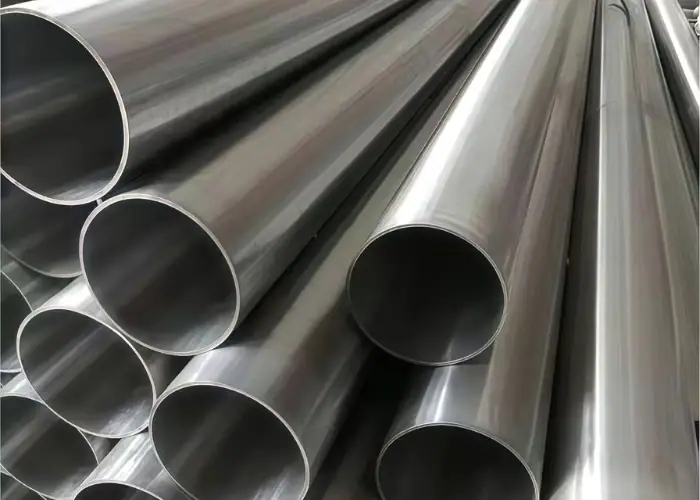
A key feature of 430 stainless steel is that it contains chromium but little or no nickel. This gives it a different performance profile from 304 stainless steel and often makes it a more economical choice. Because it belongs to the ferritic family, 430 is magnetic, which can be useful in certain products and assemblies. It also offers good resistance to oxidation and performs well in indoor or mildly corrosive environments.
430 stainless steel is commonly used in home appliances, decorative trim, kitchen panels, dishwasher linings, automotive trim, and other parts where appearance, heat resistance, and cost control are important. In many of these applications, the environment is not severe enough to require the higher corrosion resistance of 304. This is why 430 is often chosen for visible or lightly exposed parts that still need the look and basic durability of stainless steel.
Compared with 304, 430 is usually less expensive, but it is also generally less formable, less weldable, and less corrosion resistant in demanding environments. For this reason, it is best suited to applications where budget, magnetism, and acceptable corrosion performance matter more than maximum durability in wet or chemical conditions.
In many cases, 430 stainless steel is a cost-effective option for decorative, household, and light industrial applications where full 304-level performance is not necessary.
What Is The Difference Between 304 And 430 Stainless Steel?
Both 304 and 430 are widely used stainless steel materials, but they offer different advantages depending on the application. The main differences between them include stainless steel category, chemical composition, corrosion resistance, magnetic characteristics, formability, and cost.
The comparison below gives a clearer view of how these two materials differ in practical applications.
| Property | 304 Stainless Steel | 430 Stainless Steel |
| Stainless Steel Family | Austenitic stainless steel | Ferritic stainless steel |
| Main Alloying Elements | Chromium and nickel | Chromium, little or no nickel |
| Corrosion Resistance | Better corrosion resistance | Moderate corrosion resistance |
| Magnetism | Usually non-magnetic | Magnetic |
| Formability | Good | Moderate |
| Weldability | Good | Lower than 304 |
| Heat Resistance | Good | Good, especially in some heat-related applications |
| Cost | Higher | Lower |
| Common Uses | Food equipment, medical devices, tanks, piping, architectural parts | Appliances, decorative trim, kitchen panels, automotive trim |
| Best For | Applications requiring corrosion resistance and fabrication flexibility | Cost-sensitive applications where magnetism and basic corrosion resistance are enough |
304 Vs 430 Stainless Steel Chemical Composition
The composition of stainless steel greatly influences its corrosion resistance, strength, magnetism, and overall performance. For 304 and 430 stainless steel, the main difference lies in the nickel content of 304 and the ferritic structure of 430. This difference directly affects how each grade performs in different environments and applications.
Chromium And Nickel Content
304 stainless steel generally contains 18–20% chromium and 8–10.5% nickel, whereas 430 stainless steel typically has 16–18% chromium with little to no nickel content.Chromium is the key element that makes stainless steel “stainless” because it forms a thin passive oxide layer on the surface, helping protect the material from rust and corrosion.By comparison, nickel further improves corrosion resistance and plays an important role in stabilizing the austenitic structure of 304 stainless steel.
How Composition Affects Performance
The difference in chemical composition directly affects how these two stainless steel grades perform in practice. Since 304 contains nickel, it usually offers better corrosion resistance, especially in humid or mildly corrosive conditions. It is also easier to form and weld, which makes it more flexible for fabrication and custom part production.
430 stainless steel, by comparison, has a ferritic structure because it does not contain significant nickel. This makes it magnetic, which can be an advantage in certain products and applications. It is also usually more cost-effective because nickel is one of the more expensive alloying elements in stainless steel. However, the same composition that lowers cost also means 430 generally has lower corrosion resistance and is less suitable for highly corrosive, wet, or chemical-exposed environments.
Another important point is that composition affects not only corrosion performance, but also manufacturing behavior. 304 is often preferred when good weldability and more complex forming are required. 430 can still be a practical choice for stamped, decorative, or heat-resistant parts, but it is usually selected when the environment is less aggressive and budget control matters more.
In simple terms, the chemical composition difference between 304 and 430 explains most of their major property differences. If corrosion resistance, fabrication flexibility, and broader application range are more important, 304 is usually the stronger option. If lower cost, magnetic properties, and acceptable performance in mild environments are the priority, 430 can be the more practical choice.
304 Vs 430 Stainless Steel Properties Compared
Although both 304 and 430 are widely used stainless steel grades, their properties are not the same. The biggest differences are usually seen in corrosion resistance, magnetism, formability, weldability, heat resistance, and cost. These property differences are what determine where each grade is most suitable.
Corrosion Resistance
Compared with 430, 304 stainless steel usually delivers better corrosion resistance. Its nickel content helps it perform well in humid environments, food-related applications, and areas where mild chemicals or cleaning agents are involved. Although 430 can resist corrosion in indoor and low-corrosion environments, it is generally less suitable for wet or more demanding applications.
Magnetism
One of the most noticeable differences is magnetism. 430 stainless steel is magnetic because it belongs to the ferritic stainless steel family. 304 stainless steel is usually non-magnetic in the annealed condition because it is an austenitic grade. This difference can matter in applications where magnetic response affects function, handling, or material selection.
Formability And Weldability
304 stainless steel is generally easier to form and weld than 430. This makes it a better choice for parts that require bending, deep drawing, welding, or more complex fabrication. 430 stainless steel can still be formed in many cases, but its fabrication flexibility is usually lower than that of 304.
Heat Resistance
Both grades can be used in elevated-temperature applications, but 430 stainless steel is often considered suitable for certain heat-resistant uses, especially where oxidation resistance matters.However, 304 remains a versatile option for customers seeking a good combination of heat resistance, corrosion resistance, and processing performance.
Strength And Hardness
In general use, both 304 and 430 provide useful mechanical performance, but they are chosen for different reasons. 304 is often preferred for its balanced toughness and general-purpose strength, while 430 is more commonly selected when moderate strength is acceptable and cost or magnetic properties are more important.
Cost Differences
430 stainless steel is usually less expensive than 304 because it contains little or no nickel. This gives it a clear advantage in cost-sensitive applications. However, the lower cost of 430 may come with trade-offs in corrosion resistance and fabrication performance, so the best choice depends on the actual needs of the project.
In practical terms, 304 is often preferred for broader corrosion resistance and fabrication flexibility, while 430 is often chosen for lower cost, magnetic properties, and less demanding environments.
What Are the Pros and Cons of 304 and 430 Stainless Steel?
Both 304 and 430 stainless steel offer practical advantages, but they also come with clear limitations. Comparing their strengths and weaknesses makes it easier to understand which material is better suited for corrosion resistance, cost control, formability, magnetic properties, and long-term performance in different applications.
Advantages of 304 Stainless Steel
304 stainless steel is widely valued for its strong corrosion resistance, making it a reliable choice for environments exposed to moisture, food contact, cleaning agents, and mild chemicals. It also offers good formability and weldability, which makes it suitable for a wide range of fabricated parts and custom components. In many applications, 304 is preferred when long-term durability, a cleaner appearance, and broader versatility are more important than the lowest material cost.
Disadvantages of 304 Stainless Steel
The main drawback of 304 stainless steel is its higher cost compared with 430, largely because of its nickel content. It is also generally non-magnetic in the annealed condition, which may be a limitation in applications where magnetic properties are required. For projects used in relatively dry or low-corrosion environments, 304 may provide more corrosion resistance than necessary, which can make it a less economical choice.
Advantages of 430 Stainless Steel
430 stainless steel is often chosen for its lower material cost and natural magnetic properties. As a ferritic stainless steel with little or no nickel, it is usually more affordable than 304, which makes it attractive for cost-sensitive projects. It also performs well in many indoor, decorative, and appliance-related applications where the environment is less corrosive and extreme corrosion resistance is not the main requirement.
Disadvantages of 430 Stainless Steel
Compared with 304, 430 stainless steel has lower corrosion resistance, which limits its performance in wet, outdoor, or chemical-exposed environments. It is also generally less suitable for applications that require stronger forming or welding performance. While 430 can work well in mild service conditions, it may show rusting, staining, or reduced durability more quickly when exposed to harsher environments over time.
304 Vs 430 Stainless Steel In Common Uses
304 and 430 stainless steel are both widely used, but they are usually selected for different applications. The choice often depends on corrosion resistance, appearance, magnetic properties, fabrication needs, and budget. In practical use, 304 is more common in environments that require better durability and corrosion resistance, while 430 is often used where cost control and acceptable performance are enough.
Kitchen Equipment And Appliances
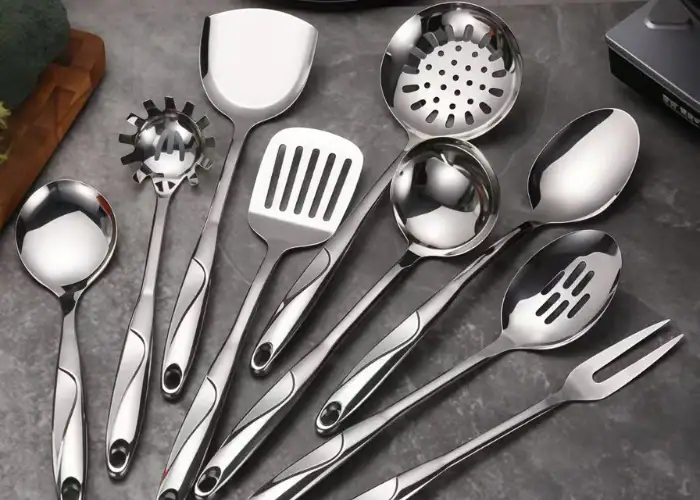
Both 304 and 430 are commonly used in kitchen-related products, but they are not used in the same way. 304 stainless steel is often chosen for sinks, food-contact surfaces, kitchen equipment, and other parts that may be exposed to water, cleaning agents, or frequent use. 430 stainless steel is more commonly used for appliance panels, range hoods, decorative surfaces, and other exterior parts where appearance matters but corrosion exposure is lower.
Food Processing Applications
In food processing applications, 304 stainless steel is often preferred because it offers better corrosion resistance and is more suitable for hygienic environments.It is widely used for tanks, piping, containers, work surfaces, and equipment parts that need to resist moisture and regular cleaning. 430 can be used in some food-related equipment, but it is usually more suitable for less demanding or less corrosive environments.
Decorative And Architectural Uses
Both grades can be used for decorative and architectural purposes because they offer a clean stainless steel appearance. 304 is often selected for projects where outdoor use, weather exposure, or longer service life are important. 430 is commonly used for indoor decorative trim, panels, and visible surfaces where magnetic properties and lower cost may be more acceptable.
Automotive And Heat-Resistant Parts
430 stainless steel is often used in automotive trim, heat shields, appliance interiors, and other applications where moderate corrosion resistance and good heat resistance are sufficient. 304 is also used in automotive and industrial applications, especially when the part needs better corrosion performance, stronger fabrication flexibility, or more reliable long-term durability.
How To Choose Between 304 And 430 Stainless Steel?
Choosing between 304 and 430 stainless steel depends on the actual needs of your application. Although both are widely used, they are designed for different priorities. In most cases, the right choice comes down to corrosion resistance, fabrication needs, magnetic properties, service environment, and budget.
Choose 304 When Corrosion Resistance Matters More
When choosing between 304 and 430 stainless steel, 304 is usually the better option if corrosion resistance is the main concern. It is more suitable for applications where the part must remain durable, clean-looking, and reliable in wet or mildly corrosive environments.
In practical use, 304 is often selected for components that need to resist rust staining, surface discoloration, or gradual corrosion during long-term service. It is especially suitable for environments where the part may be exposed to water, condensation, detergents, or repeated washdown conditions. In these cases, choosing 304 can help extend service life, reduce maintenance concerns, and maintain a better appearance over time.
Another reason 304 is often preferred is its broader versatility. In addition to offering better corrosion resistance, it is also widely used in fabrication because it provides good formability and weldability. This makes it a strong choice for custom parts that need both structural reliability and a clean finished surface. Although 304 is usually more expensive than 430, the extra material cost is often justified when durability, hygiene, and long-term performance are more important than initial cost savings.
Choose 430 When Cost And Magnetism Matter More
430 stainless steel is often the more practical choice when cost and magnetic properties are more important than maximum corrosion resistance. It is commonly used in applications where the environment is relatively mild and a lower material cost is preferred.
In many indoor or low-corrosion environments, 430 can provide practical and acceptable performance at a lower material cost. It is commonly used for decorative trim, household appliances, interior panels, and other components that are not continuously exposed to water, harsh cleaners, or corrosive chemicals. For these types of parts, the corrosion resistance of 430 is often sufficient, especially when appearance, basic durability, and cost efficiency are the main concerns.
430 is also a suitable option when the design requires magnetic stainless steel. In appliance-related products, architectural trim, and certain consumer or industrial components, magnetic properties may be functionally useful or simply expected as part of the product design. In these cases, 430 offers a good balance of appearance, manufacturability, and cost. While it does not match the corrosion resistance of 304, it remains a practical choice for many indoor and general-purpose applications where the environment is relatively mild and budget sensitivity is higher.
Consider Environment, Fabrication, And Budget
The best material choice should also consider how the part will be made and where it will be used. If the part requires more forming, welding, or complex fabrication, 304 is usually easier to work with. If the design is simpler and the service environment is mild, 430 may be a more economical option. In practice, choosing between 304 and 430 is less about which material is universally better and more about which one fits the technical and cost requirements of the project.
FAQs
Which Is Better 304 Or 403 Stainless Steel?
Neither grade is always better. 304 is usually preferred for corrosion resistance, forming, and welding because it contains about 18–20% chromium and 8–10.5% nickel. 403 is a martensitic grade with about 11.5–13% chromium, so it is more suitable for heat-treated, strength-focused parts. In wet or corrosive environments, 304 is usually the better option.
What Are The Disadvantages Of 430 Steel?
430 stainless steel has lower corrosion resistance, weldability, and formability than 304. It contains around 16–18% chromium and little or no nickel, which helps reduce cost but also limits performance in humid or corrosive environments. For this reason, 430 is more often used in indoor, decorative, or appliance applications than in demanding service conditions.
What Are The Disadvantages Of 304 Stainless Steel?
304 stainless steel is more expensive and is not ideal for applications that require magnetism or higher hardness. Its nickel content, usually around 8–10.5%, increases alloy cost. While 304 offers strong corrosion resistance, it is not the best choice for severe chloride exposure, where 316 may provide better long-term performance.
What Is The Difference Between Food-Grade Stainless Steel 304 And 430?
304 is generally the better choice for food-contact equipment because it resists moisture, cleaning agents, and mild chemicals more effectively. 430 can still be used in some kitchen products, but it is more suitable for decorative panels or less demanding parts. In wet food-service environments, 304 is usually the more reliable long-term material.
Conclusion
304 and 430 stainless steel are both widely used, but they are designed for different needs. In general, 304 is better suited for applications that require stronger corrosion resistance, better formability, and broader use flexibility, while 430 is often a more cost-effective choice for indoor, decorative, or less demanding environments. The right material depends on your service conditions, fabrication requirements, and budget.
At TiRapid, we help customers choose the right stainless steel for custom parts based on application, performance, and cost. Contact us to get the right machining solution for your project.