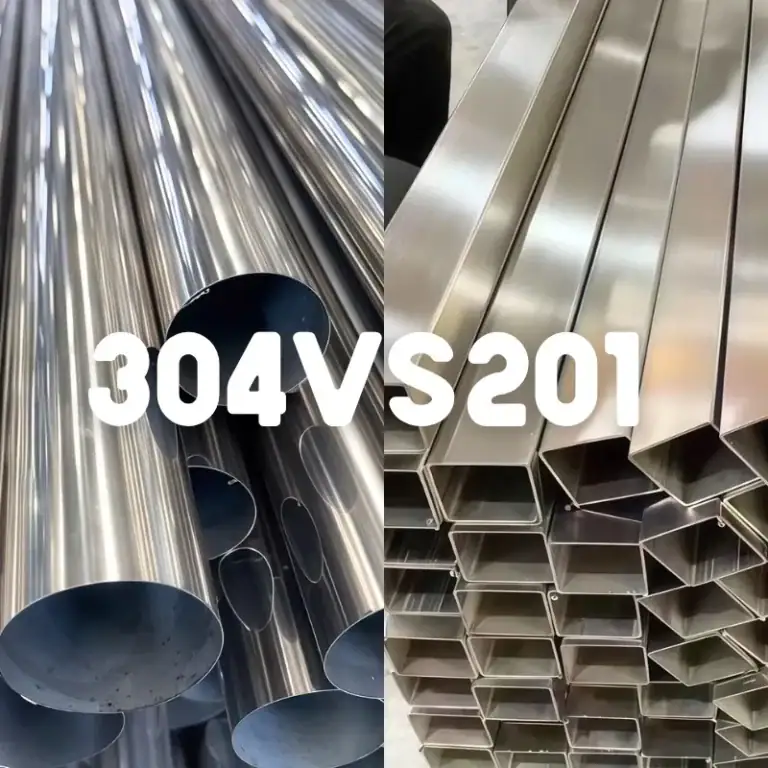
304 and 201 are two common stainless steel grades, but they are not designed for the same level of performance. In simple terms, 201 is often chosen when cost matters most, while 304 is more often chosen when corrosion resistance, food-contact confidence, and long-term durability matter more. That is why the comparison between 304 vs 201 stainless steel is so common in manufacturing, sourcing, and product development.
In this guide, you’ll learn what 201 and 304 stainless steel are, how they differ in composition and properties, what their pros and cons are, where they are commonly used, and how to choose the right grade for your project.
What Is 304 Stainless Steel?
304 stainless steel is an austenitic stainless steel grade with higher chromium and nickel content. It is widely used in industrial, commercial, and consumer products because it offers strong corrosion resistance, good durability, and broad application versatility.
In practice, 304 stainless steel is commonly selected for products that require better hygiene, moisture resistance, and long-term reliability.
The main characteristics of 304 stainless steel include:
- Higher Chromium Content
- Higher Nickel Content
- Stronger Corrosion Resistance
- Better Long-Term Durability
- Broader Application Range
These characteristics make it well suited to applications where corrosion resistance, food contact, and reliable long-term performance are more important than minimum material cost.
What Is 201 Stainless Steel?
201 stainless steel is an austenitic stainless steel grade with lower nickel and higher manganese content. It is commonly used in cost-sensitive products and applications where the service environment is relatively mild.
In practice, 201 stainless steel is often selected for decorative products, household items, and interior applications where lower material cost is an important factor.
The main characteristics of 201 stainless steel include:
- Lower Nickel Content
- Higher Manganese Content
- Lower Material Cost
- Good Basic Strength
- More Limited Corrosion Resistance
These characteristics make it suitable for applications that require a stainless appearance and acceptable performance without the higher cost of 304 stainless steel.
What Are The Main Differences Between 304 And 201 Stainless Steel?
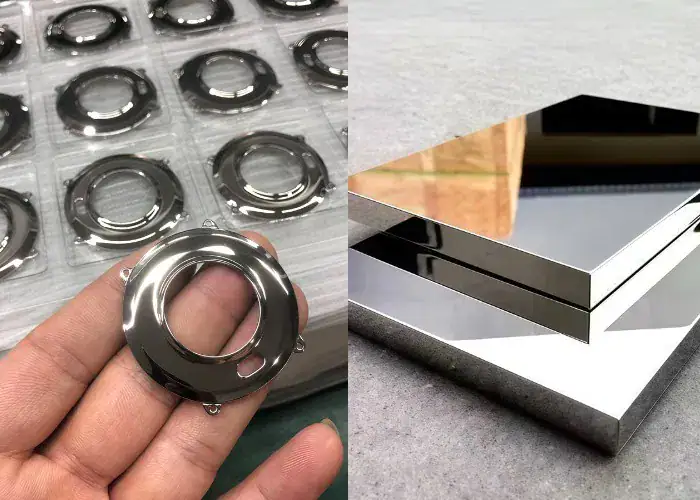
The main differences between 201 and 304 stainless steel are chemical composition, corrosion resistance, cost, and application suitability. 304 generally contains more chromium and nickel, while 201 generally contains more manganese and less nickel. As a result, 304 usually offers better corrosion resistance, while 201 usually offers a lower material cost.
Chemical Composition
Chemical composition is the starting point because it explains most of the performance difference. PartMFG describes 201 as containing about 16%–18% chromium, about 3.5%–5.5% nickel, and about 5.5%–7.5% manganese. Reid Supply states that 304 typically contains about 18%–20% chromium and about 8%–10% nickel. Everich gives a similar commercial comparison and likewise presents 304 as the higher-nickel, higher-chromium grade.
Chromium Content
Chromium is one of the key alloying elements that gives stainless steel its corrosion resistance. Because 304 typically contains more chromium than 201, it generally builds a stronger passive surface layer and performs better in humid, acidic, or otherwise corrosive conditions.
Nickel Content
Nickel plays a major role in corrosion resistance and structural stability. Since 304 usually contains more nickel, it is generally more reliable in wet, food-related, and demanding environments. This is also one of the main reasons 304 costs more than 201.
Manganese Levels
201 generally contains more manganese than 304. This is one of the ways the grade reduces nickel dependence and lowers cost. It helps maintain useful mechanical strength, but it does not provide the same corrosion-resistance benefit as the higher chromium and nickel content found in 304.
Corrosion Resistance
Corrosion resistance is the most important practical difference between the two grades. All of the comparison pages consistently point to the same conclusion: 304 performs better than 201 in wet, salty, acidic, food-contact, or outdoor environments. 201 may still be suitable for mild indoor use, but it is usually less reliable once the environment becomes more aggressive.
Physical Properties
The two grades can also differ in hardness tendency, appearance, and long-term surface stability. Some sources note that 201 may appear slightly darker, while 304 is often described as more stable in appearance over time. These are not reliable identification methods by themselves, but they do reflect real differences often noticed in finished products.
Quick Comparison Table
| Item | 201 Stainless Steel | 304 Stainless Steel |
| Stainless Family | Austenitic | Austenitic |
| Cost Level | Lower | Higher |
| Nickel Content | Lower | Higher |
| Manganese Content | Higher | Lower |
| Corrosion Resistance | Lower | Higher |
| Food-Grade Confidence | More Limited | More Widely Accepted |
| Common Positioning | Cost-Sensitive Use | General-Purpose Premium Use |
What Processing Methods Are Common for 304 and 201 Stainless Steel?
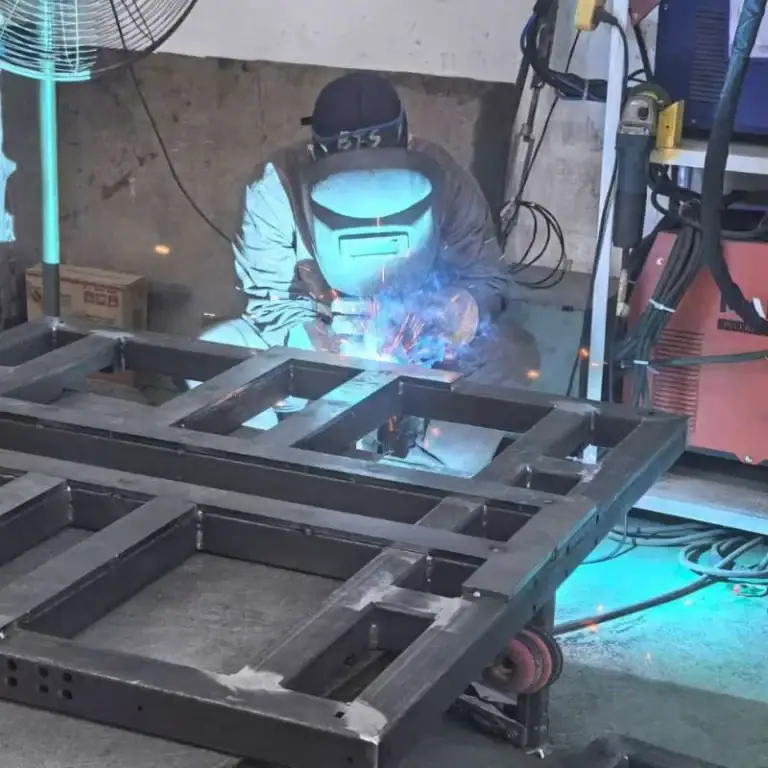
Both 304 and 201 stainless steel can be processed using a wide range of standard fabrication methods. These include CNC machining, sheet cutting, bending, forming, stamping, welding, polishing, brushing, and general stainless steel fabrication. From a manufacturing perspective, both grades are workable and widely used in different industries.
However, the key consideration is not simply whether 201 and 304 can be processed, but whether the finished part will still deliver the required strength, corrosion resistance, appearance, and service life after fabrication. This is where the difference between the two materials becomes more important.
CNC Machining
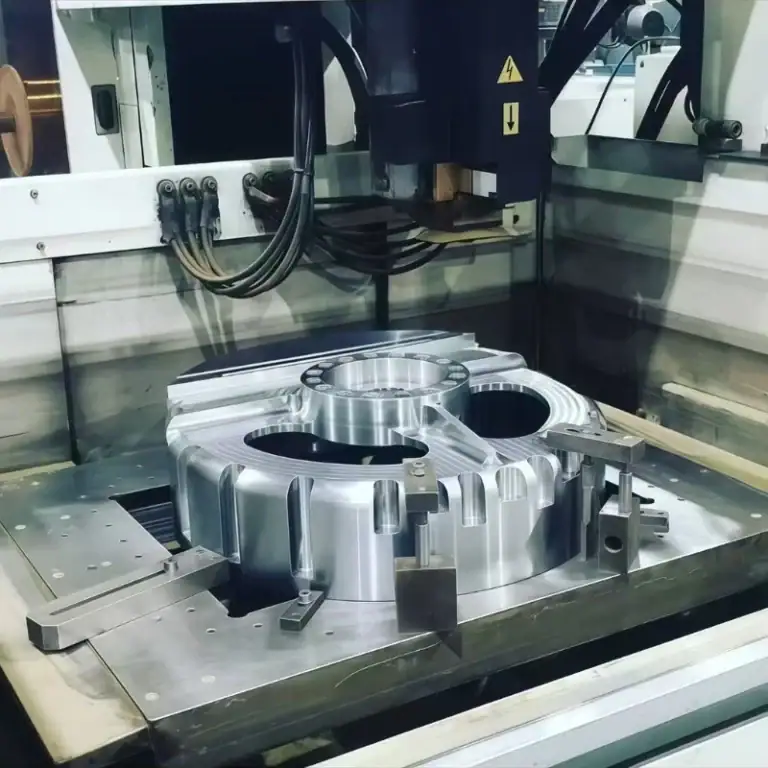
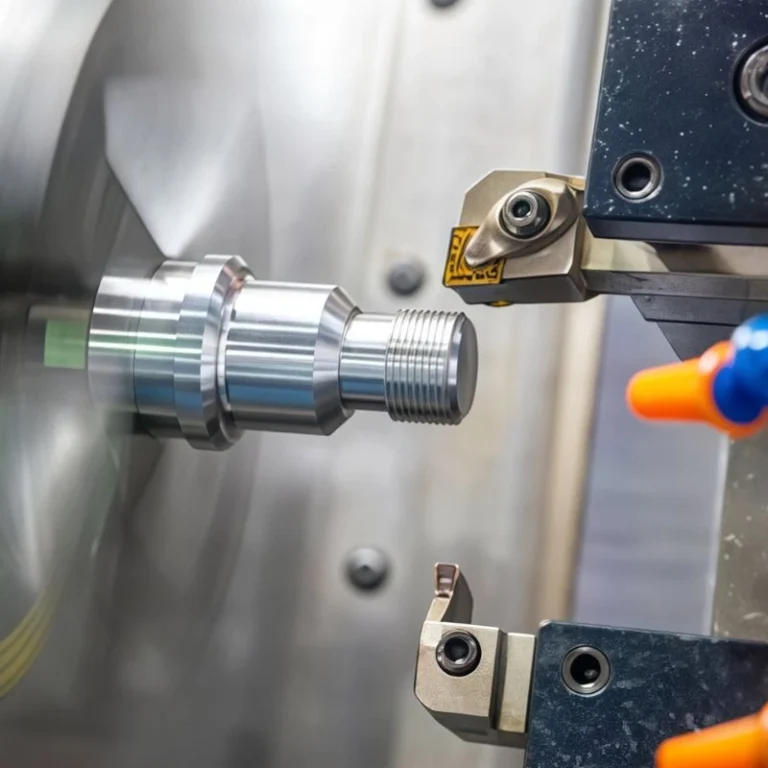
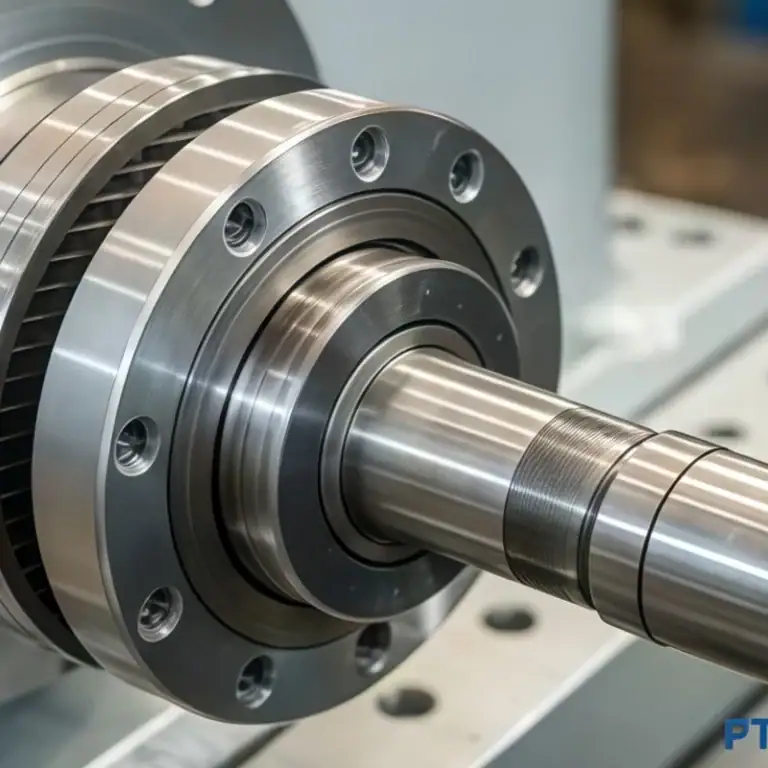
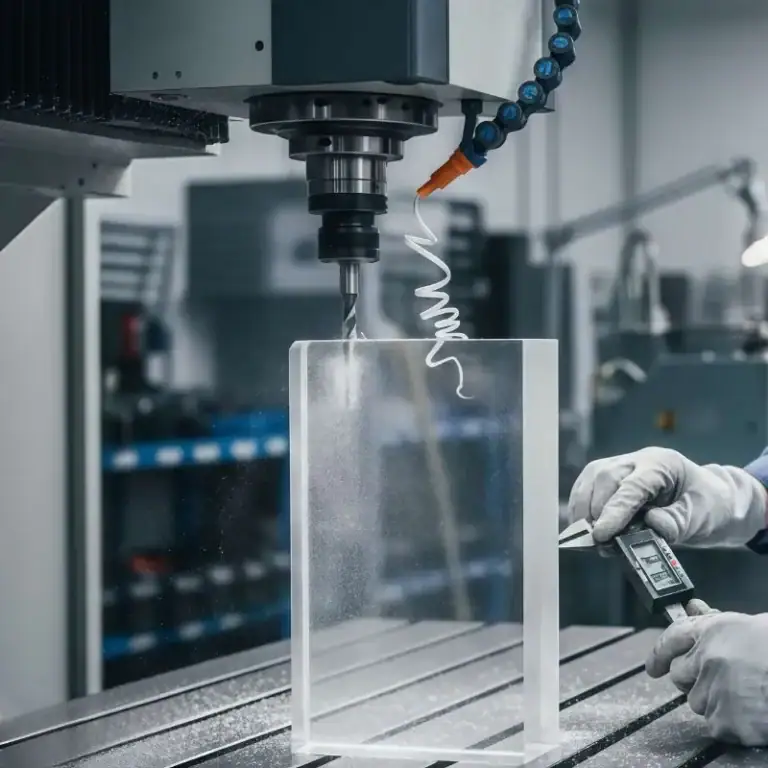
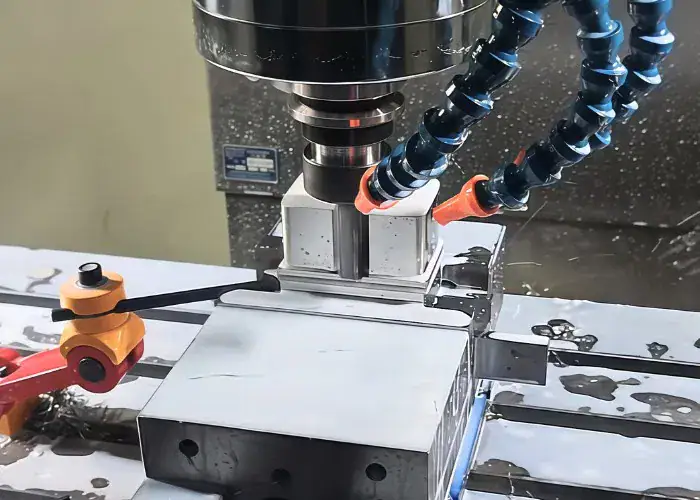
CNC machining is one of the most important processing methods for both 304 and 201 stainless steel, especially when parts require tight tolerances, complex geometries, drilled holes, threads, slots, or precision surfaces.
Common CNC operations include:
- CNC milling
- CNC turning
- Drilling
- Tapping
- Thread milling
- Surface finishing after machining
Both 201 and 304 can be machined, but 304 stainless steel is more commonly chosen for precision CNC parts because it provides a better overall balance of mechanical performance, corrosion resistance, and long-term application reliability. It is widely used for components in industries such as medical devices, food equipment, automotive parts, industrial assemblies, and marine-related applications.
201 stainless steel can also be CNC machined successfully, but it is more often selected for cost-sensitive parts or components used in relatively dry and mild environments. For example, it may be suitable for decorative hardware, indoor structural parts, or non-critical mechanical components.
When machining either grade, manufacturers need to pay attention to tool wear, cutting speed and feed rate, heat generation, work hardening behavior, coolant and lubrication control, and surface finish requirements. Because stainless steel tends to generate heat and can be prone to work hardening during machining, proper tooling and machining parameters are essential for maintaining dimensional accuracy and part quality.
Sheet Cutting
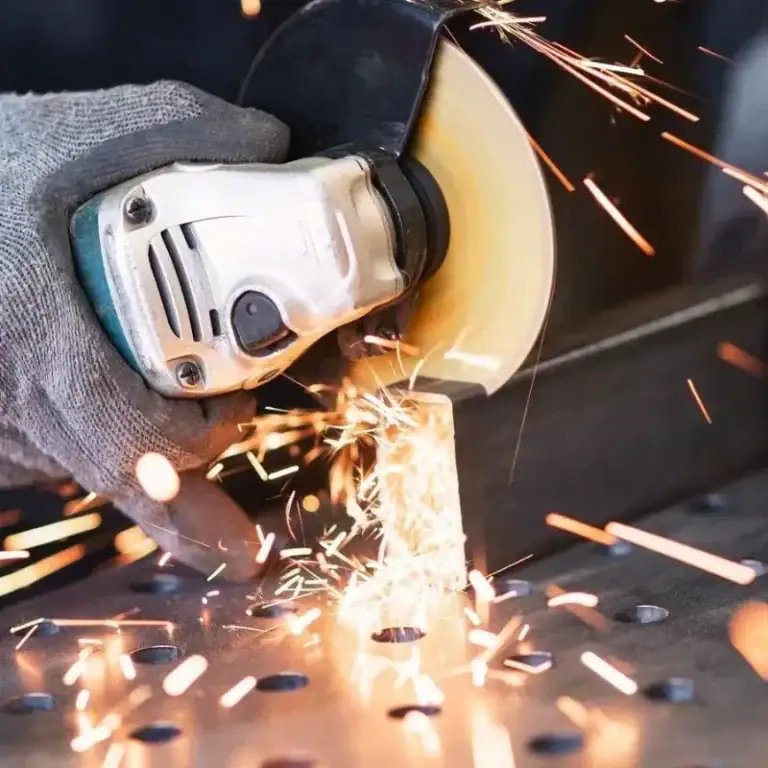
Sheet cutting is a common processing method for both 304 and 201 stainless steel, especially in sheet metal fabrication projects that require flat parts, panels, covers, brackets, and enclosures.
Common cutting methods include:
- Laser cutting
- Waterjet cutting
- Plasma cutting
- Mechanical shearing
Both grades can be cut effectively, but the material selection should still depend on the final application environment. 304 stainless steel is often preferred when the cut part will be exposed to moisture, chemicals, or outdoor conditions, because it provides better corrosion resistance and more reliable long-term performance. In contrast, 201 stainless steel is more commonly used in indoor products, decorative components, or applications where corrosion exposure is limited.
When selecting a cutting process, manufacturers usually need to consider sheet thickness, edge quality, dimensional accuracy, production volume, and the downstream forming or assembly requirements. Although both materials are suitable for sheet cutting, 304 is generally considered the safer choice for parts that must maintain appearance and corrosion resistance after fabrication.
Bending and Forming
Bending and forming are widely used for both 304 and 201 stainless steel when manufacturing channels, housings, brackets, frames, and other custom-shaped parts.
Common forming methods include:
- Press brake bending
- Roll forming
- Deep drawing
- General cold forming
Both grades are workable in forming operations, but the actual performance depends on several production factors, such as part geometry, material thickness, tooling condition, and required bend radius. In many standard manufacturing projects, both 201 and 304 are formable enough to meet normal fabrication needs.
However, ease of forming should not be the only basis for material selection. Even if both grades can be bent or formed successfully, the final service environment remains a more important factor. 304 stainless steel is usually preferred for parts that must perform in humid, corrosive, or hygiene-sensitive conditions, while 201 is more often used in cost-sensitive products or mild indoor environments.
Stamping
Stamping is another common processing method for both 304 and 201 stainless steel, particularly in high-volume production where fast cycle times and consistent part dimensions are required.
Common stamped products include:
- Metal covers
- Appliance parts
- Decorative panels
- Structural brackets
- Light-duty housings
Both materials can be stamped successfully, making them suitable for mass production applications. 201 stainless steel is often chosen for projects with stronger cost pressure, especially when the parts are intended for indoor or decorative use. 304 stainless steel, however, is more commonly selected when the stamped part must offer better corrosion resistance, greater durability, or more stable long-term performance.
In stamping projects, manufacturers typically evaluate tooling life, material thickness, forming complexity, surface appearance, and production efficiency. While both grades are workable, 304 is generally the more versatile option when stamped parts are expected to perform in demanding environments.
Welding
Welding is a widely used fabrication method for both 304 and 201 stainless steel, especially for assemblies that require structural joining, frame construction, or custom fabricated components.
Common welding methods include:
- TIG welding
- MIG welding
- Spot welding
- Resistance welding
Both 201 and 304 can be welded in regular stainless steel fabrication processes. Welding is commonly used for frames, tanks, brackets, furniture parts, and custom assemblies. From a manufacturing standpoint, both grades are workable, but the post-weld service environment is especially important when choosing between them.
If the welded part will be exposed to humidity, water, cleaning agents, or outdoor air, 304 stainless steel is usually the safer and more reliable choice because of its stronger corrosion resistance. 201 can still be used in welded products, but it is generally more suitable for decorative or mild-service applications where corrosion risk is lower.
How Do the Mechanical Properties of 304 and 201 Stainless Steel Compare?
304 stainless steel generally offers better toughness, ductility, formability, and overall balance, while 201 stainless steel tends to show higher hardness tendency and relatively higher rigidity in some comparisons.
In practical terms, 304 is usually the more versatile choice for fabrication and long-term performance, while 201 is more often selected for cost-sensitive applications where basic strength is sufficient and the service environment is mild.
304 Stainless Steel Mechanical Properties
304 stainless steel is generally considered the more balanced material in mechanical performance. It is widely recognized for its good toughness, reliable ductility, and better overall formability, which makes it suitable for a broad range of fabrication methods and end-use applications.
In practical manufacturing, these characteristics make 304 easier to use in parts that require bending, forming, welding, or more demanding service performance after processing. It is also often preferred when long-term stability matters, especially in applications where the part may experience variable loads, repeated use, or more challenging environments.
Although 304 is not always the hardest option in a direct comparison, it is usually the more dependable general-purpose grade because it offers a better overall balance between mechanical properties, processing performance, and corrosion resistance.
201 Stainless Steel Mechanical Properties
201 stainless steel is often described as having a higher hardness tendency and greater rigidity in some mechanical comparisons. This can make it an attractive option for cost-sensitive applications where good basic strength is needed and the service environment is relatively mild.
Because of this performance profile, 201 is often used in products where lower material cost is important, but extreme corrosion resistance, high ductility, or maximum forming performance are not the primary requirements. It can still perform well in many indoor, decorative, or light-duty applications.
However, while 201 may offer acceptable strength for many projects, it is generally not considered as well balanced as 304 in terms of toughness, formability, and long-term application flexibility.
Strength and Formability Comparison
A practical way to compare the two materials is this:
- Choose 304 when toughness, formability, corrosion resistance, and long-term stability are more important
- Choose 201 when lower cost and basic strength are the main priorities
Final Consideration
From a mechanical point of view, 304 stainless steel is usually the more versatile and better-balanced option, while 201 stainless steel is more often chosen as a lower-cost alternative for less demanding environments.
Mechanical Comparison Table
| Property Direction | 304 Stainless Steel | 201 Stainless Steel |
| Hardness Tendency | Lower | Higher |
| Toughness | Higher | Lower |
| Formability | Better | Lower to Moderate |
| Corrosion Margin | Higher | Lower |
| Overall Balance | More Versatile | Cost-Efficient |
What Are the Pros and Cons of 304 and 201 Stainless Steel?
The pros and cons of 304 and 201 stainless steel mainly come down to performance versus cost. 304 stainless steel offers better corrosion resistance, broader food-contact acceptance, and stronger long-term reliability, while 201 stainless steel is mainly valued for its lower material cost and acceptable performance in mild indoor applications.
In practical terms, 304 is usually the better choice for demanding environments, while 201 is often selected for budget-sensitive products with lower corrosion exposure.
Pros of 304 Stainless Steel
304 stainless steel is widely preferred because it offers:
- Stronger corrosion resistance
- Broader food-grade acceptance
- Better long-term durability
- Better balance of fabrication and service performance
- Wider use across industrial, commercial, and consumer products
These advantages make 304 one of the most widely recognized and trusted general-purpose stainless steel grades. It is commonly selected for applications where appearance, hygiene, durability, and environmental resistance all matter.
Cons of 304 Stainless Steel
The main disadvantage of 304 stainless steel is its higher cost. Because it typically contains more nickel and chromium, it is usually more expensive than 201 stainless steel.
In mild indoor conditions, that higher cost may not always create proportional value. For products that do not require strong corrosion resistance or long-term exposure performance, 304 may be more material capability than the application actually needs.
Pros of 201 Stainless Steel
201 stainless steel is attractive because it offers:
- Lower material cost
- Useful mechanical strength
- Acceptable performance in mild indoor environments
- Good value for decorative or budget-sensitive products
These advantages explain why 201 is still widely used in appliance parts, trims, decorative components, and lower-cost stainless steel products. For indoor applications where corrosion exposure is limited, it can provide a practical balance between appearance and cost.
Cons of 201 Stainless Steel
201 stainless steel also has several important limitations:
- Lower corrosion resistance
- Lower suitability for harsh or wet environments
- More limited use in food-contact applications
- Higher long-term risk under moisture or chemical exposure
Because of these limitations, 201 can be a risky substitute in products that may appear simple but actually operate in more demanding service conditions. If the part will be exposed to humidity, water, cleaning agents, or outdoor air, material selection should be evaluated more carefully.
Pros and Cons Table
| Grade | Main Pros | Main Cons |
| 304 | Better corrosion resistance, broader application range, stronger long-term reliability | Higher cost |
| 201 | Lower cost, useful strength, suitable for mild conditions | Lower corrosion resistance, narrower food-grade suitability |
In most cases, 304 stainless steel is the more versatile and dependable option, while 201 stainless steel is the more economical alternative. The right choice depends on whether the application prioritizes long-term performance and corrosion resistance or lower upfront material cost.
What Are the Common Applications of 304 and 201 Stainless Steel?
304 stainless steel is more common in food processing, premium consumer goods, corrosion-sensitive equipment, and applications where long-term durability matters more. In contrast, 201 stainless steel is more commonly used in decorative, low-cost, and mild-environment products where lower material cost is a higher priority.

Food Processing
304 stainless steel is much more commonly recommended for food processing and food-contact products. It is widely associated with cookware, kitchen equipment, food containers, drinkware, and other applications where corrosion resistance, hygiene, and long-term stability are important.
201 stainless steel may still appear in some lighter kitchen-related products, but it is generally not trusted to the same degree for demanding food-contact use. For this reason, 304 remains the more widely accepted choice in food-related applications.
Automotive Components
Both 304 and 201 stainless steel can be used in automotive applications, but they are not usually selected for the same purpose.
304 stainless steel is more suitable for components where corrosion resistance, durability, or heat resistance are more important. 201 stainless steel is more often used for decorative trim or lower-risk parts where the operating environment is less demanding and cost control matters more.
Construction Materials
In construction and architectural applications, both grades can be used, but the service environment plays a major role in material selection.
304 stainless steel is more suitable for exposed, humid, or corrosion-prone conditions where long-term durability matters more. 201 stainless steel is more often acceptable for decorative interior parts, dry indoor applications, and more cost-sensitive construction projects.
Consumer Goods
Consumer goods are one of the most confusing categories because 304 and 201 stainless steel may appear in products that look very similar from the outside.
304 stainless steel is more often used in premium kitchenware, drinkware, and consumer products marketed for safety, durability, or better corrosion resistance. 201 stainless steel is more commonly used in lower-cost household items, decorative products, and budget-sensitive consumer goods where the application environment is relatively mild.
Common Uses of 304 Stainless Steel
Common uses of 304 stainless steel include:
- Food processing equipment
- Kitchen fixtures and cookware
- Water bottles and tumblers
- Chemical equipment
- Medical-related equipment
- Corrosion-sensitive fabricated parts
Common Uses of 201 Stainless Steel
Common uses of 201 stainless steel include:
- Decorative panels and trims
- Household appliances
- Low-cost kitchenware
- Interior architectural products
- Cost-sensitive consumer goods
- Automotive decorative parts
How Do 304 and 201 Stainless Steel Compare in Food-Grade and Safety Applications?
In food-grade and safety-sensitive applications, 304 stainless steel is generally the preferred choice because it offers better corrosion resistance, easier cleaning, and stronger long-term reliability. 201 stainless steel may be acceptable for some mild-use cases, but it is usually considered less reliable for direct food and beverage contact.
Food-Grade Standards
Food-grade products require good corrosion resistance, easy cleaning, and stable performance under repeated exposure to liquids, washing, and daily use.
304 stainless steel is much more commonly associated with mainstream food-grade stainless applications because it better supports these requirements. This is one of the main reasons it is widely used in kitchen, beverage, and food-processing products.
Safety of 201 Stainless Steel for Food Contact
The position of 201 stainless steel in food-contact use is more limited.
Some sources describe it as acceptable only for lighter food-related use, while others are more cautious, especially in applications such as stainless steel water bottles. That warning should not be generalized to every product, but it does support the broader conclusion that 304 is the safer mainstream choice for direct food and beverage contact.
Medical and Sensitive Applications
304 stainless steel is also more commonly linked to medical, sanitary, or hygiene-sensitive applications.
Its stronger corrosion resistance and more stable long-term performance make it easier to justify in environments where cleanliness, sanitation, and material reliability are especially important. Compared with 201, 304 is generally the lower-risk material in these types of applications.
Hygiene and Regulatory Requirements
In hygiene-sensitive applications, material grade alone is not enough. Surface finish, fabrication quality, cleaning conditions, and the required compliance standard also matter.
However, between these two grades, 304 stainless steel is usually the easier and lower-risk material to specify when hygiene, safety, or regulatory expectations are higher.
What Is the Cost Difference Between 304 and 201 Stainless Steel?
304 stainless steel usually costs more than 201 stainless steel. The main reason is alloy composition, especially its higher nickel and chromium content. By comparison, 201 stainless steel is more attractive in cost-sensitive markets because it offers a lower initial material price.
Material Pricing
At the raw material level, 304 is usually more expensive, while 201 is generally cheaper. This price difference is one of the main reasons 201 is widely used in lower-cost stainless steel products.
Factors Affecting Price
Actual pricing is also influenced by several factors, including:
- Nickel market movement
- Thickness and product form
- Surface finish
- Order quantity
- Fabrication method
- Supplier region
Lifecycle Costs
Although 304 has a higher upfront cost, it can offer better lifecycle value in applications that involve corrosion exposure, repeated cleaning, or longer service expectations.
A lower initial material price does not always mean a lower total cost. If a product made from 201 requires earlier replacement, more maintenance, or creates higher failure risk, the apparent savings may disappear over time.
Maintenance Expenses
304 stainless steel is usually easier to keep in acceptable condition over time, especially in food equipment, drinkware, and exposed architectural applications.
By contrast, 201 stainless steel may create more maintenance risk in harsher environments because it is more vulnerable to corrosion, staining, or long-term surface degradation.
Is 304 Worth the Higher Cost?
304 is usually worth the higher cost when the application involves:
- Food or beverage contact
- Outdoor exposure
- Humidity or repeated cleaning
- Longer service life
- Higher brand quality expectations
If the environment is mild and cost pressure is strong, 201 may still be the better commercial choice.
How Should You Choose Between 304 and 201 Stainless Steel?
You should choose between 304 and 201 stainless steel based on service environment, performance requirements, budget, and actual application risk. In most cases, 304 is the better choice when reliability, corrosion resistance, and long-term durability matter more, while 201 is more suitable when cost control is the main priority and the environment is relatively mild.
Quick Selection Guide
| If Your Priority Is… | Better Choice |
| Better corrosion resistance | 304 |
| Food-contact confidence | 304 |
| Long-term durability | 304 |
| Premium consumer products | 304 |
| Lower upfront cost | 201 |
| Mild indoor decorative use | 201 |
Environmental Conditions
If the part will face humidity, salt, acidic liquids, or outdoor exposure, 304 is usually the stronger choice because it provides better corrosion resistance and more stable long-term performance.
If the environment is dry, mild, and indoor, 201 may be sufficient for the application.
Mechanical Requirements
If the project needs a balanced combination of toughness, formability, and stable service performance, 304 is usually the safer option.
If the project is highly cost-driven and corrosion risk is low, 201 may still be a practical alternative.
Budget Constraints
Budget always matters, but it should be evaluated together with application risk.
Saving on material only creates value if the chosen grade still matches the service environment. If using 201 increases the risk of corrosion, warranty issues, maintenance, or earlier replacement, the lower price may no longer be a real advantage.
Application Needs
The final decision should always be based on the actual application.
A decorative indoor trim should not be judged by the same standard as a reusable water bottle, food-processing component, or outdoor fabricated part. Once the real use case is clear, the material choice usually becomes much easier.
FAQs
What Is The Magnetic Permeability In 201 Vs 304 Stainless Steel?
In 201 vs 304 stainless steel, both grades are austenitic and usually show low magnetism in the annealed state. Typical relative permeability is about 1.05 for 201 and around 1.00–1.02 for 304. After cold working, 201 usually becomes more magnetic, so 304 is often the more stable choice.
How Does The Thermal Conductivity Compare In Stainless Steel Grade 201 Vs 304?
In stainless steel grade 201 vs 304, thermal conductivity is quite close. Typical values are about 15 W/m·K for 201 and around 16 W/m·K for 304. In most applications, this difference is small, so it is usually not a key factor in 201 vs 304 stainless steel selection.
What Are The Differences In Work Hardening Rates And 201 Vs 304 Stainless Steel Strength?
In 201 vs 304 stainless steel strength comparisons, 201 usually shows a stronger work-hardening tendency during forming or machining. It can become harder faster, which may increase tool wear and forming difficulty. 304 also work hardens, but it is generally easier to control in fabrication.
Which Is Better In Stainless Steel 201 Vs 304 Food Grade And General Use?
For stainless steel 201 vs 304 food grade applications, 304 is generally the better choice. It offers better corrosion resistance, easier cleaning, and stronger long-term reliability. By contrast, 201 is more suitable for low-cost, decorative, and mild indoor applications.
What Is The Difference In Stainless Steel 201 Vs 304 Vs 316?
In stainless steel 201 vs 304 vs 316, 201 is the lower-cost option, 304 is the general-purpose standard, and 316 is the higher-grade corrosion-resistant choice. 304 offers the best balance for general use, while 316 performs better in marine, chemical, and other harsh environments.
How Does Stainless Steel 201 Vs 304 Price Compare?
In stainless steel 201 vs 304 price comparisons, 201 is usually cheaper because it contains less nickel. 304 costs more, but it usually delivers better corrosion resistance and longer service life. That makes 201 attractive for budget-sensitive products, while 304 often offers better long-term value.
How Does 201 Vs 304 Vs 430 Stainless Steel Compare?
In 201 vs 304 vs 430 stainless steel comparisons, 201 is usually the lower-cost austenitic option, 304 is the most widely used all-around grade, and 430 is a ferritic grade often used in decorative or appliance parts. 304 generally offers the best overall balance of corrosion resistance and fabrication performance.
Conclusion
304 and 201 stainless steel are both useful, but they suit different applications. 201 is better for lower-cost, decorative, and mild-environment use, while 304 is better for food contact, corrosion resistance, and long-term reliability. The right choice depends on factors such as service environment, cleaning conditions, budget, and product requirements.
At TiRapid, we help customers choose the right stainless steel for custom parts based on real application needs.