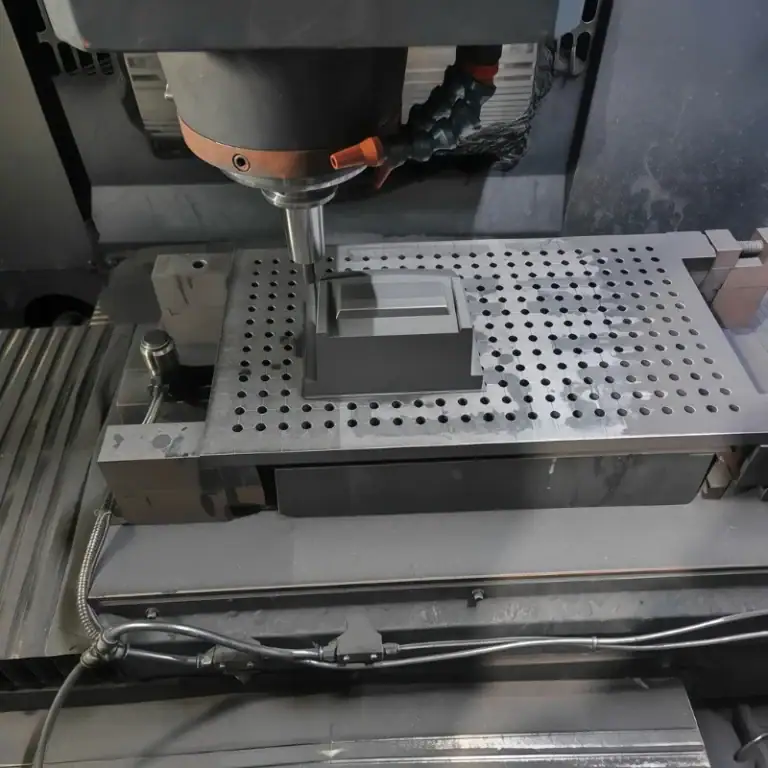
The automotive industry has strict requirements for component accuracy, structural stability, and service life. With the rapid development of electric vehicles, intelligent vehicles, and high-performance automobiles, automotive component manufacturing is continuously moving toward higher precision, improved efficiency, and lightweight designs. CNC turning has become an essential machining technology in automotive parts production due to its high automation level, stable accuracy, fast production capability, and wide material compatibility.
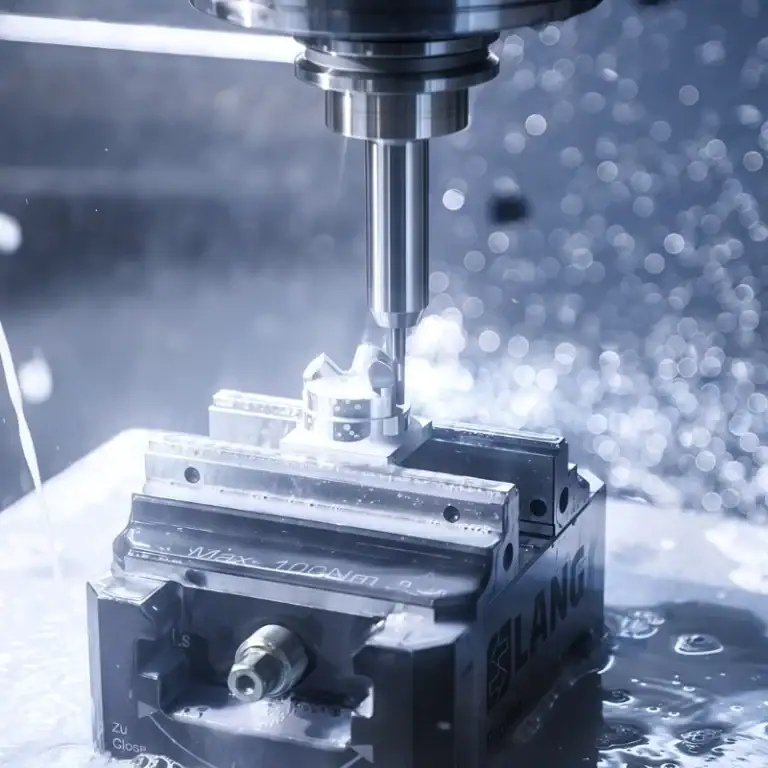
CNC turning uses computer numerical control systems to precisely control cutting tools and machine rotating workpieces. It can manufacture shafts, sleeves, connectors, and various precision rotational components. Compared with traditional machining methods, CNC turning reduces manual operation errors, improves batch production consistency, and meets the automotive industry’s strict requirements for complex structures and tight tolerances.
CNC Turning Is Suitable for Manufacturing Various Automotive Components
Automobiles contain many high-precision mechanical components that must withstand high-speed operation, friction, impact, and temperature changes for long periods. CNC turning can develop optimized machining processes according to different component structures, ensuring stable and reliable production.
Tillverkning av motorkomponenter
The engine is the core power system of a vehicle. Many engine components require extremely high machining accuracy to maintain reliable operation. CNC turning can produce various engine-related parts while improving dimensional consistency.
- Kolvstift
- Camshaft components
- Crankshaft connection parts
- Komponenter i bränsleinsprutningssystemet
- Engine sleeves
- Precisionsanslutningskomponenter
Engine components require strict control of roundness, concentricity, and surface quality. Through proper tool selection and optimized machining parameters, CNC turning reduces manufacturing errors and improves component assembly performance.
Transmission System Component Manufacturing
A transmission system contains many precision rotating components that require accurate dimensions and reliable operating performance.
- Transmissionsaxlar
- Gear shaft sleeves
- Kopplingskomponenter
- Drive connectors
- Positioneringshylsor
- Hydraulic control components
CNC turning can continuously process complex shaft components, reducing errors caused by repeated setups and improving transmission component quality.
CNC Turning Improves Automotive Component Precision
Automotive components must meet strict dimensional standards because manufacturing deviations can affect vehicle performance, safety, and service life. CNC turning uses digital programming control to maintain stable machining accuracy and meet the automotive industry’s demand for consistent production quality.
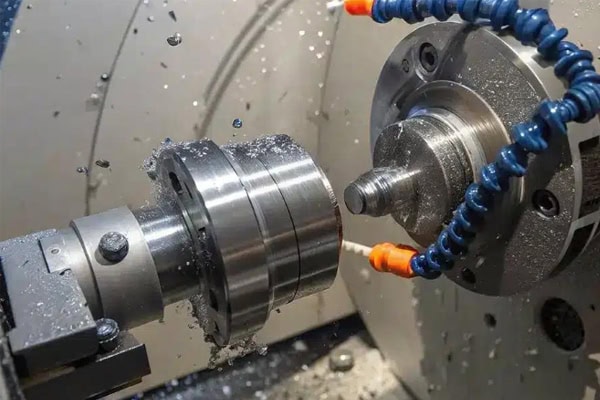
Maintaining Dimensional Stability
During mass production, every component must maintain identical specifications. CNC programs execute the same machining paths repeatedly, improving product consistency.
- Control component tolerances
- Improve positioning accuracy
- Bibehåll batchkonsistens
- Minska manuella justeringar
- Förbättra monteringseffektiviteten
- Lägre omarbetningshastigheter
Stable dimensional control helps automotive manufacturers improve production efficiency while reducing quality issues during manufacturing.
Improving Component Surface Quality
Automotive components often operate under high-speed movement and precision fitting conditions. Surface quality directly affects component performance and reliability.
- Minska ytjämnheter
- Minimera bearbetningsmärken
- Förbättra slitstyrkan
- Förbättra smörjprestanda
- Förläng komponenternas livslängd
- Increase assembly reliability
By optimizing cutting speed, feed rate, and tool condition, manufacturers can achieve more consistent machining surfaces.
CNC Turning Supports Electric Vehicle Component Manufacturing
The growth of electric vehicles has introduced new requirements for automotive component production. Electric motors, electronic control systems, and lightweight structures require advanced machining solutions with high precision. CNC turning provides reliable manufacturing capabilities for these emerging applications.
Electric Motor Component Machining
Electric vehicle drive systems require many precision rotational components. CNC turning provides stable and accurate production capabilities.
- Motoraxlar
- Rotor connection components
- Precisionshylsor
- Positioneringskomponenter
- Lagersäten
- Strukturella kontakter
These components require excellent concentricity and balance performance to prevent vibration during operation.
Lightweight Material Component Manufacturing
Electric vehicles focus heavily on weight reduction and energy efficiency, increasing the use of materials such as aluminum alloys and magnesium alloys.
- Aluminum alloy shafts
- Lätta kontakter
- Battery system components
- Strukturella stöddelar
- Precision housing components
- Växellådskomponenter
CNC turning can adjust machining parameters according to different material properties, achieving efficient and high-quality production.
CNC-svarvning förbättrar effektiviteten i fordonstillverkningen
Automotive production usually requires large-scale manufacturing capabilities and stable production performance. Through automated control and continuous machining processes, CNC turning significantly improves manufacturing efficiency.
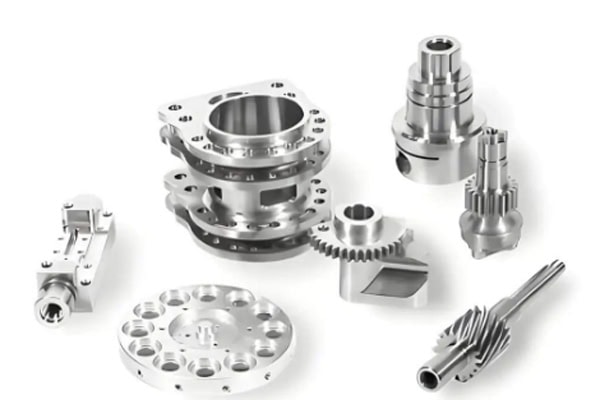
Automated Machining Reduces Production Time
Modern CNC lathes are often equipped with automatic tool changers, automatic feeding systems, and intelligent inspection technology to reduce manual operations and improve equipment utilization.
- Förkorta bearbetningscyklerna
- Reduce operator involvement
- Increase machine operating time
- Lägre produktionskostnader
- Improve mass production capability
- Bibehåll bearbetningsstabilitet
Automated production methods allow automotive component manufacturers to respond quickly to changing market demands.
Multi-Process Integration Improves Machining Efficiency
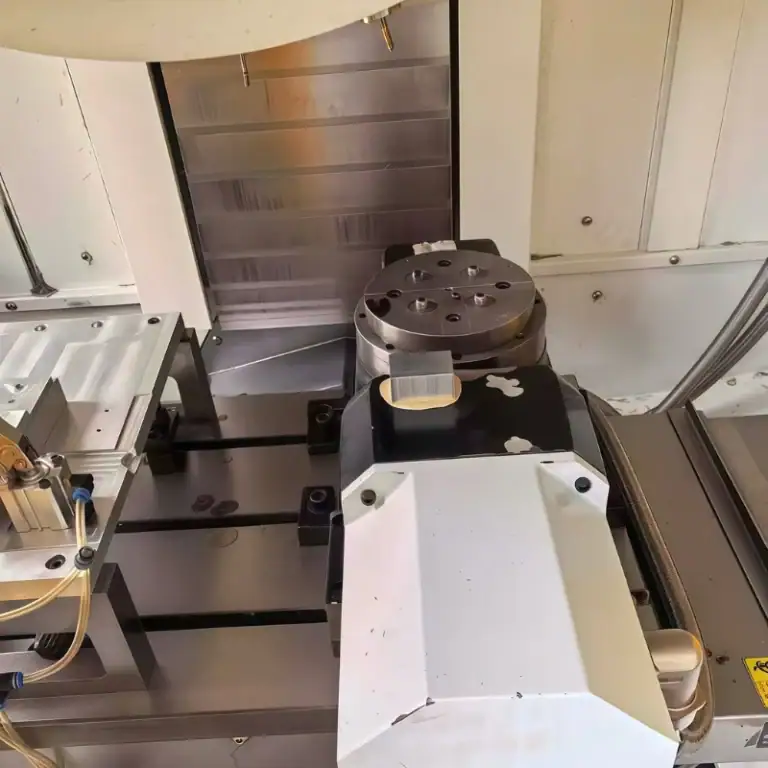
Advanced CNC turning centers can combine turning, drilling, threading, milling, and other operations within a single machine setup.
- Reduce workpiece setups
- Minimize positioning errors
- Förbättra bearbetningskontinuiteten
- Shorten production processes
- Öka produktkonsistensen
- Optimize manufacturing efficiency
Process integration reduces production steps and improves overall manufacturing capability.
CNC Turning Drives Automotive Manufacturing Technology Development
As the automotive industry continues moving toward intelligent and high-performance vehicles, component manufacturing requires increasingly advanced machining technologies. CNC turning plays an important role in automotive manufacturing due to its high precision, efficiency, automation capability, and excellent material adaptability.
From traditional vehicle components to advanced electric vehicle systems, CNC turning provides reliable machining solutions for modern automotive production. Combined with advanced CNC equipment, intelligent inspection systems, and optimized manufacturing processes, companies can improve component quality, shorten production cycles, and reduce manufacturing costs.
With continued growth in the automotive industry, CNC turning will create greater value in power systems, intelligent driving components, electronic assemblies, and lightweight structural parts, providing more efficient and precise manufacturing support for future automotive development.