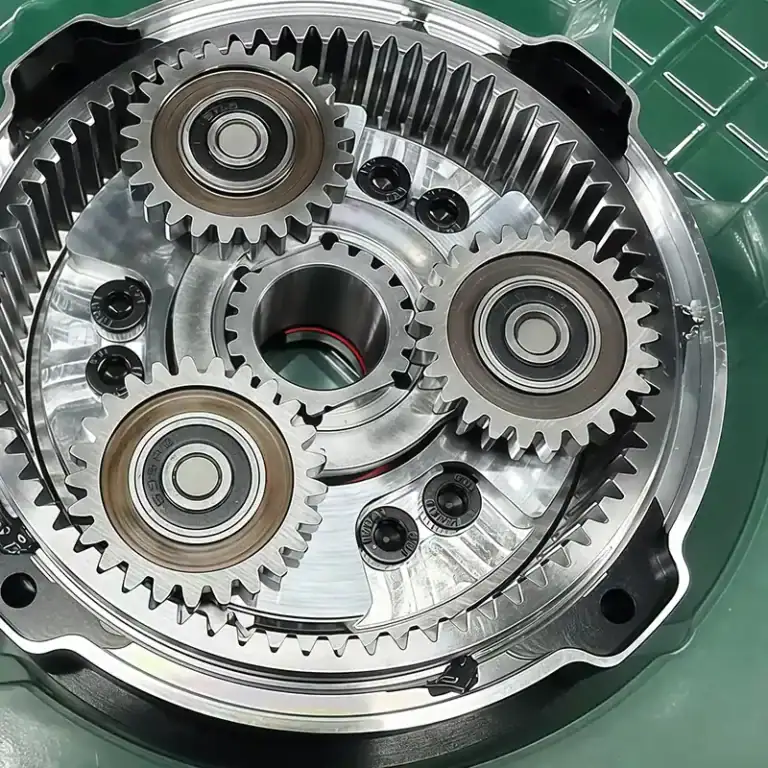
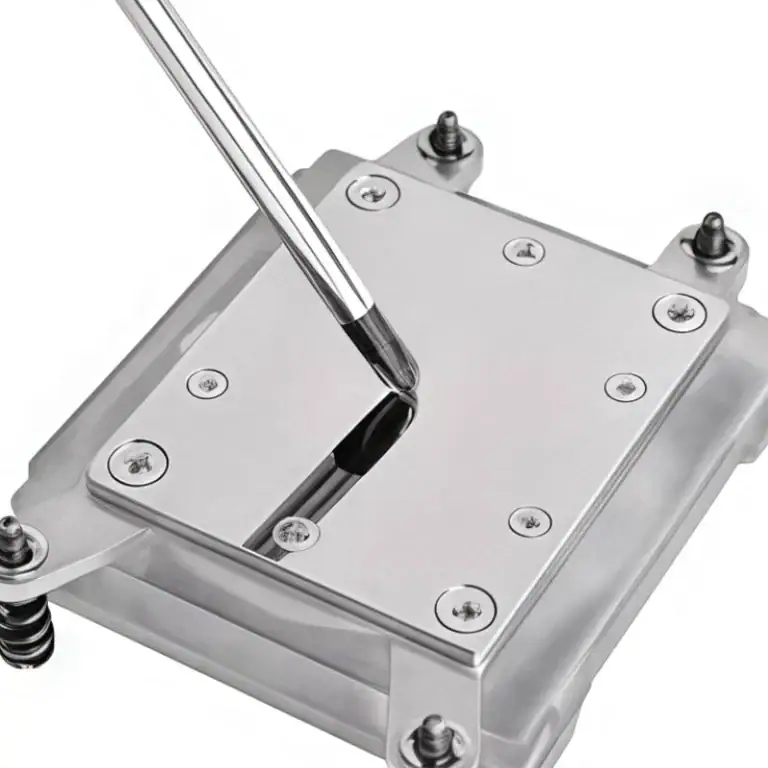
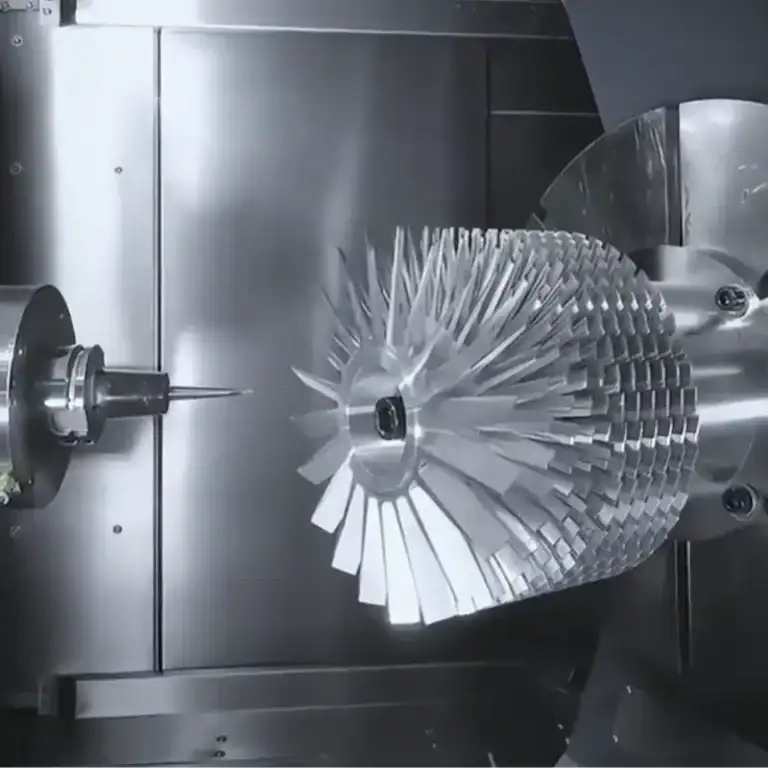
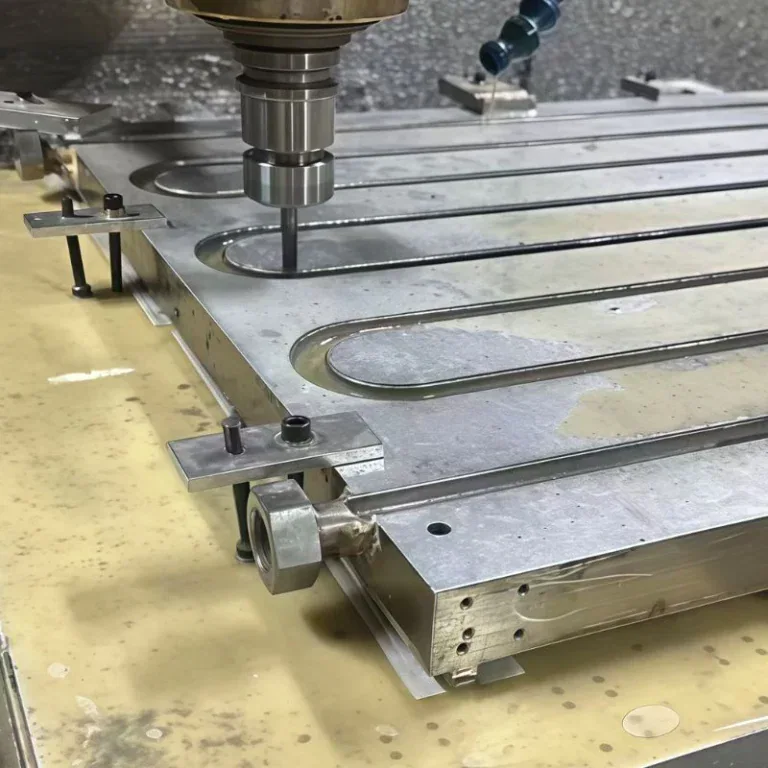
Electronic devices are becoming smaller, while their internal components are becoming increasingly complex. A miniature connector, a precision positioning hole, or even a tiny machined slot can affect the assembly of an entire electronic product. This is particularly true for semiconductor equipment, communication modules, and precision electronic instruments, where components have compact structures and demanding requirements for machining accuracy and surface quality. Conventional machining methods may struggle to handle complex geometries while maintaining dimensional consistency. With precise tool control and flexible machining capabilities, CNC machining has become an important solution for manufacturing miniature electronic components.
Which Electronic Components Are Suitable for Micro-Precision CNC Machining?
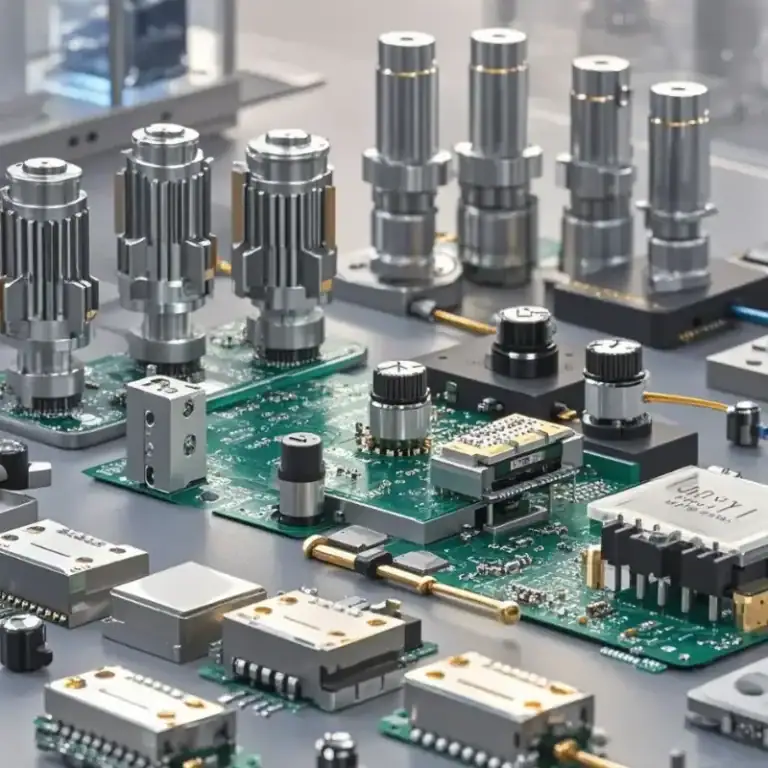
Electronic components are not limited to chips and resistors on circuit boards. Many devices also contain metal structural parts, connectors, and positioning components. Although these parts are relatively small, they perform important functions such as fastening, guiding, heat dissipation, and electrical connection. Micro-precision CNC machining is well suited to producing small holes, complex profiles, and precision mating features.
Miniature Connectors and Precision Electrical Contacts
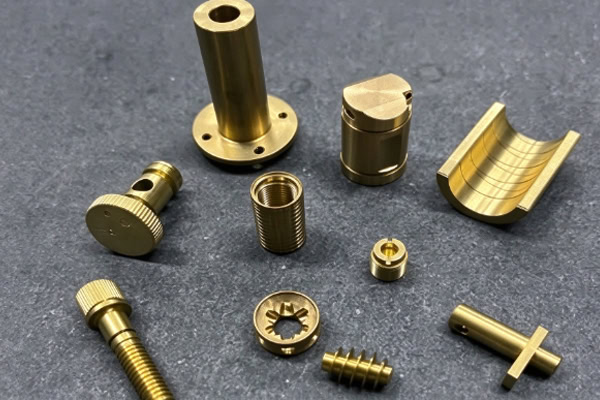
Miniature connectors are commonly used in communication equipment, electronic instruments, and semiconductor equipment. Their internal structures may include tiny slots, positioning holes, and complex contours. CNC machining can accurately produce these features according to design specifications, reducing dimensional errors associated with manual operations.
- Consistent slot dimensions help ensure a proper connection fit.
- Accurate positioning holes reduce assembly deviations.
- Smooth contact surfaces help minimize burr-related connection problems.
Miniature Structural Components in Electronic Devices
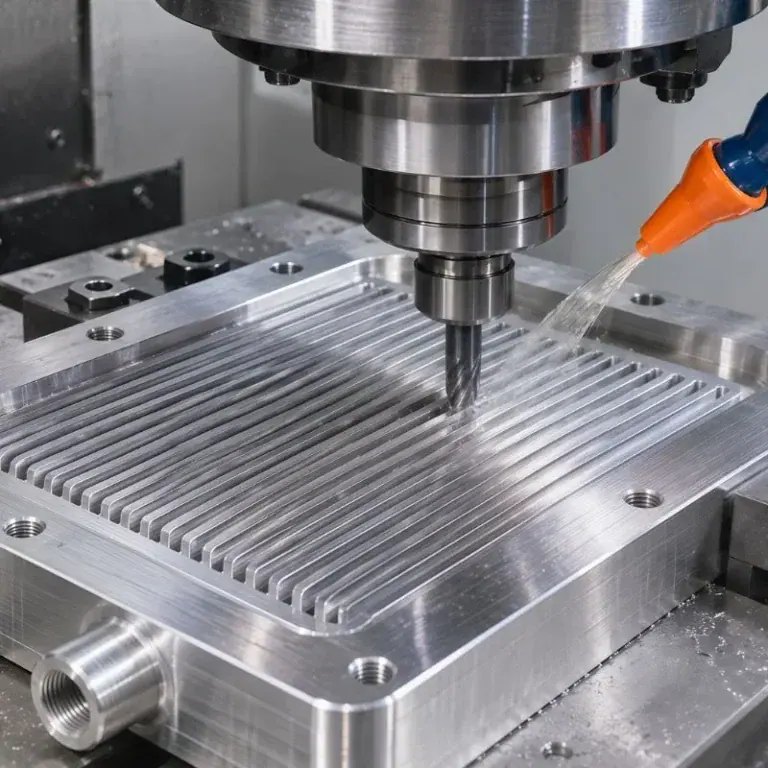
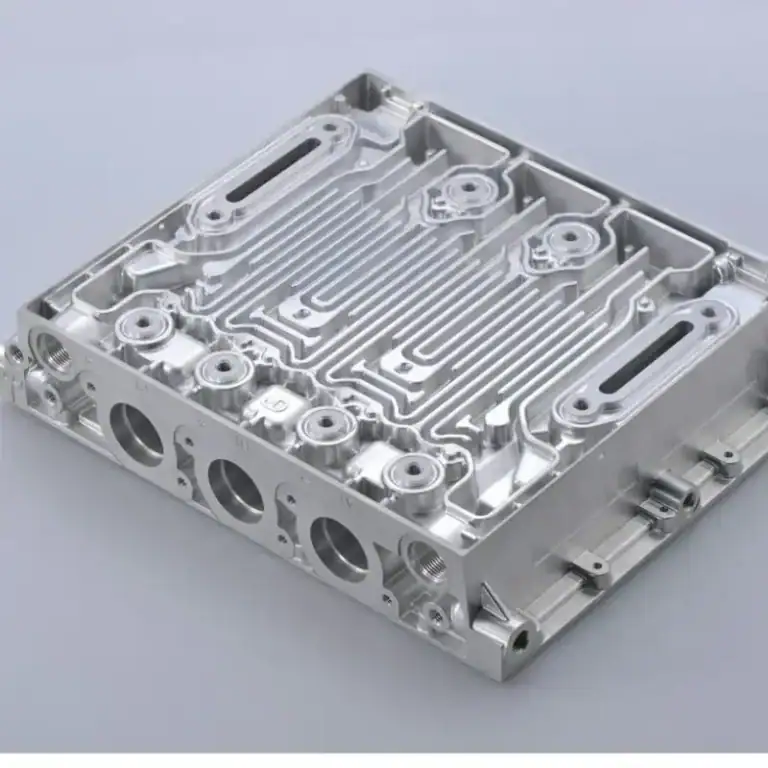
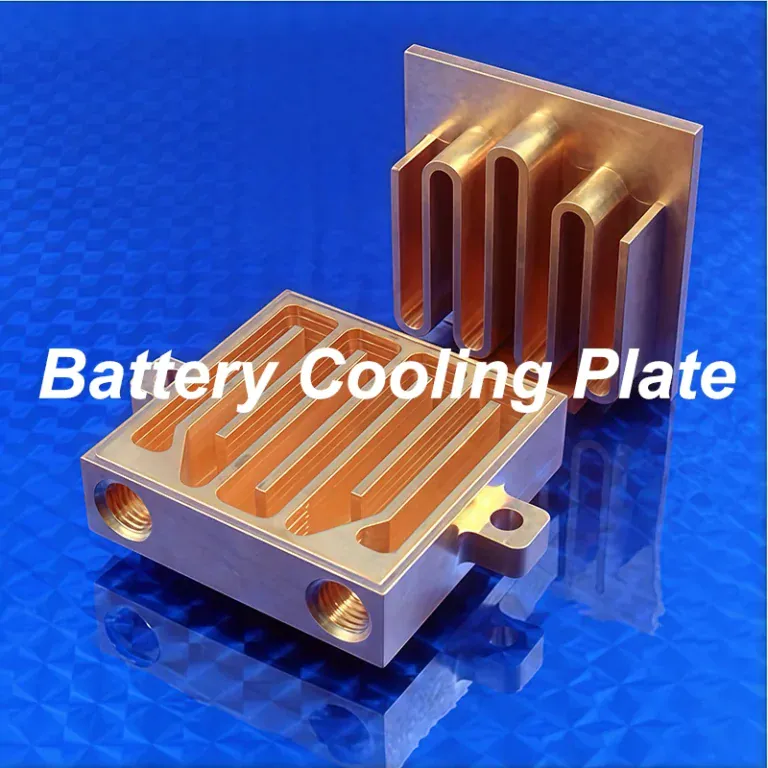
Heat sinks, mounting brackets, metal housings, and miniature mounting plates often require precision machining. These parts may contain thin walls, narrow slots, or multiple mounting holes. CNC milling can produce complex geometries according to the design, helping reduce dimensional variations between machining operations.
Precision Components for Semiconductor Equipment
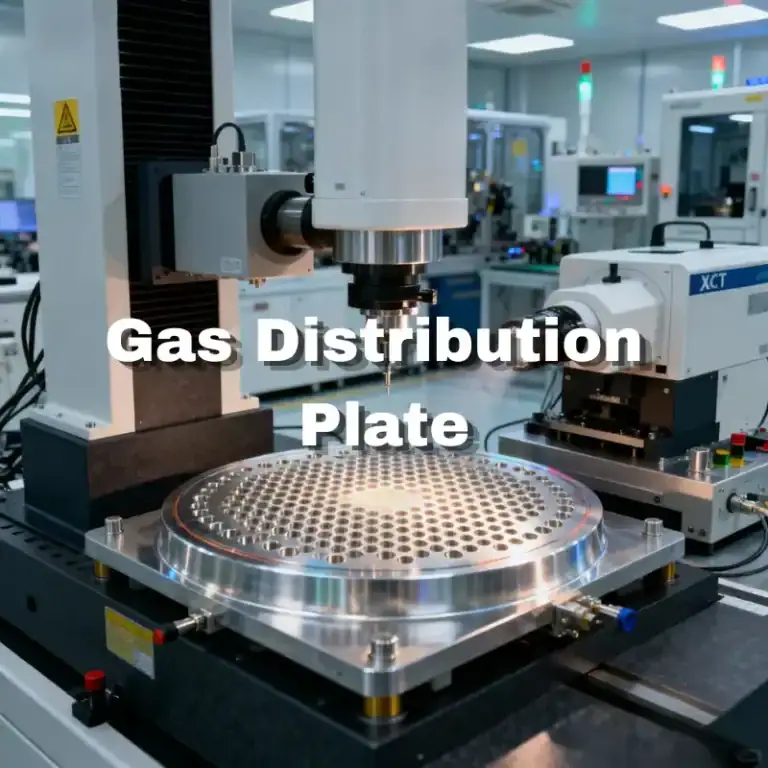
Semiconductor equipment has demanding requirements for positioning accuracy and component cleanliness. Common machined parts include sensor mounting bases, precision support components, and vacuum equipment connectors. With optimized tool paths and accurate dimensional control, CNC machining helps improve component fit and meet the structural stability requirements of precision equipment.
What Are the Technical Advantages of Micro-Precision CNC Machining for Electronic Components?
Miniature components may look easy to machine, but the process can be quite challenging. As part dimensions decrease, tool diameter, cutting forces, and clamping methods have a greater influence on the final result. Micro-precision CNC machining uses programmed control, precision cutting tools, and stable machining parameters to produce small features that can be difficult to achieve with conventional methods.
Greater Accuracy for Micro-Holes and Narrow Slots
Small holes and narrow slots often require small-diameter cutting tools. Tool rigidity, spindle performance, and cutting parameters all play an important role. CNC machines control tool movement along predefined paths, helping reduce dimensional variations caused by manual operations.
- Suitable for machining tiny holes and narrow slots.
- Controls hole spacing, slot width, and feature positions.
- Proper cutting parameters help reduce burrs and edge damage.
- Complex profiles can be machined directly from digital programs.
Precise Machining of Thin-Walled Electronic Components
Some electronic components use thin aluminum alloy or stainless steel structures. Removing material can change the rigidity of these parts. Excessive clamping force may deform a component during machining, while springback can occur after it is released. By optimizing clamping positions, using staged cutting, and controlling material removal, manufacturers can reduce deformation risks and maintain dimensional stability in lightweight structures.
Which Common Machining Challenges Can Micro-Precision CNC Solve?
Different component structures present different machining challenges. Appropriate tool selection and process planning help make production more predictable. The following table outlines common features and the corresponding CNC machining advantages.
| Töötlemise funktsioon | Ühine väljakutse | CNC-töötluse eelis |
| Mikroaugud | Small diameters and tight positional tolerances | Accurate control of drilling positions and dimensions |
| Kitsad pesad | Uneven widths and burr formation along edges | Programmed tool path control |
| Õhukese seinaga osad | Deformation and insufficient rigidity | Optimized clamping and cutting methods |
| Precision mating surfaces | Dimensional variation and visible tool marks | Consistent control of dimensions and surface quality |
How Should Materials and Cutting Tools Be Selected for Micro-Precision Electronic Component Machining?
Material selection directly affects cutting difficulty, component strength, and final performance. Common materials for precision electronic structures include aluminum alloys, stainless steel, and copper alloys. Each has different hardness, thermal conductivity, and machining characteristics. Selecting suitable materials and cutting tools can improve machining results while reducing unnecessary operations and production waste.
How to Choose Materials for Precision Electronic Components
Aluminum alloys are lightweight and relatively easy to machine, making them suitable for housings, brackets, and heat dissipation structures. Stainless steel offers good strength and corrosion resistance, so it is often used for connectors and equipment support components. Copper alloys provide good electrical and thermal conductivity and are suitable for certain electrical connection structures.
| MATERJAL | Common Component Applications | Peamised eelised |
| Alumiiniumi sulam | Korpused, kronsteinid, jahutusradiaatorid | Kerge ja tõhus töötlemine |
| Roostevaba teras | Connectors, positioning bases | Kõrge tugevus ja korrosioonikindlus |
| Vasesulam | Conductive connectors, contact components | Hea elektri- ja soojusjuhtivus |
| Insenertehnilised plastid | Insulating structures, precision spacers | Kerge ja elektriliselt isoleeriv |
How Do Micro-Cutting Tools Improve Machining Results?
Micro-precision machining frequently uses small-diameter end mills, micro-drills, and precision boring tools. Suitable cutting tools can reach narrow areas that conventional tools may not access easily, allowing manufacturers to produce narrow slots, micro-holes, and complex profiles. Proper control of tool overhang and cutting parameters can also reduce vibration and improve machining stability.
How Does Multi-Axis CNC Machining Improve Production Efficiency for Complex Components?
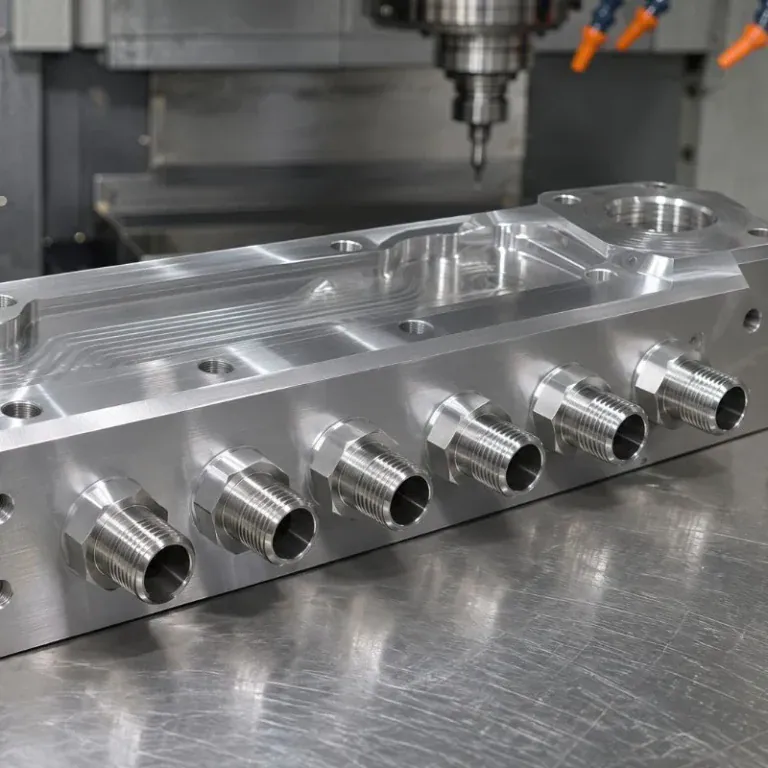
A miniature component may contain holes, slots, flat surfaces, and sidewall features at the same time. Re-clamping the part after every operation increases production time and may introduce cumulative positioning errors. Multi-axis CNC machining can complete more features from different directions in a single setup, reducing repeated positioning and making the production process more efficient.
How Does CNC Machining Improve Electronic Component Production Efficiency?
For electronic equipment manufacturers, machining accuracy is important, but production speed and delivery capability also matter. During new product development and batch production, component designs may need frequent adjustments. If every change requires extensive process reorganization, production costs can increase. CNC machining uses digital program control to create a smoother transition from product design to manufacturing.
Digital Machining Shortens Product Development Cycles
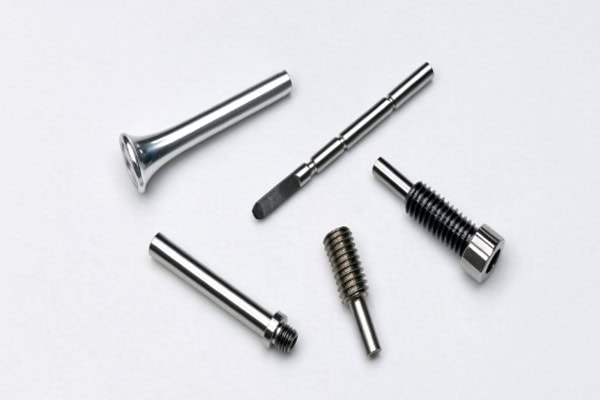
CAD drawings or 3D models can be converted into machining programs, reducing the time spent on repeated manual marking and adjustments in conventional processes. When a component design changes, the machining program and tool paths can be modified without completely redesigning the production process.
More Consistent Dimensions in Batch Production
For electronic components that require regular repeat orders, CNC machining allows proven programs and key parameters to be saved and reused. This helps maintain consistent machining standards across different production batches.
- Reduces dimensional differences caused by manual operations.
- Helps maintain stable processes when machining identical components repeatedly.
- Makes first-article approval and batch production easier to organize.
- Helps reduce rework and material waste.
Flexible Custom Machining for Complex Product Requirements
Electronic devices evolve quickly, and different models may require different dimensions, hole positions, and mounting structures. CNC machining supports both small-batch customization and ongoing production runs. For components with special geometries, tool paths, cutting tools, and clamping methods can be adjusted to meet specific requirements. This reduces dependence on dedicated molds and gives product designers greater flexibility.
Although electronic components are small, they have demanding requirements for machining accuracy, structural details, and production consistency. Micro-precision CNC machining can produce micro-holes, narrow slots, and complex profiles while reducing repeated setups and improving customization flexibility. Whether the components are used in communication equipment, electronic instruments, or semiconductor machinery, a suitable machining solution can provide reliable manufacturing support. If you need custom miniature metal parts or complex electronic components, TIRAPID offers CNC machining services based on your drawings, materials, and production quantities. Contact us to discuss your project.