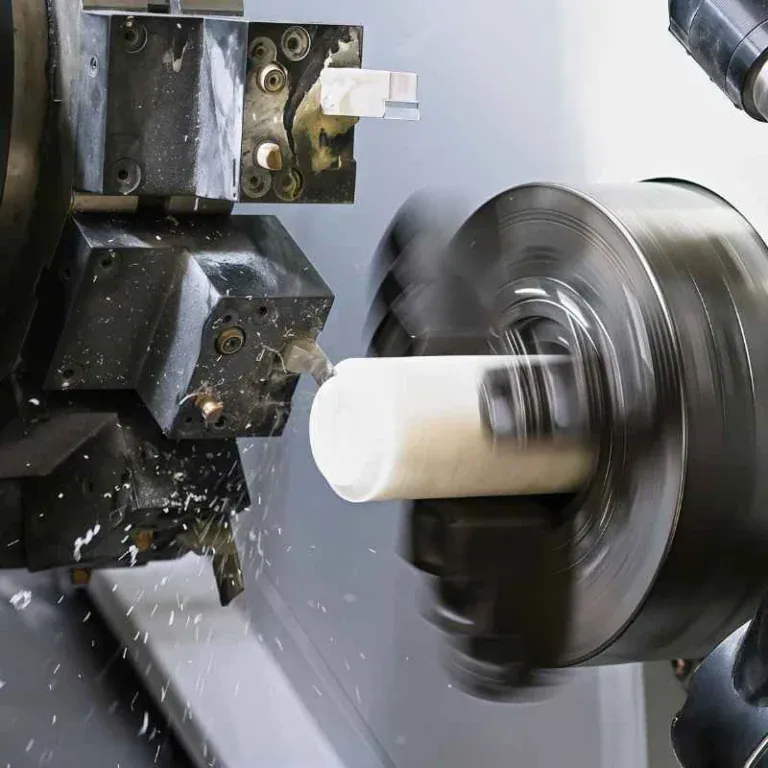
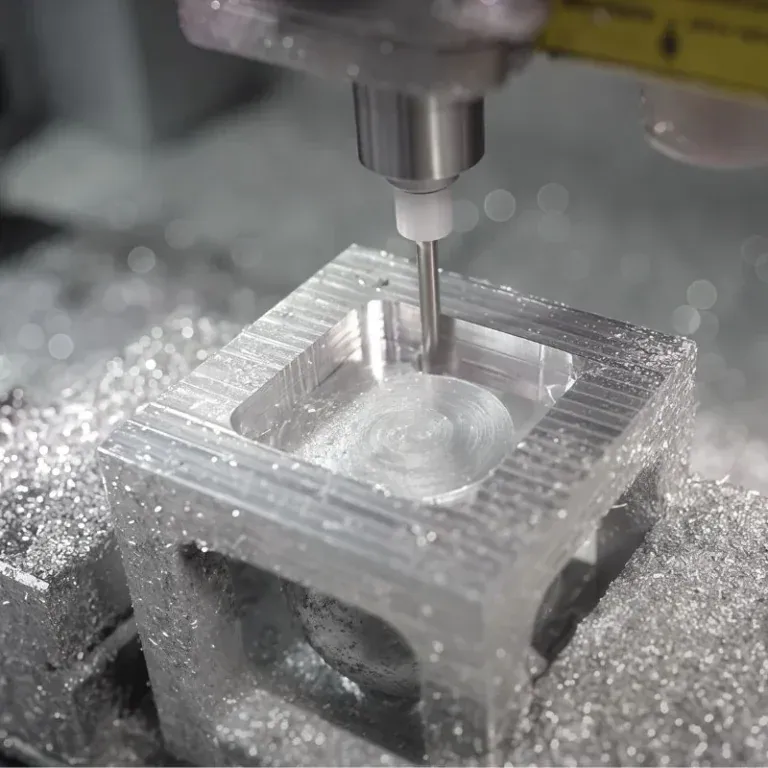
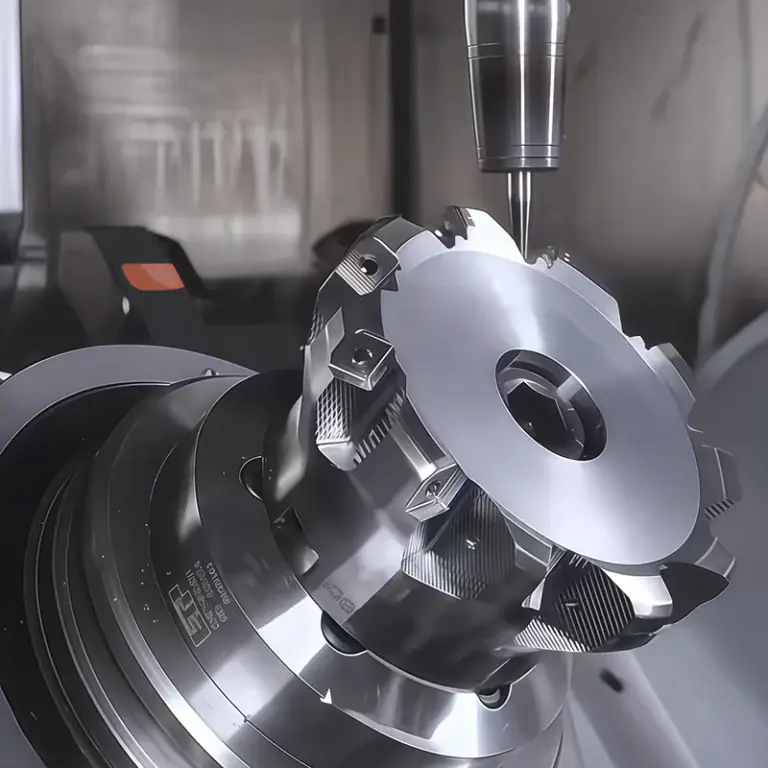
In metal CNC machining, material costs are an important factor affecting overall manufacturing expenses. For materials such as aluminum alloys, stainless steel, and titanium alloys, inefficient nesting, excessive machining allowances, and poorly planned toolpaths can all lead to material waste while increasing machining time and production costs.Reducing material waste involves more than simply removing less material. It requires a comprehensive approach that covers raw material selection, part nesting, machining allowance control, toolpath planning, and quality management. By optimizing CNC machining processes, manufacturers can improve material utilization while maintaining dimensional accuracy, machining efficiency, and product quality.
Optimize Raw Material Selection and Nesting
Select Suitable Material Specifications Based on Part Geometry
Metal CNC machining typically starts with plates, bars, profiles, or metal billets. The compatibility between raw material dimensions and finished part dimensions directly affects the amount of material removed during machining.
For parts with regular geometries and relatively large dimensions, manufacturers can select suitable plate thicknesses or bar diameters according to the finished part specifications. This helps prevent excessive material removal caused by oversized stock. For parts with complex contours, the raw material shape, machining datums, and clamping positions should also be considered to ensure that the stock meets subsequent machining requirements.
Material selection should also account for mechanical properties and machinability. Aluminum alloys generally offer good machinability, while stainless steel and titanium alloys require greater attention to tooling, cutting parameters, and heat management. Choosing the right material can help reduce machining defects, tool wear, and rework.
Improve Material Utilization Through Digital Nesting
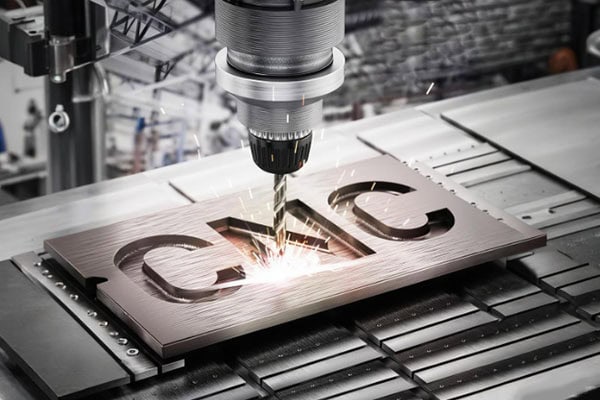
For sheet metal CNC machining, nesting optimization is an important way to reduce scrap and leftover material. Before machining, CAD/CAM software can be used to arrange multiple parts on a single sheet based on their contours, cutting clearances, tool diameters, and clamping requirements.
By optimizing part orientation, spacing, and layout combinations while maintaining appropriate machining clearances, manufacturers can reduce irregular offcuts. For bar machining, optimizing cutting lengths, machining sequences, and part combinations can help minimize end-cutting losses.
However, nesting should not focus solely on placing parts as closely together as possible. Insufficient spacing may cause tool collisions, clamping difficulties, or thermal deformation. Material utilization must therefore be balanced with machining feasibility and operational safety.
Control Machining Allowances to Minimize Unnecessary Cutting
Establish Appropriate Stock Allowances
The machining allowance is the amount of material that must be removed from the raw stock to achieve the final part dimensions. Excessive allowances increase cutting volume, machining time, and tool wear. Insufficient allowances, however, may prevent the removal of oxide layers, surface defects, or dimensional deviations in the raw material, compromising the final part’s accuracy.
Before CNC machining, manufacturers should determine suitable allowances according to material conditions, part geometry, dimensional tolerances, and surface finish requirements. For precision components, combining roughing, semi-finishing, and finishing operations can prevent excessive corrective cutting during the final machining stage.
Use Near-Net-Shape Blanks
Near-net-shape manufacturing is an effective way to reduce metal cutting waste. By using suitable forming processes, such as forging or casting, manufacturers can produce blanks that closely resemble the final part geometry, reducing the amount of material that must be removed during subsequent CNC machining.
However, near-net-shape manufacturing is not suitable for every component. For products with tight tolerances, complex structures, or specific material performance requirements, manufacturers should evaluate tooling costs, blank quality, internal defect risks, and production volume before selecting this approach.
Optimize CNC Toolpaths to Improve Material Removal Efficiency
Choose Appropriate Cutting Paths
Toolpath planning directly affects material removal efficiency, tool wear, and machining stability. By optimizing cutting directions, machining sequences, and entry and exit movements through CAD/CAM software, manufacturers can reduce unnecessary tool movements, avoid repeated cutting, and minimize the risk of localized tool overload.
For parts with large pockets or complex curved surfaces, suitable high-speed machining or adaptive roughing strategies can be selected according to material properties and machine capabilities. Adaptive toolpaths help control cutting loads and maintain relatively stable cutting conditions. However, the actual results depend on the cutting tool, machine rigidity, workpiece material, and cutting parameters.
Optimalizace výběru nástroje a parametrů řezu
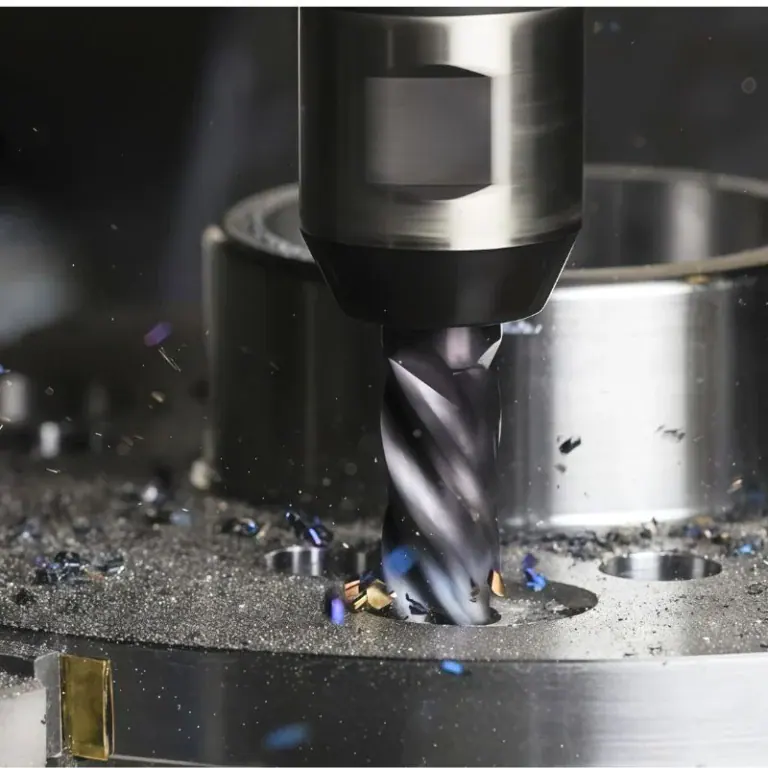
Tool diameter, flute count, cutting geometry, and coating all influence metal removal efficiency. Selecting tools that match the part geometry can reduce repeated passes in narrow areas and minimize surface defects caused by unsuitable tooling.
Cutting speed, feed rate, and depth of cut should be adjusted according to the material, tool specifications, and machine performance. Overly conservative settings may increase machining time, while excessively aggressive parameters can cause tool breakage, dimensional deviations, and part rejection. The goal is to increase the proportion of effective, stable cutting rather than simply pursuing higher cutting speeds.
Reduce Scrap and Rework Through Quality Control
Posílení kontroly rozměrů během procesu
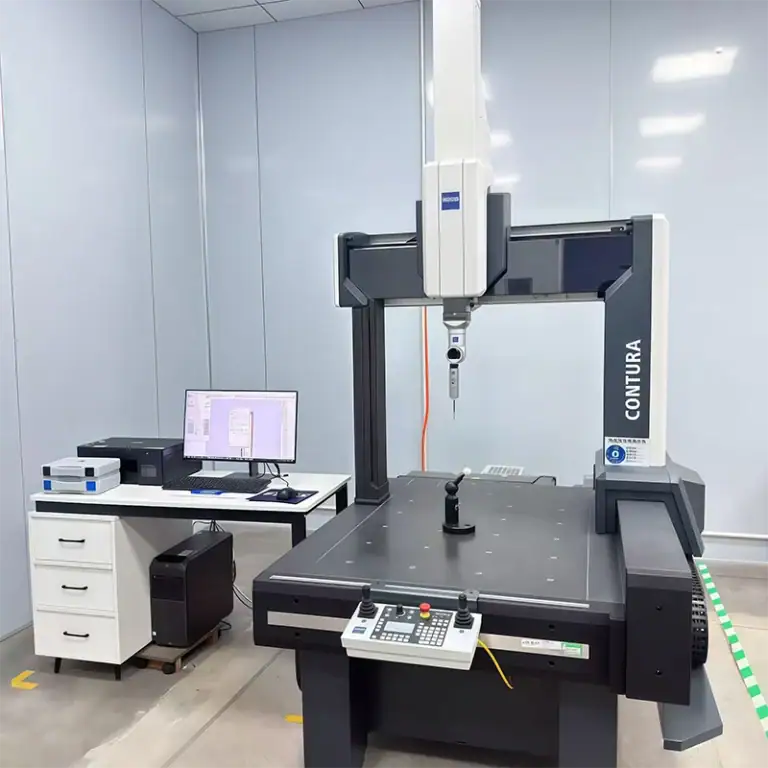
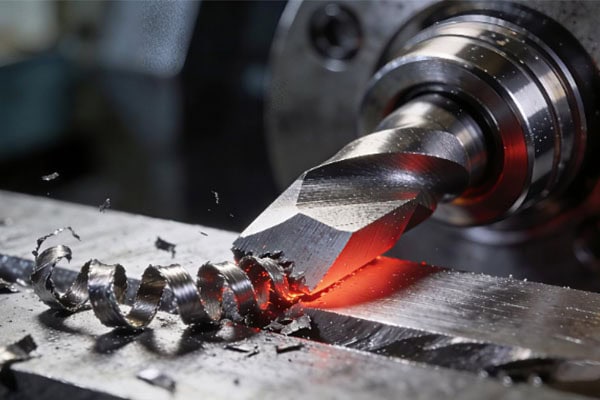
Material waste does not come only from chips and offcuts. Parts may also be scrapped because of dimensional deviations, incorrect clamping, or machining errors. First-article inspection, in-process measurement of critical dimensions, and final quality checks can identify deviations early and prevent defects from spreading throughout a production batch.
For precision metal components, manufacturers should also monitor tool wear, workpiece thermal deformation, and fixture positioning errors. Machining parameters can then be adjusted according to inspection results.
Sort and Recycle Metal Chips and Offcuts
Aluminum, stainless steel, and other recyclable metals should be separated by material type when collecting chips, offcuts, and unused stock. Preventing material mixing helps preserve recycling value and reduces waste disposal costs.
Although recycling cannot eliminate material losses entirely, it can recover value from leftover materials and support more efficient resource utilization.
Build a Comprehensive Material Waste Reduction Strategy
Reducing material waste in metal CNC machining requires an integrated approach that combines nesting optimization, blank design, machining allowance control, toolpath planning, and quality inspection. Manufacturers should develop machining strategies based on part geometry, material characteristics, production volume, and precision requirements rather than relying on a single technique to reduce costs.
For projects involving high-precision components, complex geometries, or customized metal parts, effective process planning can minimize unnecessary material removal, improve production consistency, and achieve a better balance between material costs, machining efficiency, and product quality.