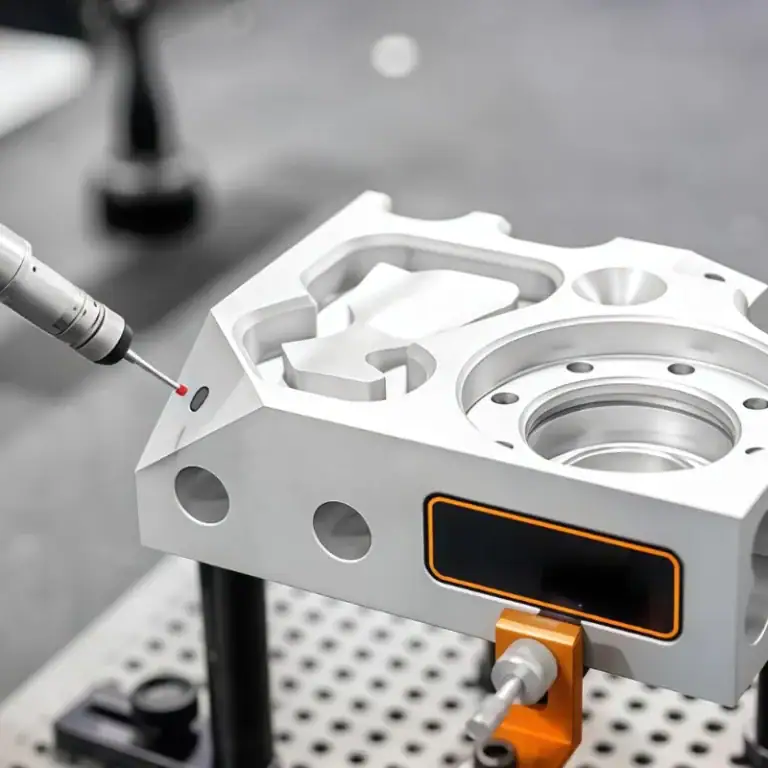
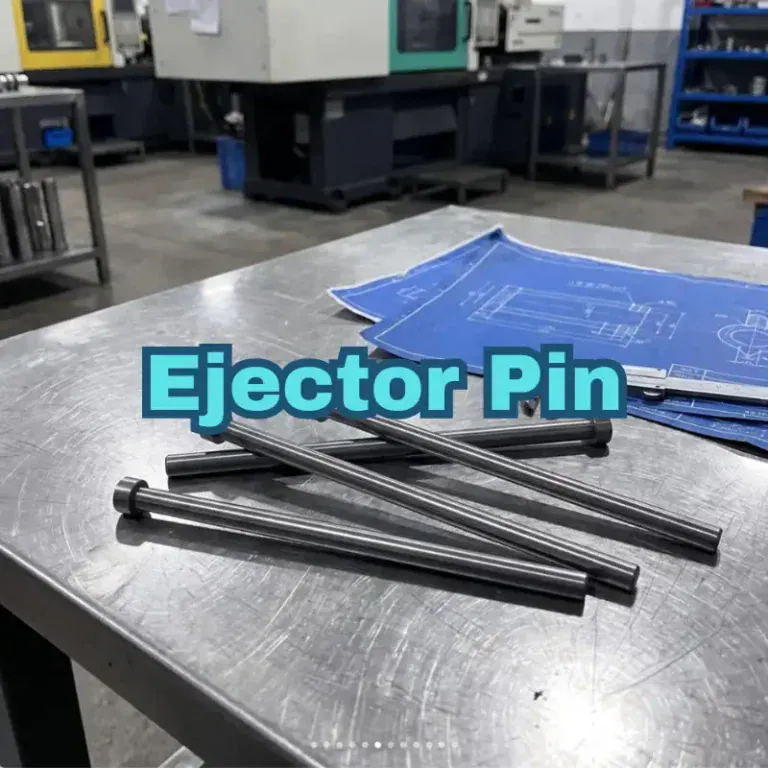
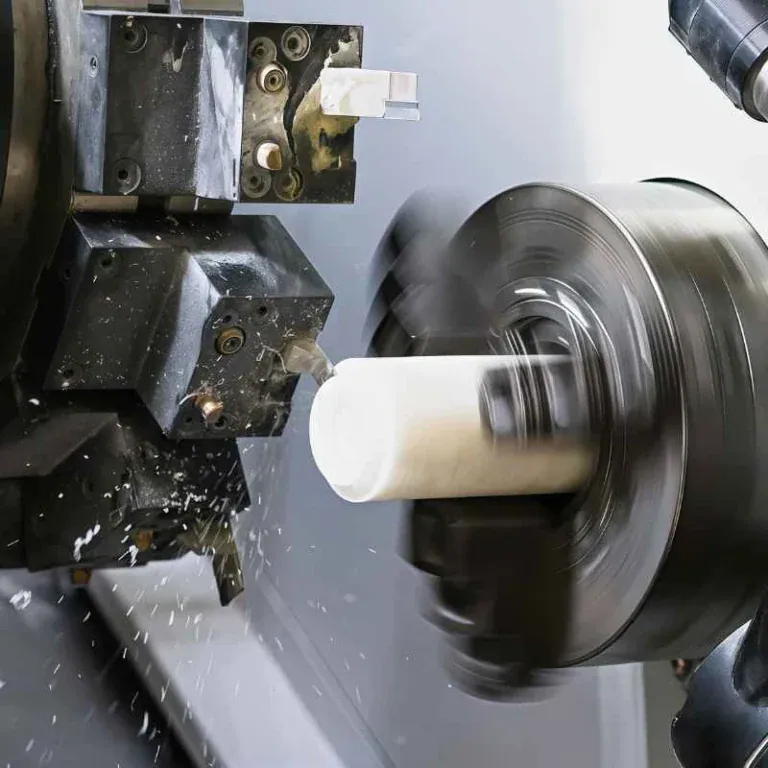
דיוק עיבוד שבבי בחריטה משפיע ישירות על איכות ההרכבה, חיי השירות ויציבות המוצר הכוללת. בתעשיית העיבוד השבבי, בין אם מדובר בעיבוד חלקי פיר רגילים, רכיבים מדויקים או חלקים תעשייתיים בעלי דרישה גבוהה, דיוק המימדים ואיכות פני השטח הם תמיד קריטיים. אם מתרחשת סטייה ממדית, שגיאת עגלגלות או חספוס פני שטח לא יציב במהלך העיבוד השבבי, הדבר עלול להשפיע על ביצועי היישום הסופיים. שיפור דיוק החריטה דורש לא רק מצב יציב של הציוד אלא גם בקרה נאותה על הכלים, פרמטרי החיתוך, שיטות ההידוק וסביבת העיבוד השבבי. רק כאשר כל הגורמים המרכזיים נשארים יציבים, איכות העיבוד השבבי יכולה להמשיך להשתפר.
יציבות המכונה משפיעה על דיוק הסיבוב
מכונת הכלי היא ליבת פעולות החריטה. אם קשיחות המכונה אינה מספקת או שהציוד סובל מבלאי ארוך טווח, דיוק העיבוד השבבי יפחת. במיוחד במהלך עיבוד שבבי רציף ופעולות בדיוק גבוה, מצב המכונה משפיע ישירות על מסלול תנועת הכלי.
שפר את קשיחות המכונה
ככל שקשיחות המכונה גבוהה יותר, כך הוויברציה הנוצרת במהלך העיבוד קטנה יותר. מבנה מכונה יציב מפחית את סטיית הכלי במהלך החיתוך תוך שיפור גימור פני השטח ויציבות הממדים. במיוחד בעיבוד שבבי בעל פיר ארוך או פעולות בעומק חיתוך גדול, קשיחות לא מספקת גורמת בקלות לסימני ויברציה ושגיאות ממד. לכן, שיפור היציבות הכוללת של המכונה חשוב ביותר לעיבוד שבבי מדויק.
שמירה על דיוק יציב של המכונה
לאחר פעולה ממושכת, מסילות מובילים, ברגי מוביל וצירים נשחקים בהדרגה, מה שמחייב תחזוקה שוטפת.
תחזוקה נפוצה כוללת:
- בדיקת מרווח המסלול
- כוונון דיוק בורג ההובלה
- תיקון סיבוב הציר
- שמירה על סיכה יציבה
ברגע שמצב המכונה מתייצב, עקביות העיבוד משתפרת משמעותית.
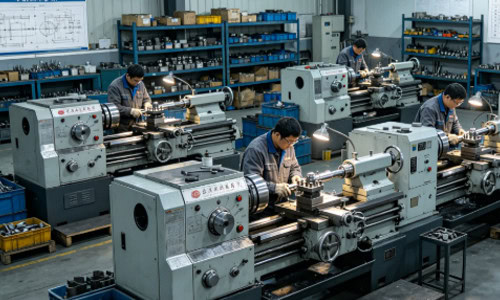
מצב הכלי משפיע באופן משמעותי על דיוק העיבוד השבבי
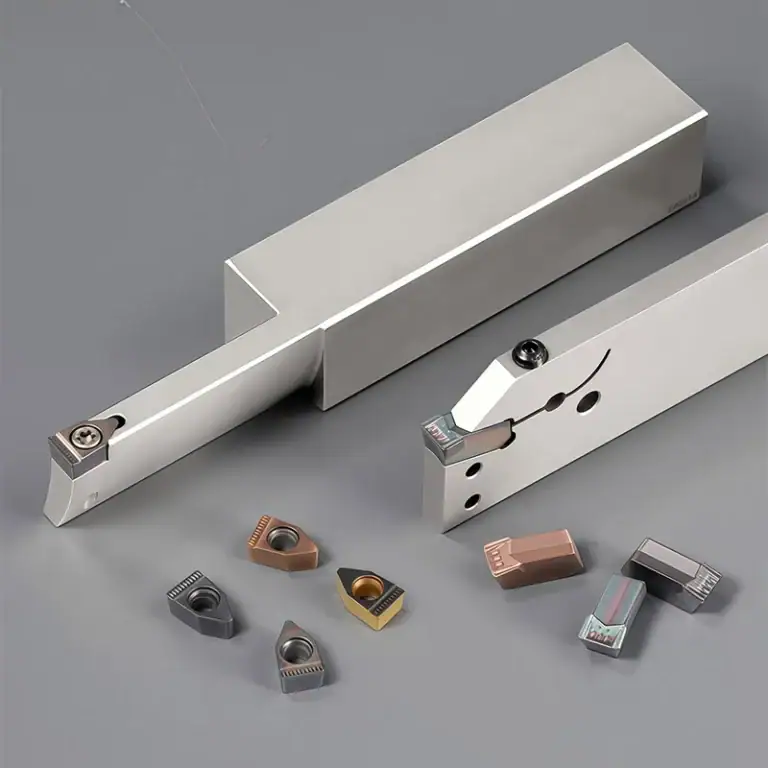
כלי החיתוך משתתף ישירות בתהליך העיבוד השבבי, וחדות הכלי ומצב ההתקנה משפיעים על המידות הסופיות ואיכות פני השטח. גם כאשר דיוק המכונה גבוה, בלאי חמור של הכלי עדיין עלול לגרום לשגיאות עיבוד שבבי.
שמור על כלי החיתוך חד
כלי חיתוך חדים מפחיתים את התנגדות החיתוך ומשפרים את יציבות החיתוך.
זה עוזר לשפר:
- איכות גימור פני השטח
- עקביות מימדית
- חיתוך המשכיות
- איכות קצה חומר העבודה
יש להחליף כלים בזמן לאחר תקופות עיבוד שבבי ארוכות.
בחירת גיאומטריית הכלי המתאימה
זווית זווית הכלי, זווית המרווח ורדיוס החרטום משפיעים כולם על תנאי העיבוד השבבי. חומרים שונים דורשים גיאומטריות שונות של כלים. לדוגמה, נירוסטה דורשת בדרך כלל גיאומטריית כלי בעלת קשיחות גבוהה, בעוד שאלומיניום מתאים יותר לקצוות חיתוך חדים יותר. גיאומטריית כלי נכונה לא רק מפחיתה את התנגדות החיתוך אלא גם ממזערת בעיות עיוות חומר העבודה ובעיות חספוס פני השטח, ומשפרת את דיוק העיבוד השבבי.
שמור על יציבות התקנת הכלי
כאשר התקנת הכלי אינה יציבה, עלולה להתרחש סטייה במהלך החיתוך.
זה עלול להוביל ל:
- ממדים לא יציבים
- סימני רטט פני השטח
- שינויים בנתיב הכלים
- עלייה בשגיאות חוזרות ונשנות
בעיות הופכות בולטות יותר כאשר קשיחות מחזיק הכלי אינה מספקת.
יש להתאים כראוי את פרמטרי החיתוך
פרמטרי חיתוך משפיעים ישירות על טמפרטורת העיבוד, כוח החיתוך ומצב פני השטח של חומר העבודה. אפילו במצב טוב של המכונה והכלי, הגדרות פרמטרים לא נכונות עדיין עלולות להפחית את דיוק העיבוד.
שליטה על מהירות חיתוך נכונה
מהירות חיתוך גבוהה מדי גורמת בקלות לעיוות תרמי ולבלאי של הכלים.
הדבר עלול לגרום ל:
- סחיפה ממדית
- סימני כוויה על פני השטח
- חיי כלי מופחתים
- יציבות עיבוד שבבי ירודה
חומרים שונים דורשים טווחי מהירויות שונים.
שמירה על קצב הזנה יציב
קצב ההזנה משפיע על עובי החיתוך ועל חספוס פני השטח.
לדוגמה:
- הזנה מוגזמת משפיעה על איכות פני השטח
- הזנה נמוכה מדי יוצרת חיכוך בחיכוך
- תנודות הזנה משפיעות על יציבות ממדית
- גימור דורש הזנה יציבה יותר
חיתוך יציב משפר את עקביות העיבוד.
שלוט כראוי בעומק החיתוך
שינויים גדולים בעומק החיתוך משפיעים באופן משמעותי על עומס הכלי. עיבוד גס דורש בדרך כלל עומק חיתוך גדול יותר, בעוד שגימור דורש תוספת עיבוד יציבה יותר. אם עומק החיתוך משתנה יתר על המידה, מתרחשות בקלות תנודות ממדיות ורעידות בחומר העבודה. לכן, סידור נכון של תוספת העיבוד הגס והגימור חשוב מאוד לשיפור דיוק העיבוד.
שיטת הידוק חומר העבודה משפיעה על דיוק העיבוד השבבי
תנאי הידוק חומר העבודה משפיעים ישירות על יציבות העיבוד. אם ההידוק אינו יציב או המיקום אינו מדויק, עלולה להתרחש תנועה במהלך העיבוד. השפעה זו הופכת בולטת יותר במהלך עיבוד מדויק ועיבוד חומר עבודה ארוך ודקים.
שמור על הידוק יציב
כוח ההידוק צריך להישאר מתון, תוך אבטחת חומר העבודה בחוזקה מבלי לגרום לעיוות.
זה עוזר לשפר:
- יציבות ממדית
- ריכוזיות
- דיוק העגלגלות
- חזרתיות עיבוד שבבי
חלקים בעלי דופן דקה רגישים יותר לכוח הידוק.
השתמש בהפניות מיקום עקביות
אם ייחוסי המיקום אינם עקביים, סטייה ממדית מתרחשת בקלות במהלך עיבוד שבבי באצווה.
בעיות נפוצות כוללות:
- שגיאות התקנה מרובות
- וריאציה של ייחוס עיבוד שבבי
- עקביות מוצר מופחתת
- קושי תיקון מוגבר
מיקום עקבי של ייחוס מפחית שגיאות מצטברות.
הפחתת עיוות חומר עבודה ארוך
חלקים ארוכים של פיר מתעוותים בקלות תחת כוח חיתוך במהלך עיבוד שבבי.
השיטות הנפוצות כוללות:
- שימוש בתמיכה של זנב הסטוק
- החלת מנוחות יציבות
- חיתוך סגמנטלי
- צמצום אורך הסף
שיטות אלו משפרות את יציבות העיבוד השבבי.
שינויי טמפרטורה משפיעים על מידות העיבוד השבבי
חום נוצר באופן רציף במהלך פעולות חריטה. אם בקרת הטמפרטורה הופכת לבלתי יציבה, מתרחשת עיוות תרמי הן בחומר העבודה והן במבנה המכונה, דבר המשפיע על ממדי העיבוד השבבי. השפעה זו הופכת בולטת עוד יותר במהלך עיבוד שבבי במהירות גבוהה ובמשך זמן רב.
בקרת חום חיתוך
כאשר טמפרטורת אזור החיתוך עולה מדי, חומר העבודה מתרחב בקלות.
זה עלול לגרום ל:
- מידות עיבוד שבבי גדולות מדי
- שינוי מימדי לאחר קירור
- שינוי צבע פני השטח
- דיוק עיבוד מופחת
השפעה תרמית ניכרת יותר במהלך עיבוד שבבי במהירות גבוהה.
שמירה על קירור יציב
נוזל קירור לא רק מפחית את הטמפרטורה אלא גם מפחית את החיכוך.
השיטות הנפוצות כוללות:
- הגברת קצב זרימת נוזל הקירור
- כוונון מיקום הריסוס
- שימוש בקירור בלחץ גבוה
- שמירה על קירור רציף
קירור יציב מסייע לשמור על עקביות ממדית.
שמור על חימום מכונה יציב
כאשר המכונה מופעלת לראשונה, טמפרטורות הציר והמסילה משתנות בהדרגה, מה שגורם לתנודות בדיוק העיבוד. חימום נכון של המכונה לפני העיבוד מאפשר לציוד להיכנס למצב פעולה יציב, תוך הפחתת סחיפה תרמית ושיפור יציבות העיבוד המדויק.
שיפור דיוק הפנייה דורש יציבות לטווח ארוך
שיפור דיוק עיבוד שבבי בחריטה אינו מסתמך על התאמה אחת. במקום זאת, מצב הציוד, הכלים, הגדרות התהליך ויציבות התפעול חייבים להישאר עקביים לאורך זמן. במהלך העיבוד, יש לנטר באופן רציף את השונות הממדית ואת מצב המשטח, תוך התאמה של פרמטרי החיתוך ומצב הכלי בזמן. עבור רכיבים בעלי דיוק גבוה, יש צורך גם בתקני עיבוד יציבים ונהלי בדיקה כדי להפחית תנודות הקשורות לאדם.
ככל שטכנולוגיית עיבוד שבבי CNC ממשיכה להשתפר, ציוד חריטה מודרני יכול להשיג רמות דיוק גבוהות יותר ויותר. עם זאת, ניתן לנצל את יכולת המכונה במלואה רק בשילוב עם תהליכי עיבוד שבבי נכונים.