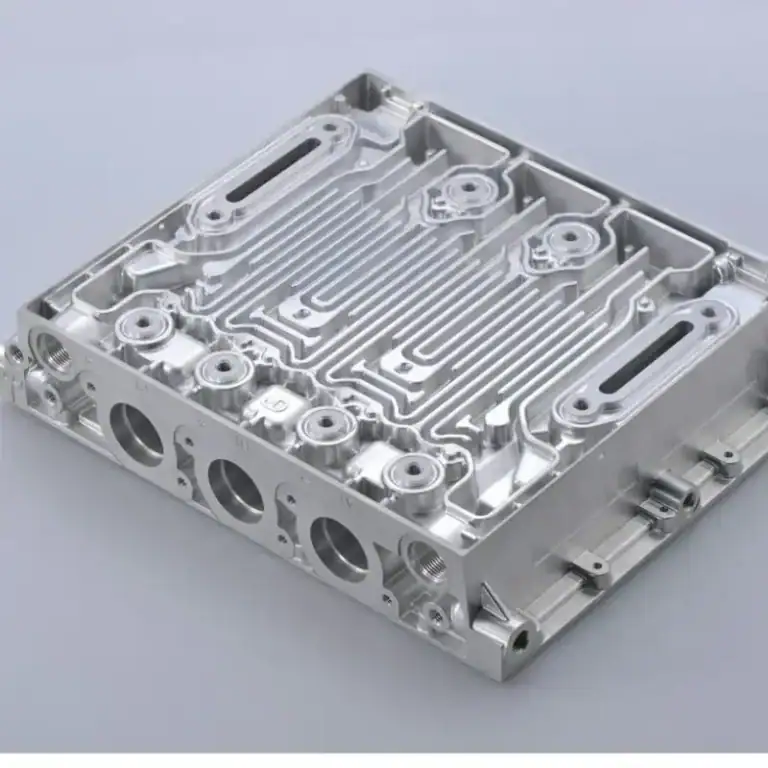
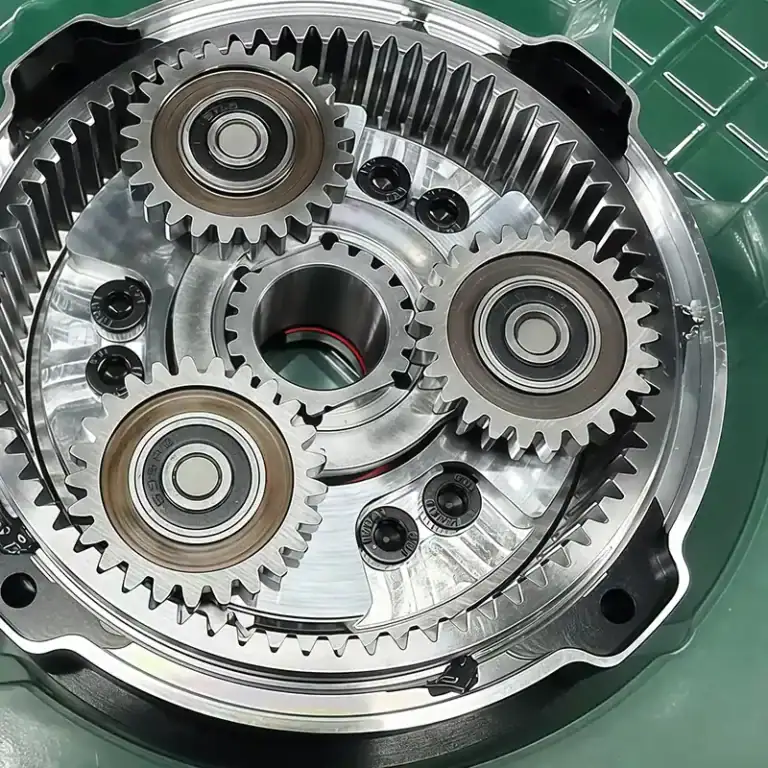
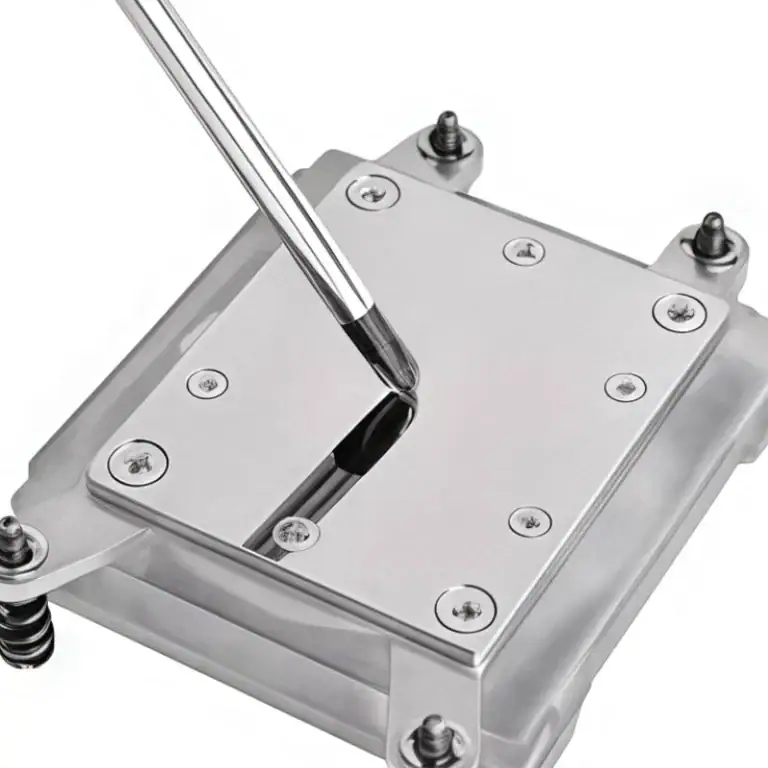
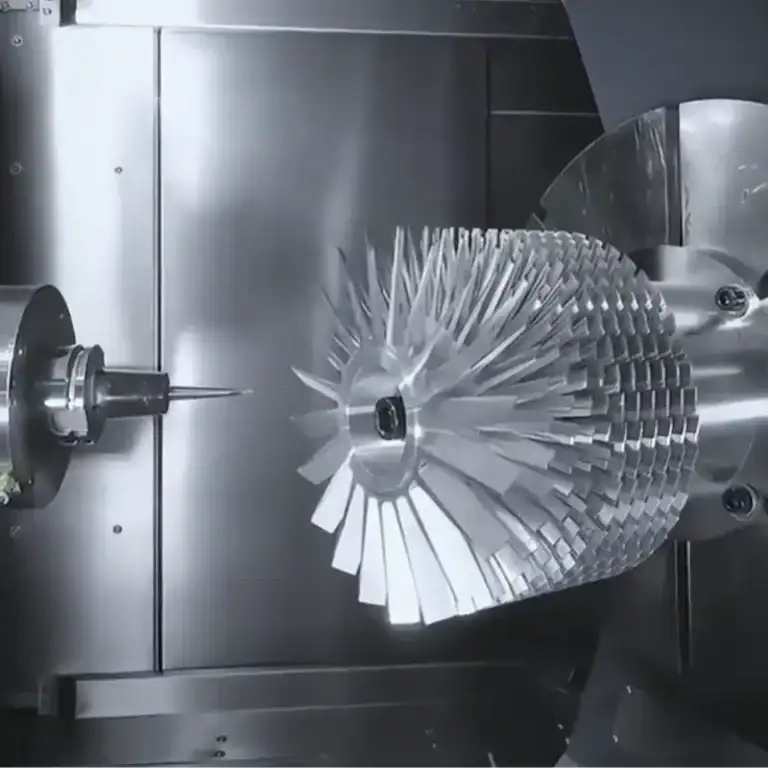
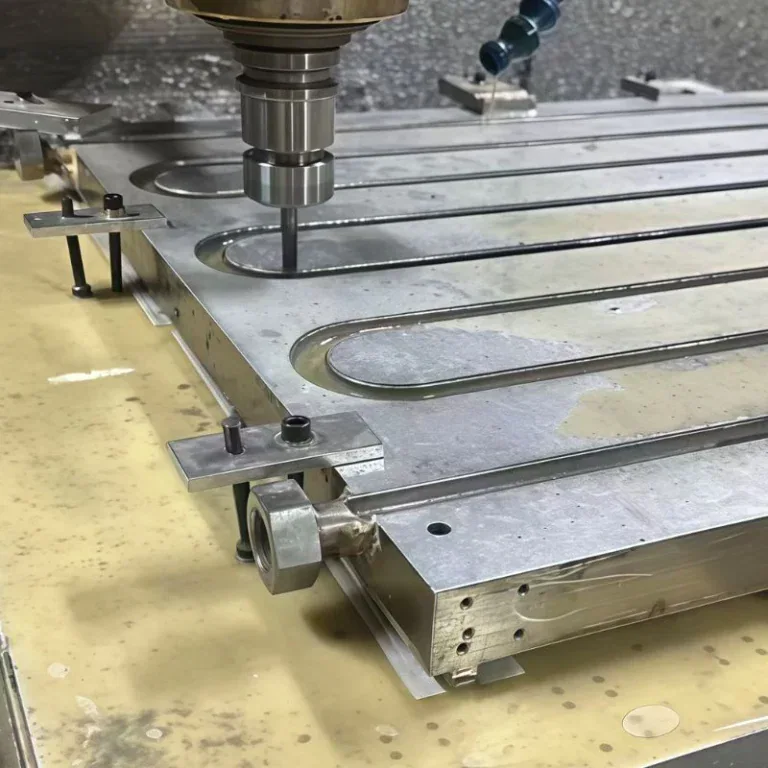
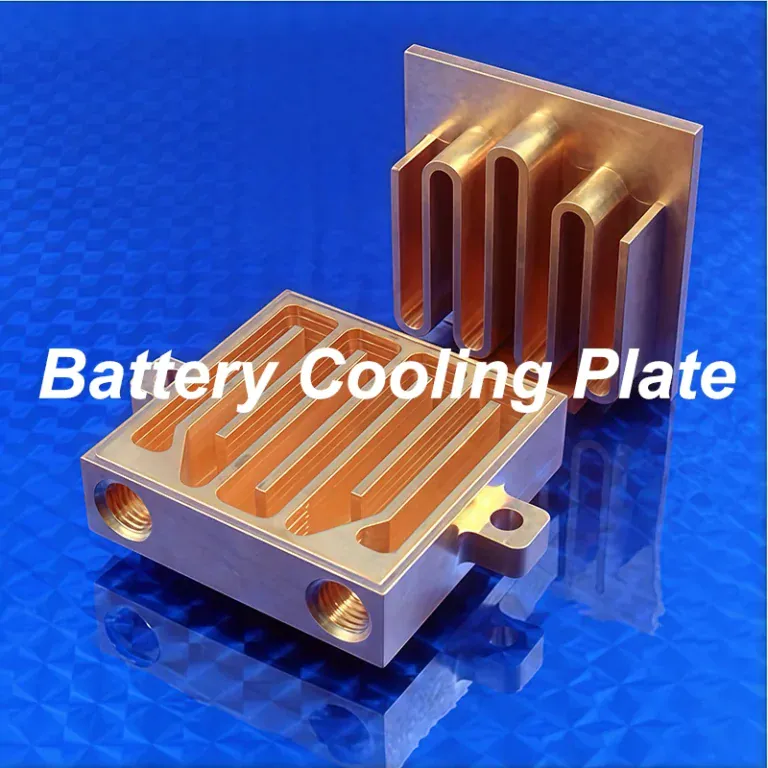
The stable operation of an integrated circuit production line depends not only on core manufacturing processes but also on the precision components inside the equipment. Wafer support platforms, vacuum chambers, positioning fixtures, and equipment connectors may look like ordinary mechanical parts, but they directly affect wafer positioning, equipment sealing, and production stability. Even a small dimensional deviation can cause assembly problems or increase the risk of equipment failure during operation. CNC machining can handle complex structures, precision holes, and specialized materials, providing reliable component manufacturing solutions for integrated circuit equipment.
Which Integrated Circuit Manufacturing Equipment Components Require Precision CNC Machining?
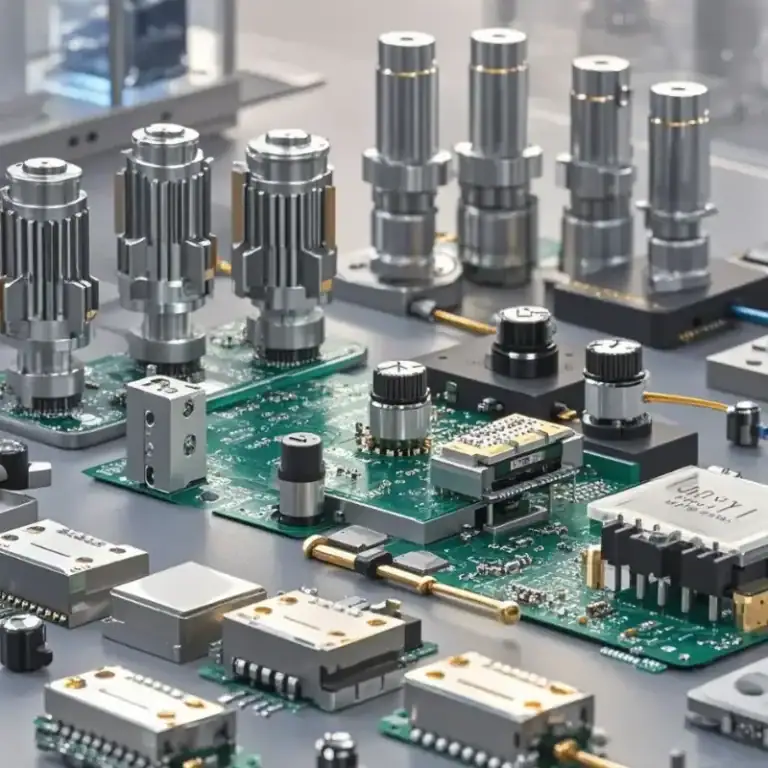
Integrated circuit manufacturing equipment includes different systems for wafer handling, thin-film deposition, etching, and inspection. Each system has its own component requirements. Some parts need highly flat surfaces, others contain complex internal channels, while certain components must provide reliable sealing performance. Machining processes should be planned according to the actual application rather than focusing only on whether the external shape matches the drawing.
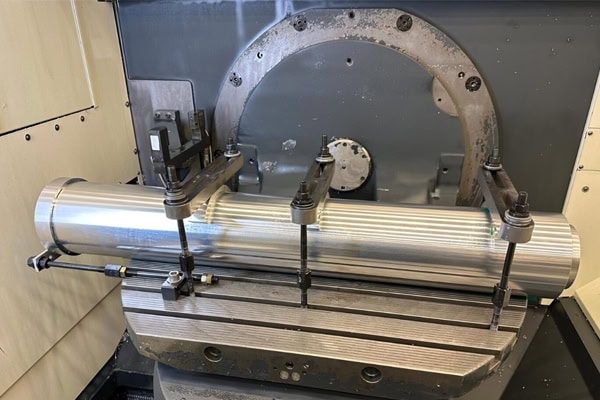
CNC Machining for Wafer Support Platforms and Positioning Components
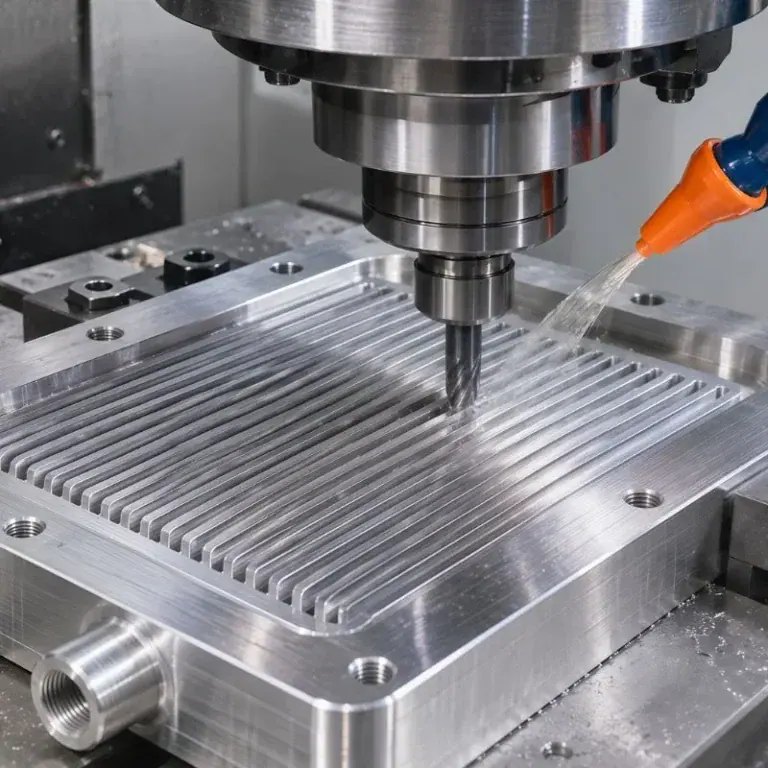
Wafer support platforms hold and position wafers, making flatness, hole positions, and mounting dimensions critical. If the platform surface is uneven or positioning holes are inaccurate, wafer stability may be affected. CNC milling and precision drilling can produce mounting surfaces, locating holes, and complex profiles while reducing positioning errors caused by repeated setups.
Key requirements for these components include:
- Platform flatness: Keep the wafer support area flat and suitable for equipment installation.
- Positioning hole accuracy: Control hole diameters and spacing to reduce assembly deviations.
- Surface treatment: Select an appropriate surface finish for the operating environment to reduce the risk of particle contamination.
CNC Machining for Vacuum Chambers and Sealing Structures
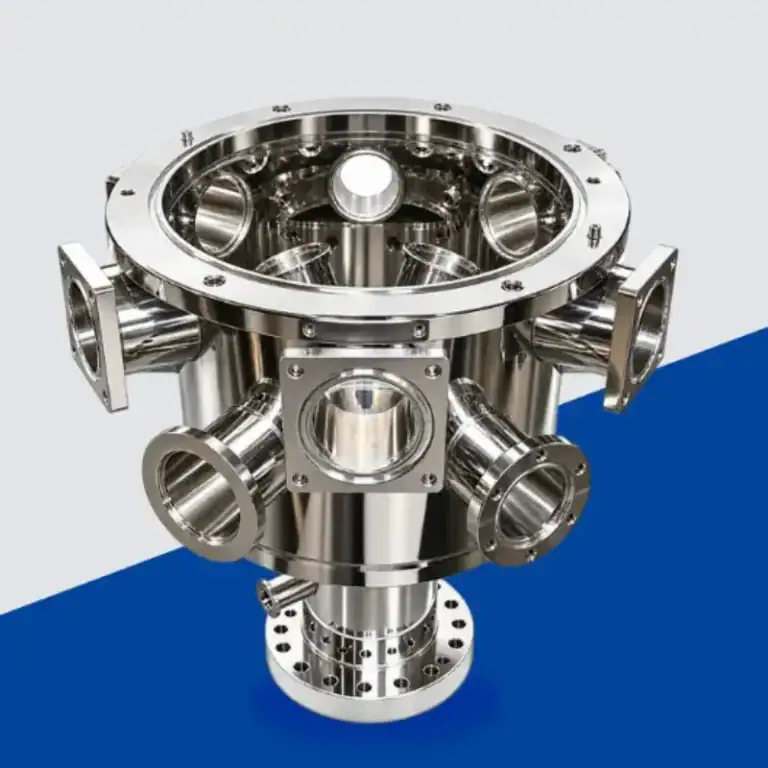
Vacuum chambers are commonly used in semiconductor deposition and etching equipment. Their internal structures may include connection holes, gas passages, and sealing grooves. Machining must control not only the overall chamber dimensions but also sealing surface flatness and the positional relationships between holes. CNC machining can produce internal and external profiles, connection interfaces, and sealing grooves, helping different components fit together accurately.
CNC Machining for Precision Fixtures and Equipment Connectors
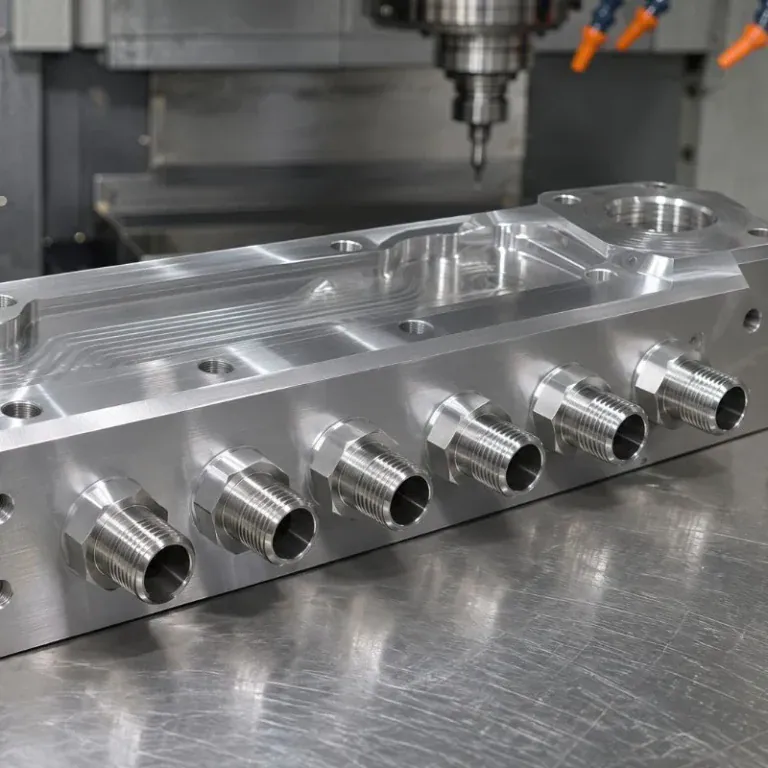
Fixtures are used to secure, support, or position components inside manufacturing equipment. Their structures may include narrow grooves, threaded holes, and irregular mounting surfaces. Connectors must also align accurately with other equipment modules. Combining CNC milling, turning, and drilling can reduce process changes and make complex structures easier to manufacture according to technical drawings.
What Are the Key Machining Requirements for Precision Semiconductor Equipment Components?
Precision requirements for semiconductor equipment components involve more than dimensional tolerances. Flatness, perpendicularity, hole positioning, and surface condition are also important. Even components with similar dimensions may have very different critical requirements depending on their applications. Before production, key dimensions and assembly relationships should be clearly defined to prevent interface mismatches after machining.
| Komponenttityyppi | Keskeiset koneistusvaatimukset | Pääsovellusalue |
| Wafer support platform | Flatness and positioning hole locations | Wafer support and positioning |
| Tyhjiökammio | Sealing surfaces, internal profiles, interface dimensions | Maintaining the equipment vacuum environment |
| Gas distribution components | Channel dimensions and hole positioning | Controlling gas delivery |
| Tarkkuuskiinnikkeet | Positioning dimensions and structural consistency | Securing equipment components |
| Laitteiden asennusjalustat | Hole spacing, parallelism, and mounting surfaces | Module connection and support |
How Can Precision Hole Positions and Complex Structures Be Machined Accurately?
Integrated circuit equipment components often contain closely spaced holes, narrow slots, and internal passages. Conventional machining may require repeated positioning, which can lead to accumulated errors. CNC machines use programmed toolpaths to control machining movements and produce holes and structural features according to design specifications.
Several practices can help improve machining accuracy:
- Establish consistent reference datums to reduce positioning deviations between operations.
- Select suitable tools according to hole diameter and depth to ensure effective chip evacuation.
- Arrange machining sequences for complex interfaces carefully to protect previously machined precision areas.
- Control cutting loads on small features to reduce burrs and edge damage.
Why Are Sealing Surfaces Important in Vacuum Chamber Machining?
Vacuum chambers must maintain a stable internal environment. Scratches, uneven surfaces, or dimensional deviations on sealing areas can compromise sealing performance. Machining must control groove width, depth, and contact surface flatness while maintaining the correct positions of connecting interfaces. For chambers with internal channels, tool accessibility and complete chip removal must also be considered.
How Can Machining Deformation Be Reduced in Semiconductor Equipment Components?
Some equipment structures are made from aluminum alloy or stainless steel. Large components with thin walls can deform under cutting forces and clamping pressure. Using staged machining, proper workpiece support, and symmetrical material removal can reduce the influence of localized stress on final dimensions. For components with demanding accuracy requirements, stress-relief or stabilization processes may also be arranged after rough machining and before finishing.
Common Materials for Integrated Circuit Manufacturing Equipment and Their CNC Machining Characteristics
Material selection affects component strength, corrosion resistance, weight, and machining difficulty. Common materials used in semiconductor equipment include aluminum alloys, stainless steel, engineering plastics, and certain specialty alloys. Selection should take into account the internal equipment environment, temperature changes, and the loads carried by each component rather than focusing on material cost alone.
Precision CNC Machining of Aluminum Alloys
Aluminum alloys are lightweight and relatively easy to machine. They are commonly used for equipment brackets, wafer support platforms, and certain chamber structures. Although machining efficiency is generally high, large thin-wall components can deform under clamping pressure.
- Control clamping force to prevent workpiece deformation.
- Arrange roughing and finishing operations properly to reduce dimensional springback.
- Select suitable surface treatments according to the operating environment.
Ruostumattomasta teräksestä valmistettujen komponenttien CNC-työstö
Stainless steel is commonly used for vacuum chambers, connection interfaces, and corrosion-resistant structures. It offers good strength and corrosion resistance. However, some stainless steel grades generate considerable heat during cutting and can accelerate tool wear. Suitable cutting tools and machining parameters are necessary, and chips should be removed promptly to prevent interference with subsequent assembly.
Machining Engineering Plastics and Specialty Materials
Engineering plastics are used in certain insulating structures, support components, and internal equipment parts. These materials are lightweight, but their rigidity and thermal expansion characteristics differ from those of metals. Feed rates and clamping pressure must be controlled to prevent edge cracking or dimensional changes. For specialty materials, their properties and operating conditions should be confirmed before selecting an appropriate machining process.
| materiaali Tyyppi | Common Equipment Components | CNC-työstö huomioita |
| Alumiinilejeeringit | Support platforms, brackets, chambers | Thin-wall deformation and surface treatment |
| Ruostumaton teräs | Vacuum chambers and connection interfaces | Leikkauslämpö ja työkalun kuluminen |
| Tekniset muovit | Insulating parts and supports | Thermal deformation and edge quality |
| Erikoismetalliseokset | Korkean suorituskyvyn rakenneosat | Material hardness and cutting parameters |
How Does CNC Machining Improve Semiconductor Equipment Component Production Efficiency?
Components used in integrated circuit manufacturing equipment often have complex structures, and some must be customized for specific equipment models. Poorly planned machining processes can lead to repeated setups, unnecessary transfers between operations, and additional manual adjustments, all of which extend delivery times. Proper CNC machining helps connect complex operations more efficiently while making repeat production and future equipment upgrades easier to manage.
Multi-Axis CNC Machining Reduces Process Changes
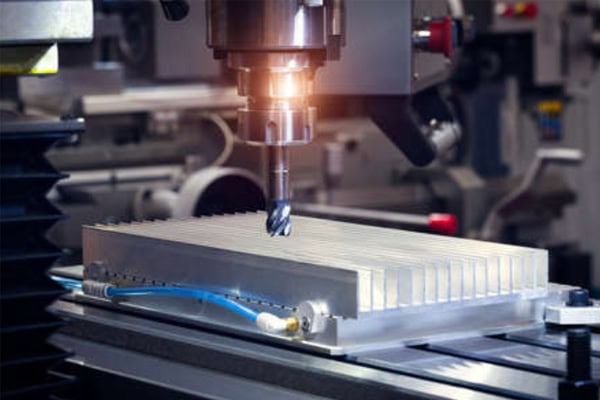
For chambers, fixtures, and irregular connectors with multiple machined surfaces, multi-axis machines can complete more operations in a single setup. This reduces repeated positioning and helps maintain the relative accuracy of different machined surfaces. It also minimizes errors caused by manual adjustments.
Digital Machining Supports Customization and Repeat Production
CAD drawings and 3D models allow manufacturers to plan toolpaths and machining sequences in advance. Once a program has been tested and verified, it can be saved and reused for future production, reducing setup time. This approach also helps maintain batch consistency when equipment is upgraded, components are replaced, or repeat orders are required.
Flexible Machining Meets Different Equipment Design Requirements
Different models of etching, deposition, and inspection equipment may have significantly different internal structures and mounting interfaces. CNC machining allows dimensions, hole positions, and structural features to be adjusted according to specific drawings rather than relying only on standard components. Whether production involves small custom batches or larger repeat orders, machining processes can be planned according to component complexity.
Integrated circuit manufacturing equipment places high demands on component accuracy, material performance, and assembly quality. The right machining solution can reduce assembly problems and support stable equipment operation over time. When selecting a machining service, manufacturers should consider complex structure machining capabilities, material processing experience, and delivery reliability. TIRAPID provides precision CNC machining services and can develop machining solutions based on semiconductor equipment drawings, materials, and technical requirements. Contact us to discuss your custom machining needs.