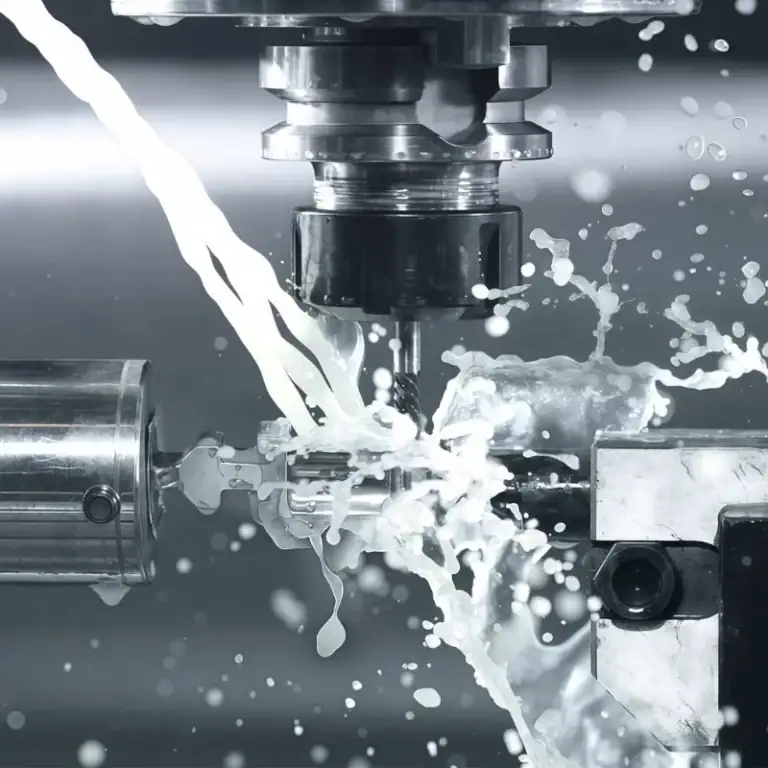
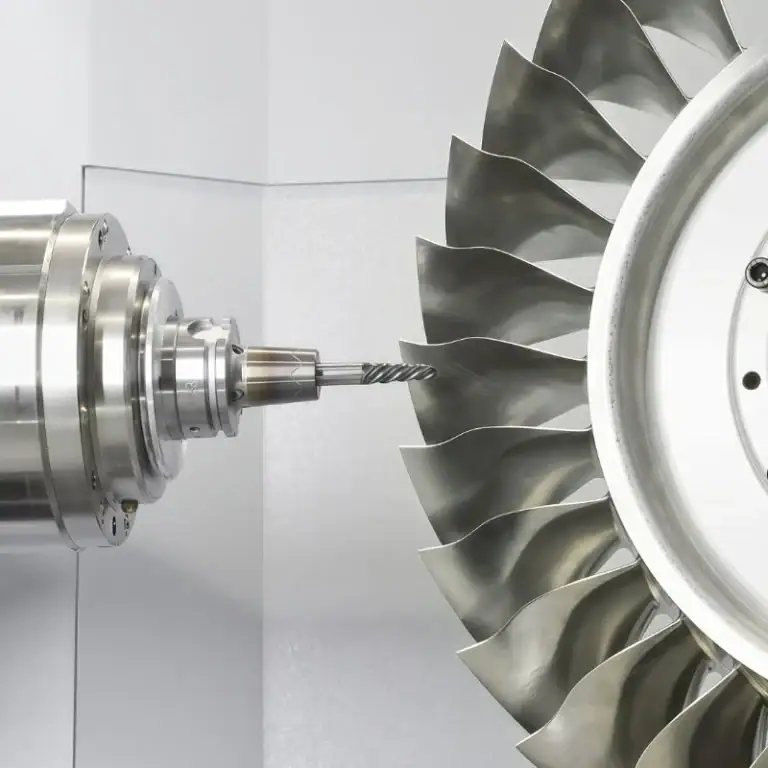
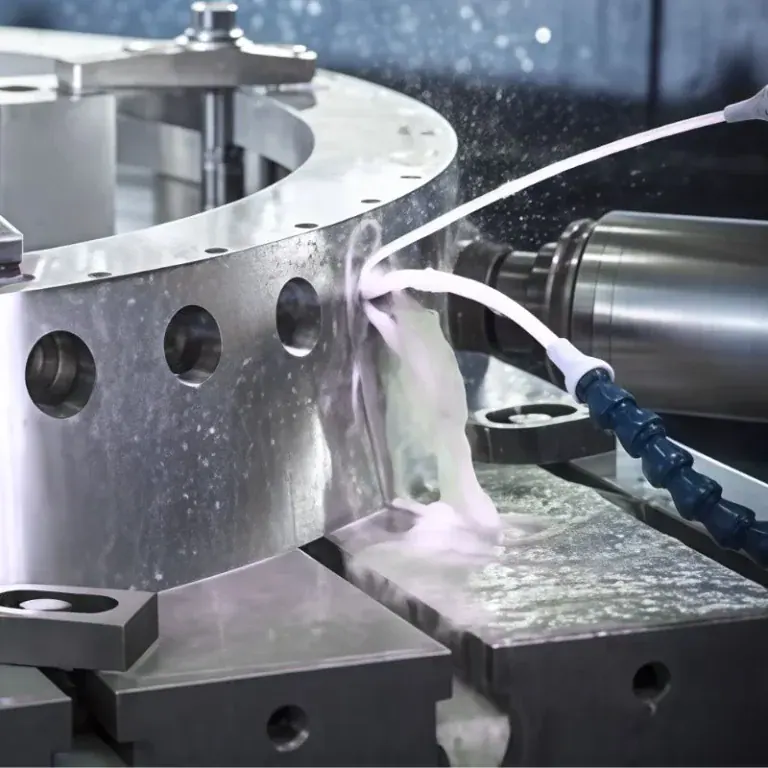
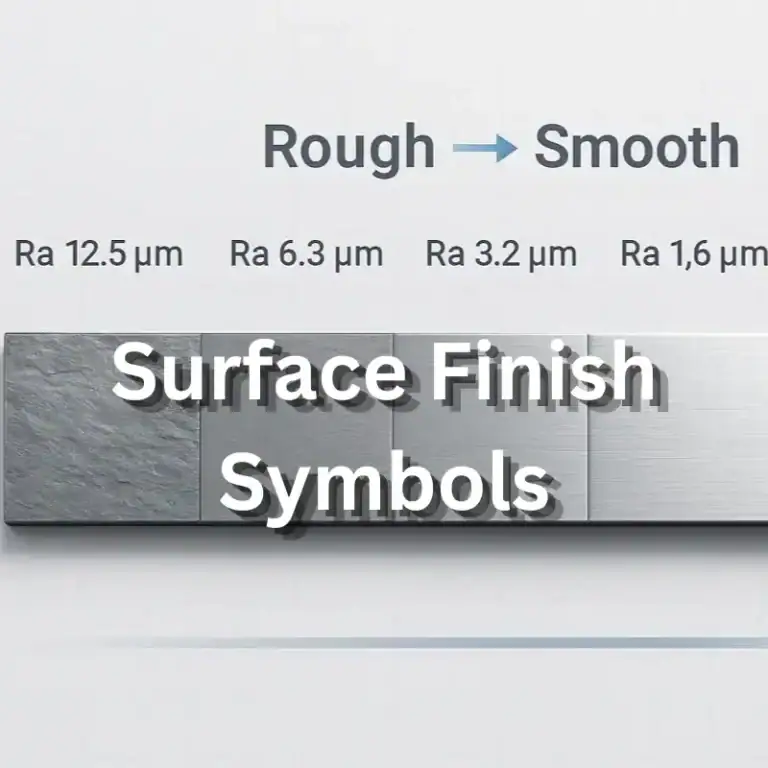
As electronic products become more compact, lightweight, and integrated, their housings, mounting brackets, heat sinks, and connecting components are becoming increasingly complex. These parts often feature thin walls, closely spaced holes, deep grooves, and irregular contours, requiring careful control of machining accuracy, structural stability, and assembly dimensions. A well-planned CNC machining process can reduce part deformation and assembly deviations, improve production efficiency, and support both prototype development and batch manufacturing.
What Are the Main Machining Challenges of Complex Electronic Components?
Although electronic components are not always large, they often contain numerous machining features. Even minor dimensional deviations can affect the assembly of the finished product.
Common Types of Complex Components
Depending on the internal layout of electronic equipment, commonly customized parts include:
- Equipment housings: Feature openings, slots, threaded holes, and irregular edges.
- Mounting brackets: Used to secure circuit boards, power modules, and other components.
- Heat dissipation components: Include heat sink bases, cooling plates, and metal parts with grooves.
- Connecting and positioning components: Include connector bases, fixing blocks, and precision locating parts.
Before machining, the installation positions and functional dimensions of each component need to be clearly defined.
Cabaran Pemesinan Utama
Complex structures increase the difficulty of clamping and cutting. Thin-wall deformation, residual material stress, and hole-position deviations require particular attention.
- Thin-wall deformation: Control cutting depth and clamping force, and use staged machining when necessary.
- Residual material stress: Aluminum plates and extruded profiles may warp after extensive material removal. Aging or stress-relief treatment can be considered based on the material condition.
- Hole-position deviations: Use consistent machining datums to control hole diameter, spacing, and positional accuracy.
- Deep-groove machining: Plan tool paths according to tool dimensions and chip evacuation conditions.
Identifying structural challenges in advance helps reduce machining rework.
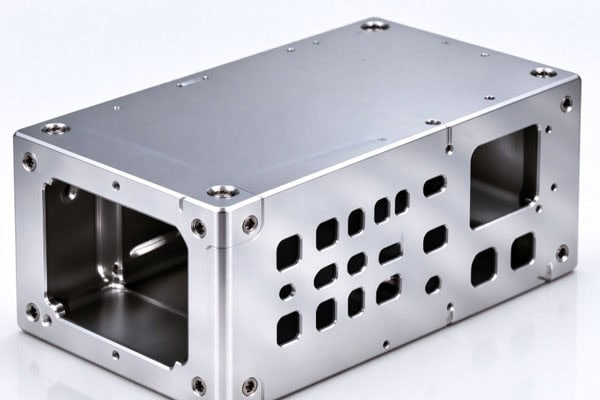
How to Develop a CNC Machining Plan for Complex Electronic Components?
Machining processes should be selected according to the part drawings, material, and structural characteristics. Different components may require different machining and clamping methods.
Machining Methods and Fixturing Processes
Complex components often require a combination of machining operations. The clamping method should also be selected according to the rigidity of each part.
- CNC milling: Used for housings, mounting plates, brackets, and complex contours.
- Drilling and tapping: Used to produce mounting holes, threaded interfaces, and connection points.
- Precision boring: Suitable for internal holes with strict dimensional and positional requirements.
- Specialized fixturing: Thin-wall or irregularly shaped parts may use vacuum fixtures, form-fitting soft jaws, or dedicated adhesive fixtures, depending on their structure.
- Staged machining: Roughing, necessary stress-relief processes, and finishing can be arranged to improve dimensional stability.
Properly arranging machining operations and datum references helps reduce deformation and repeated positioning errors.
Pemilihan Bahan dan Rawatan Permukaan
Material selection should consider part weight, strength, heat dissipation, and operating environment.
| Jenis Komponen | Bahan Biasa | Pertimbangan Utama |
| Perumahan peralatan elektronik | Aloi aluminium, keluli tahan karat | Weight, strength, appearance |
| Kurungan pemasangan dalaman | Aloi aluminium, keluli karbon | Rigidity, installation requirements |
| Heat sink bases | Aloi aluminium, kuprum | Thermal conductivity, structural dimensions |
| Connecting and positioning parts | Keluli tahan karat, keluli aloi | Kekuatan, rintangan haus |
| Insulating auxiliary components | Plastik kejuruteraan | Insulation requirements, dimensional stability |
Surface treatments should be selected according to the material and application requirements. Aluminum alloy parts can undergo anodizing, while steel components may receive suitable anti-corrosion treatments. For precision holes and mating areas, machining allowances should be determined based on the oxide film thickness and fit tolerances to prevent dimensional deviations after treatment.
How to Ensure the Machining Quality of Complex Components?
Quality inspection should be based on the engineering drawings and intended application, with particular attention to dimensions, positional accuracy, surface condition, and assembly performance.
Dimensional and Appearance Inspection
Different machining features require corresponding inspection procedures:
- Dimensional inspection: Measure overall dimensions, thickness, hole diameters, and slot dimensions.
- Positional inspection: Verify the positions of mounting holes, locating holes, and connection interfaces.
- Appearance inspection: Check for burrs, scratches, tool marks, and edge defects.
- Assembly inspection: Conduct trial assembly to confirm that the parts connect properly with matching components.
For thin-wall components, the flatness of the machined part should also be checked to prevent deformation from affecting installation.
Prototype and Batch Production Control
New products can begin with prototype machining to verify critical dimensions and assembly performance. The machining process can then be adjusted based on the results. During batch production, material specifications, machining datums, and inspection requirements should remain consistent to maintain dimensional stability between production batches.
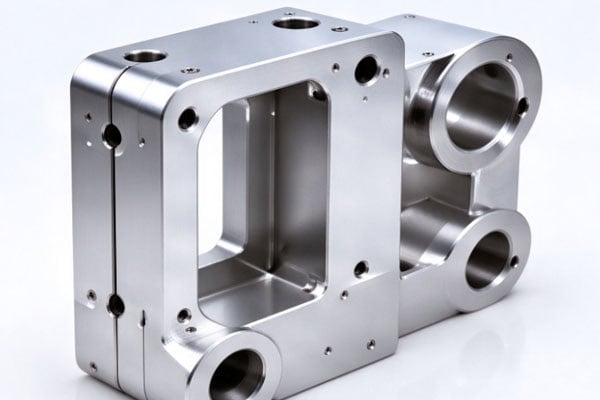
What Should Buyers Confirm When Purchasing Complex Electronic Components?
Clarifying technical information and acceptance requirements before purchasing helps suppliers evaluate machining difficulty, arrange production processes, and provide accurate quotations.
Prepare Complete Machining Information
The following information should be provided when requesting a quotation:
- Part drawings: Specify dimensions, tolerances, hole positions, and fit requirements.
- Material information: Identify the material grade, specifications, and condition.
- Surface requirements: Specify treatment methods, colors, and appearance standards.
- Order requirements: Provide the quantity, delivery schedule, and prototype or batch production plan.
Complete and clear information helps reduce communication errors before and during production.
Evaluate the Supplier’s Machining Capabilities
Buyers should confirm whether the supplier can machine complex structures such as thin walls, deep grooves, and multi-face hole patterns. They should also evaluate the supplier’s fixturing methods, deformation control processes, and dimensional inspection capabilities. For critical mating areas, dimensional requirements after surface treatment and acceptance standards should be agreed upon in advance to prevent assembly problems after delivery.
CNC machining of complex electronic components requires careful consideration of structural characteristics, material properties, dimensional accuracy, and assembly requirements. Selecting appropriate machining methods, controlling clamping deformation, and confirming surface treatment and inspection standards in advance can improve part quality and batch production consistency. TiRapid provides customized CNC machining services based on customer drawings, materials, and order requirements, supporting both prototype development and batch manufacturing of electronic components.