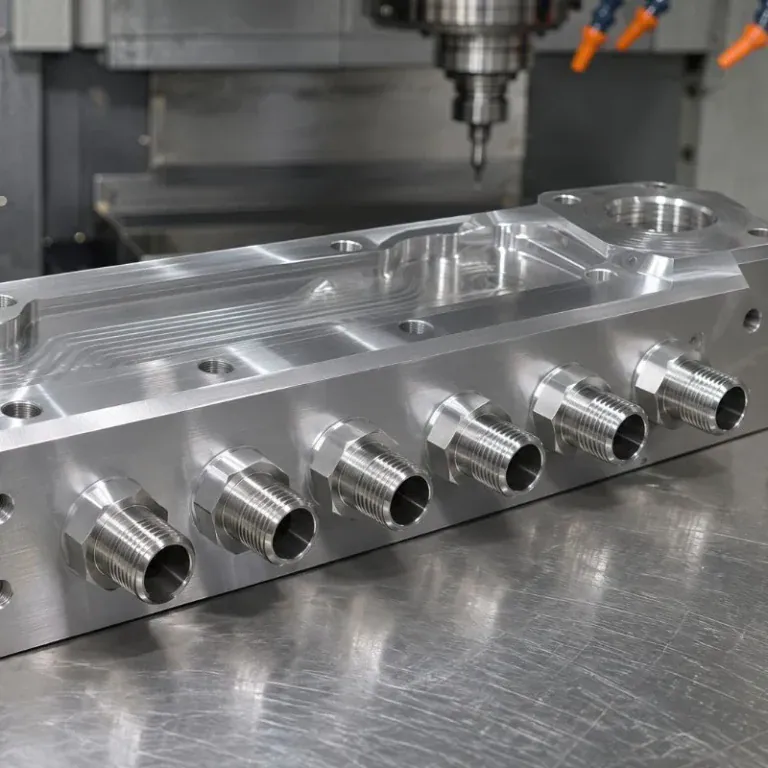
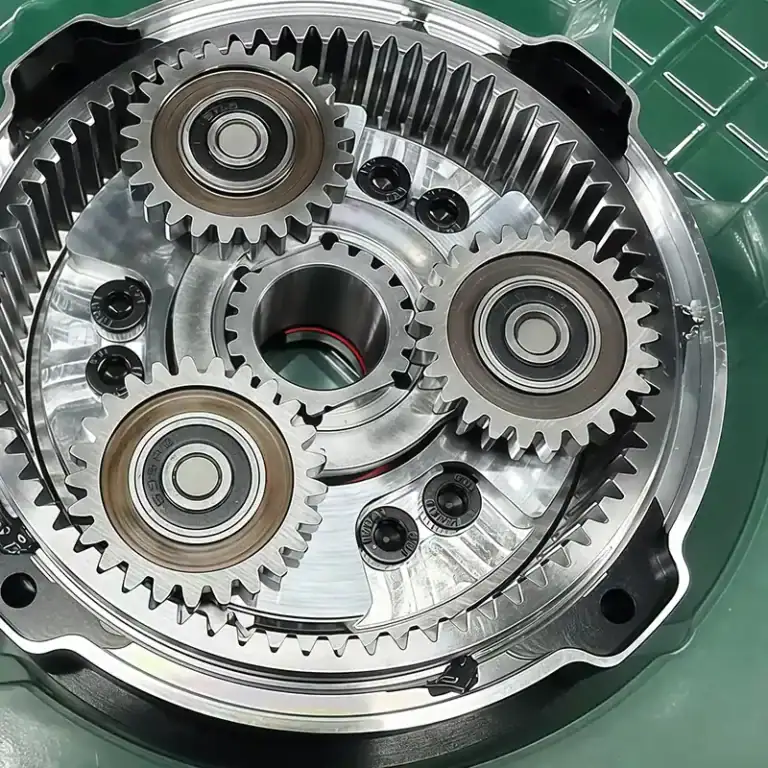
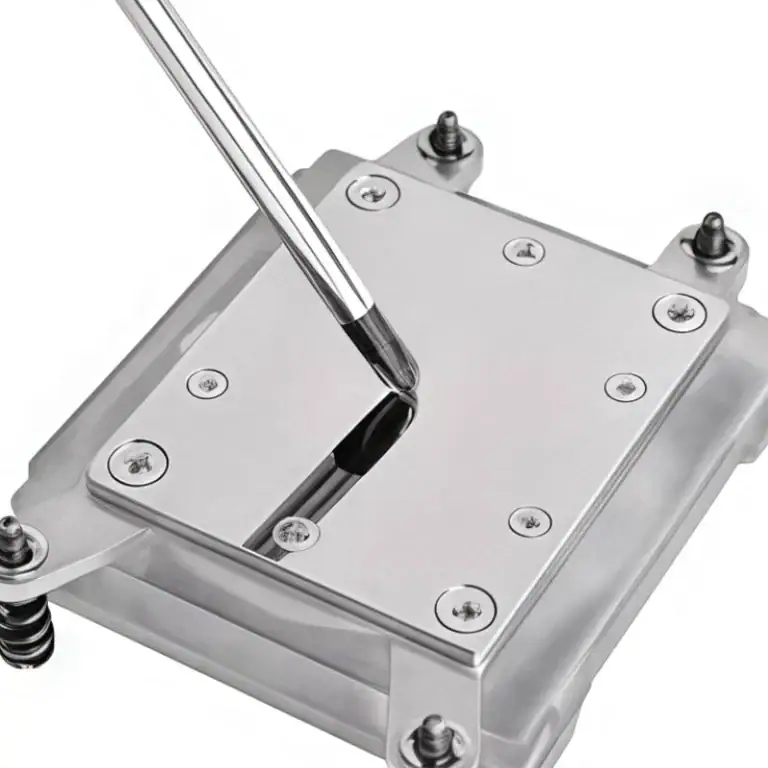
CNC machining is widely used in the precision manufacturing of metal components made from aluminum alloys, stainless steel, copper alloys, and other materials. It offers excellent capabilities for producing complex geometries while meeting dimensional accuracy and surface finish requirements. However, not every metal part is suitable for CNC machining. Factors such as part geometry, material properties, tolerance requirements, and production volume all influence machining feasibility and manufacturing costs.Introducing DFM (Design for Manufacturability) checks during the product design stage helps identify potential design problems, reduce machining operations and material waste, and improve production efficiency.
Check Whether the Part Geometry Is Suitable for CNC Machining
Part geometry is one of the most important factors in determining CNC machining feasibility. Designers need to consider tool movement, machine capabilities, and workholding conditions when evaluating a component.
Evaluate Internal Grooves and Deep Cavities
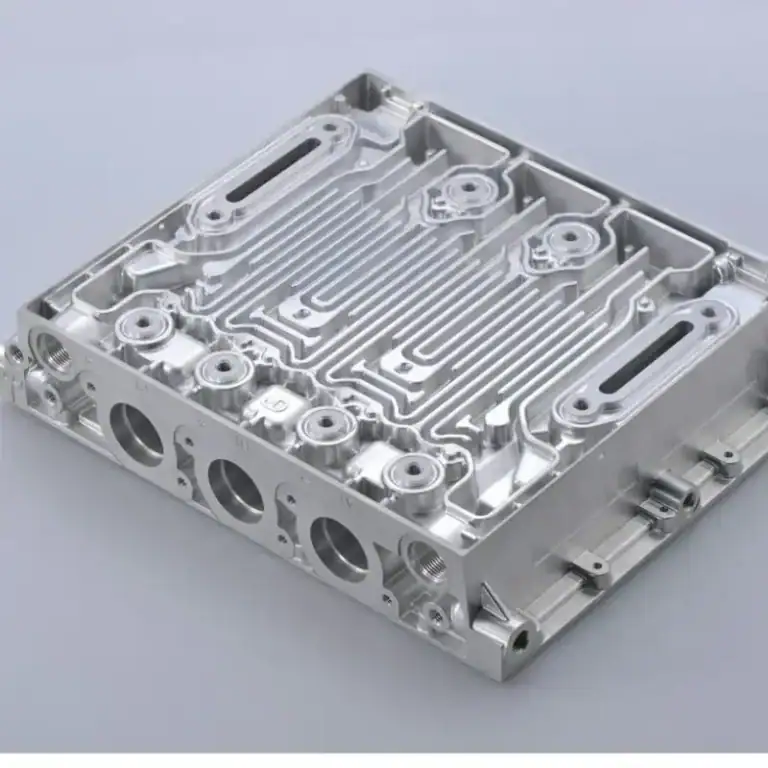
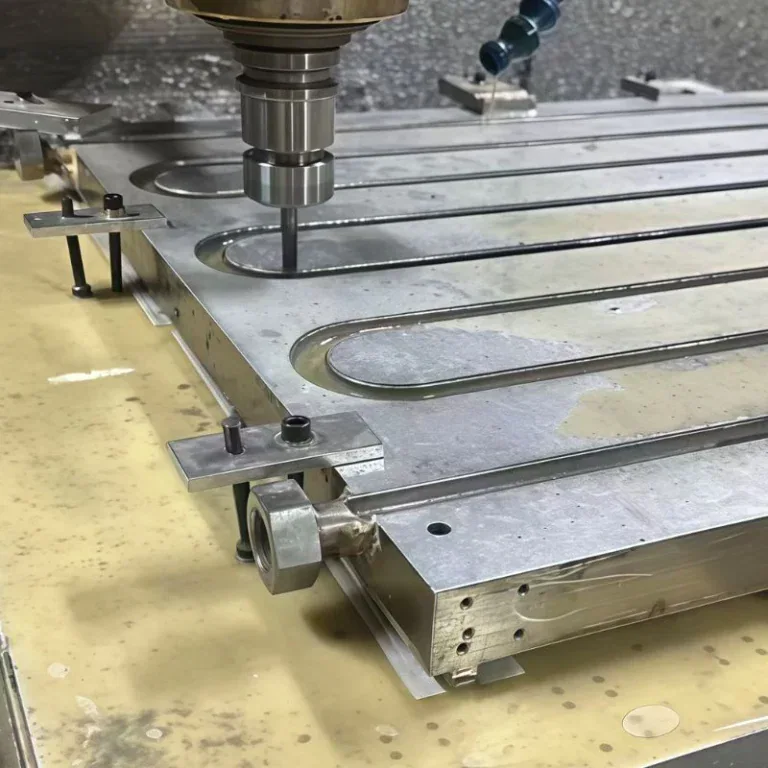
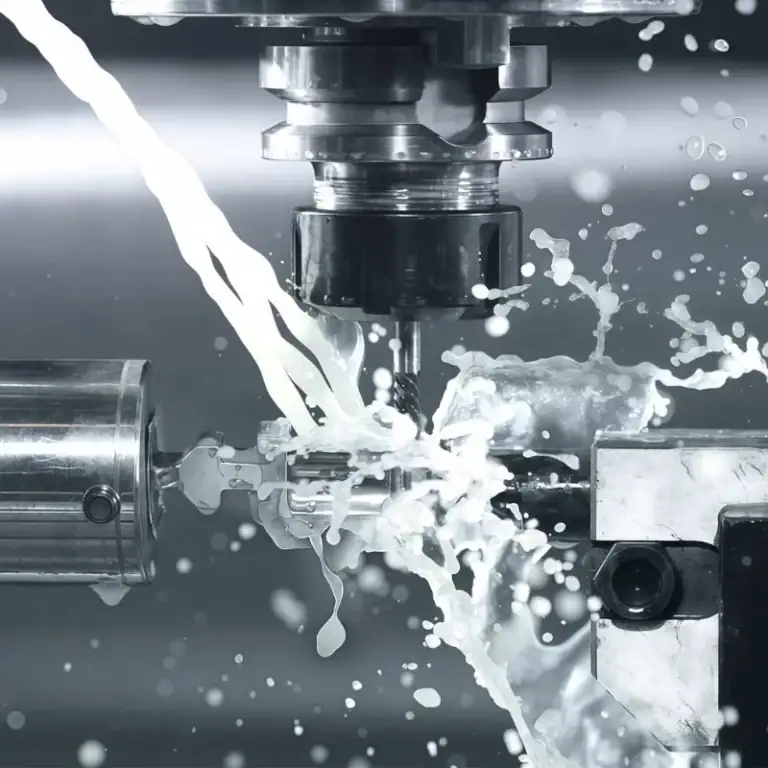
Deep grooves, narrow internal spaces, and enclosed cavities can restrict tool access and chip removal. Deep cavity machining may also cause tool vibration and reduce surface quality. During design, it is important to control the depth-to-width ratio of grooves and provide sufficient clearance for cutting tools.
Check Internal Corners and Thin-Wall Structures
CNC milling tools typically leave internal corner radii determined by the cutting tool radius. Therefore, perfectly sharp internal corners are generally difficult to machine directly. Designers should specify suitable internal radii and avoid unnecessary sharp corners.
Thin-wall components are also vulnerable to deformation caused by cutting forces and clamping pressure. Their wall thickness should be evaluated based on material properties, part geometry, and machining methods.
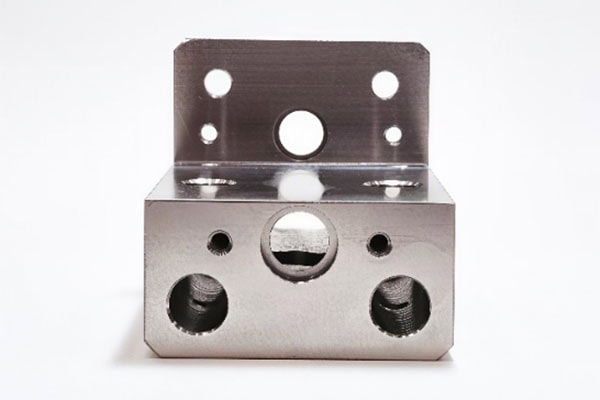
Evaluate Material Selection and Machinability
Material selection directly affects tool life, cutting parameters, and overall machining costs.
Assess Metal Material Machinability
Aluminum alloys generally offer good machinability and are suitable for lightweight precision components. Stainless steel provides high strength and corrosion resistance, although some grades are more susceptible to work hardening. Copper alloys have good thermal conductivity, but their machining characteristics vary depending on the specific alloy.
DFM evaluation should consider material hardness, toughness, thermal conductivity, and tool wear. Machining difficulty should not be determined by material strength alone.
Confirm Material Specifications and Blank Dimensions
Raw material dimensions should provide sufficient allowance for machining, workholding, and tool movement. For parts requiring extensive material removal, manufacturers should also evaluate raw material costs and machining time to avoid unnecessary material waste.
Review Dimensional Tolerances and Surface Finish Requirements
Not every dimension requires extremely tight tolerances. Excessively strict tolerance requirements can increase inspection time, tool adjustments, and machining costs.
Distinguish Critical and Non-Critical Dimensions
Dimensions related to assembly, sealing, and moving fits should have tolerances based on their actual functional requirements. Non-critical external dimensions can generally use more practical tolerance ranges to avoid unnecessary precision machining.
Evaluate Surface Roughness Requirements
Different surfaces serve different purposes. Mating surfaces and sealing surfaces may require finer finishes, while ordinary external surfaces may not need such high levels of surface quality. Defining surface finish requirements according to actual applications helps control manufacturing costs.
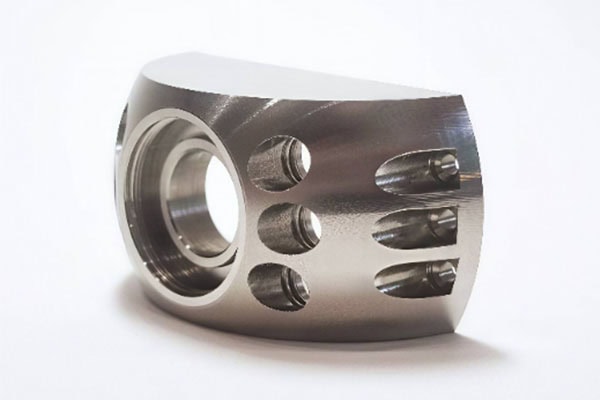
CNC Machining DFM Checklist: What Should Be Confirmed Before Production?
Before submitting technical drawings for CNC machining, designers and engineers can use the following checklist:
- Part Geometry: Are there excessively deep cavities, narrow grooves, or difficult-to-machine internal corners?
- Wall Thickness: Are thin-wall sections likely to deform during machining?
- Material Selection: Is the selected material suitable for the intended cutting process?
- Blank Dimensions: Is there sufficient machining allowance and workholding space?
- Dimensional Tolerances: Are critical dimensions clearly distinguished from standard dimensions?
- Surface Finish: Are surface roughness and post-processing requirements reasonable?
- Workholding Design: Can the part be positioned securely while minimizing repeated setups?
- Manufacturing Costs: Are machining operations, tool consumption, and material utilization within the target budget?
How to Improve CNC Machining Efficiency Through DFM Optimization
After completing the DFM review, manufacturers should adjust the design to address identified problems. For example, replacing unnecessary deep cavities with open structures, increasing thin-wall thickness, optimizing internal corner radii, and standardizing similar hole diameters and machining features can reduce manufacturing complexity.
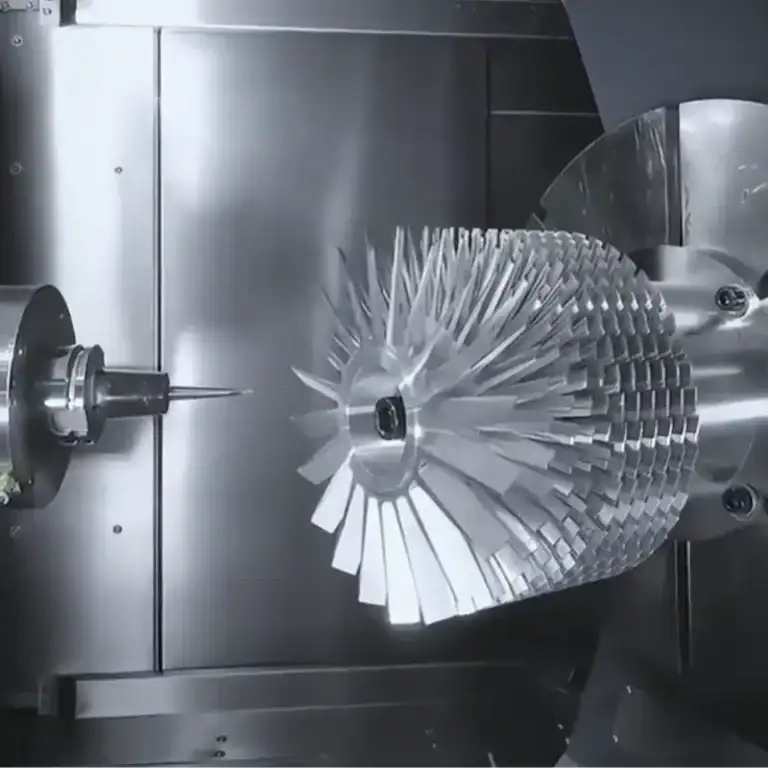
For complex metal components, manufacturers can also select suitable machining processes based on the capabilities of 3-axis, 4-axis, or 5-axis CNC machines. Proper planning of workholding setups and machining sequences can further reduce positioning errors.
TIRAPID provides metal CNC machining services. By evaluating part geometry, material selection, tolerances, and manufacturing requirements before production, customers can optimize their designs and improve manufacturing feasibility.
Дүгнэлт
Determining whether metal parts are suitable for CNC machining requires more than checking whether the geometry can be produced. It involves evaluating design machinability, material properties, precision requirements, and production costs. Incorporating DFM checks into the product design and manufacturing evaluation process helps reduce design issues, improve machining efficiency, and ensure consistent part quality.