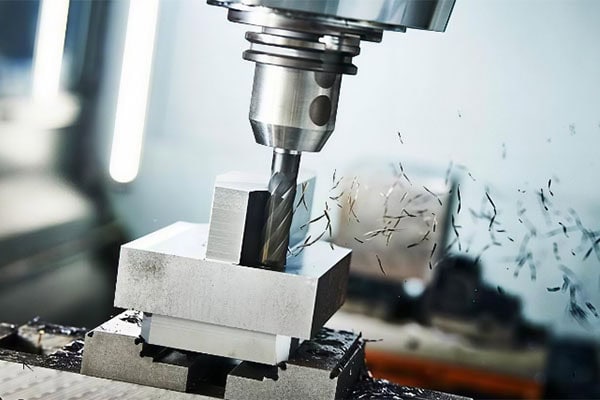
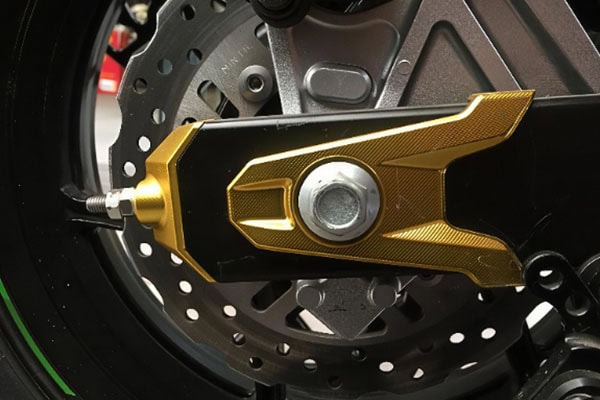
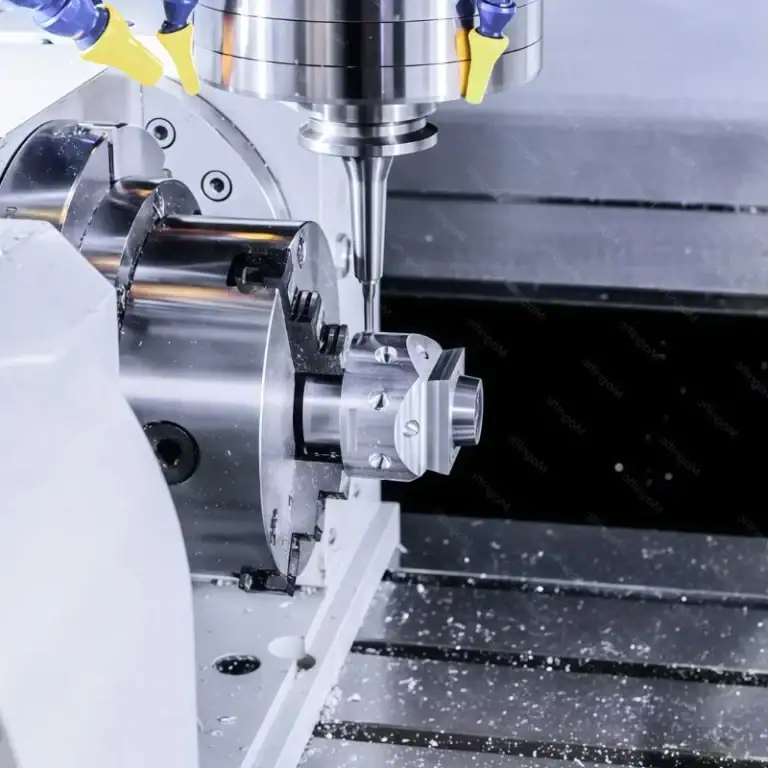
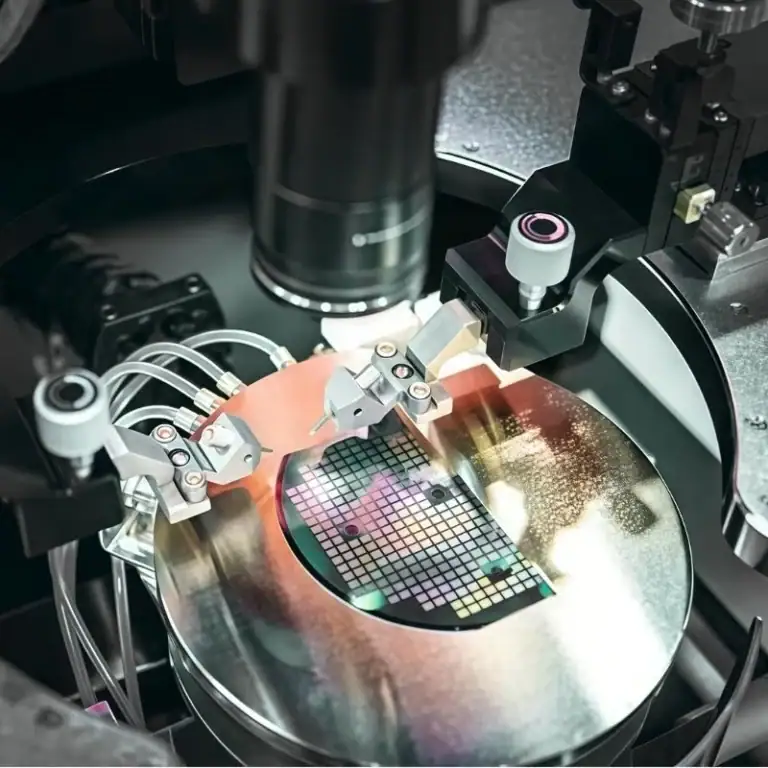
High-performance motorcycles require components with excellent dimensional accuracy, structural strength, weight optimization, and durability to withstand high speeds, rapid acceleration, repeated braking, and challenging road conditions. Traditional machining methods may have limitations when manufacturing complex surfaces, precision holes, and lightweight structures. CNC machining provides a reliable, customized manufacturing solution for motorcycle engine components, suspension parts, braking components, and frame connectors through precise toolpath control and multi-axis machining technology.
ໄດ້ຮັບ 20% ປິດ
ຄຳສັ່ງຊື້ຄັ້ງທຳອິດຂອງທ່ານ
ຕ້ອງການຊິ້ນສ່ວນໂລຫະ ແລະ ພາດສະຕິກຕາມໃຈລູກຄ້າບໍ?
Key Requirements for CNC Machining High-Performance Motorcycle Parts
High Precision and Consistent Assembly
Motorcycle components often feature bores, threads, mounting surfaces, and complex profiles. Dimensional deviations can affect assembly accuracy and operational stability. CNC milling, turning, and multi-axis machining help control critical dimensions according to engineering drawings while reducing positioning errors caused by repeated setups. Precision components such as bushings, wheel hubs, and brake caliper brackets may also require dimensional inspection based on specified tolerances.
ການອອກແບບນ້ຳໜັກເບົາ ແລະ ຄວາມແຂງແຮງຂອງໂຄງສ້າງ
Reducing unnecessary weight can help improve motorcycle handling and power response. By optimizing wall thickness, machining weight-reduction pockets, and refining structural layouts, manufacturers can reduce material usage while maintaining the required strength. Lightweight design must be supported by engineering evaluation rather than achieved simply by removing material.
CNC Machining Processes and Material Selection for Motorcycle Parts
ການເລືອກຂະບວນການເຄື່ອງຈັກທີ່ຖືກຕ້ອງ
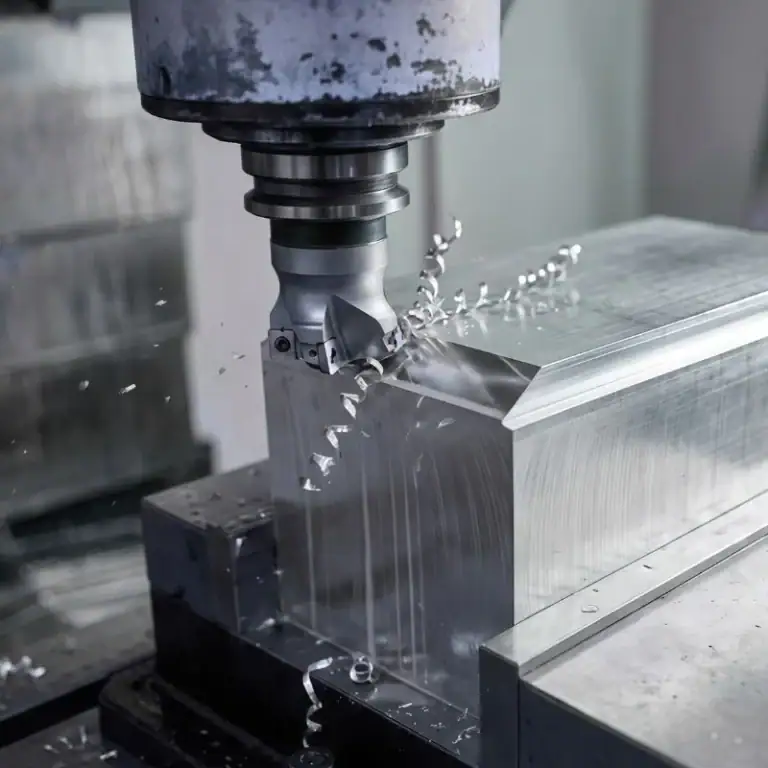
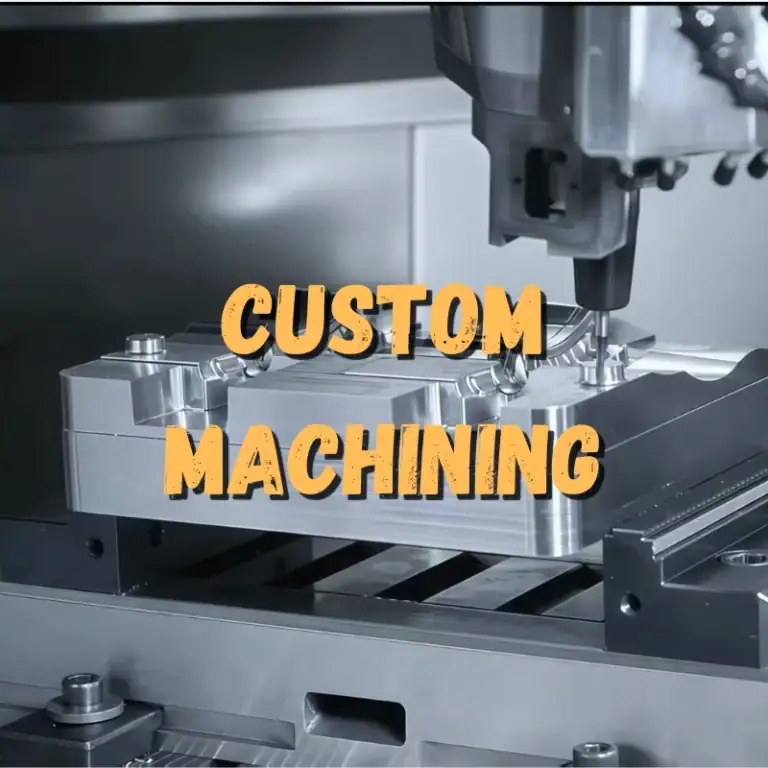
Three-axis CNC milling is suitable for machining flat surfaces, brackets, and basic profiles. CNC turning is ideal for shafts, bushings, washers, and cylindrical components. Four-axis and five-axis CNC machining are suitable for complex surfaces, angled holes, and components that benefit from fewer setups.
Combining appropriate machining processes helps balance dimensional accuracy, production efficiency, and manufacturing costs.
Choosing Materials Based on Component Requirements
6061-T6 aluminum alloy offers good machinability and is suitable for various lightweight brackets and housings. 7075-T6 aluminum alloy provides higher strength and can be used for high-load structural components when validated through engineering analysis. Stainless steel is suitable for parts requiring strength and corrosion resistance, while engineering plastics such as POM and nylon can be used for selected bushings, spacers, and non-load-bearing functional components.
Motorcycle Component
Recommended CNC Process
Potential Materials
ເງື່ອນໄຂສໍາຄັນ
ວົງເລັບຕິດເຄື່ອງຈັກ
CNC milling, five-axis machining
6061-T6, 7075-T6 aluminum alloy
Hole-position accuracy, structural strength
Wheel hubs and bushings
ການກ້ຽວ, ການເຈາະ CNC
ໂລຫະປະສົມອາລູມິນຽມ, ສະແຕນເລດ
Concentricity, dimensional consistency
Brake caliper brackets
CNC milling, multi-axis machining
High-strength aluminum alloy, steel
Strength, mounting accuracy
Suspension linkage components
ເຄື່ອງ CNC milling, ກ້ຽວ
ໂລຫະປະສົມອາລູມິນຽມ, ເຫຼັກກ້າ
ຄວາມສາມາດໃນການໂຫຼດ, ຄວາມທົນທານ
Footpegs and control components
CNC milling, surface finishing
ໂລຫະປະສົມອາລູມິນຽມ, ສະແຕນເລດ
Anti-slip features, corrosion resistance
Bushings and cable clips
ການກ້ຽວ, ການເຈາະ CNC
POM, nylon
ການຕໍ່ຕ້ານການສວມໃສ່, ຄວາມຫມັ້ນຄົງຂອງມິຕິລະດັບ
Note: Final material and process selection should be based on component drawings, loading conditions, operating temperatures, fatigue-life requirements, and applicable safety standards.
Key Measures for Improving Machining Quality
Multi-Axis Machining and Structural Optimization
Complex motorcycle components may feature angled holes, curved surfaces, and irregular profiles. Appropriate multi-axis CNC machining can reduce repeated repositioning and improve positional consistency between multiple features. Design for Manufacturability (DFM) evaluations before production help optimize tool accessibility, machining allowances, and structural geometry while reducing unnecessary manufacturing costs.
ການສໍາເລັດຮູບພື້ນຜິວແລະການກວດກາຄຸນນະພາບ
Anodizing, hard anodizing, sandblasting, polishing, and appropriate corrosion-resistant treatments can improve the surface properties and appearance of aluminum alloy components. After machining, components should be inspected for dimensions, hole positions, threads, and surface quality according to engineering specifications.
Safety-critical components, including braking, steering, and suspension parts, may also require material verification, load testing, and other applicable safety inspections.
TiRapid’s Custom CNC Machining Solutions for High-Performance Motorcycle Parts
TiRapid provides CNC milling, CNC turning, and three-axis to five-axis multi-axis machining services for powersports and high-performance motorcycle applications. Based on customer CAD models, 2D engineering drawings, and technical specifications, TiRapid can develop suitable machining plans for customized components.
Projects can be supported from prototype development through low-volume production and subsequent volume manufacturing. Services can also incorporate material selection, DFM evaluation, surface finishing, and dimensional inspection to help customers optimize component design and manufacturing workflows.
For projects involving special tolerances, complex geometries, or customized assembly requirements, customers should specify the material grade, critical dimensions, tolerances, surface finish, order quantity, and inspection criteria when requesting a quotation. This information helps improve the accuracy of process feasibility assessments, cost estimates, and delivery schedules.
ສະຫຼຸບ
CNC machining high-performance motorcycle parts requires more than advanced equipment. Appropriate material selection, structural design, and comprehensive quality control are equally important. By combining precision machining, multi-axis manufacturing, and engineering evaluation, manufacturers can better meet the requirements for lightweight construction, assembly accuracy, and component reliability.